
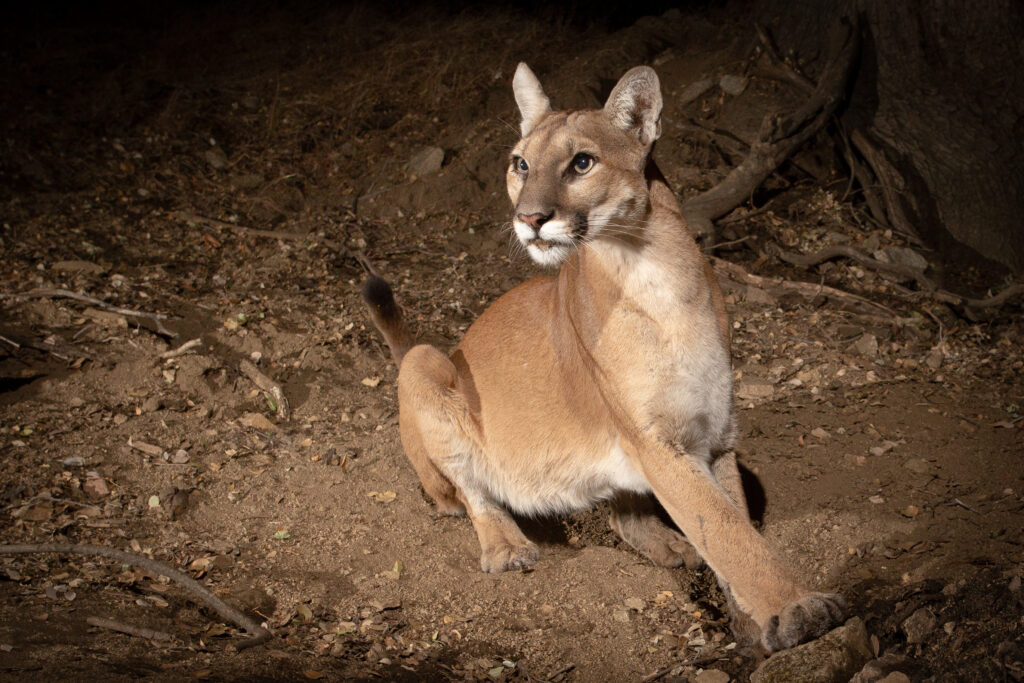
Yes, mountain lions, also known as cougars or pumas, are indeed an intrinsic part of California’s natural landscape, inhabiting many of its revered wild landmarks. As the largest native cat in North America, their elusive presence is a testament to the enduring wildness of the Golden State’s diverse ecosystems, from dense forests to arid deserts and rugged mountain ranges. Understanding the mountain lion’s role and presence is key to appreciating the profound natural character of California’s iconic wild spaces.
California’s Wild Heart: The Mountain Lion’s Domain
The mountain lion is more than just a magnificent predator; it is a symbol of California’s untamed wilderness and a vital component of its natural landmarks. Their existence signifies a thriving ecosystem, showcasing the health and integrity of the state’s protected areas and vast natural territories. For visitors and residents alike exploring the state’s natural wonders, recognizing the potential presence of these majestic cats enriches the experience and underscores the importance of wildlife conservation.
A Native Predator’s Enduring Presence
Mountain lions have roamed the lands now known as California for thousands of years, long before human settlements shaped the landscape. They are a native species, perfectly adapted to the varied terrain and climate. Despite historical persecution and habitat loss, populations have shown remarkable resilience, thanks in part to significant conservation efforts and legal protections. In California, mountain lions are designated as a “specially protected mammal,” meaning they cannot be hunted except under very specific circumstances, primarily to protect livestock or human safety. This protection underscores their value not just as individual animals but as a cornerstone species crucial to the state’s natural heritage. Their enduring presence in wild areas, from the grandeur of the Sierra Nevada to the chaparral of the Santa Monica Mountains, reinforces the identity of these places as true natural landmarks.
Habitat Across the Golden State
Mountain lions are incredibly adaptable and can be found in a wide array of habitats across California. Their preferred territories are typically remote, rugged areas with dense cover for hunting and raising young, but their range extends surprisingly close to urban fringes.
- Mountain Ranges: The towering Sierra Nevada, the Klamath Mountains in the north, and the transverse and peninsular ranges of Southern California (like the San Gabriel and San Bernardino Mountains) are prime mountain lion habitats. Iconic national parks like Yosemite, Sequoia, and Kings Canyon are significant strongholds for these predators.
- Coastal Forests and Chaparral: The thick forests and brushlands of the Central Coast and Northern California provide excellent hunting grounds and cover. The Santa Monica Mountains National Recreation Area, a natural landmark surprisingly close to Los Angeles, is renowned for its fragmented but persistent mountain lion population, offering a unique case study in human-wildlife coexistence near a major urban center.
- Deserts: Even California’s arid regions, such as parts of Joshua Tree National Park and the Anza-Borrego Desert State Park, support mountain lion populations, albeit at lower densities. They adapt to the sparse vegetation and extreme temperatures, preying on bighorn sheep and other desert animals.
The widespread distribution of mountain lions across these varied natural landmarks underscores the importance of maintaining interconnected wildlife corridors, allowing these wide-ranging animals to move between habitats, ensuring genetic diversity and population health.
An Essential Component of Natural Landmarks
The presence of mountain lions is not merely incidental to California’s natural landmarks; it is fundamental to their ecological function and overall health. As apex predators, they play a critical role in shaping the very ecosystems that make these locations iconic.
Keystone Species and Ecological Balance
Mountain lions are often considered a “keystone species.” This means their impact on the ecosystem is disproportionately large relative to their abundance. By preying primarily on deer, they help regulate deer populations. Without these predators, deer numbers can explode, leading to overgrazing that damages vegetation, inhibits forest regeneration, and negatively impacts other species that rely on those plants for food and shelter. The cascading effects of an ecosystem without its top predator can be profound, altering everything from plant communities to bird populations and even stream dynamics. Thus, in natural landmarks like Yosemite or the Big Sur wilderness, the mountain lion acts as a natural steward, maintaining the delicate balance that defines these treasured places. Their presence ensures the vibrancy and resilience of the entire food web within these landmark territories.
Indicators of Wilderness Health
The health of a mountain lion population serves as an excellent indicator of the overall health of the wilderness areas they inhabit. A stable, reproducing mountain lion population suggests that:

- Prey Base is Robust: There is a sufficient and healthy population of deer and other prey animals to sustain the predators.
- Habitat is Intact: The natural landmark provides adequate space, cover, and resources for both predator and prey.
- Ecosystem Processes are Functioning: The complex interactions within the food web are operating effectively.
Conversely, declines in mountain lion numbers, or fragmentation of their habitat, often signal broader environmental issues within these natural landmarks, such as habitat loss, disease, or a reduction in biodiversity. Their survival is inextricably linked to the preservation of the vast, interconnected natural areas that define much of California’s wild beauty.
Encounters and Coexistence in California’s Wild Spaces
While mountain lions are present across California’s wild landmarks, direct encounters with humans are rare. These animals are naturally elusive and generally avoid human contact. However, as human populations expand and outdoor recreation in natural areas increases, the interface between humans and mountain lions becomes more frequent, necessitating an understanding of responsible coexistence.
Understanding Their Behavior
Mountain lions are primarily nocturnal and crepuscular (active at dawn and dusk). They are solitary creatures, except for mothers with cubs, and territorial. When they do encounter humans, their natural instinct is to retreat. Attacks on humans are exceedingly rare, especially when compared to other wildlife encounters, but they can occur. These usually involve young, inexperienced, or injured animals, or situations where the animal feels cornered or is protecting a kill. Awareness of their presence, rather than fear, is the key to respectful and safe exploration of their natural habitats.
Responsible Exploration of Natural Landmarks
When visiting California‘s national parks, state parks, national forests, or other natural landmarks where mountain lions reside, responsible practices are paramount to ensure both human safety and the undisturbed existence of these magnificent animals.
- Hike in Groups: Always hike with a companion, and keep children close. This makes a group appear larger and less like potential prey.
- Keep Pets Leashed: Dogs, especially, can provoke mountain lions or become targets themselves. Always keep them close and on a leash in designated areas.
- Be Aware of Your Surroundings: Pay attention to animal tracks, scat, and signs of prey animals. If you see a deer carcass, it could indicate a lion’s presence.
- Hike During Daylight Hours: Avoid hiking alone at dawn, dusk, or night when mountain lions are most active.
- Do Not Approach Wildlife: Maintain a respectful distance from all wildlife. Never feed wild animals, as this can habituate them to humans and lead to dangerous interactions.
- Know What To Do in an Encounter: If you see a mountain lion, do not run. This can trigger a chase response. Instead, make yourself look as large as possible, make noise, and back away slowly. If the lion acts aggressively, fight back fiercely.
By adhering to these guidelines, visitors can enjoy the breathtaking beauty of California’s natural landmarks while respecting the wild inhabitants that call these places home.
Conservation Efforts and the Future of the California Cougar
The continued presence of mountain lions in California is a testament to dedicated conservation efforts, yet significant challenges remain. Their future is intertwined with the preservation of the state’s natural landmarks and the ecological corridors that connect them.
Legal Protections and Habitat Corridors
In California, mountain lions have been a “specially protected mammal” since 1990, meaning they cannot be hunted. This legal status is a critical component of their survival. Beyond direct protection, efforts focus on habitat preservation and the establishment of wildlife corridors. These corridors, often strips of undeveloped land, allow mountain lions and other wildlife to move safely between fragmented natural areas, reducing isolation and enhancing genetic diversity. Projects like the proposed wildlife crossing over Highway 101 in the Santa Monica Mountains are crucial for sustaining populations in urban-proximate natural landmarks. Such initiatives are vital for maintaining the ecological integrity of these natural treasures.

Challenges in a Changing Landscape
Despite protections, mountain lions face formidable threats. Habitat fragmentation due to urban sprawl and infrastructure development isolates populations, leading to inbreeding and reduced genetic health, as seen in the Santa Monica Mountains. Vehicle collisions are a major cause of mortality. Additionally, depredation permits, issued when lions prey on livestock or pets, can result in the legal killing of these animals. Climate change also poses a long-term threat by altering habitats and prey availability.
The ongoing research, public education, and political will to protect and connect California’s natural landmarks are essential for the long-term survival of the mountain lion. Their continued existence is not just about one species; it’s about the health and legacy of the wild landscapes that define California as a truly unique natural landmark on the global stage. Preserving these majestic creatures means preserving the wild heart of the state for generations to come.
LifeOutOfTheBox is a participant in the Amazon Services LLC Associates Program, an affiliate advertising program designed to provide a means for sites to earn advertising fees by advertising and linking to Amazon.com. Amazon, the Amazon logo, AmazonSupply, and the AmazonSupply logo are trademarks of Amazon.com, Inc. or its affiliates. As an Amazon Associate we earn affiliate commissions from qualifying purchases.