
Alaska, often called “The Last Frontier,” is world-renowned for its pristine wilderness and incredible salmon fishing. For many tourists, a trip to Alaska is synonymous with the exhilarating experience of reeling in one of these magnificent fish. Understanding the timing of salmon runs is crucial for planning a successful and rewarding fishing adventure, as different species arrive at various times throughout the warmer months. A well-planned visit ensures not only the best chances for a memorable catch but also the opportunity to immerse oneself in Alaska’s vibrant fishing culture and breathtaking natural beauty.
Understanding Alaska’s Salmon Species and Their Runs
Alaska is home to five distinct species of Pacific salmon, each with its own unique characteristics, preferred habitats, and, most importantly for tourists, specific timing for their annual spawning runs. Knowing when and where to find each species is key to maximizing your fishing success.
King Salmon (Chinook)
The largest and most sought-after of the Pacific salmon, King Salmon, or Chinook, are prized for their immense size and powerful fight. Averaging 20-30 pounds, but often exceeding 50 pounds, these titans are the dream catch for many anglers.
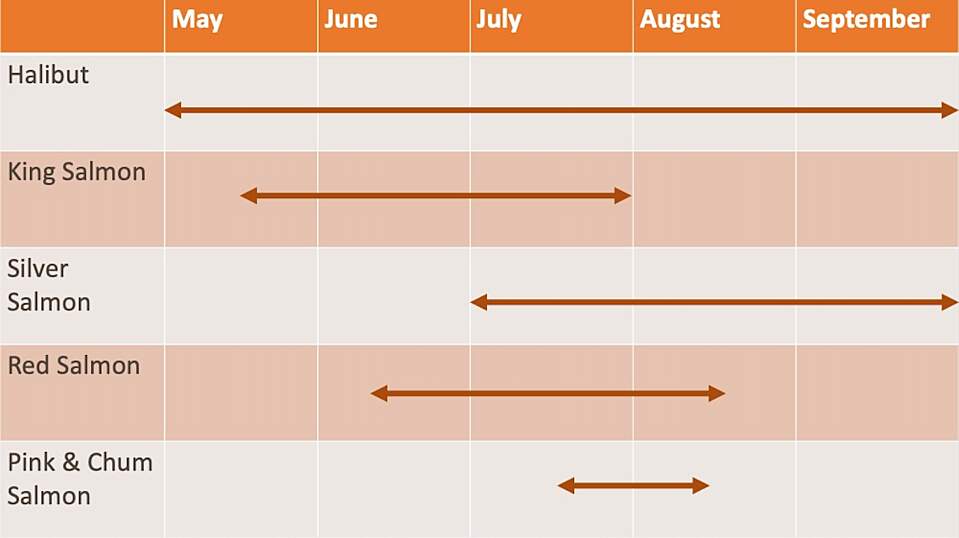
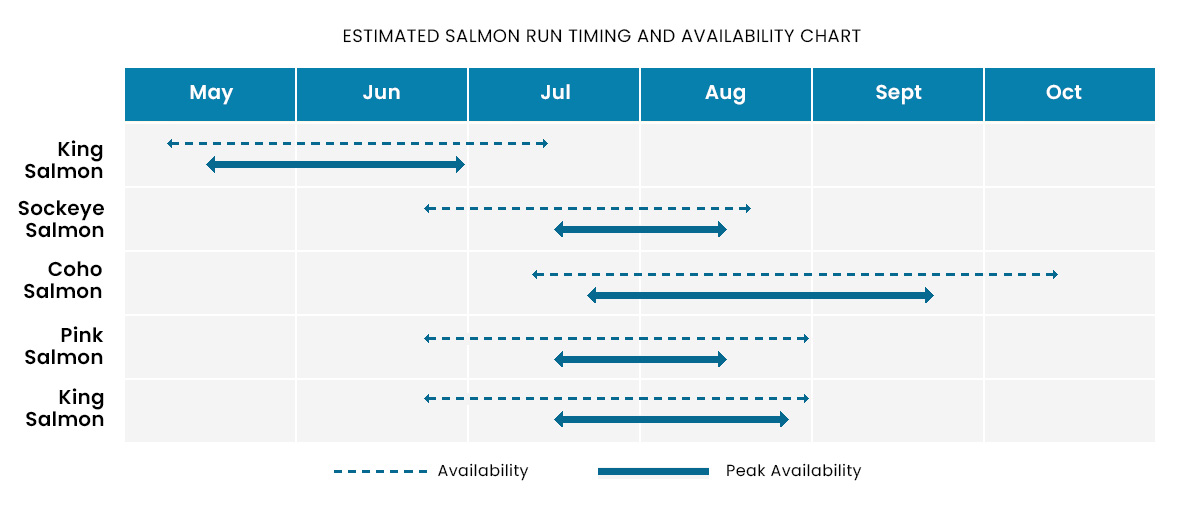
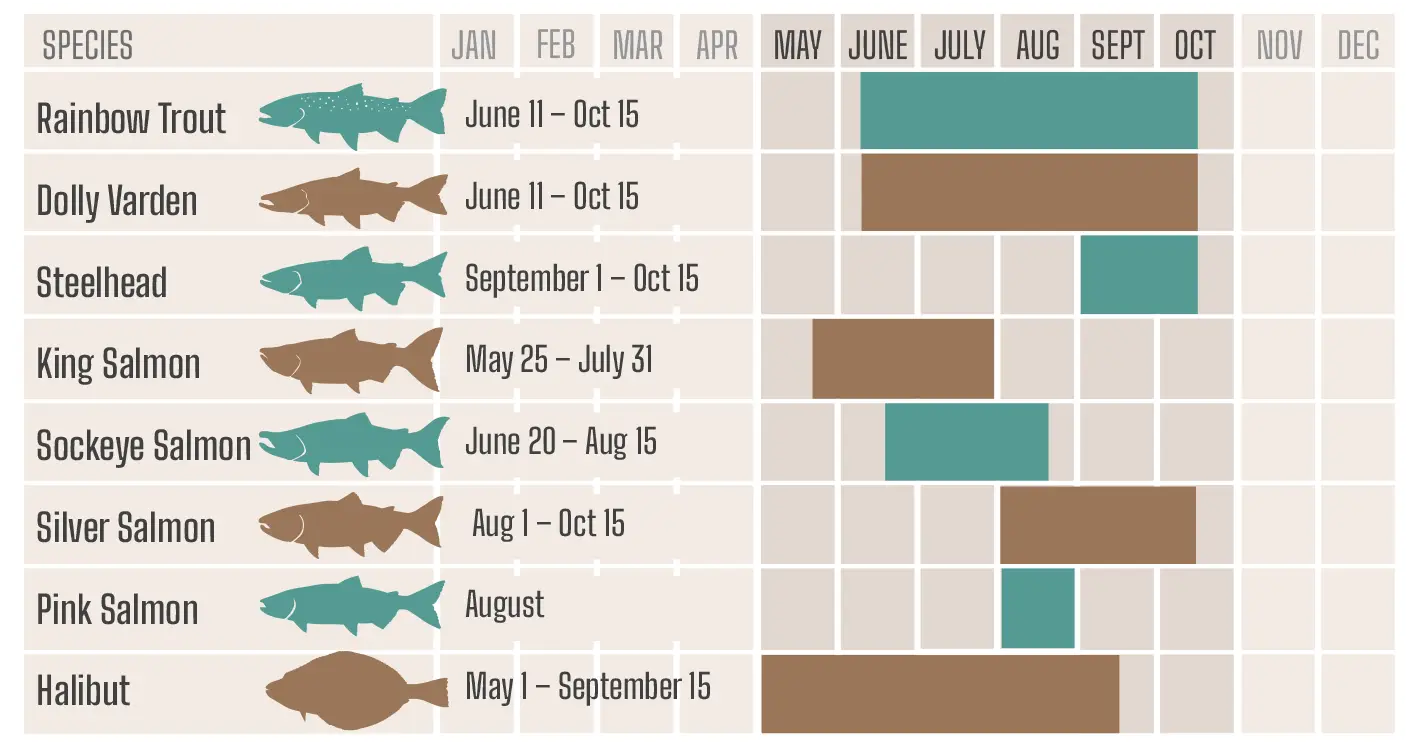
- Season: King Salmon typically begin their migration upstream from late May, with the peak season running through June and into early July. Some rivers, particularly in Southeast Alaska and the Kenai Peninsula, can see runs extend into August.
- Best Locations: Key fishing grounds include the Kenai River and Kasilof River on the Kenai Peninsula, as well as many rivers and coastal waters throughout Southeast Alaska near towns like Juneau, Ketchikan, and Sitka. Offshore fishing in the Gulf of Alaska also targets feeding Kings.
Sockeye Salmon (Red)
Known for their vibrant red flesh and strong, sustained runs, Sockeye Salmon (or Reds) are smaller than Kings but offer an exciting challenge on lighter tackle. They are highly valued for their rich flavor and are a favorite for canning and smoking.
- Season: Sockeye runs generally kick off in mid-June, peaking in July and continuing strong through early August. These runs are often characterized by incredible numbers of fish.
- Best Locations: The Kenai River is world-famous for its massive Sockeye runs, drawing thousands of dip-netters and rod-and-reel anglers. Bristol Bay in Western Alaska hosts the largest Sockeye run globally, primarily for commercial fishing but supporting significant sport fishing opportunities in surrounding rivers. Rivers flowing into Cook Inlet also see strong runs.
Silver Salmon (Coho)
Silvers, or Coho, are celebrated for their acrobatic fights and aggressive strikes, making them a thrilling catch for sport anglers. They are medium-sized salmon, typically weighing 8-15 pounds.
- Season: Coho salmon arrive later in the summer, with their runs commencing in late July and peaking throughout August and September. Some runs can even extend into early October, offering excellent late-season fishing.
- Best Locations: Excellent Coho fishing can be found across much of Alaska. The coastal rivers and streams of Southeast Alaska (e.g., near Juneau and Ketchikan), the Kenai Peninsula (including the Kenai River and Anchor River), and rivers flowing into Prince William Sound are prime spots.
Pink Salmon (Humpy)
Pink Salmon, often called Humpies due to the prominent hump developed by males during spawning, are the smallest and most abundant Pacific salmon. While not as prized for sport fishing due to their size (3-5 pounds) and softer flesh, they offer fast action, especially in odd-numbered years when their runs are significantly larger.
- Season: Pink salmon arrive en masse from July through August, with peak activity in August. They have a two-year life cycle, meaning odd-numbered years see much larger returns.
- Best Locations: Almost any stream or river in coastal Alaska can host a Pink Salmon run. The streams of Prince William Sound, Southeast Alaska, and Kodiak Island are particularly productive. They provide excellent opportunities for beginners and children due to their sheer numbers and willingness to bite.
Chum Salmon (Dog)
Chum Salmon, also known as Dog Salmon for their prominent teeth during spawning, are muscular fish, typically weighing 8-18 pounds. While often overlooked by anglers targeting Kings or Sockeye, they offer a strong fight and are increasingly recognized for their firm, flavorful flesh when caught in marine waters or the lower reaches of rivers.
- Season: Chum runs are generally from June through August, often overlapping with Sockeye and early Coho runs.
- Best Locations: The rivers of Western Alaska, such as the Yukon River and Kuskokwim River, are major Chum salmon producers. Coastal streams and rivers in Southeast Alaska and the Prince William Sound also see significant runs.
Prime Times for Salmon Fishing Across Alaska
Given the diverse geography and multiple salmon species, Alaska’s salmon season offers varied experiences depending on the region and time of year. Tourists should consider which species they wish to target and what kind of overall Alaskan experience they seek.
Southcentral Alaska (Kenai Peninsula, Mat-Su Valley)
This region is perhaps the most accessible and popular for salmon fishing, thanks to its proximity to Anchorage and its world-famous rivers.
- Late May – Early July: The first run of King Salmon on the Kenai River and Kasilof River attracts dedicated anglers.
- Mid-June – Late July: Massive runs of Sockeye Salmon fill the Kenai River, offering unparalleled action. This is a prime time for both guided and self-guided fishing, as well as dip-netting for Alaska residents.
- July – September: Pink Salmon (especially in odd years) and Chum Salmon provide consistent action.
- Late July – September: Silver Salmon (Coho) runs peak, providing aggressive bites and acrobatic fights well into the fall.
- Overall Recommendation: July is often considered the sweet spot for variety, with Sockeye peaking, King runs winding down, and Coho starting. August is excellent for Coho.
Southeast Alaska (Inside Passage, Ketchikan, Juneau)
The fjord-laden landscape of Southeast Alaska offers spectacular saltwater and freshwater fishing opportunities, often combined with wildlife viewing and scenic cruises through the Inside Passage.
- May – July: Early runs of King Salmon dominate the scene, with both ocean trolling and river fishing providing good opportunities. Towns like Ketchikan, Sitka, and Juneau are major hubs.
- July – August: Sockeye, Pink, and Chum Salmon become abundant in many rivers and streams. Pink Salmon are particularly numerous in odd-numbered years.
- August – September: Silver Salmon fishing is exceptional throughout the region, offering a fantastic late-season option.
- Overall Recommendation: Early summer (June-July) for King and Sockeye, and late summer (August-September) for Silver and Pink. The combination of fishing and sightseeing in this region is hard to beat.
Western Alaska (Bristol Bay, Yukon River)
This remote region is less accessible for casual tourists but offers some of the most prolific salmon runs on Earth, primarily for commercial fishing, but with fantastic fly-out sport fishing lodges.
- June – July: Bristol Bay sees the largest Sockeye Salmon run in the world, with mind-boggling numbers of fish. While much is commercial, fly-out lodges offer incredible sport fishing experiences.
- July – August: Chum Salmon and Pink Salmon runs are also strong in the vast river systems like the Yukon River and Kuskokwim River.
- August – September: Silver Salmon provide exciting fishing in the region’s rivers and tributaries.
- Overall Recommendation: A truly remote Alaskan experience focused on sheer numbers of Sockeye and Chum, best experienced through specialized lodges from mid-June to August.
Planning Your Alaskan Salmon Fishing Adventure
A successful salmon fishing trip to Alaska requires careful planning, whether you’re a seasoned angler or a first-timer.
Guided Trips vs. DIY Fishing
- Guided Trips: For most tourists, especially those new to Alaska or salmon fishing, a guided trip is highly recommended. Professional guides provide all necessary equipment, offer expert advice on techniques and regulations, and know the best spots to find fish. They also handle fish processing, making the experience seamless. Charter boats, lodges, and local outfitters offer packages ranging from half-day trips to multi-day excursions. This option provides convenience and a higher probability of success.
- DIY Fishing: Experienced anglers with their own gear and a good understanding of fishing regulations might opt for DIY fishing. This often involves renting a car, staying in towns like Soldotna or Homer, and fishing from public access points. While potentially more budget-friendly, it requires more research, self-reliance, and understanding of local rules and conditions. Public fishing areas on the Kenai Peninsula can be very crowded during peak Sockeye runs.
Essential Gear and Regulations
- Fishing License: A valid Alaska Department of Fish and Game fishing license is mandatory for anyone 16 years or older. A King Salmon stamp is also required if you plan to target King Salmon. Licenses can be purchased online or from local vendors.
- Gear: If you’re on a guided trip, gear will be provided. For DIY, you’ll need a medium to heavy action rod and reel, suitable line, and a variety of lures, flies, or bait specific to the salmon species and local regulations. Waders and appropriate outerwear are essential for comfort in Alaska’s often unpredictable weather.
- Regulations: Alaska has strict fishing regulations, including daily bag limits, annual limits, gear restrictions, and specific times/areas where fishing is allowed or prohibited. These regulations are designed to ensure sustainable fish populations and can change frequently. Always consult the most current Alaska Department of Fish and Game regulations booklet for the specific region you plan to fish. Misunderstanding regulations can lead to fines or loss of fishing privileges.
Beyond Fishing: Maximizing Your Alaskan Tourism Experience
While salmon fishing is a major draw, Alaska offers a wealth of other tourism activities that can enhance your trip.
- Wildlife Viewing: Alaska is home to an incredible array of wildlife. Bear viewing tours (especially grizzly bears catching salmon), whale watching (humpbacks and orcas), and observing marine mammals like sea otters and seals are popular. Prime spots include Kodiak Island, Denali National Park, and the waters of Southeast Alaska.
- Glacier Tours: Witnessing the majestic beauty of Alaska’s glaciers is an unforgettable experience. Boat tours to glaciers in Prince William Sound or Tracy Arm Fjord are highly recommended.
- National Parks: Explore iconic destinations like Denali National Park (for Mount Denali and wildlife), Kenai Fjords National Park (for glaciers and marine life), or Katmai National Park (famous for its bear viewing at Brooks Falls during salmon runs).
- Local Culture and Food: Explore cities like Anchorage, Fairbanks, or Juneau to experience local Alaskan culture, art, and cuisine, including freshly caught salmon prepared in various delicious ways.
Sustainable Salmon Tourism in Alaska
Alaska’s commitment to sustainable fisheries is a cornerstone of its tourism industry. The state manages its salmon populations rigorously to ensure healthy returns year after year. As a tourist, contributing to these efforts is paramount:
- Follow Regulations: Adhere strictly to all fishing regulations, including catch limits and gear restrictions. These are in place to protect the resource.
- Practice Catch and Release Responsibly: If practicing catch and release, do so quickly and carefully to maximize the fish’s survival rate.
- Respect the Environment: Pack out everything you pack in, dispose of waste properly, and minimize your impact on the delicate Alaskan ecosystem.
- Support Local and Ethical Operators: Choose fishing guides and tour operators who demonstrate a commitment to sustainable practices and responsible tourism.
By understanding the salmon seasons, planning thoughtfully, and adhering to sustainable practices, your Alaskan salmon fishing adventure will not only be successful but also contribute to the long-term health of this incredible natural resource.
LifeOutOfTheBox is a participant in the Amazon Services LLC Associates Program, an affiliate advertising program designed to provide a means for sites to earn advertising fees by advertising and linking to Amazon.com. Amazon, the Amazon logo, AmazonSupply, and the AmazonSupply logo are trademarks of Amazon.com, Inc. or its affiliates. As an Amazon Associate we earn affiliate commissions from qualifying purchases.