
The notion of encountering an alligator in its natural habitat is often a thrilling prospect for visitors to Florida. While the sheer presence of these prehistoric reptiles inspires awe, a question that occasionally surfaces among the curious, and sometimes the concerned, is whether it is permissible, or even possible, to “kill an alligator” within the Sunshine State. This inquiry, while direct, touches upon a complex interplay of wildlife conservation, legal frameworks, and responsible tourism practices that are fundamental to understanding Florida’s unique ecosystem. The answer, in its simplest form, is a resounding “no,” for the average tourist or resident, without strict legal authorization. However, the nuances behind this prohibition reveal a great deal about how Florida manages its most iconic reptilian residents.
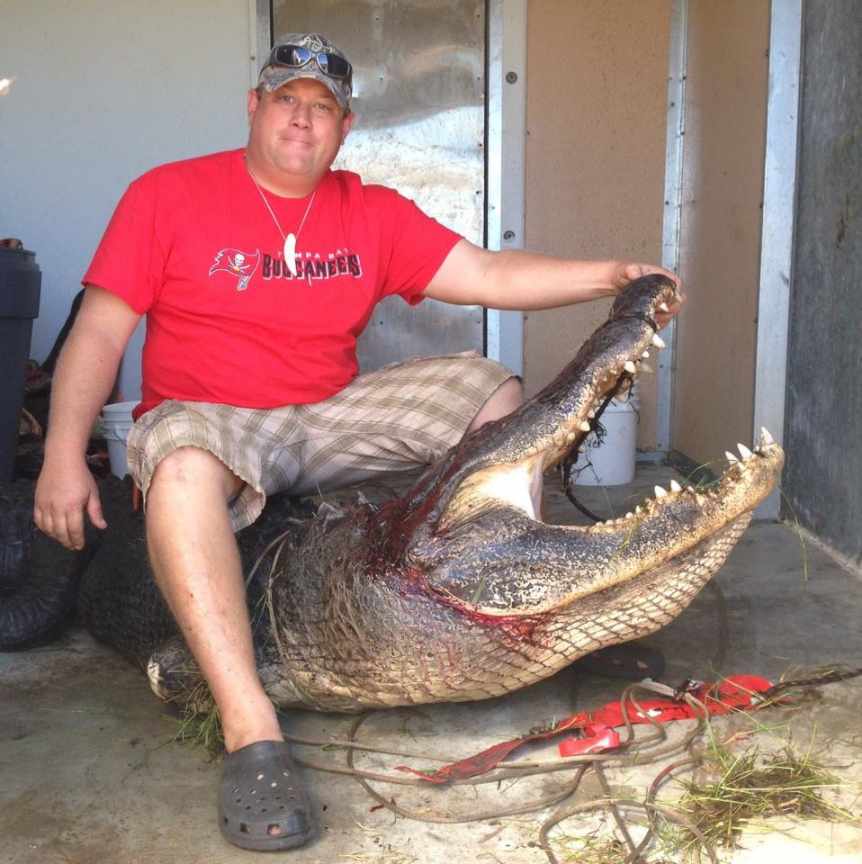
The American alligator is a protected species, and its population has significantly rebounded thanks to dedicated conservation efforts over the past several decades. The idea of unregulated hunting or killing of these animals is not only illegal but also detrimental to the ecological balance of the Everglades National Park and numerous other aquatic environments across the state. Understanding the legal ramifications and the ethical considerations surrounding alligator interactions is paramount for anyone visiting or residing in Florida.
Alligators in Florida: A Protected Species
The American alligator (Alligator mississippiensis) is a keystone species in the wetland ecosystems of the southeastern United States, including Florida. Their presence is indicative of a healthy aquatic environment. For much of the 20th century, alligators faced severe population declines due to hunting for their hides and meat, as well as habitat destruction. Recognizing the critical threat to their survival, federal and state governments implemented protective measures.
Legal Status and Protections
In the United States, the American alligator is listed under the Endangered Species Act. While its status has been upgraded from endangered to a species of least concern in many areas due to successful recovery programs, it remains a protected species. In Florida, the Florida Fish and Wildlife Conservation Commission (FWC) enforces strict regulations regarding alligators. These regulations prohibit the harming, harassing, or killing of alligators outside of very specific, legally sanctioned circumstances.
It is crucial for visitors and residents alike to understand that possessing, disturbing, or attempting to capture or kill an alligator without the proper permits is a serious offense, carrying significant fines and potential jail time. The focus of wildlife management in Florida is on coexistence and conservation, ensuring that these magnificent creatures continue to thrive in their natural habitats for generations to come. The allure of seeing an alligator is a key part of the Florida experience, and responsible viewing practices are encouraged to maintain this balance.
Regulated Alligator Hunting: When and How
While the general public is prohibited from harming alligators, there are specific, highly regulated programs in place that allow for alligator hunting. These programs are not designed for sport or casual pursuit but rather as a tool for managing alligator populations, particularly in areas where conflicts with humans may arise or to harvest alligator resources sustainably.
The Alligator Hunting Season
Florida hosts a regulated alligator hunting season, which is typically held during the late summer and fall months. This season is characterized by stringent rules and limited permits. Hunters must apply for a hunting license and a specific alligator harvest permit, which are allocated through a lottery system or on a first-come, first-served basis depending on the type of permit. The number of permits issued is carefully controlled to ensure that the harvest remains sustainable and does not negatively impact the alligator population.
Legal Harvest Methods and Requirements
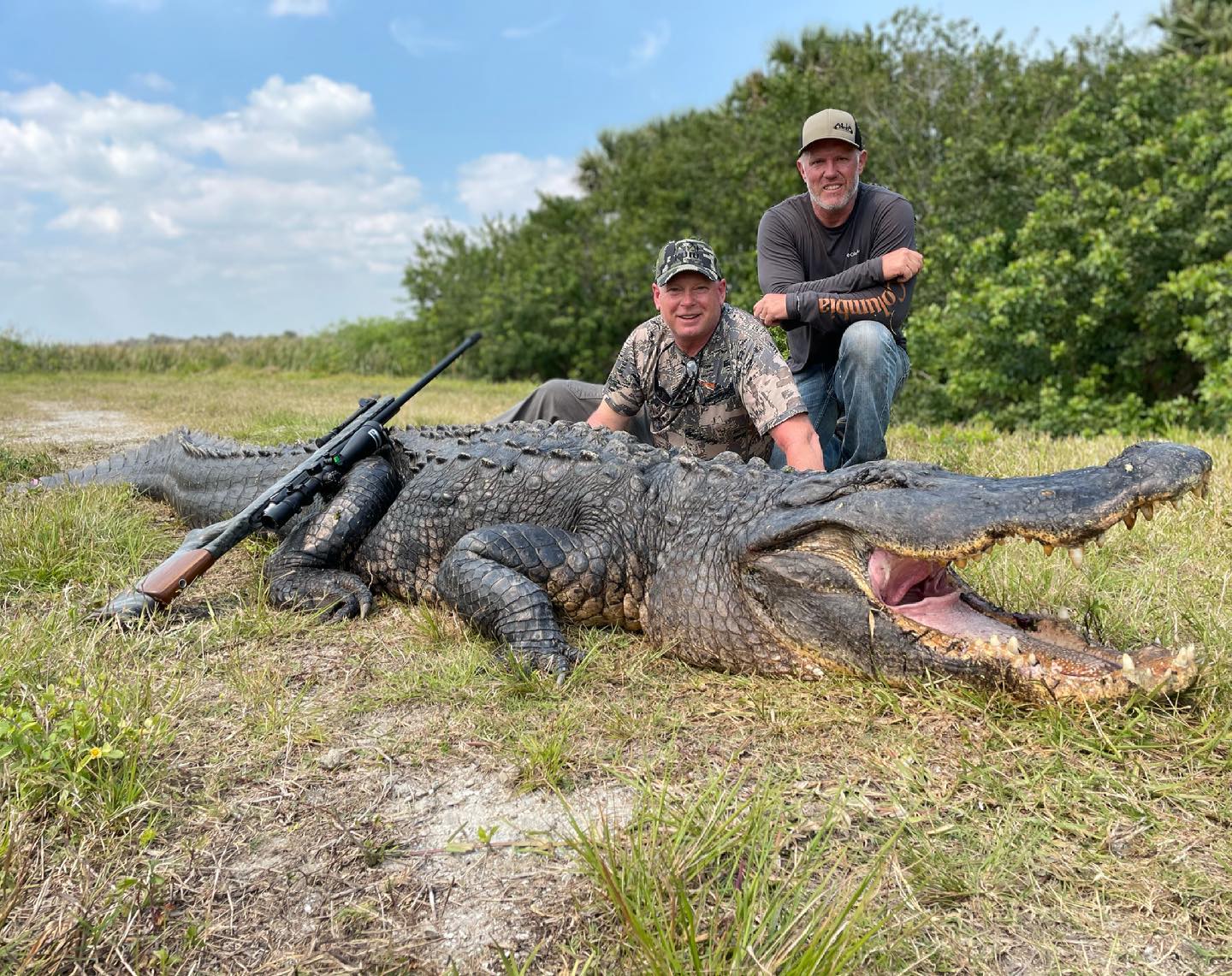
The methods by which alligators can be legally harvested are also strictly defined. Hunters are typically permitted to use methods such as snatch hooks, harpoons, or crossbows, with specific limitations on the size and type of equipment. The process is designed to be as humane as possible while ensuring effective harvesting. Furthermore, harvested alligators must be legally tagged, and their hides and meat must be processed by licensed facilities. This ensures traceability and compliance with all regulations.
The purpose of this regulated harvest is multifaceted. It helps to manage localized populations that might become problematic, provides a source of income for licensed trappers and hunters through the sale of hides and meat, and contributes to the overall management of the species. However, it is essential to reiterate that this is a professional and regulated activity, not a recreational one accessible to the general public. Anyone contemplating interacting with an alligator should do so with the utmost respect for the law and the animal’s welfare.
Responsible Alligator Viewing and Interactions

For most visitors to Florida, the primary way to experience alligators is through responsible observation. The state offers numerous opportunities to see these reptiles in their natural environments without posing a threat to them or putting oneself in danger. Understanding how to view alligators safely and ethically is a crucial part of any Florida travel itinerary.
Prime Locations for Alligator Sightings
Florida is teeming with areas where alligators are commonly found. National and state parks, wildlife refuges, and even many public waterways provide excellent opportunities for viewing.
- Everglades National Park: This iconic wetland ecosystem is a prime location for alligator sightings. Boat tours, such as those offered by the Anhinga Trail, often provide close-up views of alligators basking on the banks or swimming in the water.
- Lake Kissimmee State Park: Known for its abundant wildlife, this park offers numerous opportunities to spot alligators in its various lakes and marshes.
- Paynes Prairie Preserve State Park: This vast savanna offers a unique landscape where alligators can be seen in the wild, often alongside bison and wild horses.
- Local Waterways and Canals: Many smaller lakes, rivers, and even drainage canals throughout Florida are home to alligators. It is common to see them while kayaking, canoeing, or simply driving over bridges in more rural areas.
Safety Guidelines for Alligator Encounters
While observing alligators is a highlight of many Florida trips, safety must be the top priority. Alligators are wild animals, and maintaining a safe distance is paramount.
- Never Feed Alligators: This is the most critical rule. Feeding alligators habituates them to humans and can lead to aggressive behavior. It is also illegal and can result in severe penalties. Feeding an alligator can make it more likely to approach people, increasing the risk of dangerous encounters.
- Maintain a Safe Distance: The general guideline is to stay at least 60 feet (18 meters) away from any alligator. If an alligator hisses, it is a sign of agitation, and you are too close.
- Do Not Approach or Harass: Never try to touch, corner, or provoke an alligator. This is not only dangerous for you but also stressful and harmful to the animal.
- Supervise Children and Pets: Always keep a close eye on children and pets when in areas where alligators may be present. Pets can be mistaken for prey, and children may not recognize the danger.
- Be Cautious Near Water: Be aware of your surroundings, especially when near the water’s edge. Alligators are excellent swimmers and can move surprisingly quickly on land for short distances.
- Respect “No Swimming” Signs: Areas posted with “no swimming” or “alligator danger” signs should be avoided for any water activities.
By adhering to these safety guidelines, visitors can enjoy the thrill of seeing alligators in their natural habitat while ensuring their own safety and the well-being of these fascinating creatures. The goal is to observe and appreciate, not to interfere.
The Role of Alligators in Florida’s Ecosystem and Tourism
The American alligator is more than just a roadside attraction; it plays a vital role in the ecological health of Florida’s diverse wetland environments. Its presence and management are intrinsically linked to the state’s identity as a premier destination for nature enthusiasts and wildlife admirers.
Ecological Significance
Alligators are often referred to as “ecosystem engineers.” Their activities, such as digging “gator holes” – deep pools in marshes that retain water during dry seasons – provide essential refuge for fish, amphibians, and other aquatic organisms. These gator holes also serve as vital water sources for a variety of wildlife during droughts, thus maintaining biodiversity. Furthermore, alligators are apex predators, helping to regulate populations of their prey, which contributes to the overall health and balance of the food web. The health of the alligator population is a direct indicator of the health of the wetlands they inhabit.
Alligators as a Tourist Attraction
The presence of alligators is a significant draw for tourism in Florida. Many visitors come specifically hoping to catch a glimpse of these ancient reptiles. This fascination fuels a robust ecotourism industry, with numerous companies offering guided tours, airboat rides, and wildlife photography expeditions focused on alligator viewing.
- Educational Tours: Many tours are led by knowledgeable guides who provide insights into alligator behavior, ecology, and conservation efforts. These experiences offer an educational component that enriches the visitor’s understanding and appreciation of the species.
- Wildlife Parks and Sanctuaries: Beyond natural habitats, Florida also features numerous wildlife parks and sanctuaries, such as the Gatorland theme park and wildlife preserve, that provide safe viewing opportunities and educational exhibits about alligators and other native wildlife. These facilities play a role in conservation and public education.
- Economic Impact: The allure of seeing alligators contributes significantly to Florida’s economy, supporting local businesses, tour operators, and park services. This economic incentive further underscores the importance of protecting alligator populations and their habitats.
Ultimately, the question of whether one can “kill an alligator in Florida” reveals a much larger narrative about conservation, legal frameworks, and the shared responsibility of humans and wildlife. The answer is a clear prohibition for the casual observer, balanced by a regulated system for population management and a strong emphasis on responsible viewing as a cornerstone of ecotourism. The majestic presence of the American alligator is a treasure to be protected and admired, an integral part of the wild beauty that draws so many to the Sunshine State.
LifeOutOfTheBox is a participant in the Amazon Services LLC Associates Program, an affiliate advertising program designed to provide a means for sites to earn advertising fees by advertising and linking to Amazon.com. Amazon, the Amazon logo, AmazonSupply, and the AmazonSupply logo are trademarks of Amazon.com, Inc. or its affiliates. As an Amazon Associate we earn affiliate commissions from qualifying purchases.