
The question “What zone is Fort Myers, Florida?” can be interpreted in several meaningful ways, each offering a unique lens through which to understand this vibrant Southwest Florida city. While not referring to a strictly defined geographical or political “zone,” its classification within broader contexts—such as climate zones, economic zones, and tourism zones—provides valuable insights for residents, visitors, and investors alike. This exploration delves into these various “zones” that define Fort Myers, offering a comprehensive understanding of its place in the world.
Climate and Hardiness Zones: A Tropical Embrace
Understanding the climate zone of Fort Myers is crucial for anyone considering agriculture, gardening, or simply planning for the weather. Fort Myers experiences a tropical monsoon climate, characterized by hot, humid summers and mild, drier winters.

USDA Plant Hardiness Zones
The most practical “zone” classification for plant enthusiasts and gardeners is the USDA Plant Hardiness Zone. Fort Myers falls predominantly within USDA Plant Hardiness Zone 10a. This classification signifies that the average annual minimum winter temperature ranges between 30°F and 35°F (-1°C to 2°C).
Implications for Gardening and Agriculture
Zone 10a allows for an exceptionally long growing season and the cultivation of a wide array of tropical and subtropical plants. This includes:
- Fruits: Citrus varieties like oranges, grapefruits, and limes thrive here. Mangoes, avocados, and papayas are also successfully grown.
- Vegetables: Many warm-season vegetables can be grown year-round, with certain cool-season crops possible during the milder winter months.
- Ornamentals: Lush tropical flowers and foliage plants, such as hibiscus, bougainvillea, orchids, and palms, flourish, contributing to the city’s picturesque landscapes.
This classification makes Fort Myers an attractive location for those interested in permaculture, exotic fruit cultivation, or simply creating a vibrant home garden that can produce edibles and beauty throughout much of the year. The absence of hard freezes means that many plants that would require overwintering indoors in colder climates can remain outdoors.
Köppen Climate Classification
From a broader meteorological perspective, Fort Myers fits into the Köppen climate classification as an Am climate, or Tropical Monsoon climate. This designation highlights the distinct wet and dry seasons.
- Wet Season (Summer): Typically from June through September, this period is marked by frequent, heavy afternoon thunderstorms, high humidity, and average temperatures in the high 80s to low 90s Fahrenheit (around 31-33°C). These rains are vital for the region’s ecosystem and agriculture.
- Dry Season (Winter): From November through April, the weather is generally sunny, with lower humidity and pleasant temperatures, averaging in the 70s Fahrenheit (around 21-25°C). This makes it a prime season for tourism and outdoor activities.
Understanding these climatic zones directly influences how one experiences Fort Myers, from packing for a vacation to planning outdoor events or establishing a landscape.
Economic and Development Zones: A Hub of Growth
While not formally designated as “economic zones” in the same way as enterprise zones in other regions, Fort Myers functions as a significant economic hub within Southwest Florida, fostering growth and development across various sectors. Its strategic location and burgeoning population have made it a magnet for businesses and industries.
Commercial and Industrial Hub
Fort Myers boasts a diverse economic base, with key sectors including:
- Healthcare: A major employer, with significant hospital systems and medical facilities.
- Tourism and Hospitality: Driven by its beautiful beaches, cultural attractions, and mild climate.
- Retail and Services: Catering to a growing resident population and seasonal visitors.
- Construction and Real Estate: Bolstered by consistent population growth and development projects.
- Technology and Innovation: An emerging sector, with a growing number of tech startups and established companies.
Real Estate Development Zones
The city is continuously evolving, with various zones dedicated to different types of development. These range from high-density urban cores with mixed-use developments to suburban residential areas and areas designated for commercial expansion. The proximity to areas like Cape Coral and Naples further integrates Fort Myers into a broader regional economic development landscape. Understanding these development patterns is key for real estate investors and those looking to establish businesses in the area.
Tourism and Recreational Zones: Sunshine and Serenity
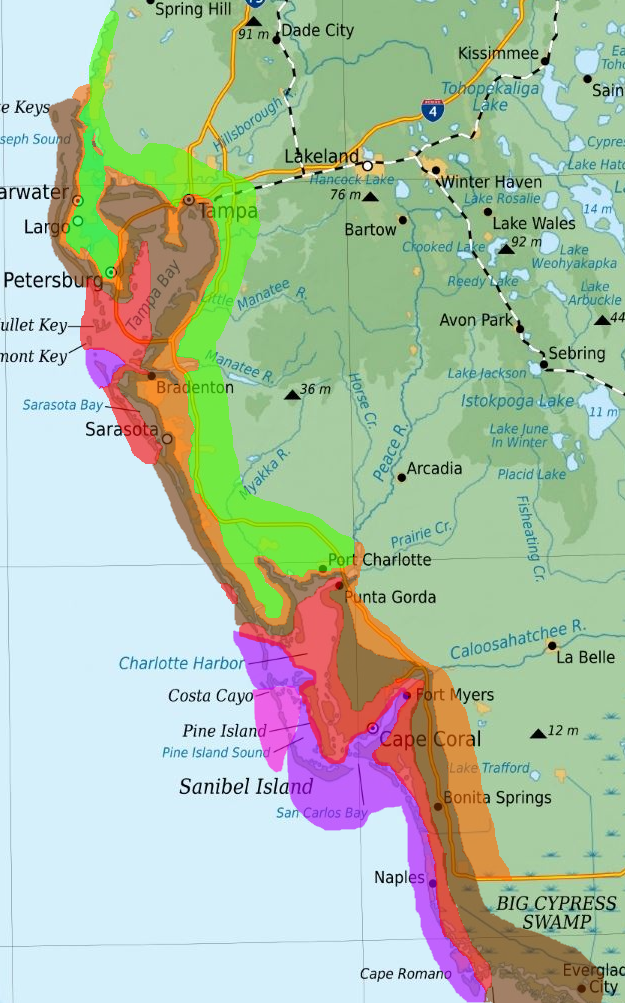
Fort Myers is undeniably a prime destination within Florida’s extensive tourism landscape, often categorized into distinct zones based on its attractions and activities. These zones cater to diverse visitor interests, from beach lovers and nature enthusiasts to history buffs and families.
Beach and Coastal Zones
The most prominent tourism zone in Fort Myers is its connection to the Gulf Coast. While Fort Myers itself is on the Caloosahatchee River, it offers direct access to stunning barrier islands and beaches.
- Fort Myers Beach: A world-renowned destination known for its powdery white sands, calm waters, and vibrant atmosphere. It offers a lively boardwalk, water sports, and numerous beachfront restaurants and accommodations.
- Sanibel Island and Captiva Island: A short drive from mainland Fort Myers, these islands are famous for their shelling opportunities, pristine natural beauty, and quieter, more relaxed ambiance. They are part of the J.N. “Ding” Darling National Wildlife Refuge, a haven for birdwatching and eco-tourism.
Cultural and Historic Zones
Beyond its beaches, Fort Myers possesses rich cultural and historical zones that draw visitors seeking a deeper connection with the area’s past and present.
- Downtown Fort Myers River District: This historic area along the Caloosahatchee River is a hub of activity. It features:
- Edison and Ford Winter Estates: The former winter homes of Thomas Edison and Henry Ford, now a museum and botanical garden, offering a fascinating glimpse into the lives of these industrial giants.
- Historic Buildings: Charming architecture, art galleries, boutiques, and a variety of restaurants and bars.
- The Fort Myers Riverfront: Offering scenic views and opportunities for boat tours and fishing.
- Art and Performance Venues: The city supports a thriving arts scene with venues like the Barbara B. Mann Performing Arts Hall, hosting Broadway shows, concerts, and other cultural events.
Nature and Wildlife Zones
The unique ecosystem of Southwest Florida creates distinct zones for nature lovers and adventurers.
- Estero Bay Aquatic Preserve: South of Fort Myers, this preserve offers kayaking, paddleboarding, and wildlife viewing opportunities in its mangrove-rich waters.
- State Parks and Preserves: Numerous other parks and preserves in the surrounding areas provide hiking, birdwatching, and fishing, showcasing the diverse flora and fauna of the region.
Residential and Lifestyle Zones: Diverse Living Environments
The “zone” of Fort Myers also extends to its residential character and the lifestyle it offers. The city presents a spectrum of living environments, from established neighborhoods to newer master-planned communities and active adult enclaves.
Established Neighborhoods
Areas closer to the historic downtown and the riverfront often feature older, charming homes with mature trees, reflecting the city’s long history. These neighborhoods offer a sense of established community and proximity to urban amenities.
Suburban and Master-Planned Communities
As Fort Myers has grown, large master-planned communities have emerged, particularly in the western and southern parts of the city. These often provide a range of amenities such as:
- Community Pools and Clubhouses:
- Fitness Centers:
- Parks and Playgrounds:
- Golf Courses:
- Gated Security:
These communities cater to families and individuals seeking a more amenity-rich and often managed living environment.
Waterfront Living
Given its access to the Caloosahatchee River and proximity to the Gulf, waterfront living is a significant lifestyle “zone” in Fort Myers. From riverfront condominiums to homes with private docks on canals leading to the Gulf, this aspect appeals to boaters and those who cherish waterside tranquility.

Active Adult Communities
Southwest Florida, and Fort Myers in particular, is a popular destination for retirees. Numerous communities are specifically designed for active adults, offering lifestyle amenities and social activities tailored to this demographic.
In essence, Fort Myers doesn’t belong to a single, easily definable “zone.” Instead, it is a dynamic city defined by its warm climate, thriving economy, abundant recreational opportunities, and diverse residential offerings. Whether one is inquiring about its agricultural potential, business climate, or vacation appeal, understanding these multifaceted “zones” provides a comprehensive picture of what makes Fort Myers, Florida, a desirable place to live, work, and visit.
LifeOutOfTheBox is a participant in the Amazon Services LLC Associates Program, an affiliate advertising program designed to provide a means for sites to earn advertising fees by advertising and linking to Amazon.com. Amazon, the Amazon logo, AmazonSupply, and the AmazonSupply logo are trademarks of Amazon.com, Inc. or its affiliates. As an Amazon Associate we earn affiliate commissions from qualifying purchases.