
Navigating the complexities of estate settlement in Florida often brings forth crucial questions about asset distribution. One common inquiry revolves around whether certain assets can bypass the probate process, offering a potentially streamlined and less costly path for beneficiaries. Understanding the nuances of probate in the Sunshine State is paramount for effective estate planning and efficient asset transfer. While probate is a court-supervised process, designed to validate a will, settle debts, and distribute remaining assets, certain mechanisms and asset types are specifically exempted, allowing them to avoid this judicial oversight. This can be a significant advantage, especially for those seeking to preserve their estate’s value and minimize the time it takes for heirs to receive their inheritance.
Understanding Florida Probate
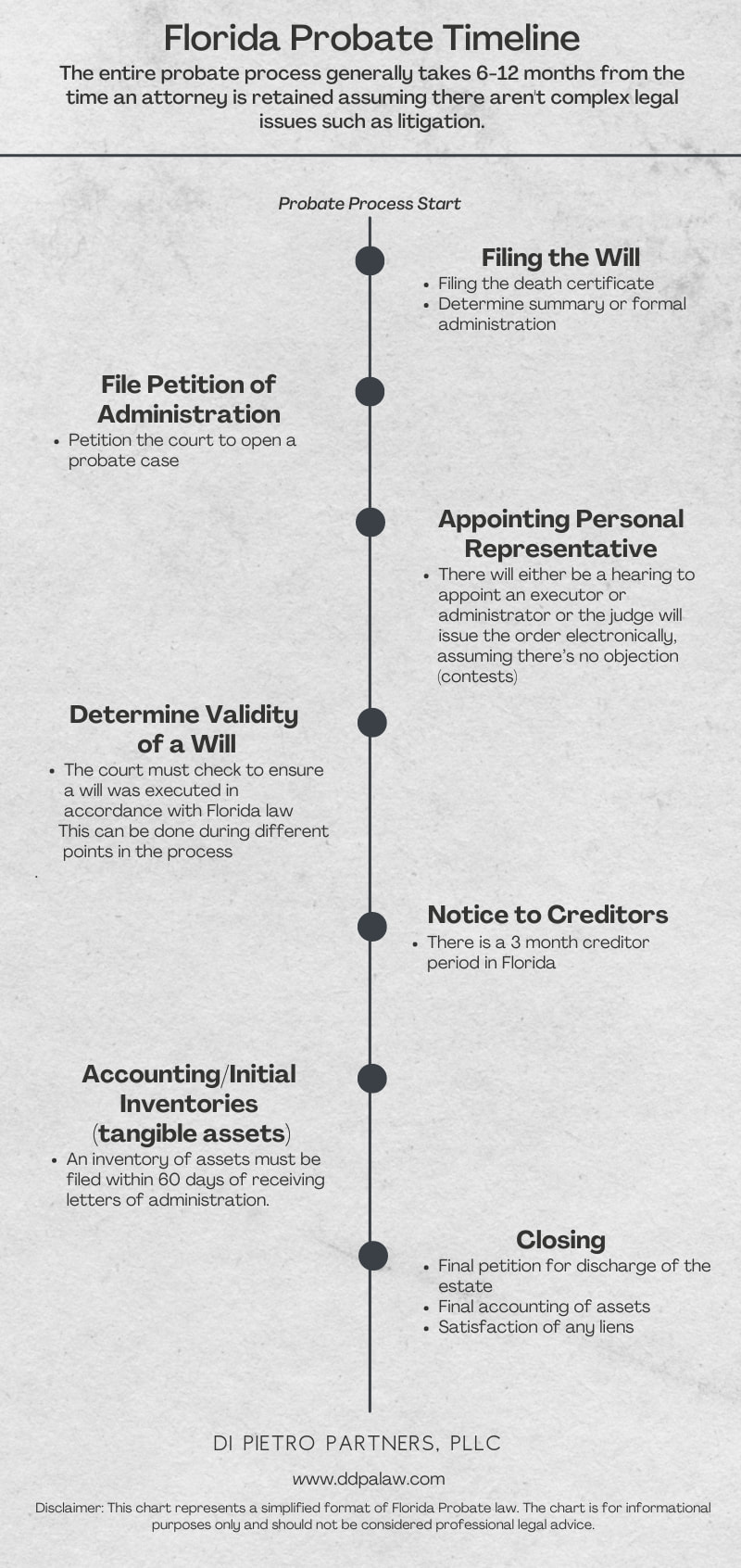
Probate in Florida is generally required for assets held solely in the deceased person’s name at the time of their death. The primary purpose of probate is to ensure that the deceased’s wishes, as outlined in their will, are carried out, or if there is no will, to distribute assets according to Florida intestacy laws. The process involves appointing a personal representative (executor), identifying and valuing estate assets, paying outstanding debts and taxes, and finally, distributing the remaining property to the rightful heirs or beneficiaries.
When is Probate Necessary?
The necessity of probate hinges on how assets are titled and the presence of beneficiary designations. If an individual dies owning assets solely in their name without any provisions for automatic transfer upon death, these assets will likely go through probate. This can include:
- Solely Owned Real Estate: Property titled only in the deceased’s name.
- Bank Accounts: Accounts held solely by the deceased, without a payable-on-death (POD) or transfer-on-death (TOD) designation.
- Investment Accounts: Stocks, bonds, and other securities registered solely in the deceased’s name.
- Personal Property: Vehicles, valuable collections, or other significant personal belongings not otherwise designated.
The probate process in Florida can be time-consuming, often taking several months to over a year to complete, depending on the complexity of the estate and any potential disputes. It also involves court fees, attorney fees, and other administrative costs, which can reduce the net value of the inheritance passed to beneficiaries.
Types of Florida Probate
Florida law offers several forms of probate, each tailored to the size and complexity of the estate:
- Formal Administration: This is the standard probate process for estates exceeding a certain value (currently $75,000 for non-homestead assets) or when significant complexities are involved, such as disputes among heirs or complex business interests. It requires the appointment of a personal representative and typically involves an attorney.
- Ancillary Administration: This process is used when a non-resident of Florida dies owning real property or tangible personal property located within the state. It allows for the administration of those specific assets in Florida.
- Summary Administration: This streamlined process is available for smaller estates. It can be initiated if the deceased has been dead for more than two years, or if the value of the probate estate subject to administration does not exceed $75,000 (excluding exempt homestead property). Summary administration significantly reduces the time and cost associated with probate.
- Disposition Without Administration: This is the simplest form, reserved for situations where the deceased had no assets subject to administration, or where the only assets are exempt property (like homestead) and non-probate assets. This process allows for the payment of funeral expenses and the distribution of the remaining meager assets directly to the surviving spouse or lineal descendants.
Assets That Can Bypass Probate in Florida
Fortunately, Florida law recognizes several categories of assets that can pass directly to beneficiaries without the need for probate. These non-probate assets are governed by specific beneficiary designations or titling mechanisms that dictate their transfer upon the owner’s death.
Beneficiary Designations
One of the most common ways to avoid probate is through beneficiary designations. This is a feature on many types of accounts and assets that allows the owner to name one or more individuals who will inherit the asset directly upon their death, irrespective of their will.
- Life Insurance Policies: Proceeds from life insurance policies are paid directly to the named beneficiaries. It is crucial to keep beneficiary information up-to-date.
- Retirement Accounts: 401(k)s, IRAs, and other retirement plans typically allow for the designation of beneficiaries. These assets pass outside of probate.
- Annuities: Similar to life insurance, annuities often have named beneficiaries who receive the death benefit directly.
- Payable-On-Death (POD) Bank Accounts: These are bank accounts where the owner designates a beneficiary to receive the funds upon their death. The funds are accessible by the beneficiary directly from the bank, bypassing probate.
- Transfer-On-Death (TOD) Investment Accounts: This works similarly to POD accounts but applies to brokerage accounts. The named beneficiary inherits the securities directly.
It is vital to review these designations periodically, especially after major life events such as marriage, divorce, or the birth of children, to ensure they still reflect the owner’s intentions.
Joint Ownership with Right of Survivorship (JTWROS)
Another significant probate avoidance tool is joint ownership with the right of survivorship. When assets are held in this manner, typically real estate or bank accounts, the surviving joint owner automatically inherits the deceased owner’s share upon their death. The asset does not become part of the deceased’s probate estate.
- Joint Tenancy with Right of Survivorship (JTWROS): This form of ownership is common for bank accounts, brokerage accounts, and real property. When one joint tenant dies, their interest passes directly to the surviving joint tenant(s).
- Tenancy by the Entirety: This is a special form of joint ownership available only to married couples in Florida. It offers stronger creditor protection and automatically passes the property to the surviving spouse upon death, avoiding probate.
While JTWROS can be an effective probate avoidance strategy, it’s important to consider the implications. For instance, adding a child as a joint owner to a home to avoid probate could expose the asset to that child’s creditors or lead to unintended tax consequences.
Trusts
Revocable living trusts are powerful estate planning tools that can effectively remove assets from the probate process. Assets properly transferred into a trust during the grantor’s lifetime are owned by the trust, not the individual. Upon the grantor’s death, the trustee distributes the trust assets according to the trust’s terms, without court intervention.
- Revocable Living Trusts: These trusts are established during the grantor’s lifetime and can be amended or revoked. Assets placed in the trust are managed by a trustee for the benefit of the grantor and then distributed to beneficiaries upon the grantor’s death, entirely bypassing probate.
- Irrevocable Trusts: While typically used for tax planning and asset protection, irrevocable trusts also hold assets outside of the probate estate.
Establishing and funding a trust requires careful planning and execution. Ensuring that assets are properly titled in the name of the trust is crucial for them to avoid probate.
Homestead Property
Florida law provides significant protections for homestead property, which can pass to heirs outside of probate under certain conditions. Homestead property refers to the principal residence of a person and a certain amount of surrounding land, owned by the head of a family or an individual.
- Devise to Spouse or Children: If the deceased is survived by a spouse and/or lineal descendants, the homestead property can be devised (inherited) directly to them, often bypassing probate. There are specific rules regarding who can inherit homestead property and in what proportions, depending on whether the deceased is survived by a spouse, children, or both. If the homestead is devised to someone other than the surviving spouse or lineal descendants, the surviving spouse, if any, receives a life estate in the property, and the lineal descendants receive the remainder interest.
Careful planning is needed to ensure the intended beneficiaries receive the homestead property as desired, as Florida homestead laws are quite specific.
Planning to Avoid Probate in Florida
Proactive estate planning is the key to ensuring your assets are distributed efficiently and according to your wishes. By understanding which assets are subject to probate and which are not, you can strategically structure your estate to minimize or eliminate the need for this lengthy court process.
Key Strategies for Probate Avoidance
Several strategies can be employed to avoid probate in Florida:
- Establish a Revocable Living Trust: This is one of the most comprehensive probate avoidance tools. Ensure all significant assets are titled in the name of the trust.
- Utilize Beneficiary Designations: Review and update beneficiary designations on all life insurance policies, retirement accounts, and annuities. Consider POD/TOD designations for bank and investment accounts.
- Hold Assets in Joint Tenancy with Right of Survivorship: For certain assets, particularly real estate owned by married couples, JTWROS can be an effective method.
- Consider Payable-On-Death (POD) and Transfer-On-Death (TOD) Designations: These are simple and effective ways to pass bank and investment accounts directly to beneficiaries.
- Plan for Homestead Property: Understand Florida’s homestead laws and ensure your will or trust aligns with these provisions if you intend to pass your homestead to specific heirs.

The Role of an Estate Planning Attorney
While some probate avoidance strategies are straightforward, others can have significant legal and financial implications. Consulting with an experienced Florida estate planning attorney is highly recommended. An attorney can:
- Assess your current assets and liabilities.
- Explain the pros and cons of various probate avoidance techniques.
- Help you draft and execute legal documents, such as wills, trusts, and powers of attorney.
- Ensure that beneficiary designations and titling of assets are correctly aligned with your estate plan.
- Advise on potential tax implications.
By working with a legal professional, you can create a robust estate plan that not only avoids probate but also ensures your assets are protected and distributed precisely as you envision, providing peace of mind for yourself and your loved ones.
LifeOutOfTheBox is a participant in the Amazon Services LLC Associates Program, an affiliate advertising program designed to provide a means for sites to earn advertising fees by advertising and linking to Amazon.com. Amazon, the Amazon logo, AmazonSupply, and the AmazonSupply logo are trademarks of Amazon.com, Inc. or its affiliates. As an Amazon Associate we earn affiliate commissions from qualifying purchases.