
The landscape of minimum wage in the United States is a perennial topic of discussion, influencing everything from consumer spending power to the operational costs for businesses. For those planning a visit to or considering employment in the Lone Star State, understanding the projected minimum wage for 2025 in Texas is crucial. While Texas does not have a state minimum wage that exceeds the federal minimum, the interplay between federal mandates, local ordinances, and economic conditions shapes the wage floor for many Texans.
The Federal Minimum Wage as the Texas Floor
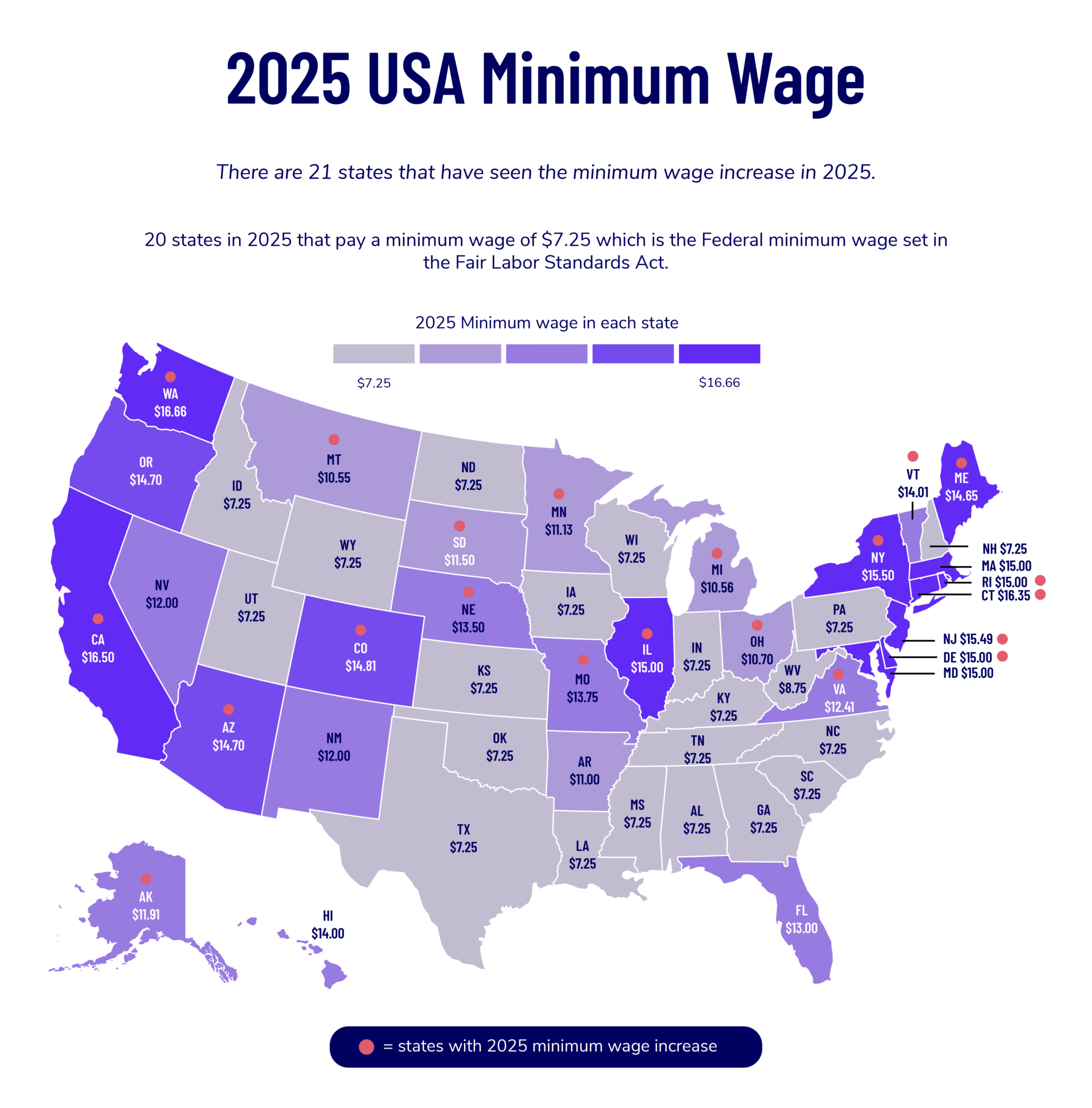
In the absence of a state-specific minimum wage higher than the federal standard, Texas employers are generally bound by the federal minimum wage. As of the last update and barring any legislative changes, this rate has remained at $7.25 per hour. This figure has been the national benchmark since 2009. Consequently, for the vast majority of workers in Texas, the minimum hourly wage they are legally entitled to receive is $7.25.

Implications for Workers
For individuals working in Texas at the minimum wage, this rate directly impacts their disposable income and overall standard of living. In regions with a high cost of living, such as parts of Dallas or Austin, earning $7.25 per hour can present significant financial challenges. This wage level is often insufficient to cover basic necessities without supplementary income, multiple jobs, or substantial financial assistance.
Implications for Employers
For businesses operating in Texas, the minimum wage sets a baseline for labor costs. For industries that rely heavily on entry-level positions or service roles, such as hospitality in tourist destinations like San Antonio or those supporting the oil and gas sector in Houston, adhering to the minimum wage is a fundamental compliance requirement. Fluctuations in the economy, labor market demand, and the increasing cost of goods can create pressure points for businesses whose profit margins are tight, potentially leading to adjustments in staffing or operational strategies.
The Absence of a State-Specific Minimum Wage Law
Unlike many other states in the United States, Texas has not enacted its own minimum wage law that establishes a rate higher than the federal standard. This legislative choice means that the federal $7.25 per hour generally prevails. There have been discussions and proposals at the state level over the years to increase the minimum wage, but none have successfully passed into law. This creates a uniform minimum wage requirement across all sectors and regions within the state, regardless of local economic conditions or the cost of living in specific cities or counties.
Federal Preemption and State Authority
The relationship between federal and state labor laws is complex. The Fair Labor Standards Act (FLSA) sets the federal minimum wage. States are generally permitted to set their own minimum wage at a level higher than the federal rate. However, if a state chooses not to establish a higher rate, or if its established rate is lower than the federal minimum, then employers must pay at least the federal minimum wage. Texas has opted for this latter scenario, where federal law effectively dictates the minimum wage for most employees.
Potential for Local Ordinances
While state law in Texas does not mandate a higher minimum wage, there is a theoretical, though largely unexercised, possibility for local governments to enact their own minimum wage ordinances. However, such actions have historically faced legal challenges and are not a common practice in Texas. Therefore, for all practical purposes in 2025 and in the foreseeable future, the federal minimum wage of $7.25 per hour is expected to remain the operative minimum wage across the state.
Factors Influencing Wage Discussions in Texas
Despite the static nature of the minimum wage in Texas, conversations around wage levels are ongoing, driven by several factors. These include the cost of living, economic growth, the prevalence of certain industries, and broader national trends in labor economics.
Cost of Living Variations
Texas is a geographically diverse state with significant variations in the cost of living. Major metropolitan areas like Austin, Dallas, and Houston often have higher housing costs, transportation expenses, and general living expenditures compared to smaller towns or rural areas. This disparity means that the $7.25 per hour minimum wage has a considerably different impact depending on where an individual resides and works. In high-cost areas, the inadequacy of the minimum wage to support a basic standard of living becomes particularly acute.
Industry-Specific Wages
Certain industries in Texas may naturally offer wages above the minimum due to labor market demand or the skills required. The booming technology sector, the robust energy industry, and growing healthcare fields often provide compensation packages that far exceed the federal minimum. However, sectors like hospitality, retail, and food service, which are significant employers of minimum wage workers, continue to operate under the $7.25 per hour benchmark. These sectors are also highly visible in tourist destinations like Galveston or Corpus Christi, where a substantial portion of the workforce may be affected by the minimum wage.
Tipped Employees
A critical distinction in wage laws concerns tipped employees. In Texas, as under federal law, employers of tipped employees can pay a lower direct wage, provided that the tips earned, when added to the direct wage, reach at least the standard minimum wage. The “tip credit” allows employers to pay a direct cash wage as low as $2.13 per hour, with the expectation that tips will make up the difference to reach $7.25 per hour. This provision is particularly relevant in the restaurant and service industries, common in tourist hubs like San Antonio and Austin. Concerns are often raised about the stability and sufficiency of income for tipped workers, as it relies heavily on customer generosity and business volume.
Projections and Future Outlook for Texas Minimum Wage in 2025
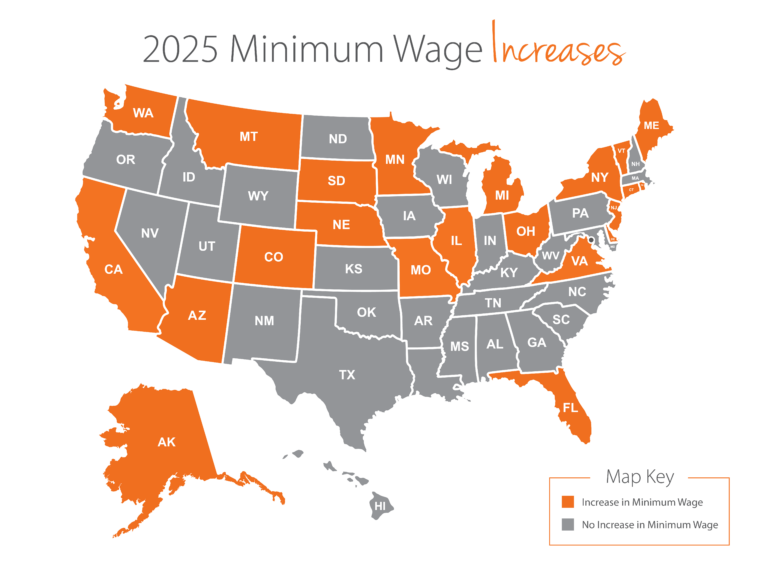
Given the current legislative environment, the projection for the Texas minimum wage in 2025 remains tied to the federal rate. Barring any significant federal legislative action to raise the minimum wage before 2025, the $7.25 per hour rate is expected to continue.
Federal Legislative Possibilities
The possibility of an increase in the federal minimum wage is a subject of ongoing debate in the United States Congress. Proposed legislation, such as the Raise the Wage Act, has aimed to significantly increase the federal minimum wage over several years. If such legislation were to pass and be enacted before 2025, it would automatically raise the minimum wage in Texas to the new federal level. However, the political hurdles for such broad federal action are substantial.
Economic Considerations and Advocacy
Advocacy groups and labor organizations in Texas and nationally continue to push for higher minimum wages, citing the need to address income inequality and ensure a living wage for all workers. They often highlight the rising costs of essential goods and services, arguing that the current federal minimum wage has not kept pace with inflation or productivity growth. Economic analyses on the potential impacts of minimum wage increases vary, with some projecting job losses and others emphasizing increased consumer spending and reduced poverty. The economic health of Texas, with its diverse economy encompassing sectors from energy to technology, would likely experience a range of effects from any mandated wage adjustments.
State-Level Initiatives
While state-level legislative action to raise the minimum wage has stalled in Texas in the past, renewed efforts could emerge. Public opinion, shifts in political power, or significant economic shifts could all influence the debate. However, given the historical trends, any substantial increase in the minimum wage in Texas in the near term is more likely to stem from federal action than from a state-initiated mandate. For individuals planning travel or work in Texas in 2025, the current understanding is that the minimum wage will remain at the federal level of $7.25 per hour.
Navigating Texas as a Visitor or New Resident
For those planning to visit Texas for tourism, business, or relocation, understanding the wage structure, even if it doesn’t directly impact leisure activities, can provide context for the local economy and cost of living. The affordability of certain services, the availability of entry-level jobs, and the general economic sentiment can all be indirectly influenced by the prevailing minimum wage.
Budgeting for Your Trip
When planning a trip to popular destinations like Houston, Dallas, or the Texas Hill Country, budgeting is key. While minimum wage doesn’t directly dictate the price of attractions like the Alamo or theme parks in Arlington, it can influence the cost of services such as accommodation or dining. For instance, the wages paid to hotel staff at a resort like the JW Marriott San Antonio Hill Country Resort & Spa or restaurant workers in a bustling city center are part of the operational costs that eventually factor into pricing.
Considering Employment Opportunities
For individuals considering employment in Texas, particularly in entry-level positions, it’s important to research specific industries and companies. While the state minimum wage is $7.25 per hour, many employers, especially in competitive labor markets or for roles requiring specific skills, offer wages above this threshold. Researching job boards, understanding industry standards in cities like Austin or Fort Worth, and networking can provide a clearer picture of earning potential beyond the statutory minimum. This is especially relevant for those looking for long-term stays or considering establishing residency.
Resources for Information
For the most accurate and up-to-date information regarding labor laws and wages in Texas, it is always advisable to consult official sources. The U.S. Department of Labor website provides comprehensive details on federal labor standards, and Texas state government resources may offer additional insights into state-specific employment regulations, though the minimum wage itself is primarily governed by federal law in this instance. Understanding these parameters is fundamental for anyone engaging with the Texas economy.
LifeOutOfTheBox is a participant in the Amazon Services LLC Associates Program, an affiliate advertising program designed to provide a means for sites to earn advertising fees by advertising and linking to Amazon.com. Amazon, the Amazon logo, AmazonSupply, and the AmazonSupply logo are trademarks of Amazon.com, Inc. or its affiliates. As an Amazon Associate we earn affiliate commissions from qualifying purchases.