
Florida, often envisioned as a sun-drenched paradise of beaches, theme parks, and vibrant citrus groves, might not be the first place that springs to mind when considering the habitats of North American bears. Yet, for those curious about the state’s diverse wildlife and natural landscapes, the question of whether bears inhabit the Sunshine State is a valid and intriguing one. The answer is a resounding yes, though their presence is primarily concentrated in specific regions and their visibility to the average visitor is often limited. Understanding the bears of Florida is key to appreciating the state’s ecological richness beyond its well-known tourist attractions.

The Florida Black Bear: A Native Resident
The predominant bear species found in Florida is the Florida Black Bear (Ursus americanus floridanus). This subspecies of the American black bear is distinct and uniquely adapted to the diverse ecosystems within the state. Far from being a rare anomaly, the Florida Black Bear is a vital component of the state’s natural heritage, playing a crucial role in seed dispersal and maintaining the health of its forest and wetland environments.
Characteristics and Habitat
Florida Black Bears are medium-sized bears, typically weighing between 150 and 350 pounds, though males can sometimes exceed this. Their coat color ranges from black to dark brown, often with a light brown or cinnamon muzzle. Unlike their more famous cousins, grizzlies, black bears are generally less aggressive and more arboreal, meaning they are adept climbers, utilizing trees for food, shelter, and safety.
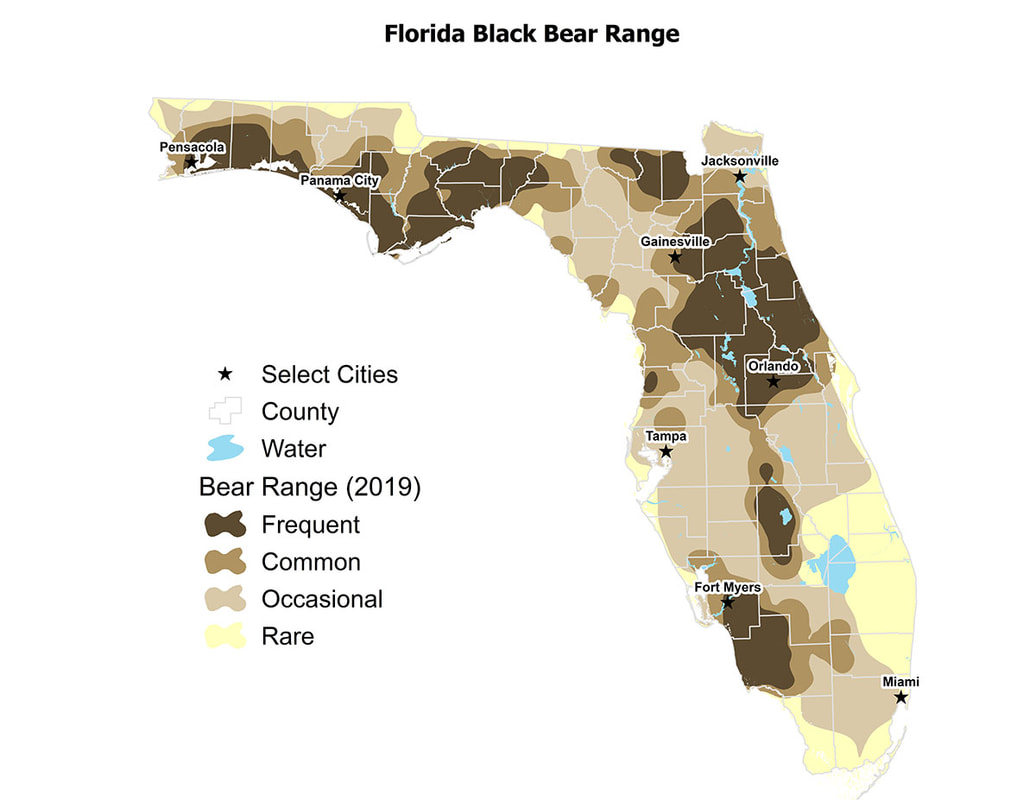
Their habitat preference in Florida is broad, encompassing various environments. They are found in dense woodlands, pine forests, swamps, and even suburban fringes where natural corridors allow them to move between fragmented habitats. Key areas for bear populations include the Florida Panhandle, particularly in the Apalachicola National Forest, the Ocala National Forest in Central Florida, and various wildlife management areas across the state, such as the Big Cypress National Preserve. These areas provide the necessary food sources—berries, nuts, insects, small mammals, and carrion—and the dense cover essential for their survival and reproduction.
Conservation Status and Challenges
While not considered endangered, the Florida Black Bear population has faced significant challenges throughout history. Habitat loss and fragmentation due to human development, such as the expansion of cities and agriculture, have been the primary threats. Road mortality is also a considerable concern, as bears often attempt to cross busy highways, leading to tragic accidents.
Conservation efforts have been underway for decades to protect and manage these bear populations. These initiatives include habitat preservation and restoration, public education campaigns to promote coexistence, and research to better understand bear behavior and population dynamics. The Florida Fish and Wildlife Conservation Commission (FWC) plays a pivotal role in these conservation strategies, working to ensure the long-term viability of the Florida Black Bear.
Encounters and Coexistence with Bears in Florida
While the Florida Black Bear is a native resident, encounters with humans are not as commonplace as one might expect in a state with such a large human population. Most bears actively avoid human settlements, preferring the solitude of their natural habitats. However, as human development encroaches on bear territories, interactions can and do occur, especially in areas bordering forests or wildlife corridors.
Understanding Bear Behavior
It is crucial for residents and visitors in bear country to understand bear behavior to promote safety and prevent negative encounters. Bears are generally curious but also wary creatures. Their primary motivation is to find food. This is why securing attractants, such as garbage, pet food, and bird feeders, is paramount. Bears have an excellent sense of smell and can be drawn to easily accessible food sources.

If an encounter does occur, it is important to remain calm, never approach the bear, and make noise to let it know you are there. Most bears will retreat if given the opportunity. Running away can trigger a chase response, and it is advisable to back away slowly while facing the bear. Carrying bear spray is also recommended for those venturing into known bear habitats, though it is less commonly used in Florida compared to Western states.
Living Alongside Bears
For residents living in or near bear habitats, adopting bear-aware practices is essential for coexistence. This includes:
- Securing trash: Using bear-resistant garbage cans or storing trash securely until pickup.
- Feeding pets indoors: Avoiding leaving pet food outside, especially overnight.
- Removing bird feeders: Or using them sparingly and cleaning up spilled seed.
- Harvesting fruit promptly: And picking up fallen fruit from trees.
- Cleaning grills: After use, as food remnants can attract bears.
- Educating children: About bear safety and what to do if they see a bear.
By taking these simple precautions, residents can significantly reduce the likelihood of attracting bears to their properties and contribute to a harmonious relationship between humans and wildlife.
Exploring Florida’s Wild Side: Where to Potentially See Bears
While bears are not a typical feature of the well-trodden tourist paths of Orlando or Miami, those with an interest in ecotourism and wildlife viewing can find opportunities to observe Florida Black Bears in their natural environments. These experiences require a commitment to responsible tourism and an understanding of the bears’ elusive nature.
Wildlife Management Areas and National Forests
The most likely places to encounter or signs of Florida Black Bears are within the state’s extensive network of wildlife management areas and national forests. These protected lands offer vast tracts of undeveloped habitat where bears thrive.
- Ocala National Forest: Located in Central Florida, this forest is a significant stronghold for the Florida Black Bear. It offers numerous hiking trails, camping opportunities, and designated wilderness areas. While sightings are not guaranteed, the presence of bears is well-documented, and visitors may spot tracks, scat, or evidence of foraging.
- Apalachicola National Forest: Situated in the Florida Panhandle, this is one of the largest national forests east of the Mississippi River and is critical habitat for the Florida Black Bear. Its diverse ecosystems, including pine flatwoods and swamps, provide ample food and shelter.
- Big Cypress National Preserve: While more renowned for its alligators and unique wetland ecosystems, Big Cypress also supports a population of Florida Black Bears. Exploring its trails or taking an airboat tour can offer glimpses into a wilder Florida.
- Osceola National Forest: Another large forest in the northern part of the state, offering significant bear habitat.
Responsible Wildlife Viewing Tips
When seeking out opportunities to see bears or any wildlife in Florida, ethical and responsible practices are paramount:
- Maintain distance: Never approach a bear, regardless of how it appears. Use binoculars or a telephoto lens for closer views.
- Never feed bears: Feeding bears not only habituates them to humans but is also illegal and harmful to their health and natural behaviors.
- Stay on designated trails: This minimizes disturbance to wildlife and their habitats.
- Be quiet and observant: Bears are often more active at dawn and dusk. Moving quietly and patiently increases the chances of observation.
- Leave no trace: Pack out everything you pack in to preserve the natural beauty of these areas.
- Respect wildlife regulations: Familiarize yourself with the rules and guidelines of any park or preserve you visit.
While a guaranteed bear sighting in Florida is unlikely, the knowledge that these magnificent creatures inhabit the state’s wild spaces adds another layer of depth to the exploration of Florida’s natural wonders. It underscores the importance of conservation and the enduring wildness that persists beneath the surface of the Sunshine State’s popular tourist destinations.
LifeOutOfTheBox is a participant in the Amazon Services LLC Associates Program, an affiliate advertising program designed to provide a means for sites to earn advertising fees by advertising and linking to Amazon.com. Amazon, the Amazon logo, AmazonSupply, and the AmazonSupply logo are trademarks of Amazon.com, Inc. or its affiliates. As an Amazon Associate we earn affiliate commissions from qualifying purchases.