
Understanding the current time in California is crucial for anyone planning a visit, coordinating business, or simply staying connected with friends and family on the West Coast. California observes Pacific Standard Time (PST), which is a significant time zone that impacts a vast geographical area. This article will delve into the intricacies of PST, its relationship with other time zones, and how it affects various aspects of travel and daily life in the Golden State.
Understanding Pacific Standard Time (PST)
Pacific Standard Time (PST) is a time zone observed in the westernmost regions of North America. It is UTC-8, meaning it is eight hours behind Coordinated Universal Time (UTC). This is a fundamental piece of information for anyone needing to synchronize schedules across different continents or time zones.

The Mechanics of PST
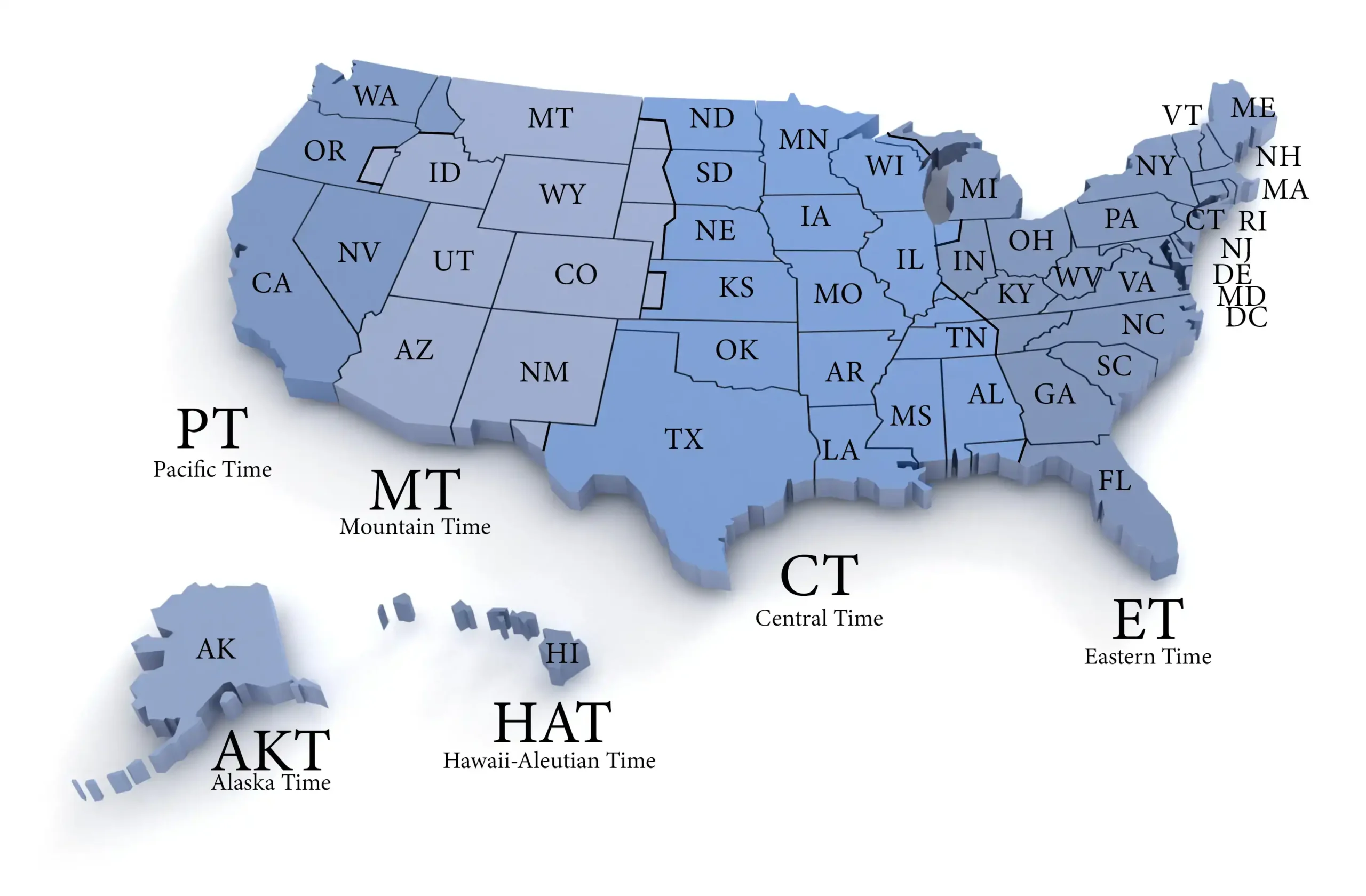
PST is part of a broader system of North American time zones. During the winter months, when daylight saving is not in effect, much of the Pacific coast, including California, Oregon, Washington, and parts of Idaho, Nevada, and Arizona, operates on PST.
Daylight Saving Time in California
It is important to note that California, along with most of the United States, observes Daylight Saving Time (DST). During the spring, summer, and early autumn months, California transitions to Pacific Daylight Time (PDT). PDT is UTC-7, meaning it is seven hours behind UTC. This shift typically occurs on the second Sunday in March and ends on the first Sunday in November. Therefore, when checking the time in California, it is essential to distinguish between PST and PDT.
Navigating Time Zones for Travelers
For travelers, understanding the current time in California is not just about knowing when to set your watch; it influences flight schedules, hotel check-in/check-out times, tour bookings, and even when you can enjoy a sunset over the Pacific Ocean.
Planning Your Arrival and Departure
When booking flights to major California airports such as Los Angeles International Airport (LAX), San Francisco International Airport (SFO), or San Diego International Airport, always confirm the local time zone for arrival. A flight departing at 10 AM PST might land at a time that feels significantly later, especially if you are traveling from the East Coast. This time difference is critical for making onward travel connections or ensuring timely airport pick-ups.
Coordinating Activities and Excursions
California offers a wealth of attractions, from theme parks like Disneyland and Universal Studios Hollywood to natural wonders like Yosemite National Park. Tour operators and activity providers adhere strictly to local time. Knowing the current PST or PDT will help you arrive punctually for your guided tours, wine tastings in Napa Valley, or whale watching excursions from San Diego. Missing a scheduled event due to a time zone miscalculation can lead to disappointment and lost opportunities.
Connecting with Local Businesses and Services
When booking accommodations, making restaurant reservations, or seeking customer support from California-based companies, the time difference is paramount. Many businesses operate within standard business hours, which, in PST, will align with different times of day for those in other parts of the country or world. For instance, a call placed at 9 AM PST is at noon EST, and 6 AM UTC. This understanding ensures you are reaching people when they are available, avoiding frustration.
Impact on Business and Communication
The economic significance of California in the global market, particularly in sectors like technology and entertainment, makes its time zone a critical factor in international business dealings.
Synchronizing with the Tech Hub
Silicon Valley, the world’s leading hub for technological innovation, is situated in California and operates on PST/PDT. This means that significant business decisions, product launches, and global conference calls involving California’s tech giants often need to be scheduled to accommodate this Western time zone. Companies in New York (EST/EDT) have a three-hour difference, while those in London (GMT/BST) have an eight-hour difference (during PST) or a seven-hour difference (during PDT).
Entertainment Industry Schedules
The entertainment industry, heavily concentrated in Southern California, also operates within PST/PDT. Live television broadcasts, movie premieres, and press events are all scheduled according to this time. For example, a live show starting at 8 PM PST is much earlier in the day for viewers on the East Coast.
Practical Tips for Managing Time in California
Staying organized and informed about the time in California can significantly enhance your experience, whether you are a tourist, a business traveler, or simply keeping in touch.
Utilizing Online Time Converters
In today’s interconnected world, there are numerous online tools and apps that provide real-time time zone conversions. A quick search for “current time in California” will yield accurate results, distinguishing between PST and PDT. These tools are invaluable for making precise scheduling decisions.
Setting Alarms and Reminders
When traveling to California from a different time zone, it is advisable to set alarms for key appointments or activities based on the local California time. Many smartphones allow you to set alarms for specific time zones, which can be a helpful feature.
Communicating Time Clearly
When communicating with others about meetings or events in California, always specify the time zone. For instance, instead of saying “Let’s meet at 10 AM,” say “Let’s meet at 10 AM PST” or “10 AM PDT,” to avoid any ambiguity. Adding the UTC offset can further clarify, especially in international contexts.

Considering the “When” for Your California Adventure
The time of day in California also influences the experience of its attractions. Mornings offer cooler temperatures for hiking in Joshua Tree National Park. Midday is perfect for exploring museums in San Francisco or enjoying the beaches of Santa Monica. Evenings bring vibrant nightlife in Los Angeles or tranquil stargazing in desert regions. Being mindful of PST/PDT ensures you can maximize daylight and evening activities, planning your days to coincide with the optimal times for your desired experiences.
In conclusion, while the question “What time is it in California PST?” might seem simple, its answer is intertwined with travel planning, business operations, and effective communication. Understanding PST and its counterpart, PDT, is a key to unlocking seamless experiences across the diverse landscapes and vibrant cities of the Golden State.
LifeOutOfTheBox is a participant in the Amazon Services LLC Associates Program, an affiliate advertising program designed to provide a means for sites to earn advertising fees by advertising and linking to Amazon.com. Amazon, the Amazon logo, AmazonSupply, and the AmazonSupply logo are trademarks of Amazon.com, Inc. or its affiliates. As an Amazon Associate we earn affiliate commissions from qualifying purchases.