
The Golden State, a land of sun-drenched beaches, towering redwoods, and iconic cities, conjures images of opportunity and boundless horizons. But have you ever paused to consider the very name that defines this vast and diverse American state? “California” – it’s a name rich with historical currents, a linguistic tapestry woven from myth, legend, and seafaring tales. Its meaning is not straightforward but rather a fascinating journey into the imagination of explorers and the literary world of medieval romance.
The Mythical Origins: A Queen’s Island Paradise
The most widely accepted theory for the origin of the name “California” points to a fictional island described in a popular 16th-century Spanish romance novel titled Las Sergas de Esplandián (The Adventures of Esplandián). This chivalric tale, a sequel to the even more famous Amadís de Gaula, was penned by Garci Rodríguez de Montalvo. In this fantastical narrative, Montalvo describes a mythical island located “on the right hand of the Indies… very close to the side of the Terrestrial Paradise.”
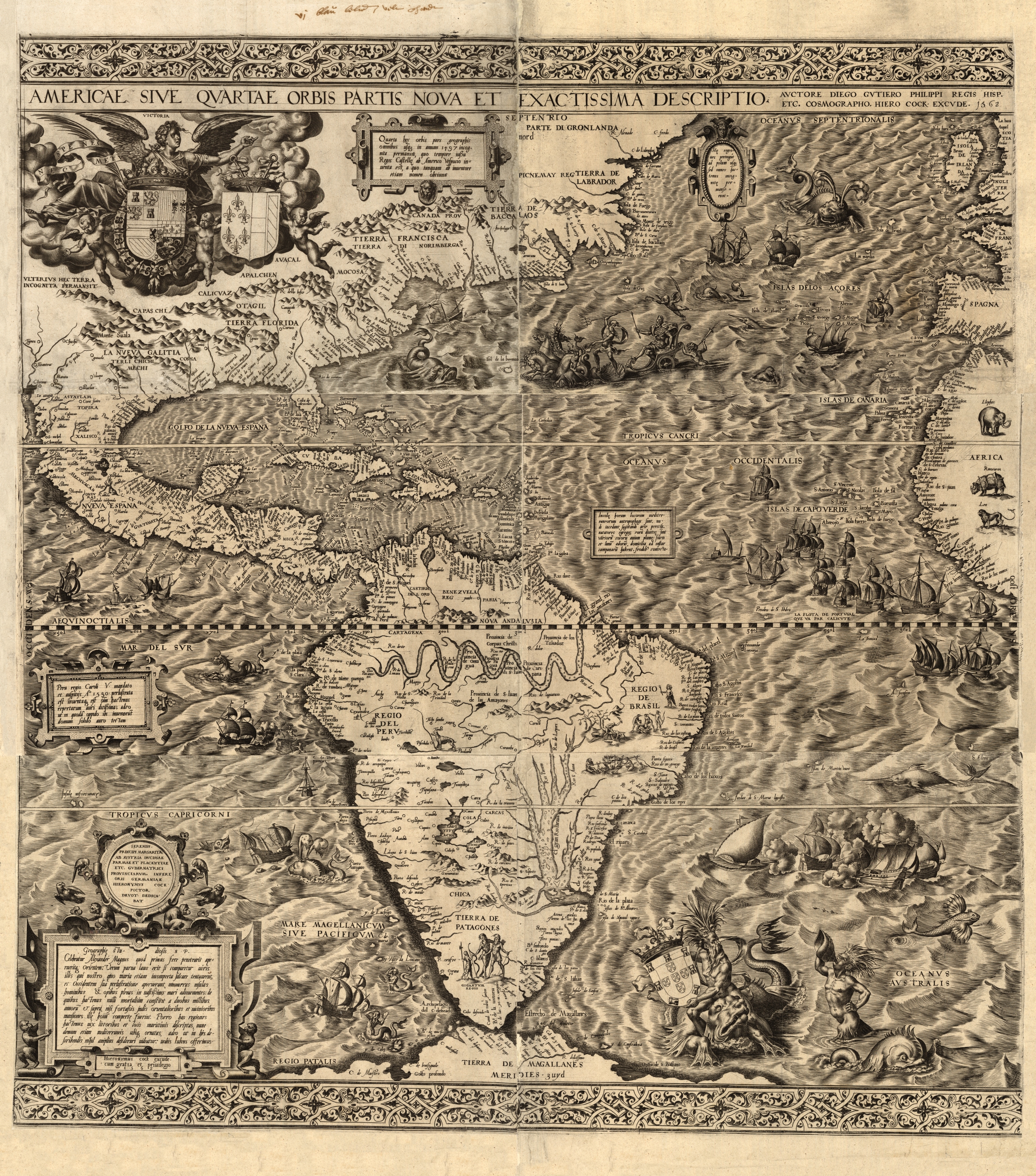
This island, christened “California,” was depicted as an earthly Eden, a land of untold riches and unparalleled beauty. It was said to be inhabited exclusively by black women, ruled by the formidable Queen Calafia. These warrior women were skilled in archery and wielded weapons forged from gold. The island itself was a treasure trove, abundant with gold and precious stones. The very name “California” is believed to be derived from a combination of the Greek words “caly” (meaning beautiful) and “phra” (meaning honey), suggesting a land of “beautiful honey” or a similarly alluring and bountiful place. Another interpretation links it to “kalos” (beautiful) and “lithos” (stone), hinting at a land of precious gems.
The allure of this fictional paradise was so potent that it captured the imagination of Spanish explorers and conquistadors who ventured into the New World. As these explorers navigated the uncharted waters of the Pacific coast, they encountered a land that, in its own wild and untamed splendor, seemed to echo the descriptions from Montalvo’s novel.
Queen Calafia and Her Golden Realm
Queen Calafia, the sovereign of this mythical island, was a figure of immense power and mystery. Her kingdom was a matriarchal society, where strength and martial prowess were paramount. The island’s wealth was not merely in its natural resources but also in its unique inhabitants, who were said to be skilled in taming griffins, monstrous beasts with the bodies of lions and the heads and wings of eagles. These griffins were reportedly abundant on the island, adding to its exotic and dangerous allure. The narrative of Las Sergas de Esplandián painted a vivid picture of California as a place of exotic wonders, a stark contrast to the known world, and this imagery undoubtedly resonated with the adventurers seeking new lands and fame.
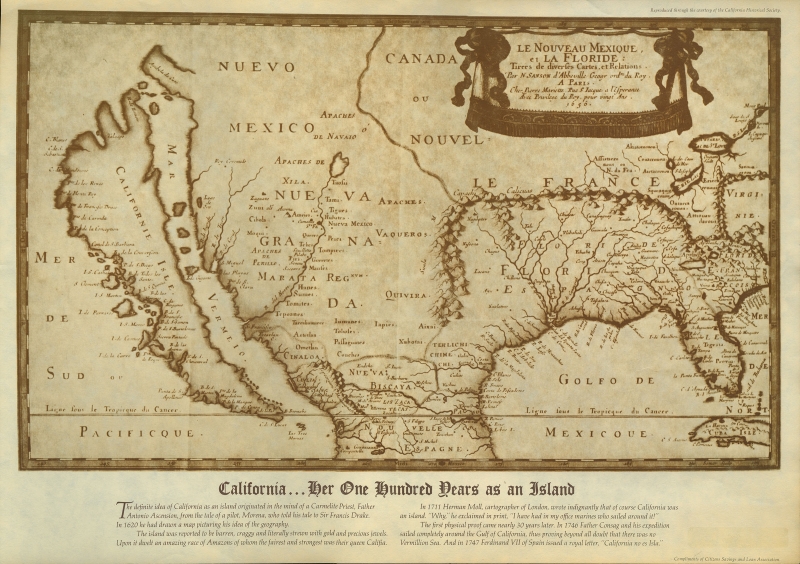
The connection between the fictional California and the actual landmass was strengthened by the belief that the lands discovered to the west of Mexico were indeed islands rather than a continent. Early maps often depicted Baja California as an island, further fueling the association with Montalvo’s island kingdom.
The Explorer’s Naming: Cortés and the Baja Peninsula
The first recorded use of the name “California” in relation to a real geographical location is attributed to the Spanish explorer Hernán Cortés. During his ambitious expeditions in the early 16th century, Cortés was captivated by tales of a rich and fertile land to the west of his discoveries. While some historians debate the exact circumstances, it is widely believed that Cortés, or one of his captains, applied the name “California” to the peninsula that is now Baja California.
Cortés’s expeditions aimed to expand the Spanish empire and discover new sources of wealth. The legendary descriptions from Las Sergas de Esplandián likely provided inspiration, and as the explorers encountered the arid yet striking landscapes of the peninsula, they may have seen parallels to the descriptions of Queen Calafia’s island. The early belief that this land was an island further cemented the connection to the mythical California.
Early Encounters and Cartographic Confusion
The initial explorations were fraught with challenges. Navigating the vast Pacific and encountering unknown territories was a monumental task. Early cartographers, relying on fragmented reports and speculative interpretations, often depicted the western coast of North America with significant inaccuracies. The distinction between a peninsula and a continent was blurred, and Baja California was frequently represented as an island separate from the mainland. This cartographic confusion inadvertently reinforced the notion that the “California” they had named was indeed the legendary island from the Spanish romance. The name stuck, a testament to the enduring power of narrative and the fertile imaginations of those who charted new worlds.
Evolution of the Name: From Peninsula to State
Over time, the understanding of the geography of the region evolved. Subsequent explorations revealed that what was initially thought to be an island was, in fact, a long peninsula connected to a vast mainland. However, the name “California” had already taken root, and its application began to extend northward.
As Spanish influence spread, the term “Las Californias” came to encompass a much larger territory, including both the Baja California peninsula and the region that would eventually become the U.S. state of California. This larger territory was eventually divided into two administrative districts: Alta California (Upper California) and Baja California (Lower California).
Alta California and the American Era
Alta California remained under Spanish and then Mexican rule for centuries. It was a sparsely populated region, primarily populated by Native American tribes and a few Spanish missions and settlements. The Mexican-American War in the mid-19th century led to the cession of Alta California to the United States as part of the Treaty of Guadalupe Hidalgo in 1848.
The discovery of gold in 1848 at Sutter’s Mill near Coloma triggered the California Gold Rush, a period of immense demographic and economic transformation. This influx of settlers and fortune-seekers solidified the identity of “California” as the land of opportunity, a direct echo, albeit secular, of its mythical origins. The state was officially admitted to the Union in 1850.
The name, which began as a fanciful appellation for a mythical island, thus became the official designation for one of the most populous and influential states in the United States. The journey from a medieval legend to a modern state is a remarkable linguistic and historical trajectory.

Linguistic Echoes and Enduring Legacy
The name “California” carries with it a profound legacy, blending literary fantasy with historical exploration. It is a name that speaks of dreams, of the unknown, and of the persistent human desire to find a paradise on Earth. The echoes of Queen Calafia’s island still resonate, albeit in a transformed context, in the spirit of innovation, the pursuit of dreams, and the sheer abundance of natural beauty that characterizes the Golden State today.
From the mythical shores of a warrior queen’s island to the sun-drenched landscapes of the American West, the name “California” has traversed centuries and continents, remaining a symbol of allure, discovery, and aspiration. Its meaning is a testament to the power of stories and the way imagination can shape our perception of the world, leading us to discover and name places that, in their own right, become legendary. The state’s identity is inextricably linked to this evocative name, a constant reminder of its rich and multifaceted origins.
LifeOutOfTheBox is a participant in the Amazon Services LLC Associates Program, an affiliate advertising program designed to provide a means for sites to earn advertising fees by advertising and linking to Amazon.com. Amazon, the Amazon logo, AmazonSupply, and the AmazonSupply logo are trademarks of Amazon.com, Inc. or its affiliates. As an Amazon Associate we earn affiliate commissions from qualifying purchases.