
Florida, often nicknamed the “Sunshine State,” conjures images of pristine beaches, vibrant coral reefs, and sun-drenched theme parks. While the allure of its tropical climate is undeniable for vacationers and new residents alike, it also raises practical questions for vehicle owners. One of the most persistent inquiries revolves around the longevity of automobiles under its distinct environmental conditions. So, do cars rust in Florida? The straightforward answer is yes, they do. However, understanding the nuances of Florida’s environment and the specific factors that contribute to corrosion is crucial for anyone seeking to preserve their vehicle’s condition.
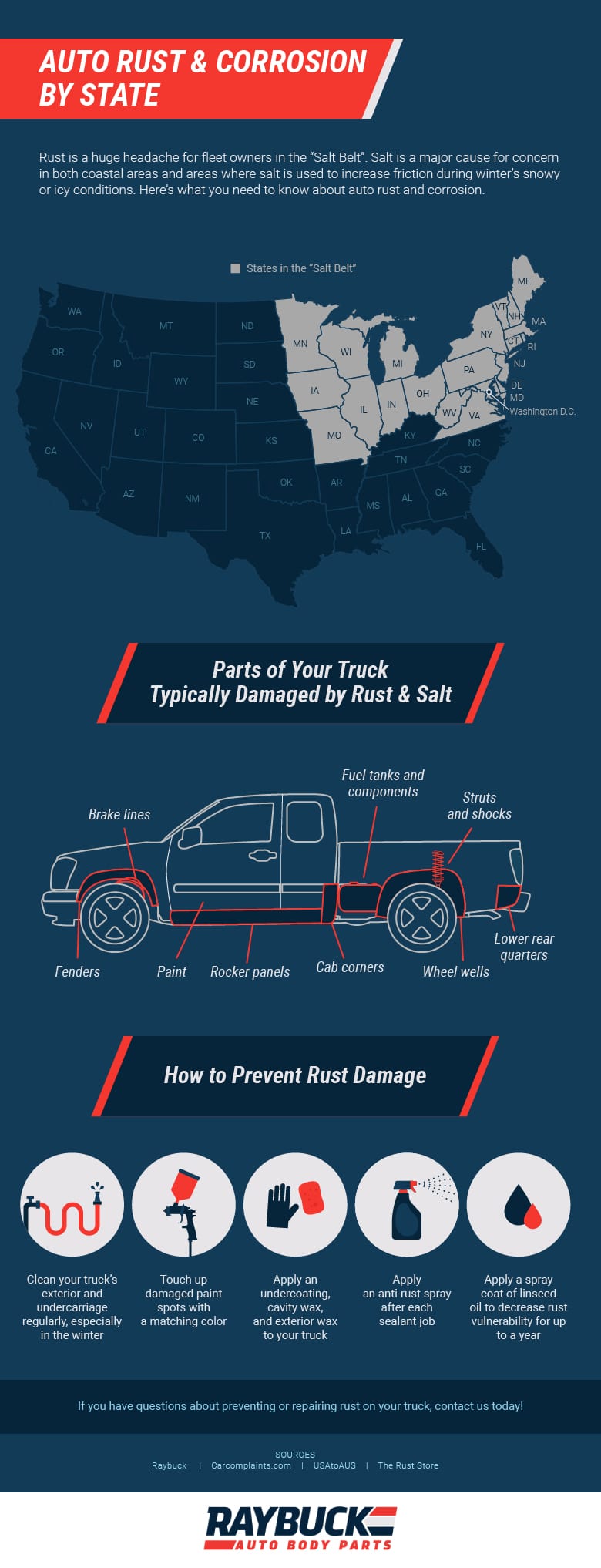
The Florida Environment: A Double-Edged Sword for Automobiles
Florida’s geography and climate are primary drivers of automotive wear and tear, particularly when it comes to rust. The state’s peninsula, surrounded by the Atlantic Ocean to the east and the Gulf of Mexico to the west, means that coastal proximity is a significant factor for a vast majority of its population.
The Salty Air and Its Corrosive Embrace
The most significant contributor to vehicular rust in Florida is the pervasive presence of salt. This salt isn’t just confined to the beaches; it’s an invisible passenger carried inland by prevailing winds. Even miles away from the shore, the air can carry microscopic salt particles that settle on vehicle surfaces. When these particles combine with moisture – and Florida certainly has its share of humidity and rainfall – they create a highly corrosive environment.
- Coastal Proximity: Vehicles that live in cities like Miami, Fort Lauderdale, Tampa, or Key West are at the highest risk. The constant exposure to salt spray, especially during storms or high tides, accelerates the oxidation process of metal components.
- Road Salt in Specific Scenarios: While Florida doesn’t typically experience the harsh winter conditions that necessitate the widespread use of road salt for de-icing, there are exceptions. During unusual cold snaps, or on specific causeways and bridges that might ice over in rare instances, temporary applications of salt or other de-icing agents can occur, posing localized risks.
Humidity and Rainfall: The Catalysts of Corrosion
Beyond salt, Florida’s high humidity and frequent rainfall play a crucial role in accelerating rust. The constant dampness ensures that any salt particles that land on a vehicle remain active and corrosive for longer periods.
- Tropical Storms and Hurricanes: Florida is a frequent target for tropical weather systems. These storms often bring heavy rainfall, strong winds that can whip salt spray further inland, and prolonged periods of high humidity. The aftermath of a hurricane can leave vehicles coated in a mixture of salt, sand, and debris, creating a perfect storm for corrosion.
- Daily Humidity: Even on clear days, the air in Florida is thick with moisture. This ambient humidity can lead to condensation on vehicle surfaces, particularly during temperature fluctuations, further aiding the rusting process.
Other Environmental Factors
While salt and moisture are the primary culprits, other environmental elements in Florida can also contribute to the degradation of a car’s finish and underlying metal.
- Sand and Grit: The sandy soil prevalent throughout Florida can become airborne, particularly during windy conditions or construction. These fine particles can act as abrasives, scratching paintwork and exposing the underlying metal to the elements.
- Sunlight and UV Rays: The intense Florida sun, while inviting for tourists, is also harsh on vehicle paint. Prolonged exposure to ultraviolet (UV) radiation can degrade paint and protective coatings, making the metal underneath more vulnerable to corrosion.
- Pollution and Industrial Emissions: While less of a dominant factor compared to coastal salt, emissions from vehicles and industrial areas in more populated urban centers can also contribute to a more acidic environment, which can subtly accelerate rust formation over time.
Understanding the Rusting Process on Your Vehicle
Rust, scientifically known as iron oxide, is a natural chemical reaction that occurs when iron or steel is exposed to oxygen and moisture. In the context of a car, this process begins when the protective layers of paint and primer are compromised.
The Stages of Rust Formation
- Surface Rust: This is the initial stage, characterized by a reddish-brown powdery coating on the surface of the metal. It typically appears where paint has been chipped, scratched, or worn away.
- Scale Rust: If left untreated, surface rust will penetrate deeper into the metal, forming a flaky, scaly layer. This weakens the metal’s structure.
- Penetrating Rust: This is the most severe stage, where the rust has eaten through the metal entirely, creating holes. This is often seen on structural components, wheel wells, and door bottoms.
Common Areas for Rust on Florida Vehicles
Given the environmental factors, certain areas of a vehicle are more prone to developing rust in Florida:
- Undercarriage: This is arguably the most vulnerable area. Salt spray and moisture constantly bombard the underside of the vehicle, affecting the frame, exhaust system, brake lines, and suspension components.
- Wheel Wells: The cavities around the wheels tend to trap moisture, salt, and dirt, making them prime locations for rust to form, especially on the inner fenders.
- Door Bottoms and Rocker Panels: Water can collect in these lower sections of the car, and salt can seep into crevices, leading to rust formation from the inside out.
- Exposed Metal Areas: Any scratches, dings, or areas where paint has chipped, such as on the hood, trunk, or bumpers, will expose the bare metal to the corrosive elements.
- Exhaust Systems: The constant exposure to heat, moisture, and corrosive elements can accelerate the rusting of mufflers, pipes, and catalytic converters.
Protecting Your Vehicle from Florida’s Corrosive Climate
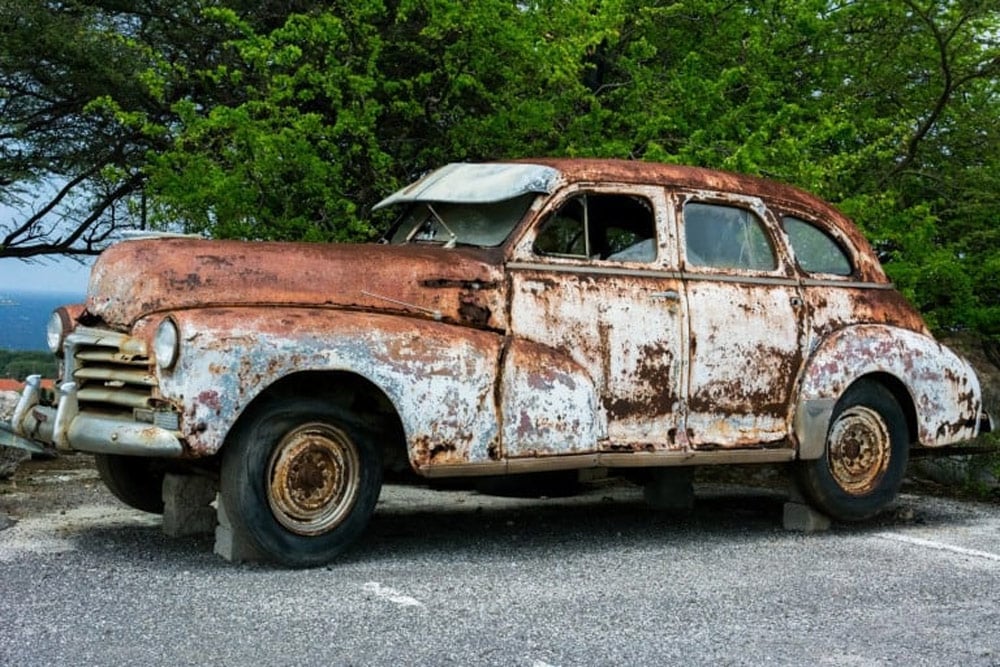
While rust is an inevitable part of owning a car in Florida, its progression can be significantly slowed down with proactive care and maintenance.
Regular Washing and Detailing
The most effective defense against Florida’s corrosive elements is a consistent washing routine.
- Frequent Rinsing: Aim to rinse your vehicle at least once a week, and more often if you live very close to the coast or have driven on wet roads. This simple act removes salt particles before they can bond with the paint and metal.
- Thorough Washing: Use a quality car soap and a soft mitt to wash the entire vehicle, paying special attention to the undercarriage, wheel wells, and door jambs.
- Undercarriage Washes: Many car washes offer undercarriage spray options. These are invaluable in Florida for blasting away accumulated salt and grime from the underside of your car.
- Waxing: Applying a good quality car wax provides a protective barrier against the elements. A layer of wax can help prevent salt and moisture from reaching the paint surface directly. Consider ceramic coatings for a more durable, long-lasting protection.
Addressing Paint Damage Promptly
Chips and scratches in the paint are gateways for rust.
- Touch-Up Paint: Keep a supply of touch-up paint that matches your vehicle’s color. As soon as you notice a chip or scratch, clean the area thoroughly and apply the touch-up paint to seal the exposed metal.
- Professional Repair: For larger dings or significant paint damage, consider professional repair to ensure the area is properly sealed and protected.
Specialized Treatments
Several specialized treatments can offer enhanced protection for vehicles in corrosive environments.
- Rustproofing/Undercoating: While often debated, professional rustproofing or undercoating can provide an additional layer of protection for the vehicle’s underside. These treatments create a barrier that seals out moisture and salt. It’s important to have this done by a reputable service and to understand that it’s not a permanent solution; it will need periodic inspection and reapplication.
- Paint Sealants and Ceramic Coatings: These advanced protective layers offer a harder, more durable barrier than traditional wax, providing excellent resistance against environmental contaminants.
Parking Strategies
Where you park your car can also make a difference.
- Garages or Covered Parking: If possible, store your vehicle in a garage or under a carport. This shields it from direct exposure to salt spray, rain, and the harsh sun.
- Avoid Beach Parking: While tempting, parking directly on the sand or very close to the surf line means your car will be constantly bombarded by salt and moisture.
The Long-Term Perspective for Vehicle Ownership in Florida
Owning a car in Florida requires a commitment to its upkeep if you want to maintain its aesthetic appeal and structural integrity. While modern vehicles are built with more corrosion-resistant materials and coatings than older models, the aggressive environment can still take its toll.
Resale Value Considerations
A well-maintained vehicle with minimal rust will always command a higher resale value. Investing in preventative measures will pay off in the long run, whether you plan to trade it in or sell it privately. Buyers are often wary of vehicles that show significant signs of rust, as it can indicate underlying structural issues and a history of neglect.
The Role of Maintenance Records
Keeping detailed records of your vehicle’s maintenance, including washes, waxing, and any rust-prevention treatments, can be a valuable asset when it comes time to sell. It demonstrates a commitment to care that can reassure potential buyers.

Enjoying Your Florida Adventures
Ultimately, the question of whether cars rust in Florida is answered with a resounding “yes.” However, this doesn’t mean that owning a vehicle in the Sunshine State has to be a constant battle against decay. By understanding the environmental challenges and implementing a consistent, proactive maintenance routine, you can significantly extend the life and preserve the condition of your car, allowing you to fully enjoy all the open-road adventures that Florida has to offer, from the bustling streets of Orlando to the serene beauty of the Florida Keys.
LifeOutOfTheBox is a participant in the Amazon Services LLC Associates Program, an affiliate advertising program designed to provide a means for sites to earn advertising fees by advertising and linking to Amazon.com. Amazon, the Amazon logo, AmazonSupply, and the AmazonSupply logo are trademarks of Amazon.com, Inc. or its affiliates. As an Amazon Associate we earn affiliate commissions from qualifying purchases.