
Endnotes are a powerful tool for academic writing, offering a way to cite sources, provide supplementary information, and enhance the reader’s understanding without disrupting the flow of the main text. The Chicago Manual of Style (CMOS) offers a comprehensive system for incorporating endnotes, distinguishing between a notes-bibliography system and a author-date system. For those aiming for scholarly rigor, mastering the Chicago style endnote is essential, particularly when discussing or referencing extensive research, historical accounts, or detailed analyses often found in travel writing that delves into cultural or historical contexts.
While the primary focus of this guide is the technical aspect of endnote creation, understanding its application within the Travel niche illuminates its value. Imagine a deeply researched article about the history of the Silk Road, detailing ancient trade routes, cultural exchanges, and the evolution of cities like Samarkand. Endnotes can house detailed descriptions of archaeological finds, translations of ancient texts, or even tangential historical anecdotes that enrich the narrative without bogging down the primary exploration of travel experiences. Similarly, a piece on the architectural evolution of Paris could use endnotes to explain complex architectural terms or provide biographical details of influential architects.
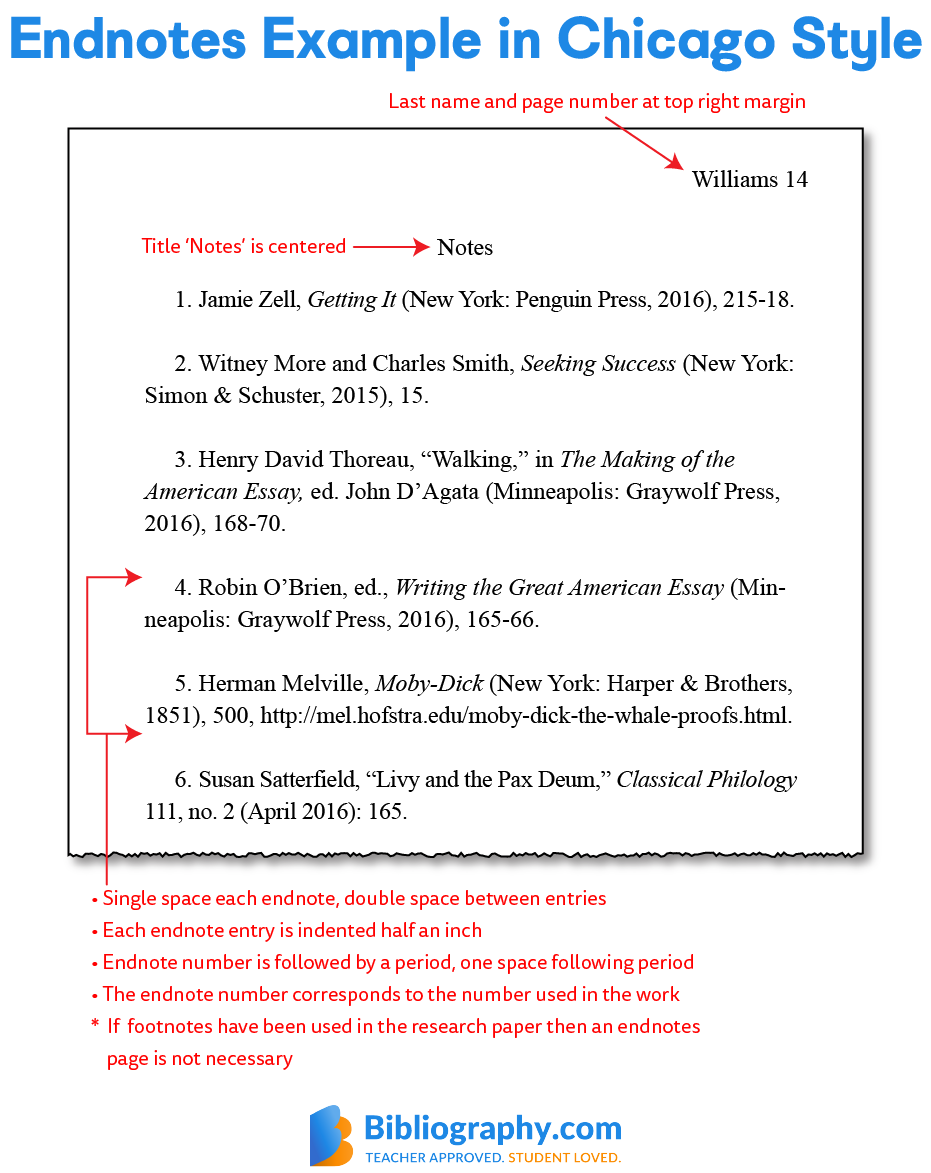
Understanding the Chicago Style Endnote System
The Chicago Manual of Style primarily offers two citation systems: the notes-bibliography system and the author-date system. For endnotes, the notes-bibliography system is the default and most common. In this system, each piece of information or quotation taken from another source is indicated by a superscript Arabic numeral in the text. These numerals correspond to a numbered note at the end of the document, typically in a section titled “Notes” or “Endnotes.”
Superscript Numerals in the Text
The superscript numeral should be placed at the end of the sentence or clause to which it refers, immediately after the punctuation mark. For example:
“The vibrant spice markets of Marrakech have long been a sensory delight for travelers.¹”
When quoting directly, the numeral typically follows the closing quotation mark. For example:
“As the historian noted, ‘The caravanserai provided crucial resting points for merchants undertaking arduous journeys.’²”
If the citation relates to a specific word or phrase rather than an entire sentence, the numeral can be placed immediately after that word or phrase, but this is less common and should be used judiciously to avoid clutter.
The Endnotes Section
At the end of the main body of the text, a separate section titled “Notes” or “Endnotes” is created. The notes are numbered consecutively, mirroring the superscripts in the text.
First Reference of a Source
The first time a source is cited, the endnote provides complete bibliographic information. The format varies slightly depending on the type of source (book, article, website, etc.), but a typical first-time book citation in the notes-bibliography system looks like this:
- [Author’s First Name] [Author’s Last Name], [Book Title] ([Publication City]: [Publisher], [Year]), [Page Number(s)].
Example:
- Paul Theroux, The Great Railway Bazaar: By Train Through Asia (Boston: Houghton Mifflin, 1975), 45.
Subsequent References to the Same Source
After the first full citation, subsequent references to the same source are significantly shortened. This is often referred to as a “shortened note.”
- Shortened Note Format: [Author’s Last Name], [Shortened Book Title], [Page Number(s)].
Example:
- Theroux, Great Railway Bazaar, 112.
If multiple works by the same author are cited, further disambiguation might be needed, often by including a shortened version of the title.
Locating Information in the Endnotes
Readers can quickly scan the endnotes to find the source of a particular piece of information. The numbered sequence directly links the superscript in the text to the corresponding note. For extended or complex articles, such as an in-depth guide to exploring ancient ruins in Machu Picchu, endnotes become invaluable for detailing the historical context, archaeological methods, or scholarly debates surrounding the site.
Crafting Specific Endnote Entries
The structure of an endnote entry is dictated by the type of source material being cited. Accuracy and consistency are paramount.
Books
For books, the initial citation includes the author’s full name, the title (italicized), publication details (city, publisher, year), and the specific page number(s) being referenced.
First Reference:
- Arthur Frommer, Europe on $5 a Day (New York: Frommer’s, 1957), 88.

Subsequent Reference:
- Frommer, Europe on $5 a Day, 152.
If a book has multiple authors, editors, or translators, the format adjusts accordingly. For edited volumes, the editor is listed first, often followed by “ed.” or “eds.”
Journal Articles
When citing articles from scholarly journals, the endnote includes the author’s name, the article title (in quotation marks), the journal title (italicized), the volume and issue number, the year of publication, and the page range of the article, followed by the specific page(s) cited.
First Reference:
- Sarah K. Davies, “The Impact of Colonialism on Indigenous Tourism in Australia,” Journal of Travel Research 45, no. 2 (2006): 189.
Subsequent Reference:
- Davies, “Impact of Colonialism,” 195.
Websites and Online Resources
Citing online content requires careful attention to detail, as web pages can be ephemeral. Include the author (if available), the title of the specific page or article (in quotation marks), the website name (italicized), the publication or last updated date (if available), and the URL. It is also good practice to include a retrieval date.
First Reference:
- John Smith, “A Guide to Ethical Wildlife Viewing in Botswana,” EcoTraveler Magazine, May 15, 2023, https://www.ecotraveler.com/botswana-wildlife-guide. Accessed October 26, 2023.
Subsequent Reference:
- Smith, “Ethical Wildlife Viewing.”
When referencing general information from a website without a specific author or page title, it may be formatted differently.
Other Source Types
The Chicago Manual of Style provides detailed guidelines for a vast array of source types, including:
- Newspaper Articles: Similar to journal articles but often with less formal citation details.
- Book Chapters: Citing a specific chapter within an edited book.
- Interviews: Including the interviewee, interviewer, date, and format (e.g., personal interview, email).
- Images and Multimedia: Specifying the creator, title, medium, and location.
For any travel writer aiming to produce well-researched pieces on destinations like the historic districts of Rome or the cultural heritage of Kyoto, consulting the latest edition of the Chicago Manual of Style for specific formatting is crucial.
Best Practices for Using Endnotes in Travel Writing
While endnotes are often associated with academic essays, their strategic use can significantly elevate the quality and credibility of travel writing, especially for pieces that aim for depth and thoroughness.
Enhancing Credibility and Authority
When a travel article discusses historical facts, cultural nuances, or expert opinions related to a destination, citing the original sources through endnotes lends significant credibility. For instance, an article detailing the architectural history of Florence might use endnotes to cite specific architectural treatises or historical records that confirm the dates of construction or stylistic influences. This demonstrates to the reader that the information is not merely anecdotal but is backed by diligent research.
Providing Supplementary Information
Endnotes are an excellent place to include information that is interesting and relevant but would interrupt the narrative flow of the main text. This could include:
- Detailed historical background: A brief digression into the political history of a region that directly impacts its current cultural practices in India.
- Biographical sketches: A short note about a significant historical figure connected to a landmark, like Tikal.
- Linguistic explanations: Defining local terms or phrases that are essential to understanding a cultural practice.
- Methodological details: Explaining the research methods used to gather specific data, such as survey results from local artisans.
- Further reading suggestions: Directing the reader to other valuable resources for deeper exploration.
Maintaining Reader Engagement
Overuse of footnotes or excessive parenthetical citations can disrupt the reading experience. Endnotes, by contrast, keep the main text clean and focused on the travel experience itself, while providing avenues for readers who wish to delve deeper into the sources or specific details. This caters to a broader audience, from those who prefer a straightforward narrative to those who appreciate scholarly rigor. For articles exploring complex topics, such as the ecological challenges facing the Galapagos Islands, endnotes allow the author to present dense scientific information without alienating casual readers.

Consistency is Key
Regardless of the specific style guide, maintaining absolute consistency in formatting and citation is paramount. Whether you are documenting the best Michelin-starred restaurants in Lyon or tracing the lineage of a particular craft in Morocco, ensure that every citation follows the established rules precisely. This attention to detail reflects professionalism and respect for the source material, ultimately enhancing the overall quality of your travel writing.
By thoughtfully incorporating endnotes according to the Chicago Manual of Style, travel writers can transform their work from mere descriptions of places to well-substantiated, authoritative, and engaging explorations of the world.
LifeOutOfTheBox is a participant in the Amazon Services LLC Associates Program, an affiliate advertising program designed to provide a means for sites to earn advertising fees by advertising and linking to Amazon.com. Amazon, the Amazon logo, AmazonSupply, and the AmazonSupply logo are trademarks of Amazon.com, Inc. or its affiliates. As an Amazon Associate we earn affiliate commissions from qualifying purchases.