
Florida, the Sunshine State, is renowned for its pristine beaches, vibrant theme parks, and a lifestyle that attracts millions of visitors and new residents each year. For many considering a move or planning an extended stay, understanding the financial landscape, particularly tax obligations, is paramount. One of the most frequently asked questions revolves around state income tax: Does Florida pay state taxes? The answer is a resounding no, and this key fiscal characteristic is a significant driver of its popularity.
The Absence of State Income Tax: A Major Draw
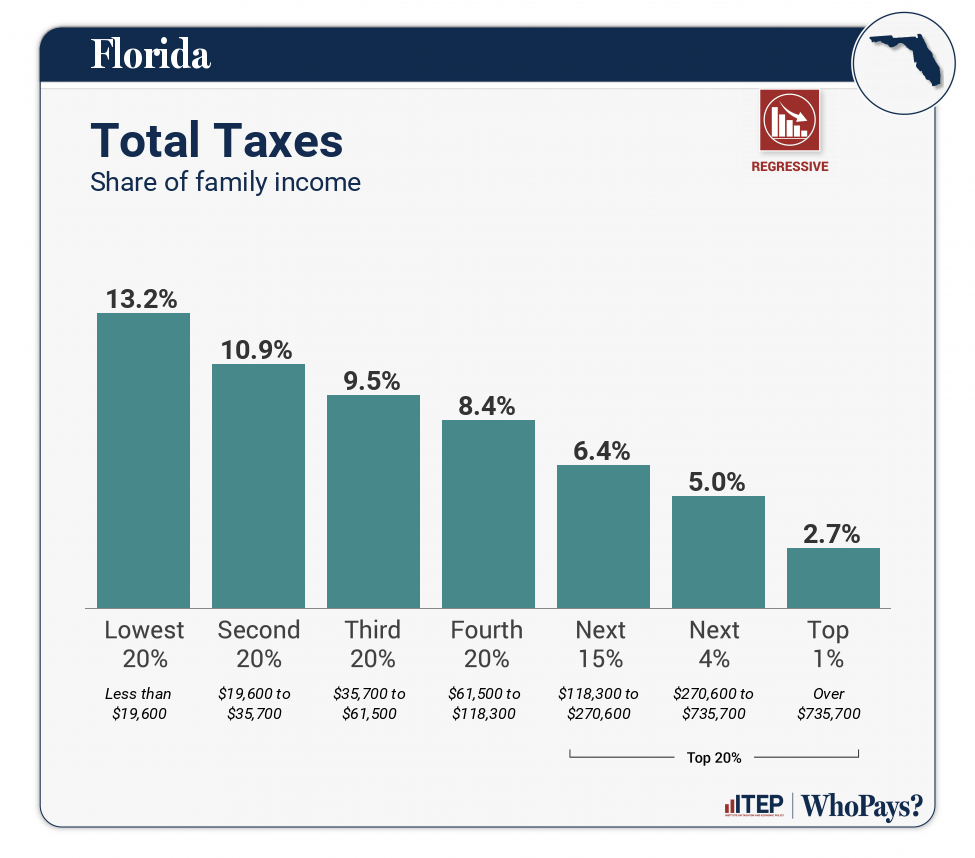
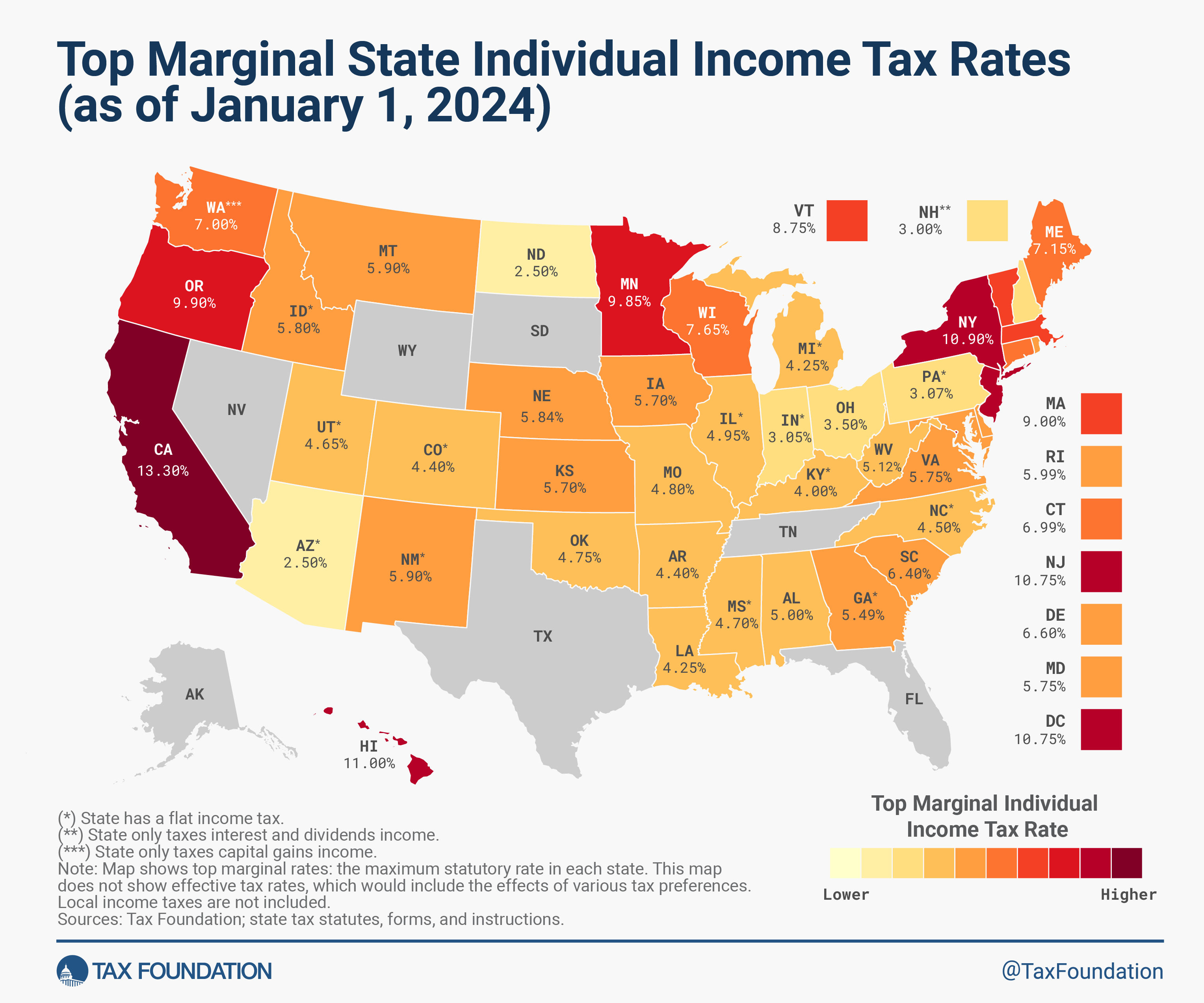
The absence of a state income tax in Florida is a fundamental aspect of its fiscal policy and a powerful incentive for individuals and businesses alike. Unlike many other states in the United States, residents of Florida do not have to remit a portion of their earned income to the state government. This can translate into substantial savings, particularly for high-earning individuals and those planning to retire in the state.
How Florida Funds State Operations
The question then arises: if there’s no state income tax, how does Florida fund its extensive public services, infrastructure projects, and government operations? The state relies on a diverse revenue stream, primarily driven by consumer spending and other economic activities.
Sales Tax Dominance
The most significant source of state revenue in Florida is its sales tax. This tax is levied on the retail sale of tangible personal property and certain services. The statewide sales tax rate is 6%, with an additional 1% levied by most counties, bringing the combined rate to 7% in many areas. Local option taxes can further increase this rate. This tax is applied to a wide range of goods and services, from groceries and clothing to hotel stays and theme park tickets.
- Exemptions and Considerations: While Florida’s sales tax is broad, certain essential items are often exempt, such as most prescription drugs and food items for home consumption. However, it’s crucial for consumers to be aware of what is taxable to budget accordingly. For tourists, this means factoring in sales tax on purchases, dining, and accommodations when planning their trip.
Property Taxes: A Local Affair
While the state itself does not levy an income tax, property taxes are a significant source of revenue, but they are collected at the local level – by counties, cities, and special districts (like school districts). These taxes are based on the assessed value of real estate and tangible personal property. Property taxes are crucial for funding local services such as schools, law enforcement, and public works.
- Impact on Homeowners and Businesses: For homeowners and businesses in Florida, property taxes are a recurring expense. The rates vary considerably depending on the location, with more developed or service-heavy areas often having higher property tax rates. This is a key consideration for those looking to purchase property or establish a business in the state.
Other Revenue Sources
Beyond sales and property taxes, Florida generates revenue through various other taxes and fees, including:
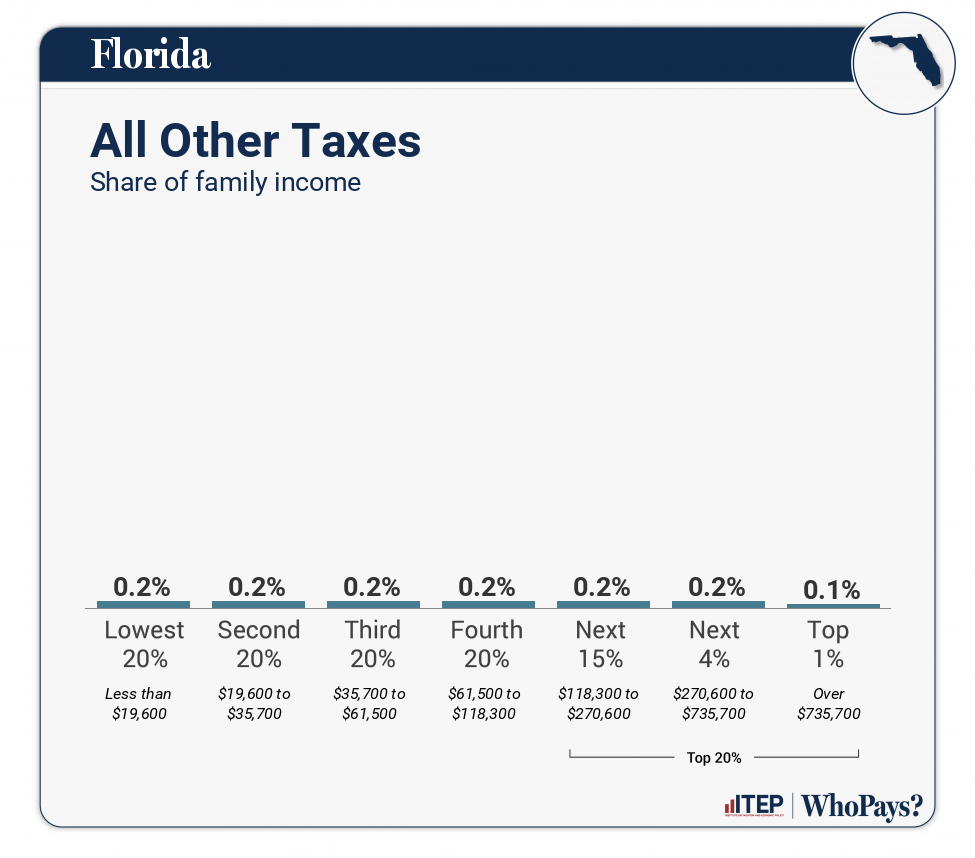
- Gasoline Taxes: Taxes on motor fuel are a substantial contributor to the state’s transportation infrastructure funding.
- Severance Taxes: These apply to the extraction of natural resources, such as oil and gas.
- Corporate Income Tax (Limited): While individuals are exempt, Florida does levy a corporate income tax, albeit at a relatively low rate compared to many other states. This tax applies to the net income of corporations operating within the state.
- Communications Services Tax: This tax applies to telecommunications services, cable television, and video services.
- Motor Vehicle Licenses and Fees: Registration fees and other charges related to vehicle ownership provide ongoing revenue.
- Tourism-Related Taxes: In addition to sales tax, many popular tourist destinations within Florida levy additional local tourist development taxes and tourist impact taxes. These taxes are often applied to hotel rooms and vacation rentals and are specifically earmarked for promoting tourism and funding local tourism infrastructure and attractions. This is a vital consideration for travelers budgeting for their Florida vacation.
The Economic Implications of No State Income Tax
The absence of a state income tax has profound economic implications for Florida.
Attracting High-Net-Worth Individuals and Retirees
The prospect of retaining 100% of one’s earned income is highly attractive to high-net-worth individuals, entrepreneurs, and retirees. Many choose to establish residency in Florida to benefit from this tax advantage. This influx of affluent residents can stimulate the economy through increased consumer spending, real estate investment, and philanthropic activities. States like Texas and Nevada also offer similar no-income-tax policies, creating a competitive landscape for attracting these demographic groups.
Business Investment and Job Growth
Businesses also find Florida an appealing location due to the lack of a corporate income tax burden on individuals, and the presence of a relatively low corporate income tax for businesses. This, combined with a favorable business climate, can encourage investment, job creation, and business relocation. Companies operating in industries like technology, aerospace, and finance often cite the tax structure as a contributing factor in their decision to establish a presence in the state, with hubs like Miami and Orlando seeing significant growth.
Consumer Spending as a Tax Base
By relying heavily on sales tax, Florida shifts the tax burden more towards consumption. This means that visitors and seasonal residents, who are significant consumers within the state, contribute substantially to its tax revenue. For tourists visiting destinations like Walt Disney World or Universal Orlando Resort, this means sales tax will be a factor in their overall vacation budget.
Considerations for Travelers and Residents
For travelers planning a visit to Florida, understanding the tax structure is essential for budgeting. While the lack of state income tax simplifies personal finances for residents, tourists will encounter sales tax on most purchases, including accommodation at hotels like the Ritz-Carlton or resorts such as Ponte Vedra Inn & Club. They will also be subject to the state’s tourist development taxes, which can add a percentage to hotel bills.
For individuals considering a move to Florida, the absence of state income tax is a significant financial advantage. However, it’s important to balance this with other cost-of-living factors, such as property taxes, the cost of goods and services subject to sales tax, and insurance premiums, which can be higher in certain coastal areas. Retirement planning in Florida is often attractive due to this tax benefit, allowing retirees to make their savings and pensions go further.
The Future of Florida’s Tax Policy
Florida’s tax policy has been remarkably consistent for decades, with the no-income-tax stance remaining a cornerstone. While there are always discussions and potential adjustments to tax rates or exemptions at the state and local levels, a fundamental shift away from this policy appears unlikely in the near future, given its proven effectiveness in attracting residents and businesses. The state’s economic growth and popularity are strong indicators that this fiscal approach continues to serve its interests.
In conclusion, for those wondering if Florida pays state taxes, the answer is no, in the form of an individual state income tax. This unique characteristic, coupled with its vibrant culture and diverse attractions, makes the Sunshine State a compelling destination and a desirable place to live and invest. Understanding how the state funds its operations through sales tax, property taxes, and other revenue streams provides a clearer picture of its economic landscape and the financial considerations for both visitors and residents.
LifeOutOfTheBox is a participant in the Amazon Services LLC Associates Program, an affiliate advertising program designed to provide a means for sites to earn advertising fees by advertising and linking to Amazon.com. Amazon, the Amazon logo, AmazonSupply, and the AmazonSupply logo are trademarks of Amazon.com, Inc. or its affiliates. As an Amazon Associate we earn affiliate commissions from qualifying purchases.