
Boston Harbor is a sprawling natural harbor and a significant historical and modern hub located on the eastern coast of Massachusetts, forming an integral part of the vibrant city of Boston. It serves as the maritime gateway to the city, connecting it to the Atlantic Ocean and the wider world. Far more than just a body of water, it is a dynamic destination that encapsulates centuries of history, offers breathtaking urban and natural vistas, and provides a plethora of activities for every type of traveler. Its strategic location has shaped Boston’s destiny from its colonial beginnings to its current status as a global center for innovation and culture.
Boston Harbor’s Strategic Location and Geography
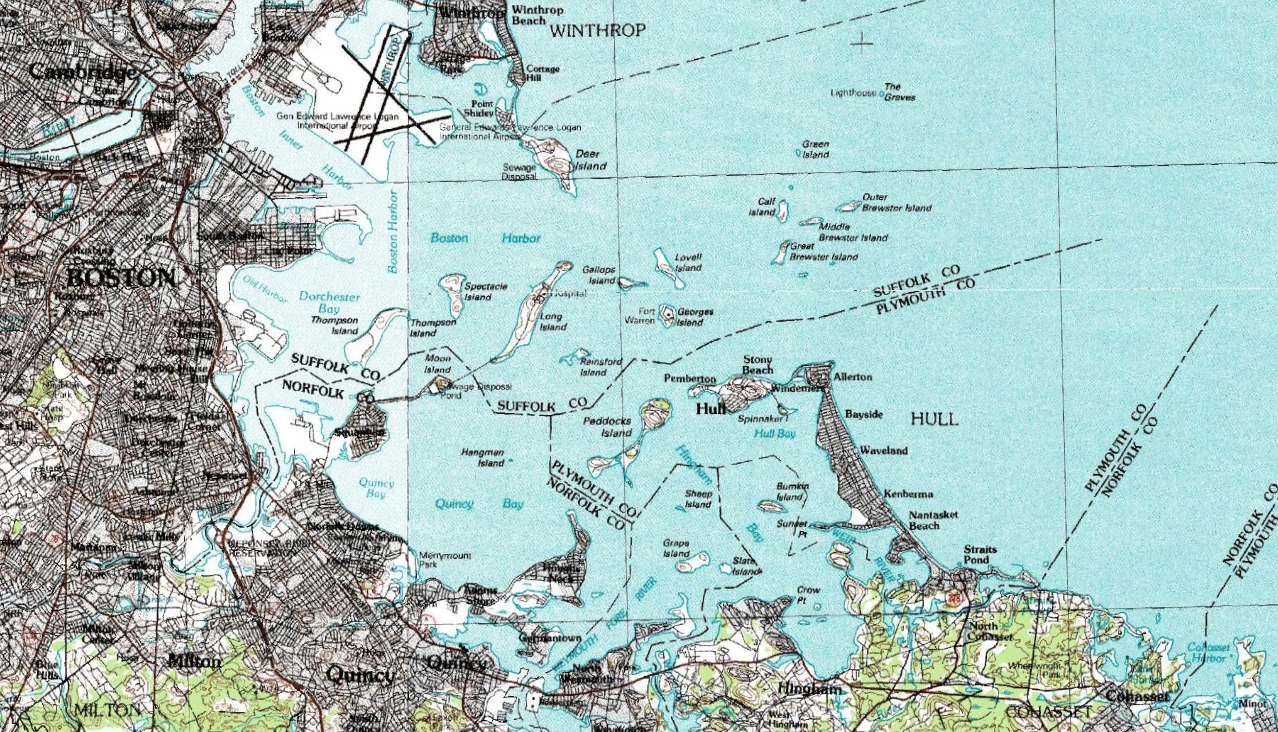
Geographically, Boston Harbor is a semi-enclosed embayment, roughly pear-shaped, stretching approximately 12 miles from its innermost coves to its outer islands. It is situated directly east of downtown Boston, with its principal entrance facing southeast towards Cape Cod Bay and the open Atlantic Ocean. The harbor is characterized by its deep channels, numerous islands, and an intricate coastline that borders several of Boston’s most iconic neighborhoods.
Unveiling the Waterfront’s Extent
The harbor’s waterfront defines the eastern edges of downtown Boston, the historic North End, the rapidly developing Seaport District, and parts of South Boston and Charlestown. To the north, it extends towards East Boston, home to Logan International Airport, which itself occupies land reclaimed from the harbor. This extensive coastline means that visitors can experience the harbor from multiple vantage points, each offering a unique perspective—from the bustling, historic wharves of downtown to the modern, architectural marvels of the Seaport District. The interface between land and sea here is not merely a boundary but a vibrant continuum where urban life meets the maritime world.
Natural Formations and Islands
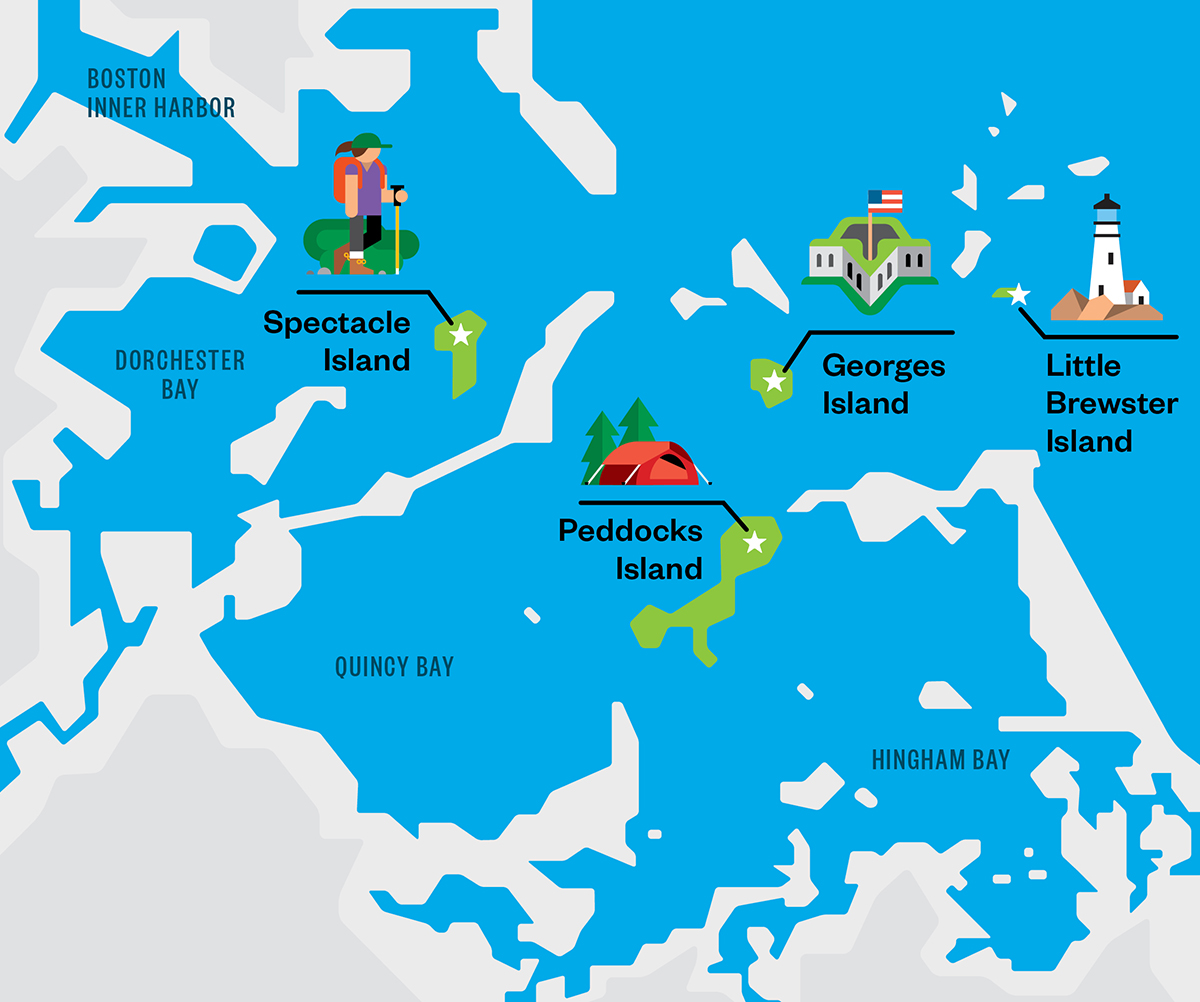
A defining characteristic of Boston Harbor is its archipelago of 34 islands and peninsulas, many of which form the Boston Harbor Islands National and State Park. These islands vary in size and character, from rugged, windswept outcrops to lush, wooded retreats. They act as natural breakwaters, protecting the inner harbor from the full force of Atlantic storms, and offer a crucial habitat for diverse wildlife. Historically, they played vital roles in defense, quarantine, and recreation. Today, these islands are premier attractions, providing opportunities for hiking, picnicking, camping, and exploring historical sites like Fort Warren on Georges Island or enjoying the tranquility of Spectacle Island. Their presence fundamentally shapes the harbor’s geography, creating a dynamic and visually rich environment.
Navigating to the Harbor: Access and Transportation
Reaching Boston Harbor is remarkably convenient, regardless of your starting point in Boston or beyond. The city’s comprehensive transportation network seamlessly connects visitors to its various waterfront districts, making it an accessible travel destination.
Public Transit Connections
Boston’s public transit system, the MBTA (Massachusetts Bay Transportation Authority), colloquially known as “the T,” offers multiple ways to reach the harbor. The Blue Line subway provides direct access to the Aquarium station, placing you steps away from Long Wharf and the New England Aquarium. The Green Line and Orange Line also have stations within a short walk of various harbor points, including North Station for the North End waterfront or South Station for the Seaport District. Numerous bus routes also serve the waterfront areas, ensuring broad coverage. For those arriving from outside the immediate city, the MBTA Commuter Rail connects surrounding towns and cities to North and South Stations, both of which are convenient gateways to the harbor.
Driving and Parking Options
While public transit is often recommended for navigating Boston’s dense urban core, driving to the harbor is also feasible, though it requires careful planning for parking. Major roadways like I-93 and I-90 (the Massachusetts Turnpike) provide direct routes into downtown Boston and the waterfront. Parking garages are plentiful, particularly in the Financial District and Seaport District, though they can be costly. It’s advisable to research parking options in advance, especially during peak tourist seasons or special events. Many visitors opt to park slightly outside the immediate downtown area and take a short subway or bus ride in.
Water Transport: Ferries and Water Taxis
Perhaps the most scenic and unique way to approach Boston Harbor is by water. Ferries connect various parts of the harbor, including services to the Boston Harbor Islands National and State Park from Long Wharf and Rowes Wharf. Water taxis offer a more personalized and direct mode of transport, providing service between Logan International Airport, the Seaport District, and other waterfront destinations. These water routes not only serve a practical purpose but also offer fantastic views of the city skyline and the bustling harbor, making the journey itself an integral part of the travel experience.
The Harbor as a Gateway to Boston’s Treasures
Boston Harbor is not just a destination in itself but also a vibrant portal to many of Boston’s most cherished attractions. Its surrounding areas are rich with historical significance, cultural institutions, and modern entertainment.
Historic Sites Along the Waterfront
The harbor is steeped in history, perhaps most famously as the site of the Boston Tea Party. Visitors can relive this pivotal moment in American history at the Boston Tea Party Ships & Museum on Griffin’s Wharf. A short walk from the waterfront leads to Faneuil Hall Marketplace, a historic meeting place and bustling shopping area. Many points along the Freedom Trail, Boston’s iconic walking tour of revolutionary sites, are easily accessible from the harbor, intertwining the city’s maritime past with its fight for independence. The USS Constitution, the world’s oldest commissioned warship afloat, is docked in Charlestown Navy Yard, offering a tangible connection to America’s naval heritage.
Modern Attractions and Green Spaces
Beyond its historical allure, the harbor’s edge is dotted with contemporary attractions. The New England Aquarium is a world-class facility drawing millions of visitors annually, located directly on Central Wharf. Adjacently, the Rose Fitzgerald Kennedy Greenway offers a ribbon of contemporary parks, public art, and engaging activities that replaced the elevated Central Artery. This linear park connects several waterfront neighborhoods, providing a refreshing urban oasis. The Seaport District, once a collection of industrial docks, has transformed into a trendy hub featuring innovative architecture, upscale dining, and cultural venues like the Institute of Contemporary Art (ICA). Public spaces like Christopher Columbus Waterfront Park offer stunning views, walking paths, and often host outdoor events, creating a lively atmosphere.
Experiencing Boston Harbor: Activities and Views
The true essence of visiting Boston Harbor lies in the diverse range of experiences it offers, catering to various interests from adventure seekers to those looking for a tranquil escape.
Harbor Cruises and Whale Watching
One of the most popular ways to experience the harbor is by taking a boat tour. Various companies offer harbor cruises that provide narrated historical tours, scenic sunset voyages, and even high-speed thrill rides. These cruises offer unparalleled views of the Boston skyline, the Boston Harbor Islands, and historic landmarks from a unique perspective. For wildlife enthusiasts, whale watching tours depart from the harbor, venturing into the Atlantic Ocean to spot magnificent marine mammals. These tours are an exciting and educational way to connect with the natural world just beyond the city’s edge.
Island Adventures: Boston Harbor Islands National and State Park
A trip to the Boston Harbor Islands National and State Park is an absolute must. Regular ferry services transport visitors to several accessible islands, including Georges Island (home to the historic Fort Warren) and Spectacle Island (known for its hiking trails and panoramic views). These islands offer a respite from urban hustle, providing opportunities for picnicking, swimming, kayaking, and exploring unspoiled natural beauty. Camping is available on certain islands, offering a unique overnight experience under the stars with the Boston skyline shimmering in the distance.
Dining and Leisure by the Water
The waterfront is also a premier dining destination. From casual clam shacks to upscale seafood restaurants, there’s an option for every palate. Areas like the North End (known for its Italian cuisine) and the Seaport District boast numerous establishments with outdoor seating, allowing diners to savor their meals while enjoying harbor views. Quincy Market near Faneuil Hall also offers a plethora of food choices just a stone’s throw from the water. Strolling along the harborwalk, pausing at a waterfront café, or simply sitting on a bench to watch the boats go by are simple yet deeply satisfying ways to soak in the atmosphere of Boston Harbor.
Why Boston Harbor is a Must-Visit Travel Destination
Boston Harbor stands out as a critical travel destination due to its unparalleled blend of historical significance, natural beauty, and modern vibrancy. It offers visitors a comprehensive experience that reflects the very essence of Boston.
A Blend of History and Modernity
Few places so seamlessly weave together the past and present. One moment you’re tracing the footsteps of patriots at the site of the Boston Tea Party, and the next you’re admiring avant-garde architecture in the Seaport District. This juxtaposition creates a rich, layered experience, demonstrating how Boston has honored its heritage while forging ahead into the future. The harbor itself has witnessed this evolution, from a colonial port to a vital commercial and recreational waterway.

Panoramic Vistas and Urban Charm
Whether gazing at the iconic Boston skyline glittering across the water at night or watching sailboats glide against the backdrop of historical buildings, the views from and around Boston Harbor are consistently stunning. The urban charm of its surrounding neighborhoods, combined with the expansive beauty of the harbor and its islands, creates a picturesque setting for photography, leisurely walks, or simply moments of quiet reflection. It’s a place where the grandeur of a major American city meets the timeless allure of the sea, making it an unforgettable stop on any itinerary to Boston.
LifeOutOfTheBox is a participant in the Amazon Services LLC Associates Program, an affiliate advertising program designed to provide a means for sites to earn advertising fees by advertising and linking to Amazon.com. Amazon, the Amazon logo, AmazonSupply, and the AmazonSupply logo are trademarks of Amazon.com, Inc. or its affiliates. As an Amazon Associate we earn affiliate commissions from qualifying purchases.