
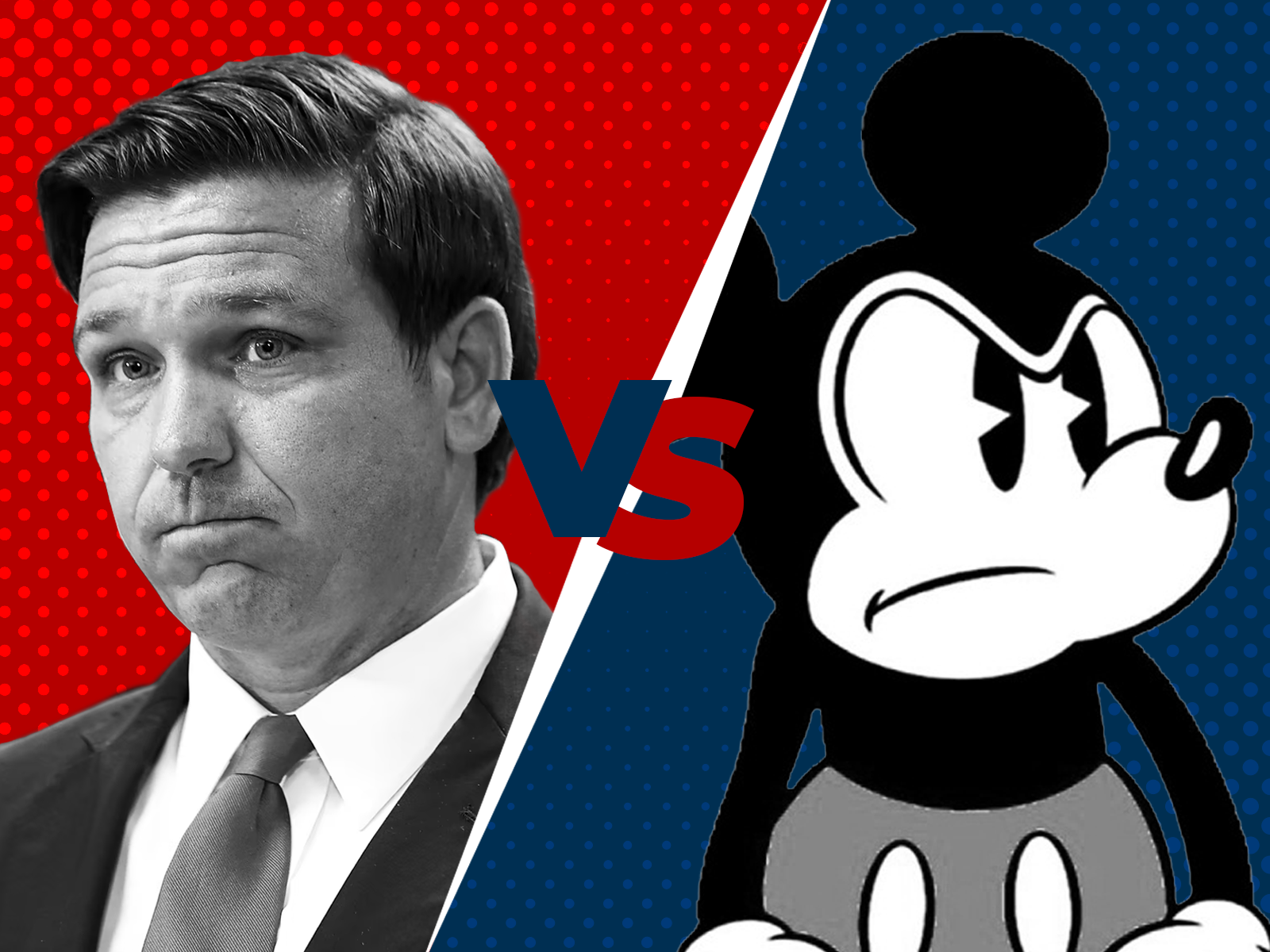
The relationship between the state of Florida and The Walt Disney Company has historically been one of mutual benefit, deeply intertwined with the state’s identity as a premier tourist destination. For decades, Disney‘s presence, primarily through its iconic Walt Disney World Resort in Orlando, has been a significant economic engine, drawing millions of visitors annually and supporting countless jobs. However, recent years have seen a dramatic shift, marked by political friction and legislative action initiated by Governor Ron DeSantis and his administration, often referred to as a “war on Disney.” This conflict raises a crucial question: how do the people of Florida perceive and support this ongoing dispute? Understanding this requires examining the multifaceted impact of Disney on the state, the political motivations behind the actions, and the diverse perspectives of Florida residents.
The Economic Tapestry: Disney’s Impact on Florida’s Tourism Landscape
Florida is synonymous with tourism, and a substantial portion of that industry’s success is attributable to Disney. The Walt Disney World Resort alone is a colossal operation, encompassing four theme parks – Magic Kingdom, Epcot, Hollywood Studios, and Animal Kingdom – along with numerous water parks, resorts, and entertainment venues. This vast complex not only provides direct employment for tens of thousands of individuals but also generates significant indirect economic benefits.
Job Creation and Revenue Generation
Disney is one of the largest single-site employers in the world, and its operations in Central Florida are no exception. The creation of jobs spans a wide spectrum, from cast members in guest-facing roles to highly skilled engineers, designers, and administrative staff. These jobs, in turn, support families and contribute to local economies through consumer spending. Furthermore, the revenue generated by Disney through ticket sales, merchandise, food, and lodging is substantial. This revenue not only flows back into the company but also contributes to the state and local tax base, funding public services.
The ripple effect on Ancillary Businesses
The presence of Walt Disney World Resort has fostered a thriving ecosystem of ancillary businesses in Orlando and surrounding areas. Hotels, restaurants, retail outlets, transportation services, and even residential communities have been built and sustained by the consistent influx of tourists drawn by the allure of a Disney vacation. These businesses, often independently owned and operated, are deeply reliant on the continued success and accessibility of Disney attractions. Any disruption or negative perception surrounding Disney could have a cascading effect, impacting the livelihoods of many Floridians who work in these supporting sectors.
Tourist Volume and State’s Image
Disney plays a pivotal role in shaping Florida’s image as a premier global tourist destination. The meticulous branding and marketing efforts of The Walt Disney Company have long positioned the state as a place of magic, family fun, and unparalleled entertainment. The sheer volume of visitors that Disney attracts not only benefits the company but also exposes millions of people to Florida, encouraging them to explore other attractions and regions within the state, from the beaches of Miami to the historic sites of St. Augustine.
The Political Arena: DeSantis’s Stated Motivations and Actions
Governor Ron DeSantis has characterized his administration’s actions against The Walt Disney Company as a defense of parental rights and a pushback against perceived corporate overreach and “woke” ideology. The conflict escalated following Disney’s public opposition to the Parental Rights in Education Act, legislation signed into law by Governor DeSantis in March 2022, which critics dubbed the “Don’t Say Gay” bill.
The Revocation of the Reedy Creek Improvement District
A cornerstone of the legislative actions taken was the dissolution of the Reedy Creek Improvement District. This special district, established by the Florida Legislature in 1967, granted Disney significant autonomy over its sprawling property. It allowed the company to act as its own municipal government, responsible for infrastructure, zoning, and services, effectively levying its own taxes and issuing its own bonds. The dissolution meant that the county governments of Orange and Osceola would assume these responsibilities, a move the Governor argued would hold Disney accountable to state and local regulations.
Legislative Battles and Legal Challenges
Beyond the dissolution of Reedy Creek, the administration has pursued other legislative measures and legal challenges aimed at curbing Disney’s influence. This has included efforts to challenge existing contracts and development agreements that were in place prior to the dissolution, as well as potential new tax assessments and regulatory oversight. Disney has, in turn, mounted legal defenses and counter-suits, leading to a prolonged and complex battle in the courts.
The “Anti-Woke” Agenda and Corporate Accountability
Governor DeSantis and his supporters have framed these actions as part of a broader effort to hold large corporations accountable and to prevent them from imposing what they perceive as progressive or “woke” agendas on Floridians. They argue that Disney, as a powerful entity operating within the state, should not be allowed to dictate policy or influence public discourse in ways that contradict the values of the majority of Floridians. This narrative taps into a segment of the electorate that feels corporations have become too powerful and politically influential.

Public Opinion: Diverse Views Across Florida
The question of whether people in Florida support Governor DeSantis’s “war on Disney” is not met with a monolithic response. Public opinion is diverse, often divided along political lines, and influenced by individual economic interests and values.
The Republican Base and Conservative Support
Within the Republican party and among conservative voters in Florida, Governor DeSantis enjoys significant support. Many of these voters align with his stance against what they perceive as corporate wokeness and his emphasis on parental rights. They see his actions as a bold move to challenge a powerful entity that has become too politically active and liberal for their liking. For them, Disney’s opposition to certain legislation is a clear indication that the company is out of step with traditional Florida values. These individuals often view the dissolution of Reedy Creek as a victory for state sovereignty and a step towards ensuring that large corporations pay their fair share without undue special privileges.
Democratic and Liberal Opposition
On the other hand, Democrats and many liberal-leaning individuals in Florida largely oppose Governor DeSantis’s actions. They view them as politically motivated retaliation and an abuse of governmental power. Critics argue that the dissolution of the Reedy Creek Improvement District is an act of vindictive governance that could have unintended negative consequences for the state and local economies. They often see Disney as a major economic partner that brings jobs and tourism to Florida, and they believe the state should foster a welcoming environment for such businesses. Furthermore, they may side with Disney in its stance on social issues, believing that corporations have a right to express their values.
Independent Voters and Economic Concerns
A significant segment of the Florida population consists of independent voters, many of whom are directly or indirectly affected by the tourism industry. Their opinions are often swayed by practical economic considerations. Some may support the Governor’s efforts if they believe it will lead to increased revenue for the state or more equitable treatment of businesses. Others might be concerned about potential negative impacts on tourism, job security, or the overall business climate. For these individuals, the political rhetoric takes a backseat to tangible economic outcomes. They may be watching closely to see if the state’s actions lead to reduced tourism, increased operational costs for businesses, or a less attractive environment for investment.
The Impact on Tourism and Local Communities
The long-term perception of Governor DeSantis’s actions will likely depend on their ultimate impact on Florida’s tourism industry. If visitor numbers remain strong and the economy continues to thrive, it might bolster support for the Governor’s approach. Conversely, if the dispute leads to a significant downturn in tourism, job losses, or a negative perception of Florida as a business-friendly state, public opinion could shift. Communities that heavily rely on Disney for their economic well-being are particularly sensitive to any changes that could affect the corporation’s operations or its willingness to invest further in the state.
The Evolving Landscape of Florida-Disney Relations
The “war on Disney” initiated by Governor Ron DeSantis is a complex saga with significant implications for the state’s economy, political landscape, and identity. While the Governor and his supporters may see these actions as a necessary assertion of state power and a defense of conservative values, others view them as politically motivated and potentially detrimental to Florida’s status as a premier tourist destination.
The Future of Business and Politics in Florida
The ongoing legal battles and legislative maneuvers will continue to shape the relationship between Florida and The Walt Disney Company. The outcome of these disputes could set precedents for how the state interacts with large corporations in the future, influencing investment decisions and the broader business climate. It also highlights the growing intersection of corporate policy and political ideology, particularly in a state as tourism-dependent as Florida.
Potential Long-Term Economic Consequences
The economic ramifications of this conflict are yet to be fully realized. While Disney remains a dominant force, any perceived instability or hostility towards major businesses could deter future investment and impact the state’s ability to attract and retain talent. The millions of dollars in tax revenue and the tens of thousands of jobs directly and indirectly supported by Disney are too significant to be taken lightly.

The Voice of the People in Tourism’s Future
Ultimately, the support for Governor DeSantis’s actions among the people of Florida remains a dynamic and divided issue. It is a reflection of the state’s diverse population and the competing interests at play. As this conflict unfolds, the long-term impact on Florida’s appeal as a travel destination will be a critical indicator of how these political battles resonate with the broader public and shape the future of tourism in the Sunshine State. The question of whether this “war” is ultimately beneficial or detrimental to Florida and its residents will likely be answered through continued economic performance and evolving public sentiment.
LifeOutOfTheBox is a participant in the Amazon Services LLC Associates Program, an affiliate advertising program designed to provide a means for sites to earn advertising fees by advertising and linking to Amazon.com. Amazon, the Amazon logo, AmazonSupply, and the AmazonSupply logo are trademarks of Amazon.com, Inc. or its affiliates. As an Amazon Associate we earn affiliate commissions from qualifying purchases.