
Driving to Alaska is more than just a trip; it’s an epic adventure, a pilgrimage for road warriors seeking the last frontier. This monumental journey, primarily via the legendary Alaska Highway, offers an unparalleled opportunity to immerse oneself in the vast wilderness and stunning landscapes of North America. From the rolling plains of British Columbia to the rugged mountains of the Yukon Territory and finally into the diverse terrains of Alaska itself, this drive demands preparation, respect for nature, and an open mind for the unexpected. Embarking on this route is to follow in the footsteps of pioneers, experiencing a sense of freedom and discovery unique to the open road.
The Ultimate North American Road Trip: Planning Your Journey
The decision to drive to Alaska is the first step in an extensive planning process. This isn’t a casual weekend jaunt but a significant expedition requiring careful consideration of routes, vehicle readiness, and border crossing formalities. Proper planning ensures a smoother, safer, and ultimately more enjoyable journey through some of the continent’s most remote regions.
Choosing Your Route: The Alaska Highway vs. Others
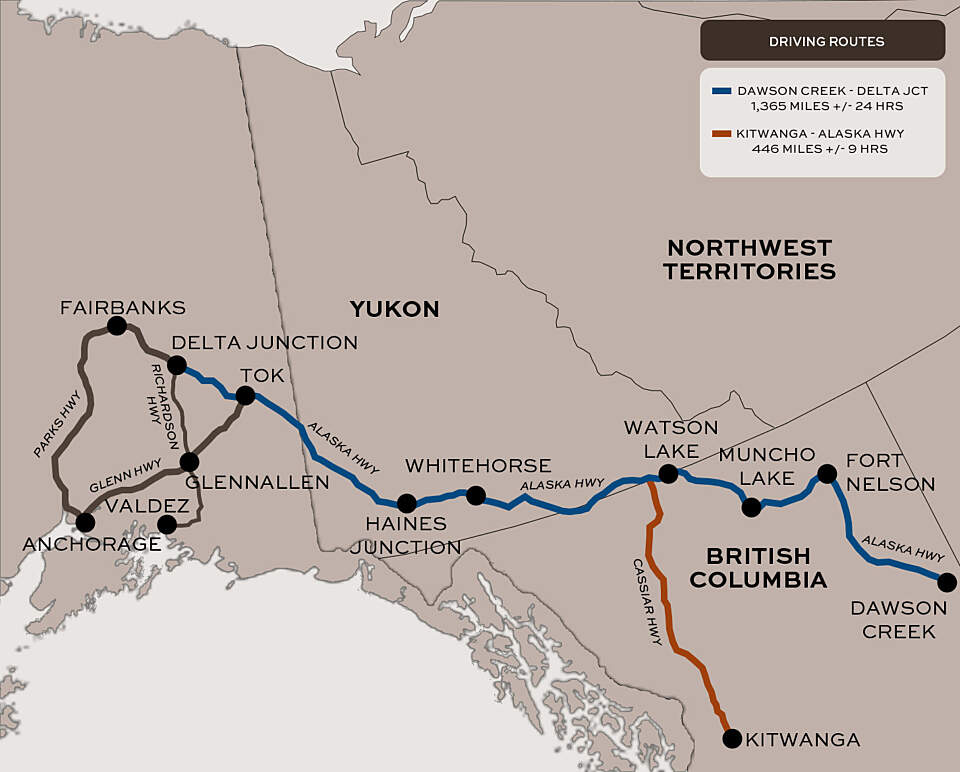
The principal artery connecting the contiguous United States to Alaska by road is the Alaska Highway, also known as the Alcan Highway. Stretching approximately 1,387 miles (2,232 km) from Dawson Creek, British Columbia, to Delta Junction, Alaska, it was originally built during World War II. Today, it is almost entirely paved and well-maintained.
While the Alaska Highway is the most common and direct route, other scenic alternatives can be incorporated:
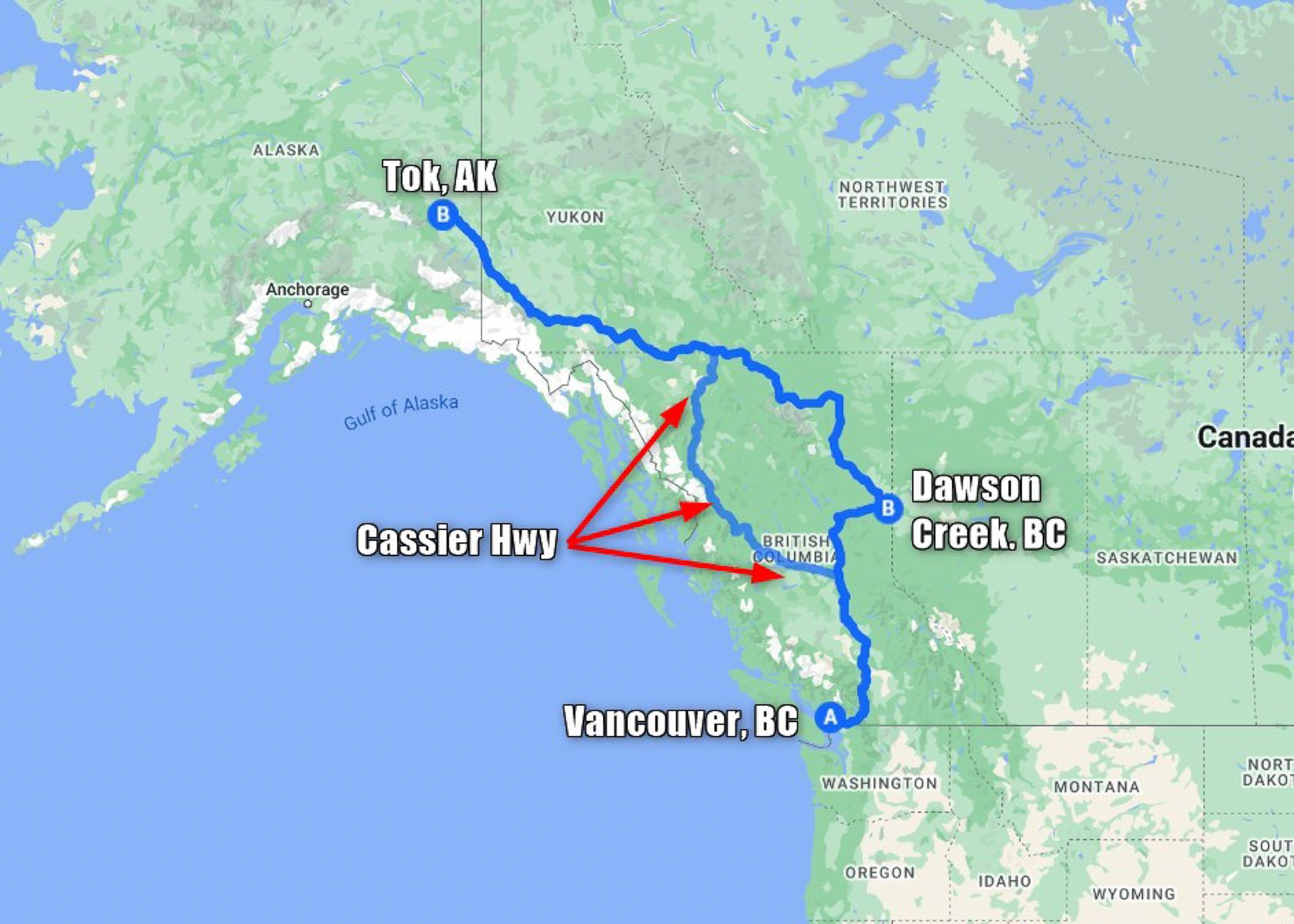
- The Cassiar Highway (Highway 37 in British Columbia): This route offers a more wilderness-focused experience, departing from Prince George or Kitwanga and rejoining the Alaska Highway near Watson Lake in the Yukon. It’s generally less traveled, potentially wilder, and traverses spectacular mountain scenery, including access to Stewart and Hyder, often dubbed “The Friendliest Ghost Town in Alaska.”
- Marine Highway Options: For those who prefer a mix of driving and cruising, the Alaska Marine Highway System offers ferry services from Bellingham, Washington, or Prince Rupert, British Columbia, connecting to various Alaskan coastal communities. While not a pure driving route, it allows you to bring your vehicle and bypass some driving, particularly to cities like Juneau, which are not accessible by road.
Essential Vehicle Preparations
Your vehicle is your lifeline on this journey. A thorough inspection is paramount.
- Tires: Ensure good tread depth, proper inflation, and consider a full-size spare tire. Some travelers opt for all-terrain or even dedicated winter tires if traveling in colder months.
- Fluids: Check and top off all fluids – oil, coolant, brake fluid, power steering fluid, and windshield washer fluid. Bring extra.
- Brakes: Inspect brake pads and rotors.
- Battery: Test its condition, especially if it’s older. Cold weather can be harsh on batteries.
- Emergency Kit: Include jumper cables, a flashlight, basic tools, first-aid supplies, emergency flares, warm blankets, and plenty of non-perishable food and water.
- Fuel Management: Distances between fuel stops can be significant, especially in the Yukon and northern British Columbia. Consider carrying an extra jerry can of fuel, particularly for larger vehicles or those with smaller tanks.
- Rock Chip Protection: Gravel trucks are common. Consider a protective bra for your front end or clear film for your windshield.
Documentation and Border Crossings
Crossing the Canada-United States border requires specific documentation.
- Passport: A valid passport is essential for all travelers, including children. Enhanced driver’s licenses or NEXUS cards are also accepted for U.S. and Canadian citizens, but a passport is the most universally accepted form of ID.
- Vehicle Registration and Insurance: Carry your current vehicle registration and proof of insurance. Ensure your insurance covers you in Canada.
- Vehicle Importation (if applicable): If driving a rented vehicle, check with the rental company about cross-border travel permissions.
- COVID-19 and other health requirements: Always check the latest entry requirements for both Canada and the United States closer to your travel date, as these can change.
- Firearms and Prohibited Items: Be aware of strict regulations regarding firearms, cannabis, and other prohibited items when crossing the border. It’s best to leave firearms at home unless you are absolutely certain of Canadian regulations and have declared them properly.
Navigating the Iconic Alaska Highway: What to Expect
The drive along the Alaska Highway is a journey through diverse ecosystems and historical landmarks. It’s a route that demands attention but rewards with unparalleled natural beauty.
Key Stops and Scenic Overlooks
From its official start in Dawson Creek, marked by the “Mile 0” post, the highway unfolds with a series of memorable stops:
- Fort St. John, British Columbia: The “Energetic City,” offering amenities and services.
- Fort Nelson, British Columbia: Gateway to the Northern Rockies.
- Liard River Hot Springs Provincial Park, British Columbia: A natural oasis with boardwalks leading to beautiful thermal pools, perfect for a relaxing soak.
- Watson Lake, Yukon Territory: Home to the famous Sign Post Forest, where visitors from around the world leave signs from their hometowns.
- Whitehorse, Yukon Territory: The capital and largest city of the Yukon, offering full services, museums, and historical sites like the S.S. Klondike National Historic Site.
- Kluane National Park and Reserve, Yukon Territory: Home to Mount Logan, Canada’s highest peak, this park offers breathtaking glacier views, hiking, and wildlife viewing opportunities.
- Tok, Alaska: Known as the “Gateway to Alaska,” this small town is often the first major stop within the state, providing services and information.
Fuel, Food, and Lodging Along the Way
While the Alaska Highway is well-serviced, planning for fuel, food, and accommodation is crucial, especially during peak season or in more remote stretches.
- Fuel: Fuel stops are generally available every 50-100 miles (80-160 km) in British Columbia but can be further apart in the Yukon. Always fill up when you see an opportunity, especially if your tank is half-full. Diesel can be less readily available in some areas.
- Food: Most communities along the highway offer restaurants, diners, and grocery stores. However, carrying snacks, drinks, and easy-to-prepare meals is highly recommended, especially for picnics at scenic pullouts.
- Lodging: A variety of accommodations exist, from motels and lodges in towns to rustic cabins and campgrounds. During peak summer months, popular spots can fill up quickly, so consider booking ahead, especially in smaller communities or near major attractions. Many travelers choose to camp, utilizing the numerous provincial and territorial campgrounds.
Wildlife Encounters and Safety Precautions
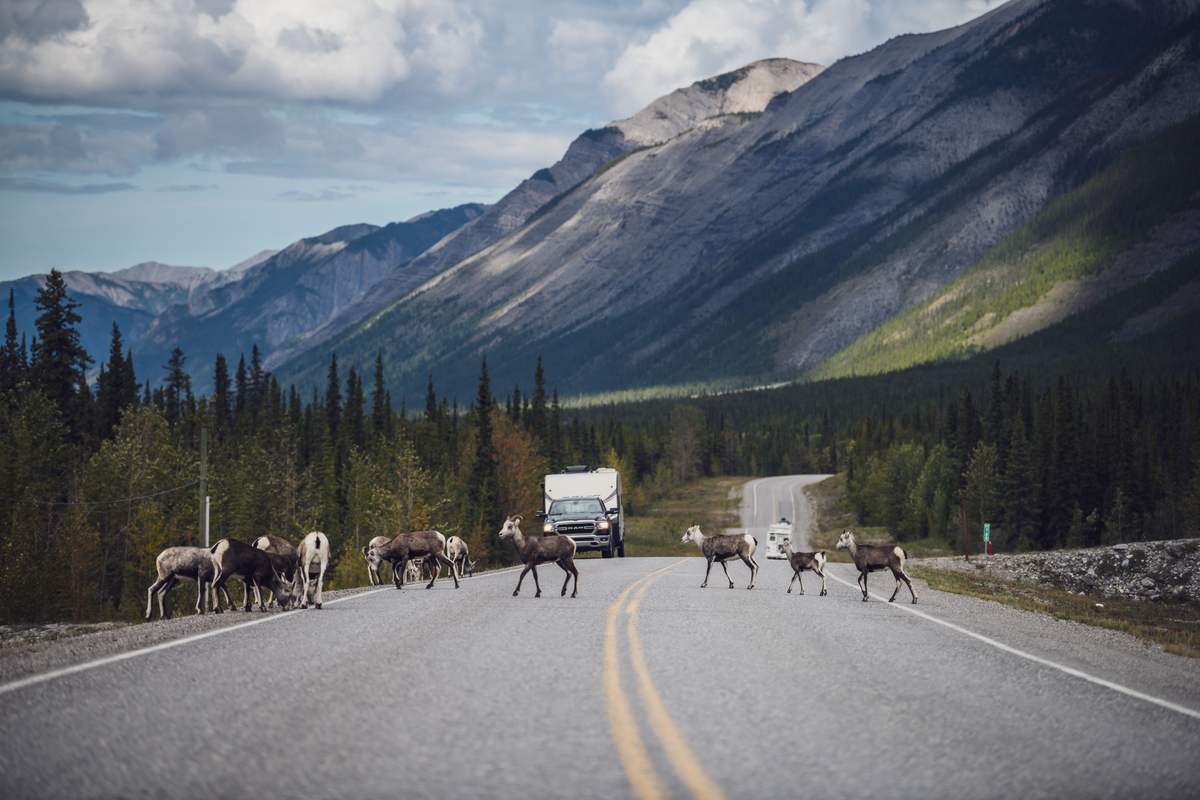
The Alaska Highway is renowned for its wildlife. Bear, moose, caribou, deer, and sheep are commonly sighted.
- Driving Safely: Be vigilant, especially at dawn, dusk, and night, when animals are most active. Collisions with large animals can be devastating. Slow down, especially around curves and in areas with warning signs.
- Wildlife Viewing: Always maintain a safe distance from animals. Never feed them. If you spot wildlife, pull over safely and enjoy the moment from a distance.
- Bear Safety: If camping, store all food and scented items in bear-proof containers or your vehicle. Carry bear spray and know how to use it.
Beyond the Alaska Highway: Exploring Alaska’s Interior and Coastal Gems
Once you reach Delta Junction, the traditional end of the Alaska Highway, a vast network of roads opens up, leading to Alaska’s diverse regions.
Fairbanks and the Interior
North from Delta Junction, the Richardson Highway leads to Fairbanks, Alaska’s second-largest city and a hub for exploring the Interior.
- Fairbanks: Known for its midnight sun in summer and the aurora borealis in winter, Fairbanks offers cultural attractions like the University of Alaska Museum of the North and gold mining history at sites like Pioneer Park.
- Access to the Arctic: From Fairbanks, adventurous travelers can embark on a drive up the Dalton Highway (or “Haul Road”) towards the Arctic Ocean at Prudhoe Bay. This is a demanding, largely gravel road requiring significant preparation and a rugged vehicle.
Anchorage and the Kenai Peninsula
South from Delta Junction, the Richardson Highway eventually connects to the Glenn Highway, leading to Anchorage, Alaska’s largest city.
- Anchorage: A vibrant city nestled between mountains and the sea, offering diverse dining, cultural experiences, and easy access to outdoor activities.
- Kenai Peninsula: A popular side trip from Anchorage, this peninsula boasts incredible scenery and recreation.
- Seward: Gateway to Kenai Fjords National Park, offering glacier cruises and fishing.
- Homer: Known as the “Halibut Fishing Capital of the World” and famous for its scenic Homer Spit and arts community.
- Soldotna: A prime spot for Kenai River salmon fishing.
- Denali National Park and Preserve: Accessible via the George Parks Highway from either Anchorage or Fairbanks, this park is home to Denali (formerly Mount McKinley), North America’s highest peak, and incredible wildlife viewing opportunities. Private vehicles are generally restricted beyond a certain point, with bus tours offering deeper access.
Coastal Drives and Ferry Connections
While most of Alaska’s road network is inland, some scenic coastal drives are possible.
- Glenn Highway and Richardson Highway to Valdez: This stunning route takes you past glaciers, through mountain passes, and along the scenic Prince William Sound to Valdez, known as “Little Switzerland” due to its dramatic setting. From Valdez, you can catch a ferry to other coastal communities if desired.
Packing Smart for the Alaskan Wilderness
Given the variability of Alaskan weather and the remoteness of some areas, thoughtful packing is essential for comfort and safety.
Clothing Layers for Varied Weather
Even in summer, Alaska can experience rapid weather changes.
- Base Layers: Moisture-wicking synthetics or wool to keep you dry.
- Mid-Layers: Fleece or down for insulation.
- Outer Layers: Waterproof and windproof jacket and pants are crucial.
- Accessories: Warm hat, gloves, and sturdy, waterproof hiking boots are non-negotiable.
Emergency Kits and Communication Devices
Beyond vehicle-specific emergency items, personal safety gear is vital.
- First-Aid Kit: Comprehensive and easily accessible.
- Maps and GPS: While cell service is intermittent, reliable paper maps and a standalone GPS are invaluable. Download offline maps for your smartphone as a backup.
- Satellite Messenger/Phone: For truly remote areas, a satellite communication device can be a lifesaver.
- Power Bank: To keep electronic devices charged.
Camping Gear and Outdoor Essentials
If you plan to camp, quality gear makes all the difference.
- Tent: A three-season or four-season tent suitable for wind and rain.
- Sleeping Bag: Rated for cooler temperatures, even in summer, as nights can be chilly.
- Cooking Gear: A portable stove, fuel, and basic cooking utensils if you plan to self-cater.
- Bear Canister/Bag: For proper food storage if backpacking or camping in designated wilderness areas.
Seasonal Considerations and Best Times to Drive
The experience of driving to Alaska changes dramatically with the seasons.
Summer Adventures: Long Days and Accessibility
- June to August: This is the peak season, offering the longest daylight hours (including the midnight sun further north), warmest temperatures, and full accessibility to roads and services. Wildlife is abundant, and all attractions are open. This is the most popular time for good reason. Be prepared for crowds and higher prices for lodging and tours.
Shoulder Seasons: Fewer Crowds, Unique Challenges
- May and September: These months offer a quieter experience with fewer tourists, often lower prices, and stunning transitional landscapes.
- May: Snow may still be present in higher elevations, and some services might not yet be fully open. Wildflowers begin to bloom, and wildlife is active.
- September: Fall colors explode across the landscape, making for incredibly scenic drives. Temperatures are cooler, and services begin to wind down towards the end of the month. Be prepared for potentially snowy conditions, especially late September.
Winter Driving: An Expedition for the Experienced
- October to April: Driving to Alaska in winter is a challenging but rewarding endeavor for experienced winter drivers.
- Conditions: Expect snow, ice, extreme cold, limited daylight, and reduced services. Roads are maintained but can be treacherous.
- Preparation: A fully winterized vehicle, comprehensive emergency supplies, and expert winter driving skills are absolutely mandatory.
- Rewards: The silence of a snow-covered landscape, fewer people, and the heightened possibility of seeing the Northern Lights make this a truly unique adventure for the prepared.
No matter the season, the drive to Alaska is an unforgettable journey that combines the thrill of the open road with the majesty of untamed wilderness. With thorough preparation and an adventurous spirit, it’s a trip that promises memories to last a lifetime.
LifeOutOfTheBox is a participant in the Amazon Services LLC Associates Program, an affiliate advertising program designed to provide a means for sites to earn advertising fees by advertising and linking to Amazon.com. Amazon, the Amazon logo, AmazonSupply, and the AmazonSupply logo are trademarks of Amazon.com, Inc. or its affiliates. As an Amazon Associate we earn affiliate commissions from qualifying purchases.