
Florida, often envisioned as a sun-drenched paradise of pristine beaches and vibrant theme parks, might not be the first place that springs to mind when discussing tornadoes. However, the Sunshine State does experience these formidable weather phenomena, albeit with characteristics that often differentiate them from the stereotypical twisters of the Great Plains. Understanding the nuances of Florida’s tornado activity is crucial for any traveler or resident planning their visit or life in this popular tourist destination. This exploration delves into the reality of tornadoes in Florida, their typical patterns, and what visitors and locals should know.
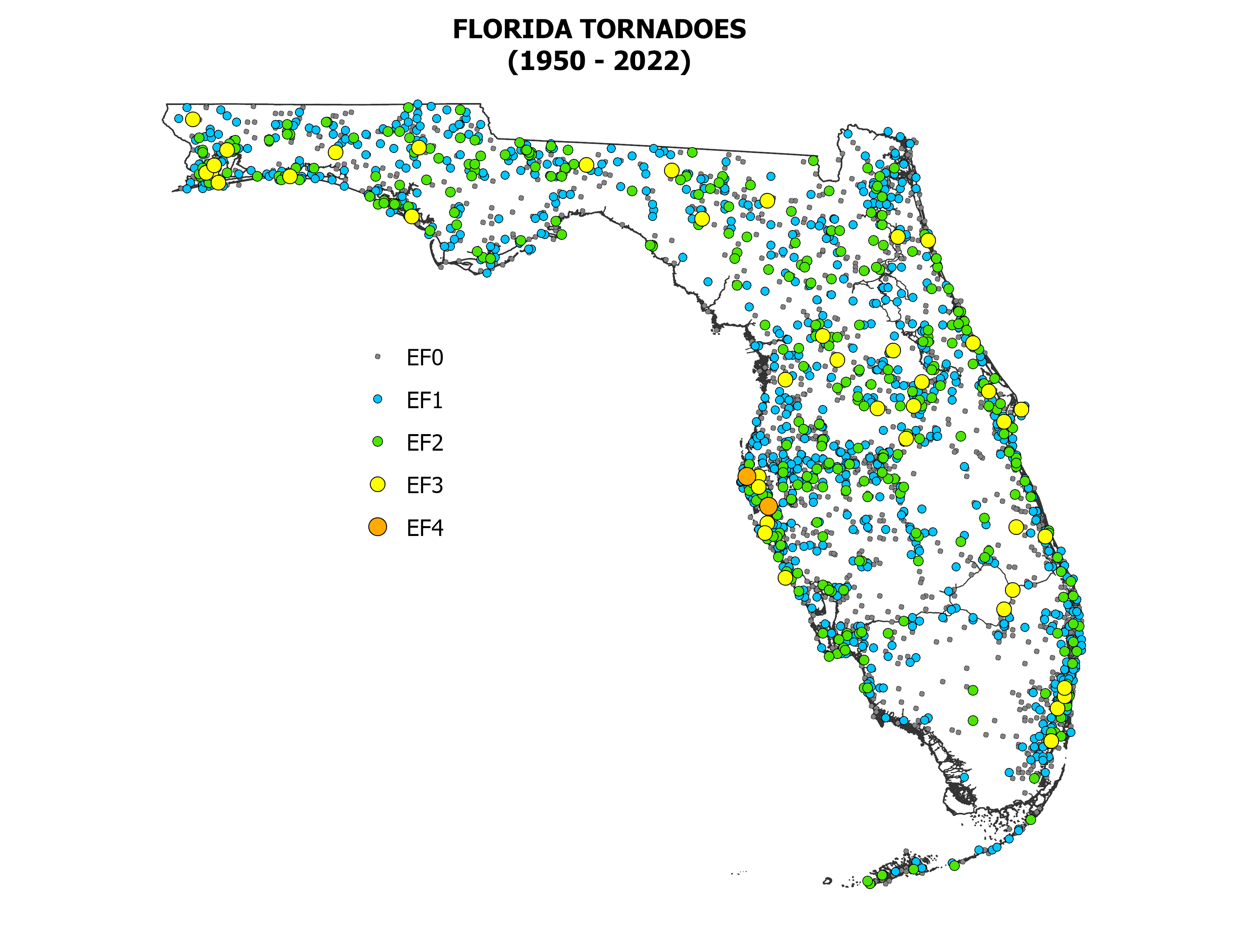
Understanding Florida’s Tornado Landscape
While Florida is not in “Tornado Alley,” a region notorious for intense tornado outbreaks, it possesses a unique set of atmospheric conditions that can foster tornado development. The state’s geographical location, coupled with its subtropical climate, creates a fertile ground for severe thunderstorms, which are the precursors to most tornadoes.
The Role of Geography and Climate
Florida’s peninsula is surrounded by water, leading to high humidity levels year-round. This moisture is a critical ingredient for the formation of thunderstorms. Furthermore, the collision of warm, moist air from the Gulf of Mexico and the Atlantic Ocean with cooler, drier air masses, often originating from the north or west, can create instability in the atmosphere. This instability is the engine that drives the powerful updrafts necessary for the development of supercell thunderstorms, the most dangerous type of storm capable of producing tornadoes. The frequent interaction of these air masses, particularly during the spring and summer months, increases the likelihood of severe weather events, including tornadoes.
Seasonal Patterns and Associated Weather
Tornado activity in Florida is not uniformly distributed throughout the year. The peak season for tornado formation generally aligns with the period when severe thunderstorms are most common.
Spring and Summer Tornadoes
From roughly March through July, Florida experiences a significant increase in tornado occurrences. This is largely due to the clash of air masses mentioned earlier. These storms often develop rapidly and can be associated with severe thunderstorms that bring heavy rain, lightning, hail, and strong winds. The tornadoes that form during this period are often described as “landspouts” or weaker tornadoes, but they can still cause considerable damage.
The Influence of Hurricanes
A unique aspect of Florida’s tornado risk is their association with hurricanes. As a hurricane makes landfall or moves inland across the state, the intense rotation and severe thunderstorms embedded within the storm’s rain bands can spawn tornadoes. These tornadoes often occur in the outer bands of the hurricane and can be unpredictable. While the overwhelming destructive power of a hurricane often overshadows the threat of individual tornadoes, these twisters can add another layer of danger to an already hazardous situation. Tourists and residents should be aware that hurricane season, from June 1 to November 30, also presents a heightened risk of tornado activity.
Types of Tornadoes in Florida
The tornadoes observed in Florida often differ in formation and intensity from those commonly seen in other parts of the United States. Understanding these distinctions can help in assessing the risk and preparing accordingly.
Landspouts vs. Supercell Tornadoes
While supercell thunderstorms are capable of producing the most violent and long-lived tornadoes, Florida sees a higher proportion of “landspouts.” Landspouts are a type of tornado that forms differently. They do not require a pre-existing supercell thunderstorm. Instead, they develop from the ground up, typically originating from a rapidly rotating column of air near the surface. This rotation is often initiated by a developing thunderstorm or even just a strong gust front. Landspouts are generally weaker than supercell tornadoes, with lower wind speeds, and they tend to be shorter-lived. However, they can still pose a significant threat to life and property, especially in populated areas.
The Impact of Water
Given Florida’s extensive coastline and numerous lakes and rivers, it is not uncommon for tornadoes to form over water and move ashore, or vice-versa. Tornadoes that form over water are called waterspouts. When a waterspout moves inland, it becomes a tornado. Similarly, a tornado that moves offshore can become a waterspout. While waterspouts are often weaker than their land-based counterparts, they can still pose a danger to boats and coastal communities.
Safety and Preparedness for Florida Visitors
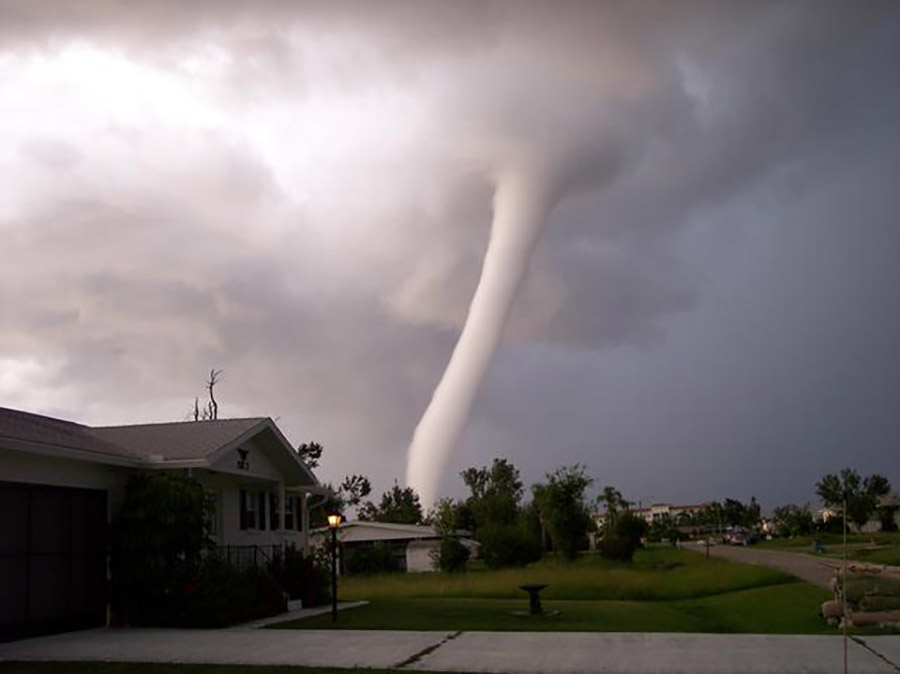
For those planning a trip to the Sunshine State, or for residents who call it home, understanding tornado safety is paramount. While the probability of encountering a tornado might be lower than in other regions, preparedness is always key when it comes to severe weather.
Understanding Warning Systems
Florida utilizes a comprehensive network of warning systems to alert the public about impending severe weather, including tornadoes.
National Weather Service Alerts
The National Weather Service (NWS) plays a critical role in issuing tornado watches and warnings. A tornado watch means that conditions are favorable for tornadoes to develop in the area. During a watch, it is important to stay informed and monitor weather updates. A tornado warning means that a tornado has been sighted or indicated by weather radar, and immediate action is required. These warnings are typically disseminated through NOAA Weather Radio, local television and radio broadcasts, and wireless emergency alerts sent to mobile phones. Many hotels and attractions in Florida also have their own internal alert systems.
Local Emergency Management
Each county in Florida has its own emergency management agency responsible for coordinating local response efforts. These agencies often provide specific guidance and shelters for residents and visitors during severe weather events. Familiarizing yourself with the local emergency management website or social media feeds can provide valuable real-time information.
Preparing Your Accommodation
Whether you are staying in a luxury resort on the Gulf Coast or a cozy vacation rental in Orlando, your accommodation should be a place of safety during a tornado threat.
Hotel Safety Protocols
Most reputable hotels and resorts in Florida have established emergency preparedness plans. Upon check-in, it is advisable to inquire about the hotel’s tornado safety procedures. Key information to obtain includes the location of designated safe areas within the building, such as interior rooms on the lowest floor, away from windows. Familiarize yourself with the nearest stairwells and emergency exits. In the event of a tornado warning, follow the instructions of hotel staff immediately.
Vacation Rental Preparedness
For those staying in vacation rentals, preparedness is primarily the responsibility of the renter. Before booking, consider the property’s location and proximity to potential shelter areas. If possible, identify the safest room in the house – typically an interior bathroom, closet, or hallway on the lowest level. Ensure you have a battery-powered NOAA Weather Radio or a reliable way to receive alerts.
The Visitor Experience and Tornadoes
For tourists visiting Florida, the possibility of encountering severe weather, including tornadoes, is a reality that should be factored into travel plans, especially during the peak seasons.
Choosing Your Destination Wisely
While tornadoes can occur anywhere in Florida, certain areas might experience them more frequently than others. Coastal regions, particularly the central and western parts of the Panhandle, and inland areas that frequently experience strong thunderstorm development, may see more activity. However, it is important to remember that even areas with lower historical tornado activity can experience severe weather. Researching the specific weather patterns of your chosen destination and the time of your visit can be beneficial.

Embracing Preparedness as Part of the Adventure
Experiencing a tornado warning while on vacation can be unsettling, but with proper preparation, it can be managed safely. Think of it as an unexpected, albeit serious, part of your Florida adventure. Knowing where to go, how to stay informed, and following official guidance will ensure your safety. Many Floridians have learned to coexist with these powerful storms, and with awareness and preparedness, visitors can too. The beauty and allure of Florida, from the Everglades National Park to the vibrant streets of Miami, remain undeniable, and a little meteorological foresight ensures that your trip is one of sunshine and unforgettable memories, rather than unexpected weather concerns.
LifeOutOfTheBox is a participant in the Amazon Services LLC Associates Program, an affiliate advertising program designed to provide a means for sites to earn advertising fees by advertising and linking to Amazon.com. Amazon, the Amazon logo, AmazonSupply, and the AmazonSupply logo are trademarks of Amazon.com, Inc. or its affiliates. As an Amazon Associate we earn affiliate commissions from qualifying purchases.