
Navigating the Sunshine State on two wheels offers an unparalleled sense of freedom and adventure. From the vibrant streets of Miami to the historic charm of St. Augustine, Florida beckons riders with its diverse landscapes and captivating attractions. However, before you rev your engine and embrace the open road, understanding the local regulations is paramount to ensuring a safe and enjoyable journey. Chief among these are the laws governing motorcycle helmet use, a topic that often sparks discussion among both seasoned riders and those new to the state’s motorcycle culture.

Understanding Florida’s Motorcycle Helmet Laws
Florida’s approach to motorcycle helmet mandates has evolved over the years, reflecting a balance between personal freedom and public safety. The current legislation, enacted to enhance rider protection, dictates specific conditions under which helmet use is required. This nuanced legal framework is crucial for any motorcyclist planning to ride in Florida, whether for a short excursion or an extended road trip.
The Core Legislation: Senate Bill 1118
The primary piece of legislation governing motorcycle helmet use in Florida is Senate Bill 1118, which went into effect on July 1, 2000. This bill significantly altered the landscape of helmet requirements, moving away from a universal mandate to a more conditional approach. The intent behind this legislation was to reduce rider fatalities and serious injuries while also acknowledging the rights of experienced riders.
Who Must Wear A Helmet?
Under current Florida law, all individuals operating or riding as a passenger on a motorcycle are required to wear a helmet unless they meet specific criteria. These criteria are designed to ensure that riders who choose not to wear a helmet possess a certain level of experience and are adequately insured.
The exceptions to the mandatory helmet law are as follows:
- Age Requirement: The rider must be 21 years of age or older.
- Insurance Coverage: The rider must have medical benefits coverage of at least $10,000, or the motorcycle must have property damage liability coverage of at least $10,000.
- Completion of Safety Course: The rider must have completed a motorcycle safety course approved by the Department of Highway Safety and Motor Vehicles or recognized by the Motorcycle Safety Foundation.
It is important to note that these conditions are conjunctive, meaning all must be met simultaneously to be exempt from wearing a helmet. If any one of these conditions is not satisfied, the rider is legally obligated to wear a helmet.
The Purpose of the Exceptions
The exceptions were introduced with the understanding that riders who are older, have adequate insurance, and have undergone formal safety training might possess a higher degree of awareness and skill, potentially mitigating some of the risks associated with not wearing a helmet. The insurance requirement aims to cover potential medical costs should an accident occur, thereby reducing the burden on public resources. The safety course completion underscores the importance of education and responsible riding practices.
The Importance of Helmet Use: Safety Above All
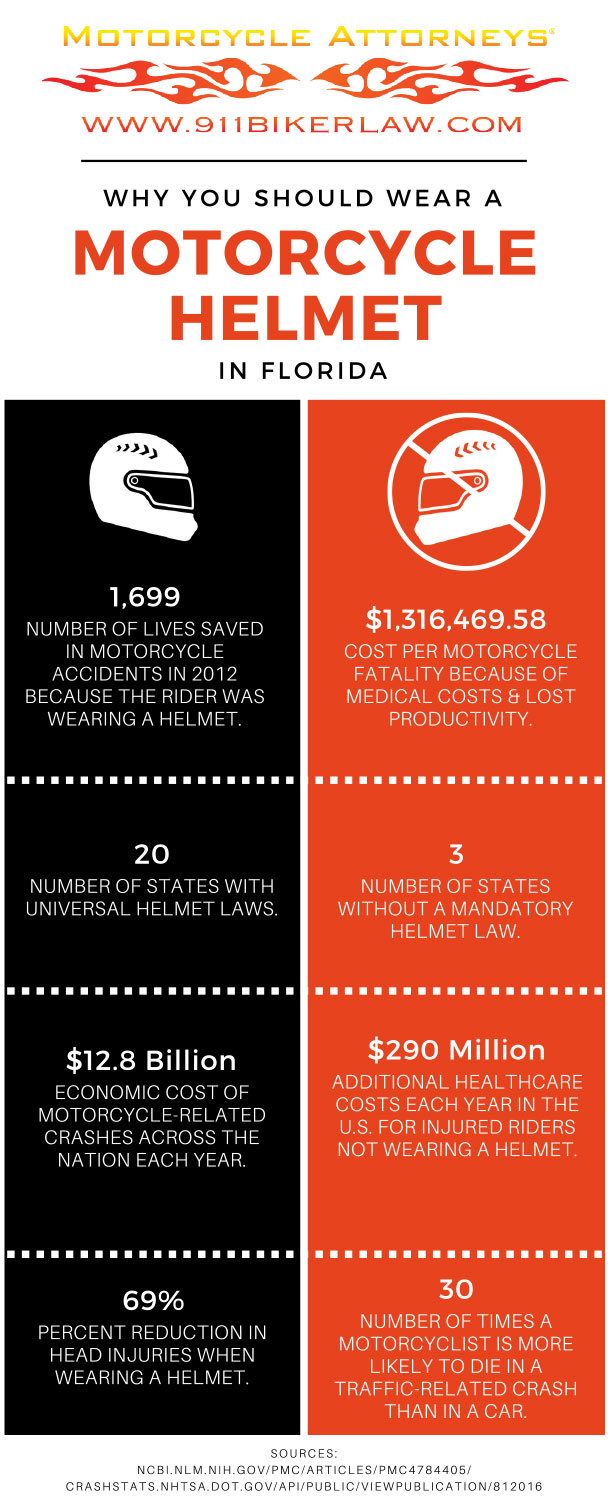
While Florida law provides certain exemptions, the overwhelming consensus among safety experts and law enforcement agencies is that wearing a motorcycle helmet significantly enhances rider safety. The potential consequences of a motorcycle accident, even at low speeds, can be severe, and a helmet is the single most effective piece of safety equipment a rider can utilize.
Protection Against Head Injuries
The primary function of a motorcycle helmet is to protect the rider’s head from impact during a crash. The head is one of the most vulnerable parts of the body, and head injuries, ranging from concussions to severe traumatic brain injuries, can have devastating and life-altering consequences. Helmets are designed to absorb and dissipate the force of impact, thereby reducing the risk and severity of such injuries. Studies by organizations like the National Highway Traffic Safety Administration (NHTSA) consistently demonstrate that helmets drastically reduce the risk of fatal head injuries.
Visibility and Rider Identification
Beyond direct impact protection, helmets can also contribute to a rider’s visibility on the road. Brightly colored helmets can make motorcyclists more noticeable to other drivers, potentially preventing accidents. Furthermore, in the event of an accident, a helmet can aid in the identification of the rider, which is crucial for emergency responders.
Legal Ramifications of Non-Compliance
Failing to adhere to Florida’s helmet laws can result in citations and fines. Law enforcement officers are tasked with enforcing these regulations, and riders found to be in violation may face legal penalties. These penalties can vary, but they typically involve monetary fines. Beyond the financial implications, the most significant consequence of not wearing a helmet when required is the increased risk of serious injury or death in the event of an accident.
Choosing the Right Helmet: A Critical Decision
For riders who are required to wear a helmet, or for those who choose to wear one regardless of the legal mandate, selecting the appropriate head protection is a critical decision. Not all helmets are created equal, and understanding the different types and features available can help ensure optimal safety.
Types of Motorcycle Helmets
Motorcycle helmets come in various styles, each offering different levels of coverage and protection:
- Full-Face Helmets: These offer the most comprehensive protection, covering the entire head and chin. They typically include a full face shield to protect the eyes and face from debris and weather. Full-face helmets are generally considered the safest option.
- Modular Helmets (Flip-Up): Similar to full-face helmets, modular helmets also provide full coverage. However, their chin bar can be lifted, offering convenience for communication or short breaks. While they offer good protection when closed, the mechanics of the hinge can be a point of concern for some in extreme impact scenarios compared to a one-piece full-face shell.
- Open-Face Helmets (3/4 Helmets): These helmets cover the top, back, and sides of the head but leave the face and chin exposed. They often come with a smaller visor to shield the eyes from the sun and elements. While offering more protection than a half helmet, they do not protect the chin or face.
- Half Helmets: These are the most minimal type of helmet, covering only the top part of the head. They offer the least amount of protection and are often chosen for their lightweight feel and open-air experience. Many safety advocates advise against half helmets due to their limited coverage.
Safety Standards and Certifications
When purchasing a helmet, it is essential to look for safety certifications. The most widely recognized standard in the United States is the DOT (Department of Transportation) certification. Helmets that bear the DOT sticker have been tested to meet minimum federal safety standards.
Another highly regarded certification is the Snell Memorial Foundation standard. Snell-certified helmets undergo more rigorous testing than DOT standards and are often considered the gold standard for impact protection. While Snell certification is voluntary for manufacturers, it signifies a higher level of safety.
Fit and Comfort: Essential for Effective Protection
A helmet’s effectiveness is directly tied to its fit. A helmet that is too loose will not stay in place during an impact, and one that is too tight can be uncomfortable, leading riders to avoid wearing it.
- Proper Fit: A properly fitted helmet should feel snug all around your head, without any pressure points. It should not move forward, backward, or side-to-side when you shake your head. The cheek pads should lightly press against your cheeks.
- Chin Strap: The chin strap should be fastened snugly. You should only be able to fit one or two fingers between the strap and your chin.
- Comfort: While safety is paramount, comfort is also important, especially for longer rides. A comfortable helmet will encourage consistent use. Consider features like ventilation systems, which can help regulate temperature during warm Florida days.
Riding Safely in Florida: Beyond Helmet Laws
While understanding and adhering to helmet laws is a critical aspect of motorcycle safety in Florida, it is just one piece of a larger puzzle. Responsible riding involves a comprehensive approach to safety that includes awareness, skill, and preparation.
Defensive Riding Techniques
Florida’s roads can be busy, with a constant flow of vehicles, pedestrians, and other potential hazards. Practicing defensive riding techniques is essential for motorcyclists. This involves:
- Constant Vigilance: Always be aware of your surroundings and anticipate the actions of other road users.
- Maintaining Safe Following Distances: Give yourself ample space to react and brake if necessary.
- Lane Positioning: Position yourself in the lane to maximize visibility and avoid blind spots.
- Scanning: Regularly scan ahead, to the sides, and behind you.
Understanding Florida’s Traffic Laws
Beyond helmet regulations, familiarize yourself with all relevant Florida traffic laws pertaining to motorcycles. This includes rules regarding lane splitting (which is generally prohibited in Florida), signaling, speed limits, and operating under the influence. Knowledge of these laws not only ensures compliance but also contributes to safer riding practices.
Equipping Yourself for the Ride
Beyond a helmet, consider other protective gear that can significantly enhance your safety. This includes:
- Eye Protection: Whether a helmet face shield or separate goggles, protecting your eyes is vital.
- Protective Clothing: Abrasion-resistant jackets and pants made from materials like leather or specialized textiles can protect your skin from road rash in the event of a fall.
- Gloves: Gloves protect your hands from abrasions and can improve grip.
- Sturdy Footwear: Boots that cover your ankles offer protection and support.
Planning Your Florida Motorcycle Adventures
Whether you are planning to cruise along the scenic Overseas Highway to the Florida Keys, explore the unique ecosystems of the Everglades, or experience the thrill of theme parks in Orlando, Florida offers an abundance of motorcycle-friendly routes and destinations. By prioritizing safety, understanding and adhering to local laws like helmet regulations, and equipping yourself properly, you can ensure your Florida motorcycle adventures are as safe and memorable as possible. Remember, the freedom of the open road is best enjoyed when you are protected.
LifeOutOfTheBox is a participant in the Amazon Services LLC Associates Program, an affiliate advertising program designed to provide a means for sites to earn advertising fees by advertising and linking to Amazon.com. Amazon, the Amazon logo, AmazonSupply, and the AmazonSupply logo are trademarks of Amazon.com, Inc. or its affiliates. As an Amazon Associate we earn affiliate commissions from qualifying purchases.