
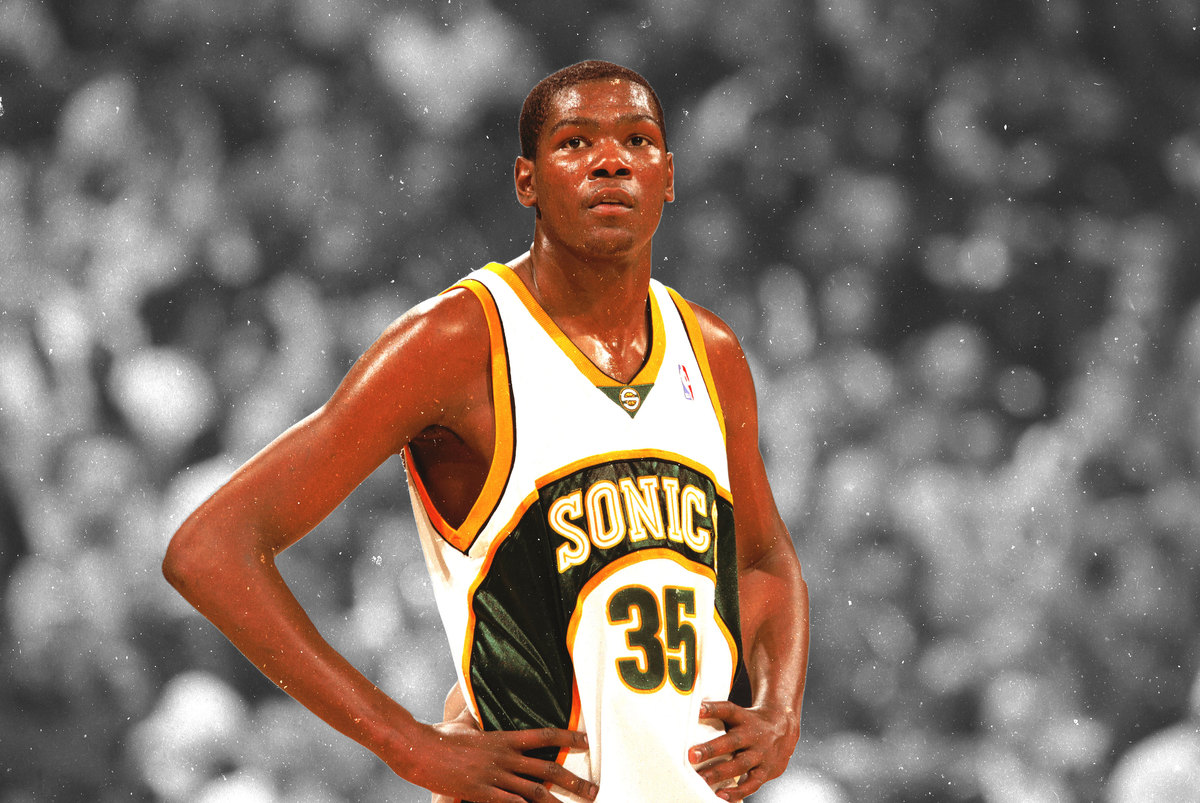
The departure of the Seattle Sonics from their beloved home city of Seattle in 2008 remains a sore point for many sports enthusiasts and a significant moment in the city’s cultural and economic history. The National Basketball Association (NBA) franchise, once a source of immense civic pride, moved to Oklahoma City and was rebranded as the Oklahoma City Thunder. This relocation was not a sudden, impulsive decision but rather the culmination of years of complex negotiations, financial considerations, and a clash of interests between the team’s ownership and the city’s leadership. Understanding the intricacies of this move provides valuable insight into the dynamics of professional sports team ownership, urban development, and the emotional bonds between communities and their athletic representatives.
The Quest for a New Arena: A Lingering Issue
The primary catalyst for the Sonics’ departure was the unresolved issue of a modern, state-of-the-art arena. The original home of the Sonics, the Seattle Center Coliseum (later renamed KeyArena), while historic, had become increasingly outdated. Built for the 1962 Seattle World’s Fair, it lacked the amenities and revenue-generating opportunities that modern NBA arenas offered. These included luxury suites, premium seating, and enhanced fan experiences, all of which are crucial for maximizing team profitability.
Ownership’s Push for Public Funding
For years, the ownership groups of the Sonics repeatedly lobbied for public funding or assistance in building a new arena. The argument was that the existing facility was insufficient to compete financially in the lucrative NBA landscape. They contended that a new venue would not only benefit the team but also serve as a catalyst for broader urban development and economic growth, attracting concerts, conventions, and other major events.
- The Economic Argument: Owners often present a compelling case for public investment by highlighting the projected economic benefits: job creation, increased tourism, and a boost to local businesses. They typically emphasize that the team itself is a business that requires a competitive infrastructure to thrive and remain in the city.
- The “Build It and They Will Come” Philosophy: The idea behind seeking public funds is often rooted in the belief that a significant public investment in sports infrastructure will yield returns through increased economic activity and civic engagement. This is a common narrative in sports economics, though its efficacy is often debated.
- Legal and Political Battles: The struggle for arena funding in Seattle was marked by protracted legal and political battles. Various proposals were put forth, debated, and often rejected by city and state officials who were hesitant to commit significant taxpayer dollars to a private enterprise, especially when other pressing public needs existed.
The Role of the City and State Governments
The city and state governments, on the other hand, faced considerable pressure from taxpayers and advocacy groups who questioned the wisdom of subsidizing wealthy sports owners. They often pointed to the potential for private sector investment and argued that the financial risks should not be borne by the public.
- Fiscal Responsibility: Elected officials are tasked with managing public funds responsibly. The decision to allocate millions of taxpayer dollars towards a new arena for a privately owned sports franchise is a weighty one, often met with public skepticism.
- Alternative Investments: Many argued that the funds earmarked for an arena could be better spent on essential public services such as education, transportation, or infrastructure improvements that benefit a wider segment of the population.
- The Seattle SuperSonics as a Public Asset: While a private entity, the Sonics were also viewed by many as a public asset, a source of community identity and pride. This created a complex dilemma for policymakers, torn between fiscal prudence and the desire to retain a beloved institution.
Ownership Changes and Shifting Priorities
The ownership landscape of the Seattle Sonics was also a significant factor in their eventual move. Multiple ownership groups held the team over the years, each with varying levels of commitment to Seattle and different financial objectives.
The Influence of Howard Schultz and the Sale to Clay Bennett
Howard Schultz, the former CEO of Starbucks, owned the Sonics for a period. While he invested in the team and tried to find solutions for the arena issue, he ultimately sold the franchise. The subsequent sale to an ownership group led by Clay Bennett in 2006 proved to be a turning point. Bennett and his associates, based in Oklahoma City, had a documented history of relocating sports franchises, and their acquisition of the Sonics raised immediate concerns among Seattle fans.
- Howard Schultz‘s Commitment: Schultz had a deep personal connection to the team and the city, having grown up in Seattle. His efforts to keep the team in Seattle were genuine, but the financial realities and the lack of progress on an arena proved insurmountable for his ownership.
- Clay Bennett’s Business Model: Bennett’s ownership group was known for its aggressive pursuit of new venues and its willingness to move teams if a more favorable financial environment could be found elsewhere. This inherent predisposition towards relocation was a significant red flag for Seattle sports fans.
- The Sale Agreement: The terms of the sale to Bennett’s group included a clause that allowed the team to be moved if a new arena agreement was not reached within a specified timeframe. This effectively put Seattle on the clock and intensified the pressure for a quick resolution.
The Legal Battle for Relocation
Once Bennett’s group took over, the push for relocation became more pronounced. Despite continued negotiations with the city, the ownership group eventually pursued legal avenues to break the lease at KeyArena and secure the rights to move the team.

- Breaching the Lease: The Sonics’ ownership sought to terminate their lease agreement with the Metropolitan Development Authority, which managed KeyArena. This involved complex legal maneuvering and a fight over contractual obligations.
- The Court’s Decision: Ultimately, a court ruled in favor of the Sonics’ ownership, allowing them to break the lease and relocate the team. This decision was a devastating blow to Seattle and effectively sealed the team’s fate.
- Impact on Fan Trust: The legal maneuvering and the perception that the new owners were never truly committed to Seattle eroded trust between the fans and the ownership group, further exacerbating the painful separation.
The Economic Climate and Fan Support
While the arena issue and ownership changes were primary drivers, the broader economic climate and the level of fan support also played a role. Although Seattle was known for its passionate fanbase, the financial viability of the team was a constant concern for ownership.
Financial Viability in a Competitive League
The NBA is a multi-billion dollar industry, and team owners are driven by profit margins. The limited revenue streams from the aging KeyArena made it challenging for the Sonics to compete financially with franchises in larger markets or those with newer, more lucrative venues.
- Revenue Streams: Modern NBA arenas generate substantial revenue not only from ticket sales but also from concessions, merchandise, naming rights, and premium seating. KeyArena, with its limited capacity and outdated facilities, could not offer these same revenue-generating opportunities.
- League Revenue Sharing: While the NBA has a revenue-sharing model, disparities in local market revenue can still create significant financial advantages for some teams over others. A team struggling to maximize its local revenue is at a distinct disadvantage.
- The Owner’s Investment: Owners invest substantial capital into acquiring and operating teams. Their primary goal is often to see a return on that investment, and the lack of a competitive venue in Seattle made achieving this goal more difficult.
The Passionate Fanbase vs. Financial Realities
Seattle boasts a dedicated and vocal fanbase, evident in the sell-out crowds that often filled KeyArena. However, fan passion, while invaluable for atmosphere and community, does not always translate directly into the financial metrics that ownership groups prioritize.
- Attendance vs. Profitability: While attendance figures were often strong, they did not necessarily equate to the kind of per-fan spending or revenue generation that owners sought. The high cost of tickets, coupled with limited premium seating options, meant that overall revenue might not have met ownership expectations.
- The Emotional Connection: For fans, the Sonics were more than just a business; they were a source of shared identity, a symbol of the city. This emotional connection often clashed with the cold, hard financial realities that ownership faced.
- The “What Ifs”: Many fans lament what could have been, imagining a future with a new arena and a revitalized Sonics franchise. The loss of the team fostered a sense of nostalgia and a lingering “what if” that continues to resonate.
The Legacy and the Hope for Return
The departure of the Seattle Sonics left a void in the city’s sports landscape. However, the story did not end with their relocation. The passionate desire of Seattle residents to have an NBA team return has remained a constant undercurrent.
The “Bring Back Our Sonics” Movement
Almost immediately after the team’s departure, grassroots movements and organized campaigns emerged with the sole purpose of advocating for the NBA’s return to Seattle. These efforts have been characterized by unwavering dedication and a persistent belief in the city’s viability as an NBA market.
- Fan Advocacy: Supporters utilized social media, organized rallies, and petitioned the NBA relentlessly. They aimed to demonstrate the strong market demand and the city’s readiness to embrace a new franchise.
- Data and Market Analysis: Various groups presented data and market analyses to the NBA, highlighting Seattle’s demographics, economic strength, and the proven track record of fan engagement, particularly with the Seattle Seahawks and the success of Seattle in attracting Major League Soccer (Seattle Sounders FC).
- The New Arena Prospects: The development of new arena projects, such as the Climate Pledge Arena (home to the [Seattle Kraken](https://lifeoutthrownbox.com/seattle- મારે)), has reignited hopes. The existence of a modern venue capable of hosting an NBA team has significantly improved Seattle’s chances of securing an expansion team or an existing franchise.

The NBA’s Perspective and Future Possibilities
The NBA, while acknowledging Seattle’s potential, has remained cautious. The league’s expansion plans are complex and influenced by numerous factors, including existing team valuations, market saturation, and the overall health of the league.
- Expansion vs. Relocation: The NBA has the option of awarding an expansion team to Seattle or potentially seeing another franchise relocate. Both scenarios present different challenges and opportunities.
- The Oklahoma City Thunder Factor: The success of the Oklahoma City Thunder has demonstrated the viability of the Oklahoma City market, making it less likely that the Thunder would be moved back to Seattle.
- The Long Game: For now, Seattle continues to be a strong candidate for future NBA expansion. The persistent advocacy of its fans, coupled with the availability of world-class sporting facilities, keeps the dream of the NBA’s return alive. The Sonics’ legacy, though tinged with the sadness of their departure, serves as a powerful reminder of the deep connection between a city, its sports teams, and the collective spirit they inspire.