
Understanding the Sugar Ant Menace in the Sunshine State
Florida, a state synonymous with sun-drenched beaches, vibrant theme parks, and lush natural beauty, also harbors a less desirable, yet persistent, inhabitant: the sugar ant. These tiny, often brown or black, industrious insects, scientifically known as Camponotus pennsylvanicus (though often confused with other small ant species in a general context), are a common nuisance for residents and a frequent concern for those managing hospitality businesses across the state. Their name hints at their primary attractant – sweet substances. From unattended picnic baskets on the sandy shores of Clearwater Beach to spilled sodas near the attractions of Orlando, sugar ants are quick to investigate and establish a presence.

The presence of sugar ants is more than just an aesthetic issue; it can impact the guest experience at hotels, resorts, and vacation rentals. A trail of ants marching across a breakfast buffet at a Miami hotel, or discovered in a villa kitchen near Naples, can quickly detract from the otherwise idyllic vacation atmosphere. For tourism operators and property managers, maintaining a pristine and pest-free environment is paramount to upholding reputation and ensuring guest satisfaction. This often leads to a constant search for effective and reliable pest control solutions.
The Appeal of Florida’s Environment to Sugar Ants
Florida’s warm and humid climate provides an ideal breeding ground and foraging environment for a multitude of insect species, including sugar ants. Their ability to thrive in diverse habitats, from the manicured lawns of suburban neighborhoods to the wilder ecosystems bordering national parks like the Everglades, makes them ubiquitous. They are attracted to the abundant food sources available, not just sweets, but also protein and grease, found in kitchens, waste bins, and outdoor dining areas. Their social structure, with a queen and a colony that can number in the thousands, allows them to quickly exploit new food sources and establish extensive foraging networks.
For the tourism industry, this means proactive and effective pest management is not a luxury, but a necessity. The perception of cleanliness and hygiene is intrinsically linked to a positive guest experience. A single ant sighting can trigger a cascade of negative reviews, impacting bookings and revenue for establishments ranging from boutique hotels in Savannah (though technically Georgia, the proximity and similar climate make it relevant for comparative discussion in a broader Southern context) to sprawling resorts on the Florida Keys. Understanding the specific challenges posed by sugar ants in Florida’s unique environment is the first step in developing a robust strategy.
Evaluating “Combat Gel” as a Solution
The market for pest control is vast, with a plethora of products promising to eliminate ant infestations. Among these, gel baits have gained significant popularity due to their targeted application and perceived efficacy. The question at hand is whether a product specifically branded as “Combat Gel” is an effective solution for sugar ant problems in Florida. To answer this, we need to understand how gel baits function and what makes them suitable (or not) for addressing common ant species found in the region.
Combat Gel, like other ant bait gels, typically contains an active insecticide mixed with a palatable bait matrix, often sweet or protein-based. The principle of operation is deceptively simple yet highly effective: ants are attracted to the gel, consume it, and then carry it back to their nest to share with other colony members, including the queen. This slow-acting poison then decimates the colony from within, addressing the root of the infestation rather than just the visible foraging ants. This “domino effect” is crucial for long-term control.
How Gel Baits Work: The Colony Collapse Strategy
The efficacy of any gel bait, including Combat Gel, hinges on several key factors.
Attractiveness of the Bait Matrix
The formulation of the bait is paramount. Sugar ants, as their name suggests, are highly attracted to sugars. If the gel’s bait matrix is not appealing enough, foraging ants will ignore it, rendering the product useless. Factors influencing attractiveness include the type and concentration of attractants, as well as the texture and consistency of the gel. For sugar ants in Florida, a sweet, carbohydrate-based bait is generally more effective than a protein-based one, although some species may have varied preferences.
Palatability and Delayed Action
The insecticide itself must be palatable to the ants, meaning it doesn’t deter them from consumption. More importantly, the insecticide needs to have a delayed action. If the poison kills the ant too quickly, it won’t have a chance to return to the nest and share it with the colony. The slow release of the active ingredient allows for widespread distribution within the nest, leading to the elimination of the entire colony, including the queen. This is the most effective method for eradicating ant populations rather than just controlling surface activity.
Targeted Application and Placement
The success of gel baits also depends on proper application and placement. Gel baits are designed to be applied in small dots or thin lines in areas where ants are observed foraging or trailing. Common locations include along baseboards, under sinks, behind appliances, and near entry points such as window frames and door sills. For hotels and resorts, discreet application in back-of-house areas, kitchens, and utility closets is crucial to avoid alarming guests. Proper placement ensures that ants encounter the bait regularly and are encouraged to take it back to their nest.
Factors Influencing Combat Gel’s Effectiveness in Florida
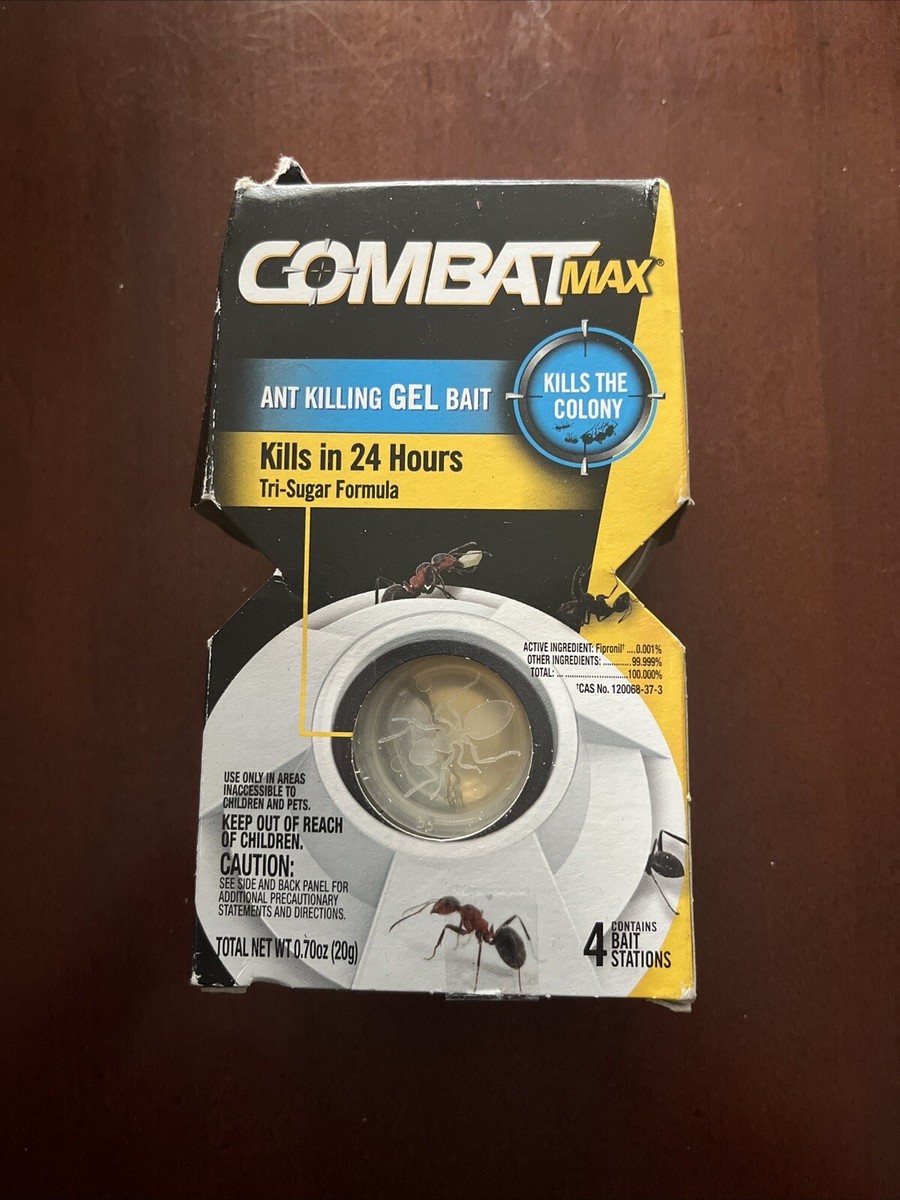
While the general principles of gel bait efficacy are well-established, applying them in the unique environmental context of Florida introduces specific considerations. The state’s diverse ant species, fluctuating humidity levels, and prevalent food sources can all influence how a product like Combat Gel performs.
Species Specificity and Bait Acceptance
Florida is home to a wide variety of ant species, not all of which are solely attracted to sugar. While the common “sugar ant” moniker is often applied broadly, several species, such as carpenter ants (Camponotus spp.) or pharaoh ants (Monomorium pharaonis), may exhibit preferences for protein or grease in addition to, or instead of, sugars. If Combat Gel primarily uses a sugar-based attractant, it might be less effective against colonies with diverse dietary needs. For instance, carpenter ants, while sometimes attracted to sweets, also seek out protein and are notorious for the structural damage they can cause, necessitating different treatment approaches.
Environmental Conditions and Bait Longevity
Florida’s high humidity and temperature can affect the consistency and longevity of gel baits. In very humid conditions, the gel might become too diluted or spread excessively, while in dry, hot environments, it could dehydrate and become less palatable or even inaccessible to ants. This can reduce the period during which the bait remains effective, requiring more frequent reapplication. Maintaining the correct moisture balance for the gel is crucial for consistent bait uptake by the ants.
Competition from Abundant Natural Food Sources
In Florida, outdoor food sources are abundant, especially during warmer months. Ants can easily find nectar from flowers, honeydew from aphids, and discarded food items. If natural food sources are readily available and more appealing than the gel bait, ants may prioritize them, leading to reduced bait consumption. This is particularly true for large outdoor infestations where controlling the primary food source can be challenging. This is why a comprehensive pest management strategy, including sanitation and exclusion, is as important as baiting.
Application Strategy for Hospitality Venues
For hotels, resorts, and vacation rental properties in Florida, a successful ant control program using Combat Gel (or any similar bait) requires a strategic approach.
Thorough Inspection and Identification
The first step is always a professional inspection to identify the specific ant species present and map out their foraging trails and nesting sites. This allows for targeted application of the gel where it will have the most impact. Understanding whether the primary attractant is sugar, protein, or a combination is vital for selecting the most effective bait.
Strategic Placement and Monitoring
Combat Gel should be placed in discreet locations where ant activity is observed, but out of reach of guests and away from food preparation areas. This includes voids within walls, under sinks, around pipe penetrations, and in electrical outlets. Regular monitoring is essential to assess bait consumption and the reduction in ant activity. If bait is being rapidly consumed, it indicates the product is working but may need replenishment. If it’s being ignored, the bait formulation or placement may need adjustment.
Integrated Pest Management (IPM) Approach
While Combat Gel can be an effective tool, it is most successful when used as part of an Integrated Pest Management (IPM) program. IPM emphasizes prevention and employs multiple control methods. This includes:
- Sanitation: Maintaining impeccable cleanliness is paramount. Promptly cleaning up spills, securing food in airtight containers, and regularly emptying trash bins are crucial steps in reducing ant attractants. For hospitality businesses, this means rigorous cleaning protocols in kitchens, dining areas, and guest rooms.
- Exclusion: Sealing cracks and crevices in building exteriors and interiors prevents ants from entering structures. Inspecting and sealing entry points around windows, doors, and utility lines is an essential preventative measure.
- Cultural Practices: For properties with extensive grounds, managing landscaping can also play a role. Trimming vegetation away from buildings reduces ant access points and potential harborage sites.
By combining targeted baiting with these preventative measures, hospitality businesses in Florida can create a less hospitable environment for sugar ants, ensuring a more pleasant and pest-free experience for their guests.

Conclusion: Is Combat Gel a Viable Solution for Florida’s Sugar Ants?
In conclusion, “Combat Gel,” and similar gel-based ant baits, can indeed be an effective tool for managing sugar ant infestations in Florida, particularly when used strategically and as part of a broader pest management plan. The inherent attractiveness of sweet bait matrices to sugar ants, coupled with the colony-elimination strategy of slow-acting insecticides, makes it a potent weapon against these persistent pests.
However, its success is not guaranteed solely by the product’s label. The specific ant species present, their dietary preferences, the environmental conditions of the Florida locale, and the diligence of application and ongoing management all play critical roles. For the hospitality industry, where guest satisfaction is directly tied to the perceived quality and cleanliness of the establishment, a reactive approach to ant control is insufficient. A proactive, integrated pest management strategy, incorporating thorough inspections, targeted baiting with products like Combat Gel, strict sanitation protocols, and effective exclusion techniques, is the most reliable path to maintaining a pest-free environment. By understanding the nuances of ant behavior and the environmental factors specific to Florida, businesses can effectively leverage solutions like Combat Gel to protect their guests’ experience and their reputation.
LifeOutOfTheBox is a participant in the Amazon Services LLC Associates Program, an affiliate advertising program designed to provide a means for sites to earn advertising fees by advertising and linking to Amazon.com. Amazon, the Amazon logo, AmazonSupply, and the AmazonSupply logo are trademarks of Amazon.com, Inc. or its affiliates. As an Amazon Associate we earn affiliate commissions from qualifying purchases.