
The question of whether Florida offers Enhanced Driver’s Licenses (EDLs) is a common one for residents and frequent travelers alike, particularly those who often cross land or sea borders into neighboring countries. Understanding the availability and function of EDLs is crucial for streamlining these journeys and ensuring compliance with border security regulations. This article delves into the specifics of Florida’s identification offerings and clarifies its stance on enhanced licenses, providing essential information for anyone planning international excursions.
Understanding Enhanced Driver’s Licenses
Enhanced Driver’s Licenses (EDLs) are a specialized form of identification that serves a dual purpose: it functions as a standard driver’s license for operating a vehicle within the United States, and it is also a WHTI-compliant (Western Hemisphere Travel Initiative) travel document. This means an EDL can be used in lieu of a passport for U.S. citizens when entering the United States from Canada, Mexico, the Caribbean, and Bermuda by land or sea. The key feature of an EDL is the inclusion of specific radio-frequency identification (RFID) technology and other security enhancements that facilitate faster and more secure border crossings. These licenses are not issued by every state, and their availability often depends on state legislation and the U.S. Department of Homeland Security’s approval.
Key Features of EDLs
- WHTI Compliance: The primary advantage of an EDL is its recognition under the Western Hemisphere Travel Initiative, allowing for easier border crossings.
- RFID Technology: EDLs contain an RFID chip that stores traveler information, enabling automated processing at ports of entry.
- Enhanced Security: Beyond the RFID chip, EDLs incorporate numerous security features designed to prevent fraud and counterfeiting, making them highly reliable identification.
- Dual Functionality: They retain all the standard privileges of a regular driver’s license, such as proving identity and the legal right to drive.
Florida’s Identification Landscape
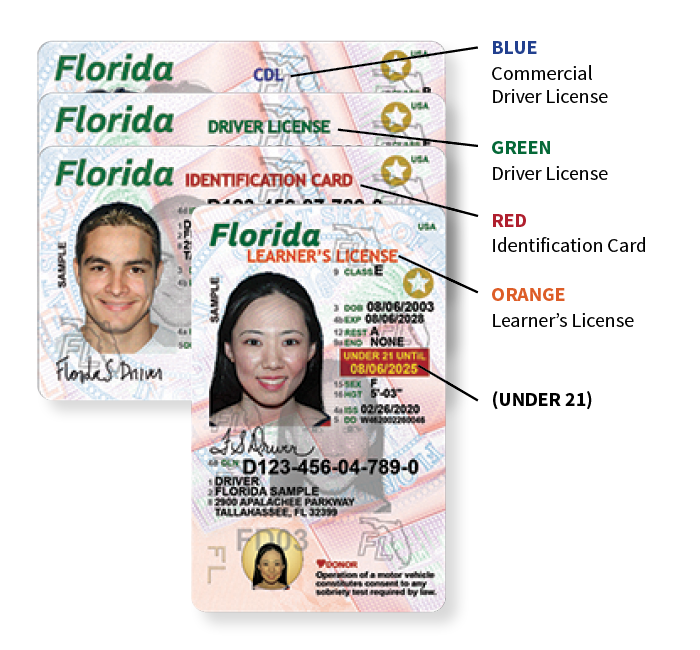
Florida, like most states, issues standard driver’s licenses and identification cards that meet federal requirements for state-issued identification. These licenses are essential for everyday activities within the state and for domestic air travel. However, the landscape of travel-specific identification documents can be confusing. For U.S. citizens, the primary federal document for international travel is a U.S. passport. Other acceptable WHTI-compliant documents include U.S. passport cards, trusted traveler program cards (like NEXUS, SENTRI, or FAST), and, for specific circumstances, EDLs.
The decision for a state to offer EDLs is a legislative and operational one. It requires the state’s Department of Motor Vehicles (or equivalent agency) to implement the necessary technological and security measures, and for the Department of Homeland Security to approve the license as a WHTI-compliant document. This process involves significant investment and commitment to rigorous security standards.
Standard Florida Driver’s Licenses and IDs
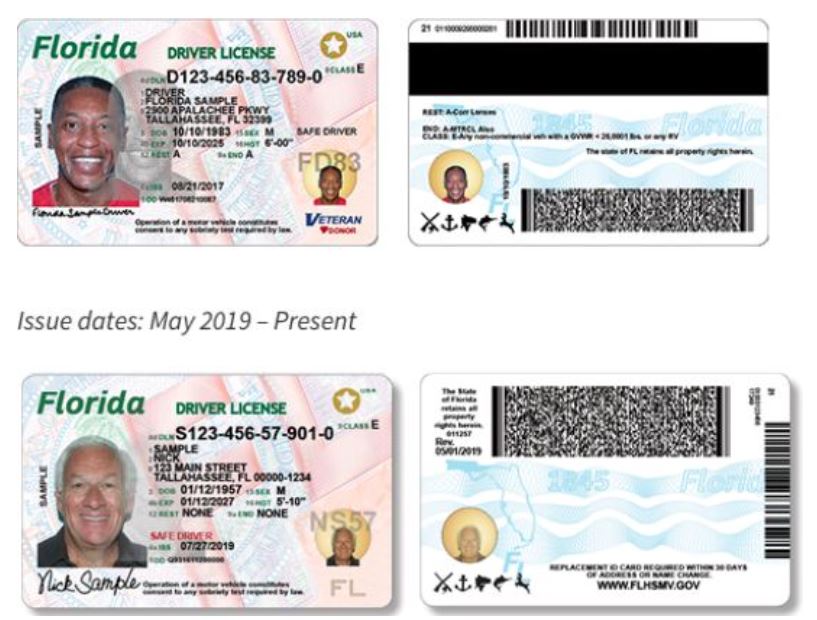
Florida residents can obtain a standard driver’s license or a state identification card from the Florida Department of Highway Safety and Motor Vehicles (FLHSMV). These documents are critical for:
- Proving identity for various legal and commercial transactions within the state.
- Operating a motor vehicle legally.
- Accessing state services.
- Domestic air travel, as per TSA regulations.
While these licenses are robust in their security features for domestic use, they do not inherently possess the WHTI compliance or the specific RFID technology required for expedited international border crossings under the Western Hemisphere Travel Initiative.
The Absence of Enhanced Driver’s Licenses in Florida
As of the most recent information and legislative actions, Florida does not offer Enhanced Driver’s Licenses (EDLs). This means that Florida residents cannot obtain a driver’s license that also functions as a WHTI-compliant border crossing document. This decision is often rooted in various factors, including legislative priorities, cost of implementation, and the perceived need for such a document among the state’s populace.
Several other states have opted to issue EDLs, recognizing the convenience they offer to residents who frequently travel to Canada or Mexico. States like Michigan, Minnesota, New York, Vermont, and Washington are among those that provide EDLs. The availability of EDLs can change over time as states evaluate and update their identification offerings.
Why Florida Has Not Issued EDLs
The absence of EDLs in Florida is not a reflection of the state’s commitment to security or traveler convenience but rather a policy choice. Potential reasons for this include:
- Legislative Stance: The state legislature may not have prioritized or passed legislation enabling the issuance of EDLs.
- Cost and Infrastructure: Implementing the necessary technology, security protocols, and training for law enforcement and border officials requires significant financial investment.
- Perceived Need: The state may assess that the demand for EDLs among its residents is not substantial enough to warrant the undertaking, especially given the widespread availability of U.S. passports and passport cards.
- Alternative Travel Documents: Florida residents can still utilize other federal documents for international travel, such as U.S. passports or U.S. passport cards.

Alternatives for International Travel from Florida
While Florida does not issue Enhanced Driver’s Licenses, residents have several reliable alternatives for international travel, particularly to Canada, Mexico, and the Caribbean. The most universally accepted and recommended document for international travel is the U.S. Passport Book. For land and sea travel to Canada, Mexico, the Caribbean, and Bermuda, a U.S. Passport Card is also an excellent and often more convenient option.
U.S. Passport Book
The U.S. Passport Book is a booklet issued by the U.S. Department of State that is valid for all international travel, by air, land, or sea, to any country in the world. It is the most comprehensive travel document for U.S. citizens.
U.S. Passport Card
The U.S. Passport Card is a wallet-sized card designed for land and sea travel between the U.S. and Canada, Mexico, the Caribbean, and Bermuda. It is a WHTI-compliant document and is generally less expensive and easier to carry than a passport book. It cannot be used for international air travel.
Trusted Traveler Programs
For frequent travelers who cross borders often, participating in a Trusted Traveler Program can significantly expedite the process. Programs such as:
- Global Entry: Primarily for international air travelers entering the U.S., it allows for expedited clearance through customs and immigration.
- SENTRI (Secure Electronic Network for Travelers Rapid Inspection): For land border crossings into the U.S. from Canada and Mexico, and for air travel from Mexico.
- NEXUS: For expedited travel between the U.S. and Canada, by air, land, or sea.
While these programs offer significant benefits, they require an application process, background check, and an interview. The cards issued by these programs are also WHTI-compliant.
Planning Your International Travel from Florida
For Florida residents planning trips to neighboring countries, understanding the documentation requirements is paramount. Without an EDL, the choices narrow to the federally issued documents.
Travel to Canada and Mexico
- By Air: A U.S. Passport Book is required.
- By Land or Sea: A U.S. Passport Book or a U.S. Passport Card can be used. If you are a frequent traveler, a NEXUS card (for Canada) or SENTRI card (for Mexico) can be very beneficial.
Travel to the Caribbean and Bermuda
- By Air: A U.S. Passport Book is required for most destinations. Some specific U.S. territories may have different requirements.
- By Land or Sea: A U.S. Passport Book or a U.S. Passport Card is generally accepted for entry into many Caribbean nations and Bermuda when arriving from U.S. ports. It is always advisable to check the specific entry requirements for your destination country with their respective consulates or embassies.
Essential Considerations for All Travelers
- Validity: Ensure your passport or passport card is valid for at least six months beyond your intended stay in the foreign country. Many countries have this requirement.
- Children: Specific rules apply to children traveling internationally, including consent letters from non-traveling parents and their own identification.
- Renewal: Always allow ample time for passport renewal, as processing times can vary significantly.
- Official Sources: Always consult the official websites of the U.S. Department of State and the destination country’s immigration or tourism authority for the most up-to-date and accurate travel documentation requirements.
In conclusion, while Florida does not issue Enhanced Driver’s Licenses, its residents have robust and widely accepted alternatives for international travel. The U.S. Passport Book and U.S. Passport Card remain the primary WHTI-compliant documents for land and sea crossings. By staying informed and planning ahead, Florida travelers can ensure smooth and hassle-free journeys across international borders.
LifeOutOfTheBox is a participant in the Amazon Services LLC Associates Program, an affiliate advertising program designed to provide a means for sites to earn advertising fees by advertising and linking to Amazon.com. Amazon, the Amazon logo, AmazonSupply, and the AmazonSupply logo are trademarks of Amazon.com, Inc. or its affiliates. As an Amazon Associate we earn affiliate commissions from qualifying purchases.