
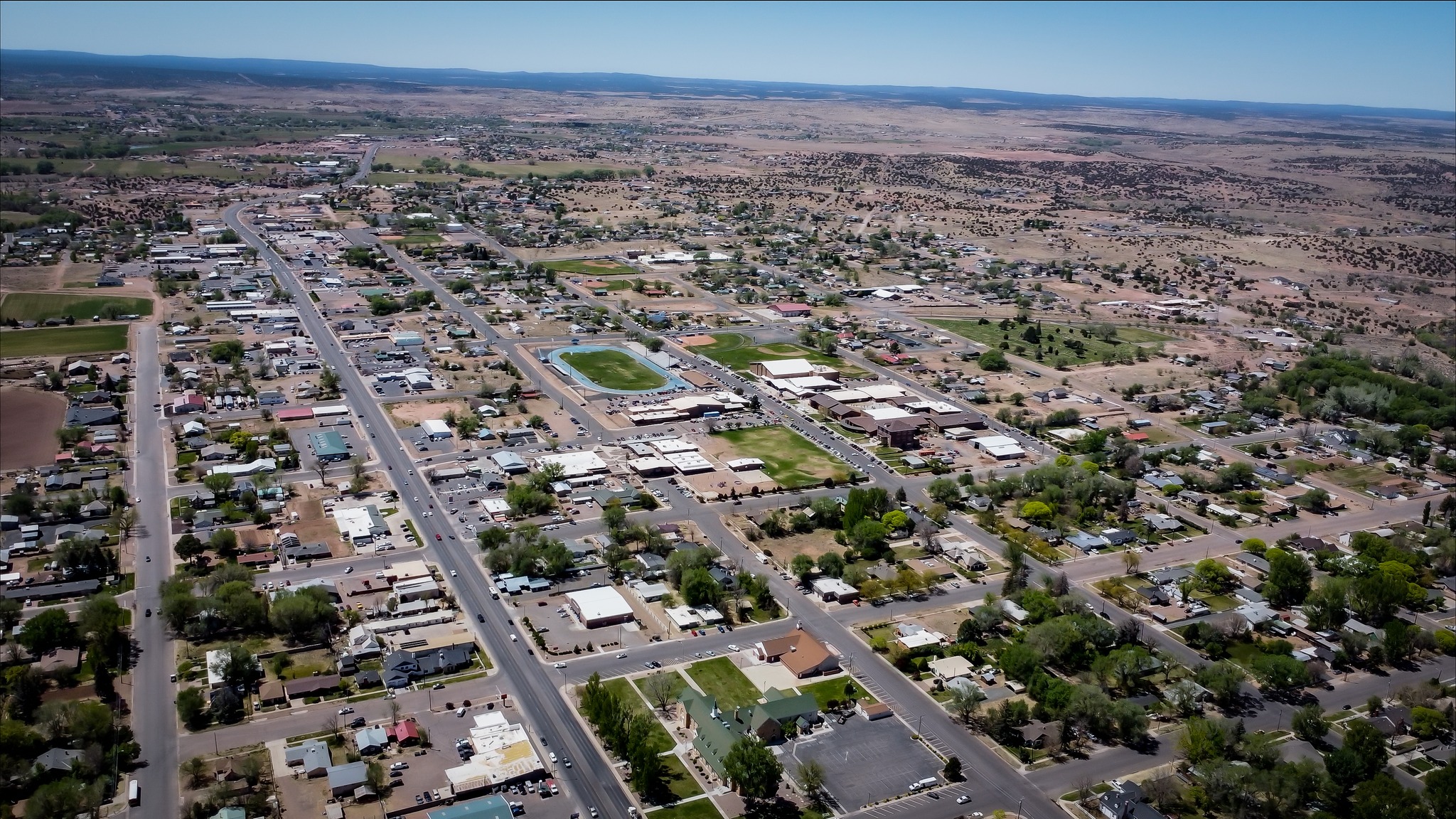
Nestled in the pristine high desert of east-central Arizona, the town of Snowflake offers a unique blend of history, natural beauty, and a tight-knit community spirit. For those seeking to discover a quieter side of the Grand Canyon State away from the bustling metropolises, Snowflake presents itself as an intriguing destination. Its location, rich heritage, and access to breathtaking landscapes make it a noteworthy stop for travelers exploring the diverse topography of the American Southwest.
Locating Snowflake: A Gem in Arizona’s White Mountains
Snowflake, Arizona, is situated in Navajo County, approximately 150 miles northeast of Phoenix and about 200 miles north of Tucson. Its precise geographical coordinates place it at an elevation of roughly 5,600 feet (1,707 meters) above sea level. This higher elevation blesses Snowflake with a markedly different climate than the low desert regions of Arizona, offering four distinct seasons, including cooler summers and snowy winters.

Geographical Coordinates and Accessibility
Accessing Snowflake typically involves scenic drives through Arizona’s varied landscapes. From Phoenix, travelers can take US-60 East through the Superstition Mountains and the Tonto National Forest before connecting to SR-77 North or SR-260 East. The journey reveals a gradual transition from Sonoran Desert cacti to juniper and pine forests, indicative of the increasing altitude. From the north, Interstate 40 provides access, with various state routes leading south to the town.
The town serves as a gateway to the broader White Mountains region, a sprawling area known for its pine forests, pristine lakes, and numerous outdoor recreational opportunities. While Snowflake itself maintains a tranquil, rural atmosphere, it is conveniently located near larger towns such as Show Low and Taylor, which offer additional services and amenities. Its high desert location, bordered by vast national forests, positions it as an ideal base for exploring the natural wonders of northeastern Arizona.
A Rich Tapestry of History and Heritage
The history of Snowflake is as distinctive as its name, rooted deeply in the pioneering spirit of the American West and the enduring legacy of early Mormon settlers. The town’s very identity is a testament to the collaborative efforts of two prominent figures whose visions shaped this high-desert community.
The Founding Story: William J. Flake and Erastus Snow
Snowflake was founded in 1878, its name a unique amalgamation derived from its two key founders: William J. Flake and Erastus Snow. William J. Flake, a prominent cattle rancher, established the initial settlement. Shortly thereafter, Erastus Snow, an apostle for The Church of Jesus Christ of Latter-day Saints, was instrumental in leading a group of Mormon pioneers to the area to establish a permanent agricultural community.
These early settlers faced immense challenges, transforming arid land into fertile farms through arduous labor and ingenuity, developing irrigation systems from the nearby Silver Creek. Their resilience laid the groundwork for the town’s enduring values of community, hard work, and self-sufficiency. The unique combination of their surnames, Flake and Snow, not only christened the town but also symbolizes the merging of different backgrounds and skills that built Snowflake into what it is today.
Early Development and Growth
In its nascent years, Snowflake developed primarily as an agricultural and ranching community. The fertile lands, once tamed, supported crops like alfalfa and various grains, while cattle ranching became a cornerstone of the local economy. The construction of homes, churches, and a school solidified the settlement’s presence and fostered a strong sense of community. The Snowflake Stake Academy, founded in 1891, stands as a testament to the community’s early commitment to education, evolving over time into the Snowflake High School.
Throughout the 20th century, Snowflake maintained its small-town charm, even as modern conveniences slowly made their way to the region. The town’s growth was steady but never sprawling, allowing it to preserve its historical character. Today, walking through the historic district, visitors can still glimpse remnants of this pioneering past, from original stone buildings to the preserved Snowflake Social Hall, a hub for community gatherings for generations. This deep respect for its origins continues to be a defining feature of Snowflake, drawing visitors who appreciate its authentic Arizona heritage.
Unveiling Snowflake’s Unique Attractions and Experiences
While Snowflake may not boast the flashy attractions of larger tourist hubs, its appeal lies in its authentic charm, historical depth, and unparalleled access to the natural beauty of the White Mountains. For travelers seeking a blend of cultural immersion and outdoor adventure, Snowflake offers a refreshing itinerary.

Historical and Cultural Sites
The town’s heritage is prominently displayed through its well-preserved historical and cultural landmarks. A cornerstone of the community is the Snowflake Arizona Temple of The Church of Jesus Christ of Latter-day Saints, an architectural marvel that stands as a symbol of faith and a significant draw for visitors interested in Mormon history and culture. Its manicured grounds and distinctive design are a beautiful sight.
The historic downtown area, often centered around Main Street, features several buildings dating back to the late 19th and early 20th centuries. The Snowflake Social Hall, a community cornerstone since its construction, often hosts local events and provides a glimpse into the town’s social fabric. Additionally, the Pioneer Park offers a serene setting to learn about the early settlers, with monuments and displays honoring their contributions. A short drive away, the neighboring town of Taylor also shares much of this pioneering history and offers complementary experiences, including the Taylor Museum.
Natural Wonders and Outdoor Pursuits
Beyond its historical allure, Snowflake’s strategic location makes it a prime gateway to a vast natural playground. The town is within easy reach of the Apache-Sitgreaves National Forests, an expansive wilderness area covering over 2 million acres. Here, adventurers can indulge in a myriad of outdoor activities:
- Hiking and Biking: Numerous trails wind through pine and aspen forests, offering varying levels of difficulty and stunning scenic views, especially during the fall foliage season.
- Fishing and Boating: Lakes and reservoirs like Fool Hollow Lake Recreation Area near Show Low provide excellent opportunities for trout, bass, and catfish fishing, as well as kayaking and paddleboarding.
- Camping: Primitive and developed campsites abound throughout the national forests, allowing visitors to immerse themselves in nature.
- Wildlife Viewing: The diverse ecosystems support a rich array of wildlife, including elk, deer, black bears, and a multitude of bird species, making it a paradise for birdwatchers and nature photographers.
- Winter Sports: In colder months, the higher elevations of the White Mountains, particularly near Sunrise Park Resort further south, transform into a winter wonderland perfect for skiing, snowboarding, and snowshoeing.
Local Events and Community Spirit
Snowflake prides itself on its strong community bonds, which are often showcased through various local events throughout the year. Annual celebrations, such as holiday festivals, rodeos, and craft fairs, provide visitors with a genuine taste of small-town Arizona life. These events are excellent opportunities to interact with locals, sample regional cuisine, and purchase handmade goods, adding a personal touch to any travel experience. The town’s unhurried pace and friendly atmosphere make it a welcoming destination for families and individuals seeking a peaceful retreat.
Planning Your Visit to Snowflake
A trip to Snowflake promises a refreshing escape into Arizona’s quieter, high-desert beauty. Thoughtful planning can enhance the experience, ensuring visitors make the most of this unique destination.
Best Time to Travel
The best time to visit Snowflake largely depends on your preferred activities.
- Spring (April-May) and Fall (September-October) offer the most pleasant weather for outdoor activities, with mild temperatures and stunning natural beauty. Spring brings blooming wildflowers, while fall paints the landscape with vibrant autumnal colors.
- Summer (June-August) is relatively mild compared to Arizona’s low deserts, with daytime temperatures averaging in the 80s°F (27-32°C). It’s an ideal time for hiking, fishing, and escaping the extreme heat found elsewhere in the state. However, afternoon thunderstorms, characteristic of the monsoon season, can occur.
- Winter (November-March) brings colder temperatures and snowfall, transforming Snowflake into a picturesque white landscape. This season is perfect for those who enjoy snow activities or a cozy, quiet retreat.
Accommodation and Dining Options
While Snowflake itself offers a selection of charming local inns and bed-and-breakfasts, providing a more intimate and personalized stay, visitors will find a broader range of chain hotels and motels in the nearby towns of Show Low and Taylor, just a short drive away. It is advisable to book accommodations in advance, especially during peak seasons or local events.
Dining in Snowflake centers around local eateries and family-owned restaurants that serve hearty American fare, some with a distinct Southwestern flair. While gourmet options might be limited, visitors can expect friendly service and satisfying meals. For a wider variety of dining experiences, including more diverse cuisines, the larger town of Show Low is the go-to destination.
Day Trips and Nearby Exploration
Snowflake’s central location in northeastern Arizona makes it an excellent base for exploring several iconic regional attractions:
- Petrified Forest National Park: Located approximately an hour’s drive north, this park is famous for its colorful petrified wood, fossilized flora and fauna, and the striking landscapes of the Painted Desert.
- Canyon de Chelly National Monument: A bit further afield (about a 2-hour drive), this monument offers unparalleled opportunities to explore ancient cliff dwellings and learn about the Navajo people’s rich cultural history amidst spectacular canyon scenery.
- Holbrook: About 45 minutes north on I-40, Holbrook is a classic Route 66 town, home to the iconic Wigwam Motel and other nostalgic attractions.
- Show Low and Pinetop-Lakeside: These neighboring towns in the White Mountains offer additional recreational opportunities, including golf courses, more extensive dining options, and access to numerous lakes.
Whether drawn by its quiet charm, deep historical roots, or its position as a launchpad for Arizona’s natural wonders, Snowflake offers a genuine and enriching travel experience that leaves a lasting impression.
LifeOutOfTheBox is a participant in the Amazon Services LLC Associates Program, an affiliate advertising program designed to provide a means for sites to earn advertising fees by advertising and linking to Amazon.com. Amazon, the Amazon logo, AmazonSupply, and the AmazonSupply logo are trademarks of Amazon.com, Inc. or its affiliates. As an Amazon Associate we earn affiliate commissions from qualifying purchases.