
Florida, the Sunshine State, conjures images of perpetual sunshine, sandy beaches, and vibrant theme parks. However, a question often arises for those planning a visit or considering a move: Does it rain a lot in Florida? The answer is nuanced, as precipitation patterns in the state are influenced by a unique confluence of geography, climate, and seasonal phenomena. Understanding these factors is crucial for maximizing your travel experience and enjoying the multitude of attractions Florida offers, from the bustling streets of Orlando to the serene ecosystems of the Everglades National Park.
Understanding Florida’s Unique Rainfall Patterns
Florida’s position in the southeastern United States, bordered by the Atlantic Ocean and the Gulf of Mexico, plays a significant role in its weather. The state experiences a subtropical climate, characterized by hot, humid summers and mild winters. This climate, coupled with its proximity to warm ocean waters, creates an environment ripe for precipitation.
The Impact of Geographic Location
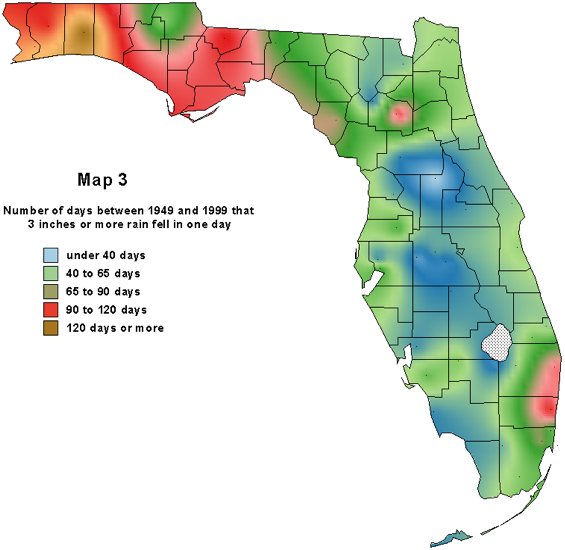
Florida is a peninsula, meaning it is surrounded by water on three sides. This abundance of moisture contributes significantly to rainfall. The warm Gulf and Atlantic waters provide the necessary evaporation to fuel storm systems. Furthermore, the flat topography of much of the state offers little resistance to weather fronts, allowing them to move through relatively unimpeded. This can lead to more frequent and widespread rain events, especially during certain times of the year.
Seasonal Variations in Precipitation
Florida does not experience a uniform rainfall pattern throughout the year. Instead, its precipitation is divided into distinct wet and dry seasons, each with its own characteristics.
The Wet Season (Summer)
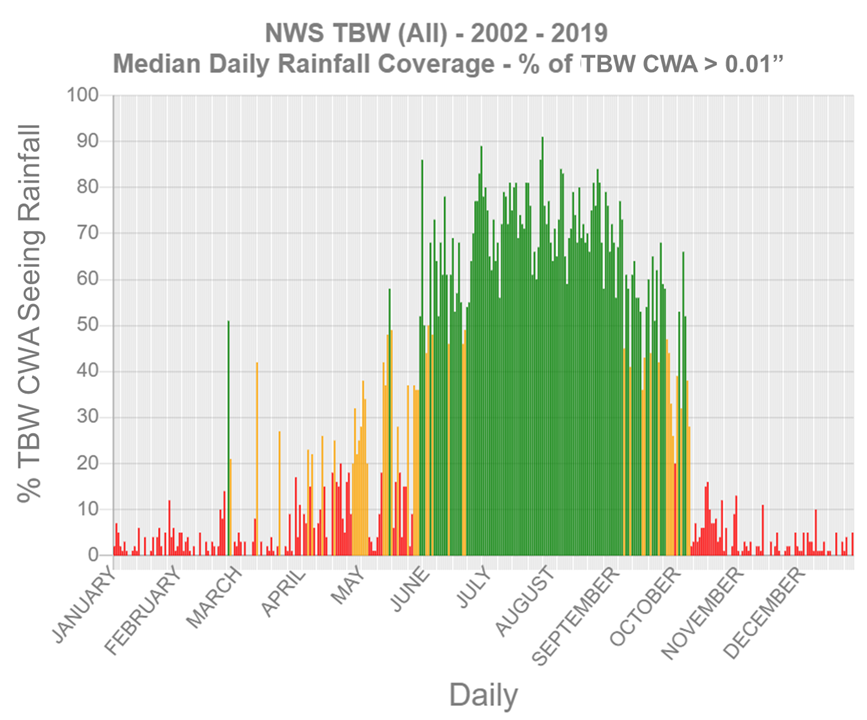
The summer months, typically from June through September, constitute Florida’s wet season. This period is characterized by high humidity, rising temperatures, and a dramatic increase in rainfall. The primary driver of this increased precipitation is the convectional rainfall that occurs due to intense solar heating.
- Afternoon Thunderstorms: The most common type of rainfall during the wet season is the daily afternoon thunderstorm. The sun beats down intensely on the land and water, causing rapid evaporation. As the warm, moist air rises, it cools and condenses, forming towering cumulonimbus clouds. These clouds can produce brief but intense downpours, often accompanied by thunder and lightning. While these storms can be dramatic, they are usually localized and short-lived, typically dissipating as quickly as they form, often by evening. For travelers, this means a sudden shower might interrupt an outdoor activity for an hour or two, but sunshine often returns quickly.
- Tropical Systems: The summer and early fall are also prime time for tropical cyclones, including tropical storms and hurricanes, to form and impact Florida. While not a daily occurrence, these systems can bring prolonged periods of heavy rain, strong winds, and significant flooding, impacting travel plans and local infrastructure. The Atlantic hurricane season officially runs from June 1 to November 30, with the peak activity usually occurring between August and October. Planning travel during this period requires monitoring weather forecasts closely.
The Dry Season (Winter and Spring)
The dry season in Florida generally spans from October through May. During these months, rainfall significantly decreases, and the state experiences more sunshine and less humidity.
- Frontal Systems: While most precipitation during the dry season comes from the occasional passage of cold fronts moving down from the north. These fronts can still trigger rain, but it is typically more widespread and less intense than the summer thunderstorms. These events are often accompanied by a noticeable drop in temperature and humidity, providing a welcome respite from the year-round warmth.
- Reduced Humidity: The lower rainfall and drier air during the dry season make it a particularly pleasant time to visit many of Florida’s attractions, from the historic streets of St. Augustine to the theme parks in Tampa. Outdoor activities are less likely to be interrupted by rain, and the overall feel of the weather is more temperate.
Average Rainfall and Key Statistics
To provide a clearer picture, let’s look at some average rainfall figures. It’s important to note that these are averages, and actual rainfall can vary significantly from year to year and by region within Florida.
Regional Rainfall Differences
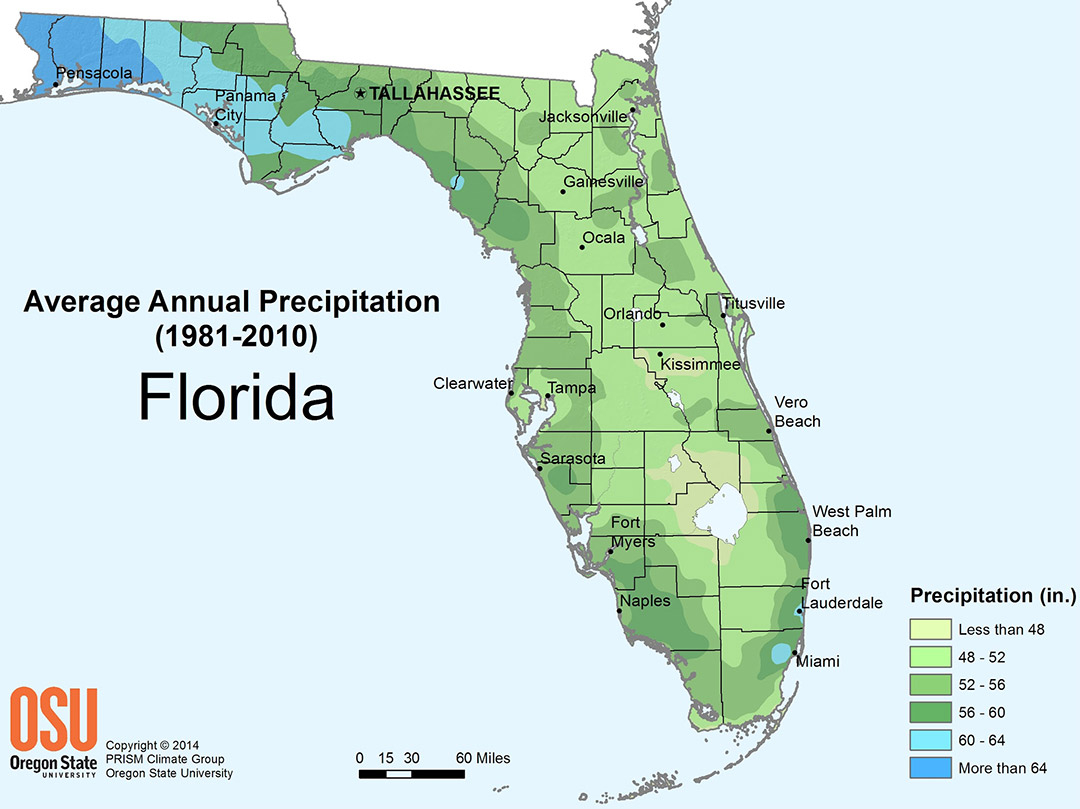
Florida’s rainfall is not uniform across the state. Northern Florida generally receives more rainfall than South Florida. For example, cities like Jacksonville and Pensacola might experience higher annual totals than Miami or Key West. This is partly due to the influence of weather systems moving from the north and the proximity of certain areas to the Gulf of Mexico.
- North Florida: Often sees higher annual precipitation, with a significant portion falling during the summer thunderstorms and less intense frontal systems in cooler months.
- Central Florida: Experiences a blend, with distinct wet and dry seasons, heavy summer thunderstorms being the norm.
- South Florida: While still receiving substantial rainfall, particularly in summer, the totals can sometimes be slightly lower than in the northern regions. The threat of tropical systems remains a significant factor for precipitation in this region.
Annual Precipitation Totals
On average, Florida receives between 50 and 60 inches of rain per year. This places it among the rainier states in the U.S. However, this figure can be misleading without considering the seasonal distribution. A significant portion of this rainfall is concentrated in the summer months, leading to the “wet season” description.
- Comparison to Other States: For context, the average annual rainfall for the entire United States is around 30 inches. Florida’s average is therefore considerably higher. However, states like Hawaii and some in the Pacific Northwest receive more rain on average.
Planning Your Florida Trip with Rainfall in Mind
Understanding Florida’s rainfall patterns can significantly enhance your travel experience. By factoring in the likelihood of rain, you can better prepare for your visit and adjust your itinerary accordingly.
Best Times to Visit for Weather
- Dry Season (November to May): Generally considered the most pleasant time to visit Florida. The weather is drier, less humid, and temperatures are more moderate. This is ideal for outdoor activities, exploring theme parks like Walt Disney World Resort or Universal Orlando Resort, visiting beaches, and engaging in water sports. Expect fewer rain disruptions, though occasional short showers can still occur.
- Shoulder Seasons (Late April to May, October to November): These periods offer a good balance. You can often find pleasant weather with fewer crowds than during the peak winter season, and the heavy summer rains have typically subsided or have yet to fully begin.
Preparing for Rain During Your Stay
Even during the dry season, rain can occur. During the wet season, it’s a near certainty. Here are some tips to ensure you’re prepared:
- Pack Accordingly: Lightweight, waterproof rain gear, including a poncho or umbrella, is essential, especially during the summer months. Quick-drying clothing can also be beneficial.
- Flexible Itinerary: Be prepared to adjust your plans. If a thunderstorm rolls in, have indoor alternatives ready, such as visiting a museum, an aquarium like the Florida Aquarium, or enjoying a leisurely meal. Many attractions in Florida are designed to accommodate sudden weather changes.
- Stay Informed: Keep an eye on local weather forecasts. Mobile weather apps are invaluable for tracking developing storms and their expected duration.
- Embrace the Experience: Florida’s rain, especially the afternoon thunderstorms, is part of the state’s tropical character. Sometimes, a brief downpour can be a dramatic and refreshing experience, followed by a vibrant rainbow and the return of warm sunshine.
Conclusion: Sunshine and Showers
So, does it rain a lot in Florida? Yes, when compared to many other parts of the United States, Florida does receive a significant amount of rainfall. However, this precipitation is not constant. The state experiences distinct wet and dry seasons, with the summer months being characterized by frequent, though often brief, afternoon thunderstorms, and the winter and spring being significantly drier.
For travelers, this means that while you can expect sunshine to be a prominent feature of a Florida vacation, particularly during the winter and spring, being prepared for rain, especially during the summer, is wise. By understanding the unique climate and planning accordingly, visitors can ensure they make the most of their time exploring the diverse attractions and natural beauty of the Sunshine State, from the vibrant coral reefs off the coast of the Florida Keys to the charming colonial architecture of St. Augustine. The interplay of sun and rain contributes to the lush landscapes and the unique atmosphere that makes Florida such a captivating destination.
LifeOutOfTheBox is a participant in the Amazon Services LLC Associates Program, an affiliate advertising program designed to provide a means for sites to earn advertising fees by advertising and linking to Amazon.com. Amazon, the Amazon logo, AmazonSupply, and the AmazonSupply logo are trademarks of Amazon.com, Inc. or its affiliates. As an Amazon Associate we earn affiliate commissions from qualifying purchases.