
The Centennial State, a land of dramatic geographical shifts and a rich tapestry of history, presents a fascinating political landscape that mirrors its diverse terrain and populace. Far from a monolithic entity, Colorado is a vibrant mosaic of ideologies, influenced by its booming urban centers, its rugged mountain communities, and its agricultural plains. To understand “What Color Is [Colorado] Political?” is to delve into a nuanced interplay of demographics, economic forces, and cultural currents that shape its electoral outcomes and policy debates.
The Shifting Sands of Demographics and Geography
[Colorado]’s political identity has undergone a significant transformation over the past few decades, moving from a reliably Republican stronghold to a battleground state that leans Democratic in recent presidential and statewide elections. This evolution is intrinsically linked to its changing demographics and the growth of its metropolitan areas.
The Denver Metro Area: A Blue Crescent
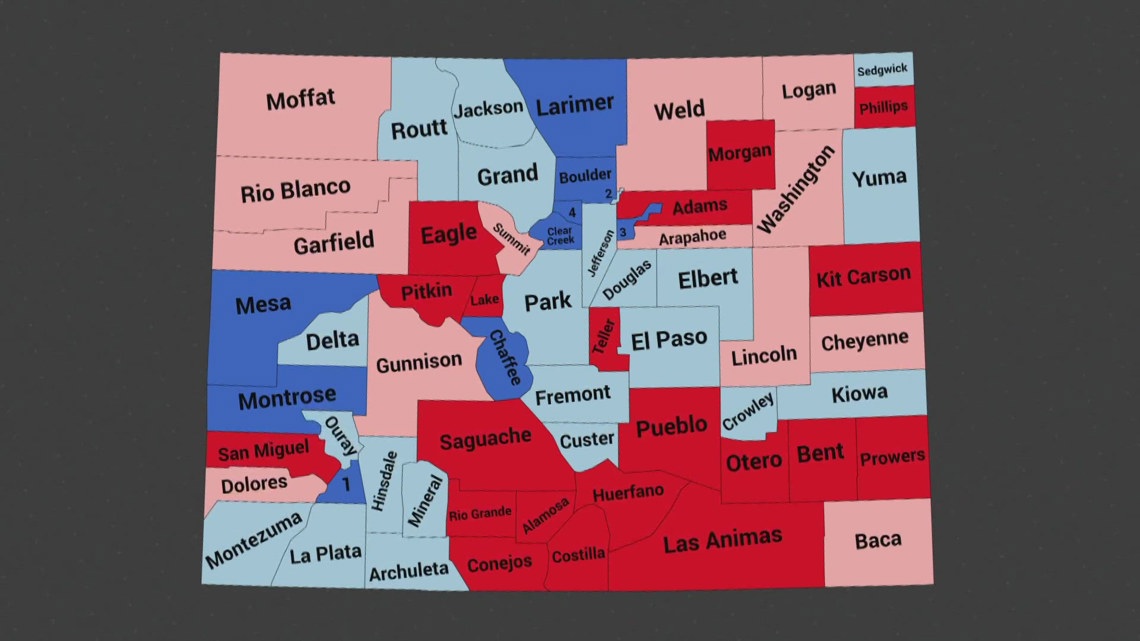
The Denver metropolitan area, encompassing cities like Denver itself, Aurora, Lakewood, and Thornton, has become the engine of the state’s Democratic leanings. This region boasts a younger, more diverse population, a burgeoning tech sector, and a growing contingent of college-educated professionals. These demographics tend to favor Democratic candidates and policies, focusing on issues such as environmental protection, social justice, and expanded access to healthcare. The concentration of population in this area gives it significant voting power, often outweighing the more conservative leanings of other parts of the state.
The Front Range Corridor: A Mix of Red and Blue
Stretching north from Denver to Fort Collins and south to Colorado Springs, the Front Range corridor is a more politically mixed bag. While Denver and its immediate suburbs lean blue, cities like Colorado Springs have historically been a conservative bastion, influenced by its large military presence and evangelical Christian communities. Fort Collins, home to Colorado State University, exhibits a more progressive bent, often aligning with the urban centers in its approach to social and environmental issues. The political divide within the Front Range can be stark, creating a dynamic electoral environment.
The Western Slope: Red Mountains and Rural Roots
West of the Continental Divide, the political landscape shifts dramatically. The vast expanses of the Western Slope, characterized by its dramatic mountain ranges like the San Juan Mountains and the Rocky Mountains, are predominantly Republican. This region is home to smaller towns, agricultural communities, and industries such as mining and energy extraction, which often foster a more conservative ethos. Residents here tend to prioritize issues like individual liberty, lower taxes, and resource development, often clashing with the environmental regulations favored by urban Coloradans.
The Eastern Plains: Agriculture and Conservatism
The vast, agricultural Eastern Plains of Colorado are another deeply conservative region. These areas, often characterized by rolling grasslands and endless skies, are the breadbasket of the state, supporting a strong farming and ranching culture. The political discourse here often centers on agricultural policy, water rights, and a general distrust of federal government intervention. Towns like Limon and Burlington consistently vote Republican, reflecting a traditional, rural conservatism.
Key Political Issues Shaping the Centennial State
Beyond demographic and geographic divides, specific policy issues frequently animate [Colorado]’s political discourse, driving voter engagement and shaping electoral contests.
Environmental Policy and Energy Development
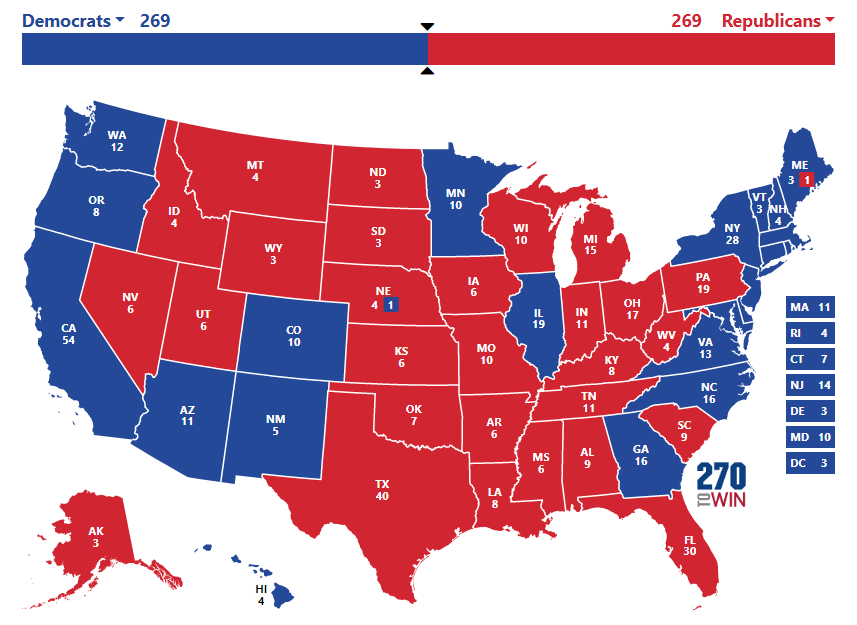
Perhaps no issue more clearly illustrates the urban-rural divide in Colorado than environmental policy. Urban areas, particularly along the Front Range, tend to champion renewable energy initiatives, conservation efforts, and stringent regulations on oil and gas extraction. The proximity to iconic natural landscapes like Rocky Mountain National Park and the tourism industry’s reliance on a healthy environment bolster these sentiments. Conversely, the Western Slope and the Eastern Plains often view environmental regulations as impediments to economic growth, advocating for the continued use of fossil fuels and traditional land management practices. This tension is a constant theme in state legislative sessions and electoral campaigns.
Water Rights and Management
Water is the lifeblood of Colorado, a semi-arid state where competing demands for this precious resource create complex political challenges. From the agricultural needs of the Eastern Plains to the burgeoning urban populations along the Front Range and the recreational uses in the mountains, every drop counts. Debates over water storage, trans-basin diversions, and the allocation of water rights are perpetual and often contentious. The political alignment on water issues can transcend traditional party lines, as communities across the state recognize the fundamental importance of secure and equitable water access.
Economic Development and Diversification
[Colorado]’s economy is a dynamic force, increasingly driven by technology, aerospace, and outdoor recreation, alongside its traditional agricultural and energy sectors. The political debate often revolves around how to foster economic growth while managing its consequences, such as rapid urbanization and its impact on housing affordability and infrastructure. Urban centers tend to advocate for investments in education and high-tech industries, while rural areas often emphasize supporting existing industries like agriculture and resource extraction. The challenge for policymakers is to create a cohesive economic strategy that benefits all regions of the state.Social Issues and Cultural Values
Social issues also play a significant role in [Colorado]’s political identity. The state has a history of progressive stances on issues such as LGBTQ+ rights and cannabis legalization, often driven by its more liberal urban populations. However, more conservative pockets of the state, particularly in rural areas and Colorado Springs, maintain more traditional values. These differences can manifest in debates over education, healthcare access, and civil liberties, creating ongoing cultural and political dialogues.
The Evolving Electoral Landscape
[Colorado]’s political color is not static; it is a hue that shifts and blends with each election cycle. The state has become a coveted prize in national elections, with both major parties investing significant resources to win its electoral votes.Presidential Elections: A Swing State Darling
In recent presidential elections, Colorado has trended Democratic, contributing to the victories of Barack Obama in 2008 and 2012, and Joe Biden in 2020. This shift is largely attributed to the growing influence of the Denver metropolitan area and the increasing diversity of the state’s electorate. However, the Republican Party still holds sway in many rural counties, making Colorado a crucial battleground where both parties must make concerted efforts to mobilize their base and appeal to undecided voters.
Gubernatorial and Legislative Races: A Tightrope Walk
Statewide races, including those for governor and the state legislature, often reflect a more nuanced political reality. While Democrats have held the governorship in recent years, the state legislature frequently sees a divided government, with control of the House and Senate shifting between parties. This dynamic creates a need for bipartisan cooperation and negotiation, forcing politicians to bridge ideological divides and find common ground. The outcomes of these races are often decided by slim margins, highlighting the close political balance within the state.
Conclusion: A Spectrum of Hues
So, “What Color Is [Colorado] Political?” The answer is not a single, definitive shade. It is a complex spectrum, a blend of deep blues in its urban cores, vibrant reds in its rural heartlands, and myriad shades of purple in the transitional zones. The state’s political identity is a living document, constantly being rewritten by its evolving demographics, its economic realities, and the enduring spirit of its people. To truly understand Colorado’s political landscape is to appreciate its diversity, to acknowledge its internal tensions, and to recognize that its strength lies precisely in this vibrant, multi-hued tapestry. The ongoing dialogue between its diverse communities, its natural beauty, and its economic aspirations will continue to shape its political destiny for years to come.
LifeOutOfTheBox is a participant in the Amazon Services LLC Associates Program, an affiliate advertising program designed to provide a means for sites to earn advertising fees by advertising and linking to Amazon.com. Amazon, the Amazon logo, AmazonSupply, and the AmazonSupply logo are trademarks of Amazon.com, Inc. or its affiliates. As an Amazon Associate we earn affiliate commissions from qualifying purchases.