
While the image of sun-drenched beaches and swaying palm trees is often synonymous with Florida, the Sunshine State experiences a phenomenon that might surprise many: snow. Though exceedingly rare and localized, snowfall in Florida is a documented occurrence, a testament to the state’s diverse climate and the occasional atmospheric anomaly. Understanding the conditions that lead to these wintry events offers a fascinating glimpse into the meteorological intricacies of this popular travel destination.
The Infrequency and Nature of Florida Snowfall
Snowfall in Florida is not a regular seasonal event like in many northern states. Instead, it is an occasional visitor, often fleeting and confined to specific regions. The primary factor dictating the possibility of snow is temperature. For snow to form and fall, the atmospheric temperature must be at or below freezing (32°F or 0°C) from the cloud level all the way to the ground. In Florida, this delicate balance is rarely achieved across a widespread area for a sustained period.
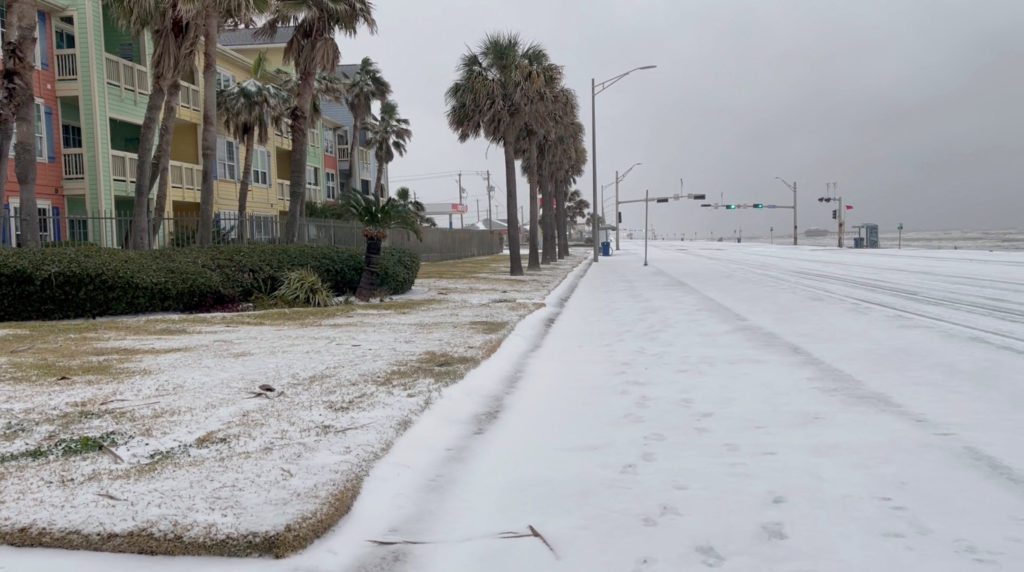
Historical Snowfall Events
Despite its tropical and subtropical climate, Florida has recorded instances of snow. The most significant and widely recalled event occurred on January 19, 1977. This “Snow Snow” saw snow flurries and accumulation across a significant portion of North and Central Florida, reaching as far south as Tampa and Orlando. Residents were astonished to see white flakes dusting their lawns, palm trees, and even beaches. Pictures from this event depict a surreal landscape, with people enjoying the novelty of snow in a typically warm environment.
Another notable, though less impactful, event occurred on January 3, 2018. This “Snow Day” brought light snow and sleet to parts of the Florida Panhandle and even a few flakes in Jacksonville. While accumulations were minimal, the mere possibility of snow excited many and disrupted morning commutes in affected areas. These historical events, though separated by decades, highlight that while uncommon, snow is not entirely unheard of in Florida.
Geographic Variations
Snowfall is not uniformly distributed across the state. The northern parts of Florida, particularly the Panhandle and northern tier counties, are more susceptible to experiencing colder temperatures and thus have a slightly higher chance of seeing snow. Cities like Tallahassee, Pensacola, and Gainesville have a greater historical record of snow events compared to their southern counterparts.
The farther south one travels, the less likely snow becomes. Southern Florida, including areas like Miami, Fort Lauderdale, and the Florida Keys, experiences a distinctly tropical climate where winter temperatures rarely dip low enough for snow to form and reach the ground. For these regions, winter primarily means milder temperatures and less humidity, a stark contrast to the occasional flurries in the north.
The Meteorological Conditions for Florida Snow
The confluence of specific atmospheric conditions is required for snow to fall in Florida. It is not simply a matter of the calendar reading “winter.”
Cold Air Intrusion
The most critical ingredient is a mass of very cold air moving into the state. This typically occurs when a strong cold front, originating from the Arctic or Canada, pushes southward across the United States. For Florida, this cold air needs to be sufficiently deep and persistent to bring temperatures down to freezing or below.
Moisture Source
Cold air alone does not produce snow. There must also be a source of moisture in the atmosphere. This moisture can come from several sources, including:
- Gulf of Mexico: The warm waters of the Gulf of Mexico can provide significant moisture. When cold air moves over these warmer waters, it can pick up moisture, which then can be lifted and cooled to form precipitation.
- Atlantic Ocean: Similarly, the Atlantic Ocean can contribute moisture, especially if weather systems are positioned to draw air from the east.
- Inland Moisture and Weather Systems: Sometimes, remnant moisture from previous weather systems or even evaporative sources from lakes and rivers can contribute to the precipitation.

The Perfect Storm: Temperature and Moisture Alignment
The rare occurrences of Florida snow happen when a significant cold air mass arrives simultaneously with a system that produces precipitation. If the temperature at all levels of the atmosphere—from the clouds where snow crystals form, through the air column, to the ground—is at or below freezing, then that precipitation will fall as snow. If the temperature is above freezing at any point, particularly near the surface, the snow will melt into rain.
What to Expect if Snow Falls in Florida
For tourists and residents alike, experiencing snow in Florida is a unique and often memorable event. However, it’s important to manage expectations.
Limited Accumulation and Duration
Even during historical snow events, accumulations are typically light. A dusting of snow, a few inches at most, is more common than significant snowdrifts. The snow often melts quickly once the temperatures rise above freezing, which can happen within hours, especially in the more southern parts of the state. The novelty of snow is often short-lived.
Impact on Daily Life and Tourism
While the sight of snow can be enchanting, it can also cause disruptions. Florida’s infrastructure is not designed for significant snowfall. Roads can become slick and hazardous, leading to traffic delays and school closures. For a state accustomed to mild winters, the sudden appearance of snow can catch many by surprise.
From a tourism perspective, a rare snow event can become an unexpected attraction. Families might venture out to witness the phenomenon, and local media often captures the excitement and rarity of the moment. However, it is not a reliable basis for planning a trip, as the chances of encountering snow are minuscule for any given visit. Travelers primarily visit Florida for its warm climate, beaches, theme parks like Walt Disney World and Universal Studios Florida, and a host of outdoor activities.
Alternative Winter Experiences in Florida
While snow is a rare visitor, Florida offers a wealth of delightful winter experiences that capitalize on its more typical climate. The winter months, from December to February, are often considered the best time to visit due to pleasant temperatures, lower humidity, and fewer crowds compared to the summer peak season.
Exploring Natural Beauty
Winter provides ideal conditions for exploring Florida’s diverse natural landscapes.
- Everglades National Park: The cooler, drier air of winter makes it a prime time for exploring the Everglades. Wildlife, including alligators, birds, and manatees, is often more visible as they gather near water sources. Airboat tours and kayaking excursions are particularly enjoyable during this season.
- Beaches: While not for sunbathing in the same way as summer, Florida’s beaches offer refreshing walks, shell collecting, and beautiful sunsets during the winter. Popular destinations like South Beach in Miami, Clearwater Beach, and the beaches along the Emerald Coast are still very inviting.
- Springs and State Parks: Florida is home to numerous natural springs, such as those found in Ocala National Forest and Ichetucknee Springs State Park. While the water in these springs remains a constant 72°F (22°C) year-round, a brisk winter day makes for a refreshing swim or a peaceful canoe trip.

Cultural and Recreational Activities
Winter in Florida is also a vibrant time for cultural events and outdoor recreation.
- Theme Parks: The major theme parks like Walt Disney World Resort, Universal Orlando Resort, and Busch Gardens Tampa Bay are popular year-round but can be more comfortable to navigate in the cooler winter months, especially during holiday seasons with festive decorations and events.
- Sporting Events: Florida is a haven for sports enthusiasts in winter. It hosts spring training for Major League Baseball, attracting teams and fans from across the country. Professional football, basketball, and hockey games are also in full swing.
- Festivals and Arts: Many cities host art festivals, music concerts, and food fairs during the winter, taking advantage of the pleasant weather. From the art deco scene in Miami Beach to the historic charm of St. Augustine, there are countless opportunities to immerse oneself in local culture.
In conclusion, while the idea of snow in Florida is a fascinating meteorological curiosity, it is not a defining characteristic of the state’s climate. Travelers seeking a winter escape will find that Florida offers a much more reliable and enjoyable experience rooted in its sunshine, warm temperatures, and abundant outdoor and cultural attractions, making it a premier destination for those looking to escape the cold.
LifeOutOfTheBox is a participant in the Amazon Services LLC Associates Program, an affiliate advertising program designed to provide a means for sites to earn advertising fees by advertising and linking to Amazon.com. Amazon, the Amazon logo, AmazonSupply, and the AmazonSupply logo are trademarks of Amazon.com, Inc. or its affiliates. As an Amazon Associate we earn affiliate commissions from qualifying purchases.