
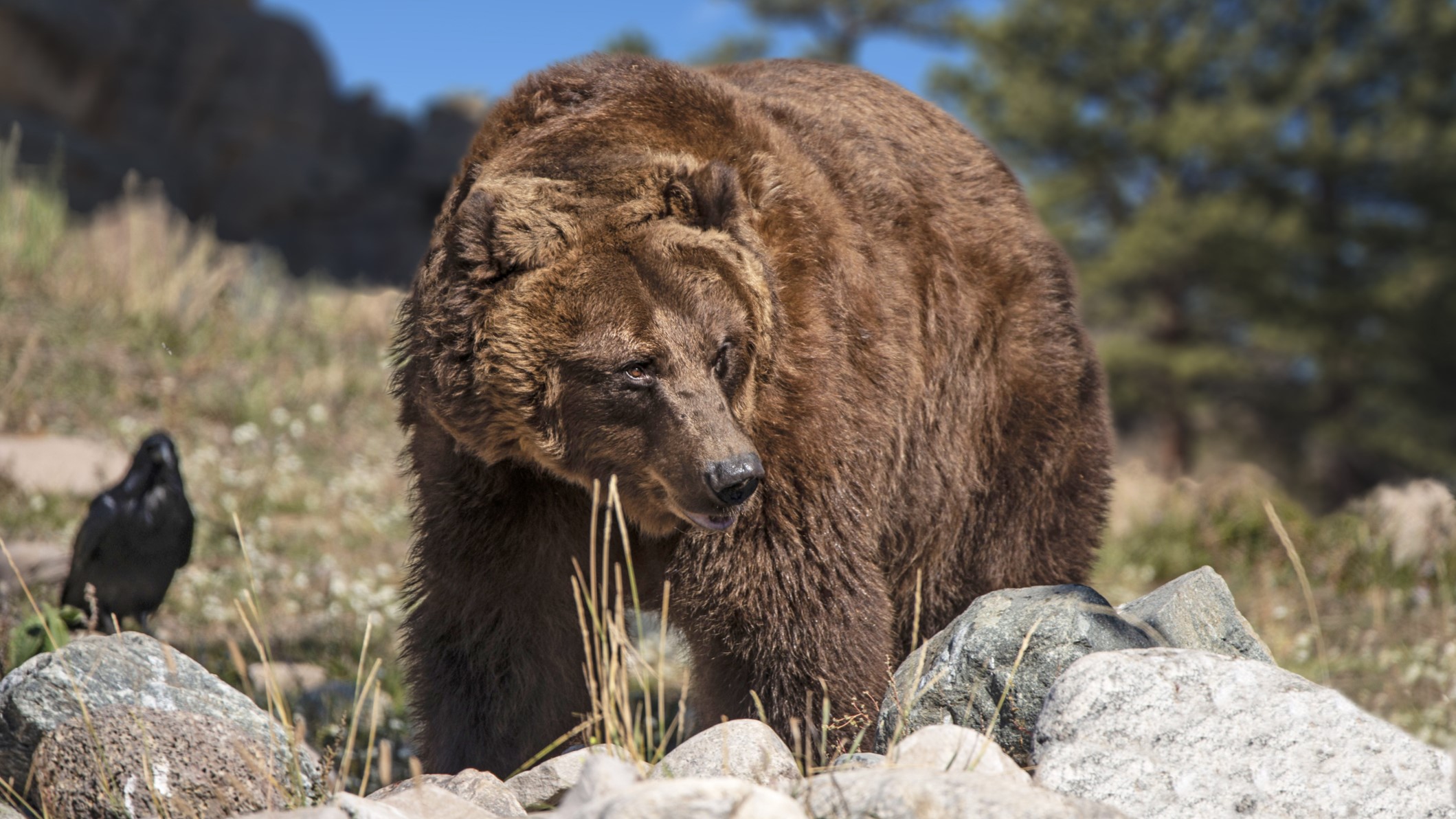
The majestic silhouette of the California grizzly bear once roamed freely across the vast landscapes of California, a symbol of the wild, untamed spirit of the Golden State. Its image is deeply ingrained in the state’s identity, adorning its flag and serving as a powerful emblem of nature’s grandeur. Yet, a question lingers, often debated among naturalists, historians, and wildlife enthusiasts: is the California grizzly bear truly extinct? This exploration delves into the history, the evidence, and the ongoing hope surrounding this iconic species, placing it firmly within the realm of natural landmarks and the profound stories they hold.
A Legacy Etched in Stone and Soil
The presence of the California grizzly bear predates human settlement by millennia. These formidable creatures, known for their immense size and strength, were integral to the ecological balance of California. Indigenous peoples shared the land with these bears, often developing a complex relationship of respect and caution. Early Spanish and Mexican explorers documented encounters, further cementing the bear’s place in the region’s natural history. The sheer abundance of grizzly bears in the 19th century was staggering; estimates suggest thousands roamed from the Sierra Nevada to the coastal mountains. They were a common sight, a testament to the rich biodiversity of the continent.
The Arrival of the Forty-Niners
The California Gold Rush marked a turning point in the relationship between humans and the California grizzly bear. As prospectors flooded the state in pursuit of riches, they encroached upon the bears’ natural habitats. The bears, attracted by the waste and carrion left behind by human settlements, sometimes came into conflict with the new arrivals. Unfortunately, this often led to their demise. Grizzlies were viewed as a threat to livestock and human safety, and a bounty system was established, incentivizing their eradication. The iconic image of a grizzly bear wrestling a miner, often depicted in historical art, is a stark reminder of this tumultuous period.
Habitat Loss and Hunting Pressure
Beyond the direct hunting associated with the Gold Rush era, a more insidious threat began to take hold: habitat destruction. As California grew, so did the demand for land for agriculture, settlements, and infrastructure. Forests were cleared, meadows were plowed, and rivers were dammed, all of which diminished the vast tracts of wilderness that the grizzly bears needed to survive. Their primary food sources – salmon runs, berries, roots, and small mammals – became scarcer as their environment was transformed. The cumulative effect of hunting and habitat loss proved devastating to the California grizzly bear population.
The Fading Roar: Last Sightings and Declining Numbers
The decline of the California grizzly bear was a gradual yet relentless process. By the early 20th century, sightings became increasingly rare. The last confirmed sighting of a wild California grizzly bear is widely accepted to have occurred in 1922 in the Sequoia National Park region. This event, though perhaps not immediately recognized as the definitive end of an era, marked a profound shift. The once-ubiquitous bear had vanished from the wild, its presence relegated to memory and lore.
Scientific Consensus and the Absence of Evidence
The scientific consensus, based on decades of rigorous field research, ecological surveys, and genetic studies, is that the California grizzly bear subspecies ( Ursus arctos californicus) is indeed extinct in the wild. The lack of any credible, verified sightings or evidence – such as tracks, scat, or carcasses – for nearly a century strongly supports this conclusion. While the idea of a remnant population persisting in remote, inaccessible areas is a romantic notion, the ecological realities and the sheer lack of any indicative signs make such a scenario highly improbable.
The Importance of Distinction: Grizzly Bears vs. California Grizzlies

It is crucial to distinguish between the extinct California grizzly bear and the broader population of grizzly bears that still exist in North America. The grizzly bear is a subspecies of the brown bear (Ursus arctos). While the California grizzly bear was a distinct subspecies, brown bears, including grizzly bears, continue to thrive in parts of Alaska, Wyoming, Montana, and Idaho. These populations are genetically related to the California grizzly bear and serve as a reminder of the wild heritage that once characterized California. The absence of the California grizzly bear in its native habitat is a poignant loss, but the continued existence of other grizzly bear populations offers a glimmer of hope and a lesson in conservation.
Beyond Extinction: The Enduring Symbolism of the Grizzly
Despite its extinction in the wild, the California grizzly bear remains a potent and enduring symbol. Its image on the California State Flag is a constant reminder of the state’s natural heritage and the responsibility to protect its remaining wildlife. The story of the California grizzly bear is not just a tale of loss; it is also a cautionary narrative about the impact of human activities on the natural world and a powerful argument for robust conservation efforts.
The “California Grizzly” in Public Consciousness
The legend of the California grizzly bear continues to capture the imagination. It appears in literature, art, and popular culture, serving as a powerful emblem of strength and resilience. The quest to find evidence of its continued existence, though scientifically unlikely, speaks to a deep-seated desire to reconnect with the wild and to believe in the possibility of nature’s resilience. This enduring fascination underscores the importance of this animal to the identity of California and beyond.
Lessons for Modern Conservation
The story of the California grizzly bear serves as a critical lesson for contemporary wildlife conservation. It highlights the devastating consequences of unchecked habitat destruction, the impact of human-wildlife conflict, and the importance of proactive measures to protect endangered species. By understanding the factors that led to the demise of the California grizzly bear, we can better inform and implement strategies to safeguard other threatened populations and their habitats across California and the world. The memory of this magnificent animal compels us to be better stewards of the natural world, ensuring that its story is not repeated.
The Future of Large Carnivores in California
While the California grizzly bear is gone from the wild, the conversation about large carnivores in California continues. The potential reintroduction of gray wolves into the state, for instance, sparks similar debates about human-wildlife coexistence and ecological restoration. The absence of the California grizzly bear creates an ecological void, and understanding this loss is fundamental to appreciating the intricate web of life that once existed.
The Ecological Niche and its Consequences
The California grizzly bear occupied a critical apex predator niche. Its presence influenced vegetation patterns through its foraging habits and played a role in regulating populations of other animals. The removal of such a keystone species has had lasting, though often subtle, effects on the state’s ecosystems. Efforts to re-wild certain areas and restore natural habitats are, in part, attempts to mend these ecological imbalances.

Preserving the Legacy
The legacy of the California grizzly bear is preserved through its status as a state symbol, in natural history museums, and in the ongoing scientific study of its ecology and demise. Furthermore, the continued existence of grizzly bears in other regions provides a living connection to this ancestral species. The hope is that by remembering the California grizzly bear and understanding the reasons for its disappearance, future generations will be inspired to protect the wild spaces and the magnificent creatures that still inhabit them. The California State Parks and various conservation organizations continue to work towards preserving the natural beauty that was once the grizzly’s domain, ensuring that the spirit of the wild, embodied by the California grizzly bear, endures.
LifeOutOfTheBox is a participant in the Amazon Services LLC Associates Program, an affiliate advertising program designed to provide a means for sites to earn advertising fees by advertising and linking to Amazon.com. Amazon, the Amazon logo, AmazonSupply, and the AmazonSupply logo are trademarks of Amazon.com, Inc. or its affiliates. As an Amazon Associate we earn affiliate commissions from qualifying purchases.