
Becoming a police officer in Florida is a calling for many, a profession that demands integrity, courage, and a deep commitment to public service. The path to wearing the badge is rigorous, involving stringent qualifications, extensive training, and a thorough vetting process designed to ensure only the most dedicated and capable individuals join law enforcement. This guide outlines the essential steps and requirements for aspiring officers within the Sunshine State, offering insights into what it takes to serve and protect its communities.
Eligibility Requirements and the Application Process
The journey to becoming a police officer in Florida begins with meeting a set of fundamental eligibility criteria. These are not merely suggestions but non-negotiable prerequisites set forth by the Florida Department of Law Enforcement (FDLE) and individual law enforcement agencies. Understanding these requirements upfront is crucial for anyone serious about pursuing this career.
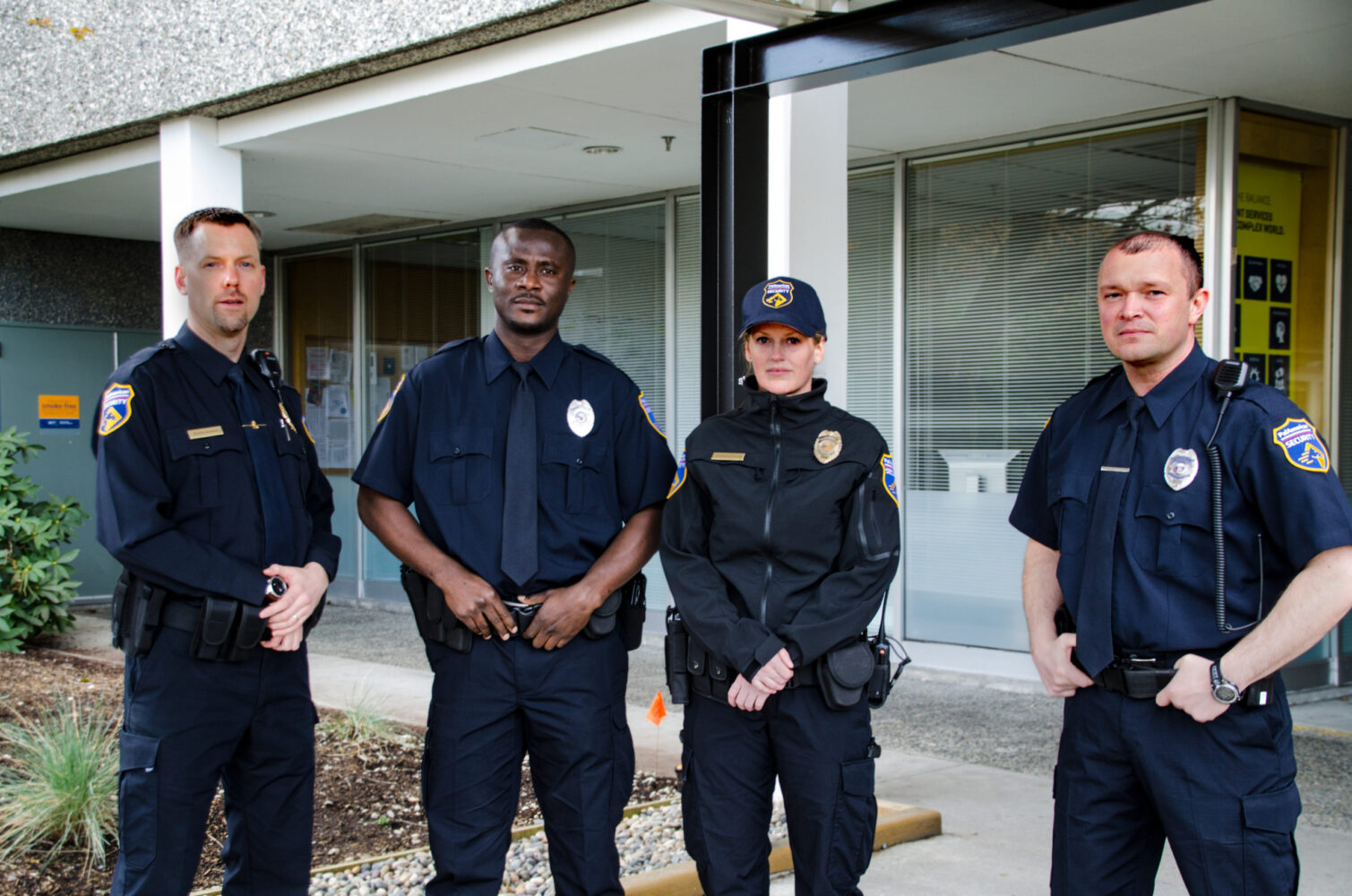
Age and Citizenship
Prospective officers must generally be at least 21 years of age to be appointed to a law enforcement position. This age requirement ensures a level of maturity and life experience deemed necessary for the responsibilities of the role. Additionally, applicants must be United States citizens. This is a standard requirement across most law enforcement agencies nationwide, reflecting the oath of office and allegiance to the country.
Education and Background
A high school diploma or its equivalent, such as a GED, is the minimum educational attainment required. However, many agencies, and the profession itself, increasingly value higher education. Some departments may prefer or require an associate’s or even a bachelor’s degree, especially for specialized roles or promotional opportunities.
Beyond formal education, a clean background is paramount. This includes a history free from serious criminal convictions. Applicants will undergo an extensive background investigation that scrutinizes their past behavior, including employment history, financial responsibility, and personal conduct. Any history of drug use, domestic violence, or significant dishonesty can be disqualifying.
Physical and Mental Fitness
Law enforcement is a physically demanding profession. Applicants must be in excellent physical condition to pass a rigorous physical fitness assessment. This typically involves tests for strength, endurance, and agility, often simulating the demands of the job, such as running, obstacle courses, and strength exercises. Medical evaluations are also conducted to ensure candidates do not have any underlying health conditions that could impair their ability to perform their duties safely and effectively.
Equally important is mental and psychological fitness. Candidates will undergo psychological evaluations, including written tests and interviews with licensed psychologists, to assess their emotional stability, judgment, and suitability for the stresses of law enforcement. This process helps identify individuals who can handle high-pressure situations, make sound decisions under duress, and maintain a healthy mental state.
The Application and Selection Timeline
The application process itself is a multi-stage event. It typically begins with submitting an application to a specific law enforcement agency, such as the Miami-Dade Police Department or the Tampa Police Department. This is followed by a series of evaluations.
- Written Examination: This test assesses reading comprehension, writing ability, and basic knowledge relevant to law enforcement.
- Physical Fitness Test: As mentioned, this evaluates an applicant’s physical capabilities.
- Oral Interview Board: Candidates face a panel of experienced officers and supervisors who assess their communication skills, demeanor, and problem-solving abilities.
- Background Investigation: This is a comprehensive review of an applicant’s life history.
- Polygraph Examination: A lie detector test is often administered to verify information provided during the application process.
- Medical and Psychological Examinations: These ensure the candidate is physically and mentally fit for duty.
The timeline for this process can vary significantly, often taking several months to complete from application submission to final hiring.
Law Enforcement Training and Certification in Florida
Once an applicant successfully navigates the initial selection process, the next critical phase is law enforcement training. This specialized education is designed to equip future officers with the knowledge, skills, and ethical framework necessary to perform their duties effectively and uphold the law.
The Florida Basic Recruit Training Program
All individuals seeking to become certified law enforcement officers in Florida must successfully complete the Florida Basic Recruit Training Program, often referred to as the police academy. This program is overseen by the FDLE and is conducted at accredited training centers across the state. The curriculum is comprehensive, covering a wide range of subjects crucial for policing.
Key areas of study include:
- Criminal Law and Procedure: Understanding the legal framework under which officers operate, including statutes, constitutional rights, and legal precedents.
- Defensive Tactics and Firearms Proficiency: Mastering techniques for self-defense, de-escalation, and the safe and effective use of firearms. This involves extensive range training and practical application scenarios.
- Patrol Procedures: Learning the protocols and best practices for routine patrol, traffic stops, and responding to various calls for service.
- Investigative Techniques: Acquiring skills in evidence collection, interviewing witnesses, and conducting preliminary investigations.
- Driver Training: Advanced driving techniques necessary for pursuit and emergency response.
- First Aid and CPR: Providing immediate medical assistance in emergency situations.
- Ethics and Professionalism: Instilling a strong ethical compass and understanding the importance of integrity, accountability, and public trust.
- Community Policing: Developing strategies for building positive relationships with the communities they serve.
The Basic Recruit Training Program typically lasts for approximately 17 weeks, though this can vary slightly. Upon successful completion, graduates are eligible to take the state certification examination.
Achieving Law Enforcement Certification
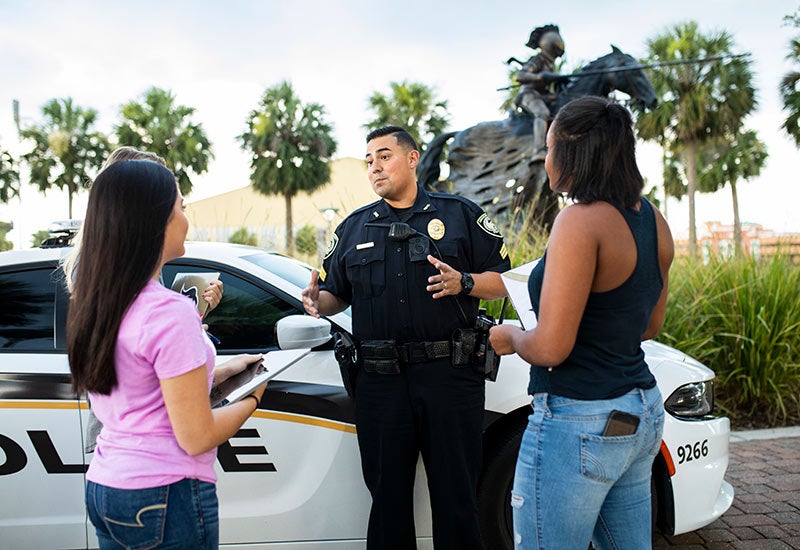
Upon graduating from the academy, candidates must pass the Florida Law Enforcement Officer Certification Examination. This state-administered test verifies that recruits have acquired the minimum level of competency required for law enforcement service. Passing this exam is a mandatory step before an individual can be employed as a sworn law enforcement officer in Florida.
Post-Academy Training and Field Training
Even after certification, the learning process continues. Most law enforcement agencies implement a Field Training Officer (FTO) program. This is a probationary period where new officers are paired with experienced, designated training officers. During this phase, typically lasting 10-16 weeks, recruits apply the knowledge and skills learned in the academy in real-world scenarios under close supervision. They respond to calls, make arrests, and learn the practical nuances of policing within their specific department. The FTO program is critical for a new officer’s development, providing mentorship and reinforcing best practices.
Specializations and Career Progression
The career of a police officer in Florida offers a diverse range of specialization opportunities and avenues for career advancement, allowing officers to tailor their service to their interests and aptitudes.
Diverse Specialization Paths
Beyond the general patrol duties, law enforcement agencies offer numerous specialized units. These can include:
- Detectives/Investigations: Focusing on solving crimes, interviewing suspects, and building cases for prosecution. This often requires advanced investigative training.
- K-9 Units: Working with specially trained dogs for patrol, drug detection, or bomb detection.
- SWAT (Special Weapons and Tactics): Highly trained teams that respond to high-risk situations, such as hostage rescues and active shooter incidents.
- Traffic Enforcement/Motorcycle Units: Specializing in traffic laws, accident investigation, and traffic control, often utilizing patrol motorcycles.
- Narcotics and Vice Enforcement: Investigating illegal drug operations and other vice-related criminal activities.
- Forensic Services: Assisting in crime scene investigation and evidence analysis.
- Training and Development: Officers who excel in instruction may transition into roles as academy instructors or field training officers.
- Community Policing Officers: Dedicated to building relationships and trust within specific neighborhoods, often working with community groups and schools.
- Crisis Intervention Teams (CIT): Officers trained to respond to individuals experiencing mental health crises, often working alongside mental health professionals.
The specific units available will vary depending on the size and resources of the law enforcement agency. For example, smaller town police departments might have fewer specialized units compared to larger metropolitan agencies like the Orlando Police Department or the Jacksonville Sheriff’s Office.
Opportunities for Advancement
The law enforcement profession offers a clear path for career progression. Entry-level officers, after gaining sufficient experience and demonstrating leadership potential, can advance through the ranks. Common promotional tiers include:
- Corporal/Sergeant: These roles often involve direct supervision of patrol officers, assignment management, and mentoring.
- Lieutenant: Higher-level supervisory positions, responsible for managing entire squads or units.
- Captain: Command officers responsible for overseeing major divisions within the department.
- Chief of Police/Sheriff: The highest leadership positions, responsible for the overall operation and direction of the law enforcement agency.
Beyond supervisory roles, officers can also pursue specialized assignments, pursue further education, and engage in professional development programs to enhance their careers. Many agencies offer incentives for advanced degrees or specialized certifications, recognizing the value of continuous learning and skill development.
Maintaining Your Law Enforcement Career in Florida
Becoming a police officer in Florida is not a one-time achievement but a continuous commitment to professional development and adherence to high standards. Maintaining one’s status as a sworn officer requires ongoing training, dedication, and a commitment to the principles of justice and public service.
Continuing Education and In-Service Training
Law enforcement is a dynamic field, with evolving laws, technologies, and societal needs. To keep officers sharp and informed, the FDLE mandates in-service training requirements. Officers must complete a specified number of hours of continuing education annually to maintain their certification. This training covers a broad spectrum of topics, including updates on legal statutes, new policing techniques, de-escalation strategies, use-of-force policies, firearms requalification, and specialized skills relevant to their assignments.
Agencies often supplement state-mandated training with their own internal programs to address specific departmental needs and operational procedures. This commitment to continuous learning ensures that officers are equipped to handle the ever-changing challenges of modern policing.
Performance and Professional Conduct
The privilege of being a police officer comes with significant responsibilities and expectations regarding professional conduct. Officers are held to a high standard of integrity, honesty, and ethical behavior, both on and off duty. Performance evaluations are conducted regularly, assessing an officer’s effectiveness, adherence to policy, and overall contribution to the department and community.
Disciplinary actions can range from reprimands to suspension or termination for violations of policy, misconduct, or criminal behavior. Maintaining a reputation for fairness, impartiality, and respect for all individuals is paramount to building and sustaining public trust.

Health and Wellness Initiatives
The demanding nature of police work can take a toll on officers’ physical and mental well-being. Recognizing this, many law enforcement agencies in Florida have implemented robust health and wellness programs. These initiatives often include access to counseling services, stress management resources, physical fitness programs, and peer support groups. Prioritizing officer wellness is essential for long-term career sustainability, preventing burnout, and ensuring officers can perform their duties effectively and safely.
The commitment to becoming and remaining a police officer in Florida is a profound one, requiring dedication, resilience, and a steadfast commitment to serving the public. It is a career path that offers both challenges and immense rewards for those who answer the call to protect and serve.
LifeOutOfTheBox is a participant in the Amazon Services LLC Associates Program, an affiliate advertising program designed to provide a means for sites to earn advertising fees by advertising and linking to Amazon.com. Amazon, the Amazon logo, AmazonSupply, and the AmazonSupply logo are trademarks of Amazon.com, Inc. or its affiliates. As an Amazon Associate we earn affiliate commissions from qualifying purchases.