
Nestled at the foothills of the majestic Rocky Mountains in Colorado Springs, the Garden of the Gods is a breathtaking public park renowned for its dramatic, towering red rock formations. This geological wonderland, designated a National Natural Landmark, offers a truly awe-inspiring experience for visitors seeking natural beauty, outdoor adventure, and a glimpse into the ancient history of the American West. Its accessibility, stunning scenery, and diverse recreational opportunities make it a premier destination for travelers of all ages and interests.
A Geological Masterpiece
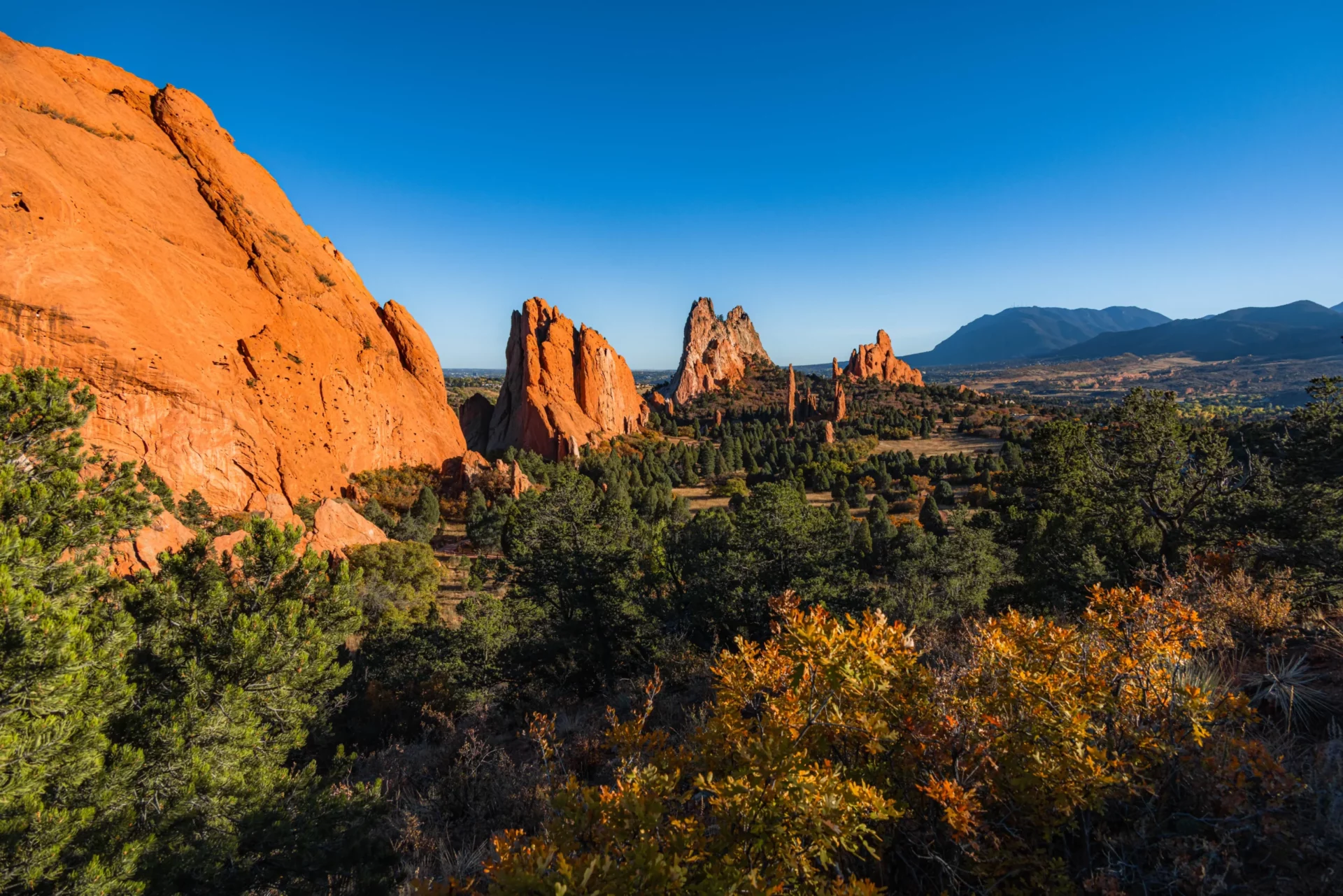
The iconic landscape of the Garden of the Gods is the result of complex geological processes that have unfolded over millions of years. The striking red, pink, and white sandstone and conglomerate formations, some reaching heights of over 300 feet, stand in stark contrast to the vibrant blue Colorado sky. These ancient sedimentary rocks were uplifted and tilted by a major geological fault at the heart of the Rocky Mountains uplift, and then sculpted by erosion from wind, water, and ice.
The Formation of the Red Rocks
The story of the Garden of the Gods begins over 300 million years ago with the deposition of ancient sand dunes and riverbeds. Over eons, these sediments were compressed and cemented into rock. Later, tectonic forces caused these rock layers to be dramatically uplifted, creating a monocline—a series of nearly vertical rock layers. The subsequent erosion, particularly by ancient rivers and prevailing winds, carved out the dramatic spires, fins, and balanced rocks that define the park’s unique topography.
Notable Formations
The park is dotted with an array of distinct and unforgettable rock formations, each with its own character and story.
- Kissing Camels: This popular formation, resembling two camels with their heads touching, is a testament to the erosional forces that have shaped the landscape.
- Siamese Twins: A slender, natural arch that has captivated visitors for generations. (Note: The Siamese Twins rock formation tragically collapsed in March 2019 due to natural erosion and is no longer standing.)
- Pulpit Rock: A towering, flat-topped formation that offers panoramic views of the surrounding park.
- Cathedral Spires: A cluster of tall, slender rock spires that evoke the grandeur of natural architecture.
- Balanced Rock: A boulder precariously perched atop a narrow pedestal, demonstrating the delicate balance of nature.
Exploring the Garden of the Gods
The Garden of the Gods is more than just a scenic vista; it’s an active playground for outdoor enthusiasts. The park offers a variety of ways to experience its natural splendor, catering to different fitness levels and interests.
Hiking Trails
With over 15 miles of paved and unpaved trails, hikers can immerse themselves in the heart of the rock formations.
- Perkins Central Garden Trail: This 1.5-mile paved loop is the most popular trail, offering easy access to many of the park’s most famous formations. It’s wheelchair accessible and suitable for all ages.
- Scottish Bridge Trail: A moderate trail that leads to higher vantage points, providing spectacular views.
- Buckskin Mae Trail: This trail offers a more rugged experience, winding through diverse terrain and offering opportunities for wildlife viewing.
- Ridge Trail: A more challenging hike that provides sweeping panoramas of the entire park and the surrounding Pikes Peak region.
Biking and Horseback Riding
For those seeking a faster pace, designated trails allow for both mountain biking and horseback riding. This provides a unique perspective on the landscape, allowing visitors to cover more ground and experience the park’s grandeur in a dynamic way.
Rock Climbing and Bouldering
The sheer rock faces of the Garden of the Gods have long attracted rock climbers. While permits are required for some areas, the park offers opportunities for both experienced climbers and those looking to try their hand at bouldering on designated routes. Safety is paramount, and visitors are encouraged to be aware of their surroundings and follow park regulations.

Nature and Wildlife Observation
Beyond the rocks, the park is a vibrant ecosystem supporting a variety of flora and fauna. Keep an eye out for mule deer, bighorn sheep (especially in the higher elevations), coyotes, and numerous bird species. The diverse plant life, including yucca, cacti, and ponderosa pines, adds to the park’s ecological richness.
Visiting the Garden of the Gods
Planning a visit to this natural wonder is straightforward, with amenities designed to enhance the visitor experience.
The Garden of the Gods Visitor and Nature Center
This award-winning facility serves as the perfect starting point for any visit. It offers:
- Interactive Exhibits: Learn about the park’s geology, paleontology, and ecology through engaging displays.
- Panoramic Views: Large windows provide stunning vistas of the red rock formations.
- Educational Programs: The center hosts talks and guided walks led by park naturalists.
- Gift Shop and Cafe: Pick up souvenirs and enjoy refreshments.
Accessibility and Amenities
The Garden of the Gods is committed to accessibility. Many of the main pathways are paved and relatively flat, making them suitable for wheelchairs and strollers. Restrooms are available at various points throughout the park. Ample parking is provided, though it can fill up quickly during peak seasons.
Best Time to Visit
The park is open year-round, offering different experiences with each season.
- Spring (April-May): Wildflowers begin to bloom, and the weather is generally mild.
- Summer (June-August): The most popular time, with warm weather ideal for outdoor activities. Be prepared for crowds and afternoon thunderstorms.
- Fall (September-October): Crisp air, vibrant autumn colors, and fewer crowds make this an ideal season for hiking.
- Winter (November-March): The park takes on a serene beauty with a dusting of snow on the red rocks. Temperatures can be cold, but fewer visitors mean a more peaceful experience.
The Cultural and Historical Significance
Long before it was a park, the area now known as the Garden of the Gods held significance for Native American tribes. Evidence suggests that indigenous peoples, including the Ute, Cheyenne, and Arapaho, used the area for spiritual ceremonies and hunting grounds for thousands of years. The dramatic landscape likely held deep cultural and religious meaning for them.
Indigenous Heritage
The park’s name itself hints at a spiritual connection. While the exact origin of the name is debated, one popular story attributes it to Rufus Cable, a surveyor for the Denver and Rio Grande Railroad in 1879. He is said to have remarked that the area was “fit for the gods.” This nomenclature reflects the awe and wonder the landscape has inspired across different cultures and eras.

Preservation and Designation
In 1906, the land was donated to the City of Colorado Springs by the Chase and Smith families, with the stipulation that it remain free to the public. In 1971, it was designated a National Natural Landmark by the National Park Service, recognizing its outstanding geological significance. This designation ensures its preservation for future generations to explore and appreciate.
The Garden of the Gods stands as a remarkable testament to the power and artistry of nature. Its towering red rock formations, accessible trails, and rich history invite visitors to connect with the land in a profound way, offering an unforgettable experience in the heart of Colorado.
LifeOutOfTheBox is a participant in the Amazon Services LLC Associates Program, an affiliate advertising program designed to provide a means for sites to earn advertising fees by advertising and linking to Amazon.com. Amazon, the Amazon logo, AmazonSupply, and the AmazonSupply logo are trademarks of Amazon.com, Inc. or its affiliates. As an Amazon Associate we earn affiliate commissions from qualifying purchases.