
Naples, Florida, a jewel on the southwestern coast of the Sunshine State, is far more than just a dot on the map; it’s a vibrant epicenter of luxury, natural beauty, and refined coastal living. Nestled on the Gulf of Mexico, this affluent city offers a unique blend of pristine beaches, world-class shopping, exceptional dining, and a relaxed yet sophisticated atmosphere that draws visitors and residents alike. Understanding its precise location is the first step to unlocking the myriad experiences this captivating destination holds.
Geographic Positioning and Coastal Charm
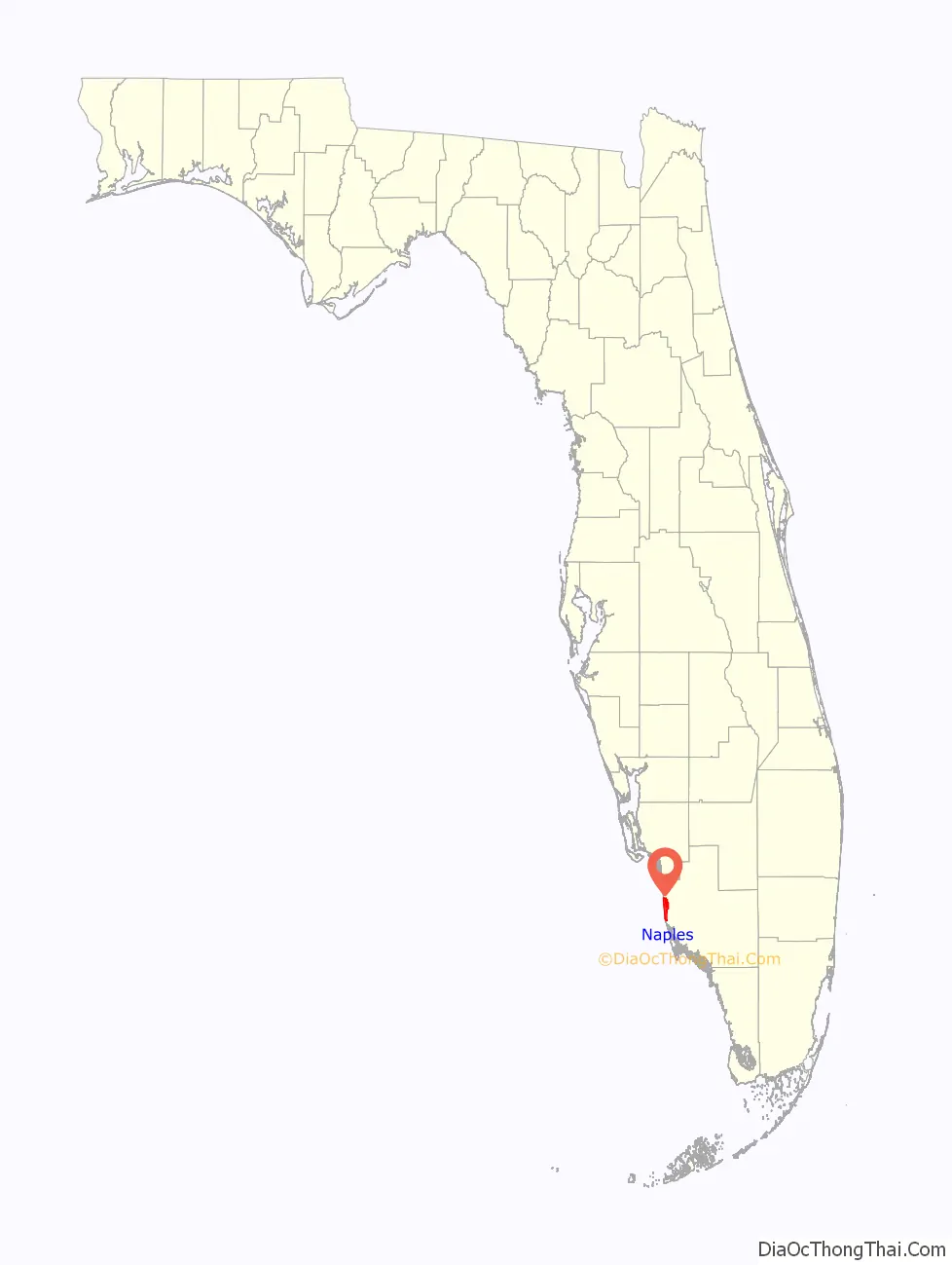
Naples is strategically situated in Collier County, the largest county in Florida by land area, in the southwestern part of the state. It lies approximately 150 miles south of Tampa and 45 miles west of Miami, positioning it as a prime gateway to the Everglades National Park and the subtropical wonders of South Florida. The city’s coastline stretches along the Gulf of Mexico, boasting miles of powdery white sand beaches that are renowned for their soft texture and calm, clear waters. This prime waterfront real estate is a significant factor in Naples’ allure, offering breathtaking sunsets and a constant connection to the marine environment.

The Significance of the Gulf Coast
The Gulf Coast location of Naples is pivotal to its identity and economy. The warm, tropical climate fosters an environment conducive to year-round outdoor activities. The gentle waves of the Gulf provide a serene backdrop for sunbathing, swimming, and a variety of water sports. Fishing enthusiasts find ample opportunities in the abundant offshore waters, which are teeming with diverse marine life. Furthermore, the Gulf’s influence shapes Naples’ culinary scene, with fresh seafood being a cornerstone of its gastronomic offerings. The coastal positioning also contributes to the city’s distinctive ecosystem, supporting mangrove forests and unique wildlife that add to its ecological richness.
Proximity to Major Hubs and Natural Wonders
While Naples exudes an air of secluded tranquility, its proximity to major metropolitan areas and significant natural attractions enhances its accessibility and appeal. Its location makes it a convenient destination for those seeking an escape from the hustle and bustle of larger cities like Miami or Fort Lauderdale, yet it remains easily reachable for a weekend getaway or a longer vacation. Just a short drive east of Naples lies the vast and untamed wilderness of the Everglades National Park, a UNESCO World Heritage site offering unparalleled opportunities for wildlife viewing, airboat tours, and exploring unique subtropical ecosystems. The proximity to this natural wonder makes Naples an ideal base for eco-tourism adventures.
Accessibility and Transportation Networks
Reaching Naples is a straightforward affair, thanks to well-developed transportation infrastructure that caters to both domestic and international travelers. The city is served by several major airports, ensuring convenient access regardless of your point of origin. This ease of access is crucial for a destination that thrives on tourism and attracts visitors from across the globe.
Air Travel to Naples
The primary gateway for air travelers is the Southwest Florida International Airport (RSW), located in nearby Fort Myers. RSW is a modern, efficient airport with numerous direct flights from major cities across the United States and international connections. From Fort Myers, Naples is a comfortable and scenic drive of approximately 30-45 minutes. For those seeking premium service or specific airline options, additional airports within a few hours’ drive, such as Miami International Airport (MIA) and Fort Lauderdale-Hollywood International Airport (FLL), also provide viable entry points, connecting travelers to Naples via rental car or shuttle services.
Roadways and Local Transit
Naples is well-connected by a network of major highways, making driving a popular and convenient mode of transportation. Interstate 75 (I-75), often referred to as “Alligator Alley,” runs east of Naples and serves as the primary artery connecting the southwestern coast to the rest of Florida. From I-75, State Road 84 (SR 84), also known as Alligator Alley Parkway, and State Road 29 (SR 29) provide direct access to the city. Once in Naples, navigating the city is relatively easy. The downtown area, centered around Fifth Avenue South and Third Street South, is highly walkable and offers a charming pedestrian experience. For those without a car, local bus services and ride-sharing options are available, though a personal vehicle or rental car is often recommended for exploring the broader Naples area and its surrounding attractions.

Naples Within the Context of Florida’s Geography
To truly appreciate where Naples is located, it’s essential to understand its placement within the broader geographical context of the state of Florida. The state itself is a peninsula, projecting into the Atlantic Ocean to the east and the Gulf of Mexico to the west. Naples occupies a distinct position along this vast coastline, offering a unique experience that differs from the Atlantic side.
Southwest Florida’s Unique Character
The southwestern region of Florida, where Naples resides, is characterized by its tranquil beaches, extensive mangrove estuaries, and a more laid-back, affluent lifestyle compared to the bustling East Coast. This area is known for its commitment to preserving its natural beauty, evident in the numerous state parks, wildlife refuges, and protected coastal areas. Naples, as a prominent city in this region, embodies these characteristics, offering a sophisticated urban center seamlessly integrated with its natural surroundings. It’s a stark contrast to the more developed and sometimes frenetic pace of cities like Miami or Orlando.
The “Paradise Coast” and Its Neighbors
Naples is often referred to as part of the “Paradise Coast,” a designation that speaks to the region’s stunning natural landscapes and upscale appeal. Its neighbors include cities like Fort Myers, Bonita Springs, and further south, Marco Island. These communities share a similar coastal identity and offer complementary attractions, from the vibrant arts scene of Fort Myers to the pristine island beauty of Marco Island. Collectively, these destinations form a cohesive region renowned for its luxury resorts, championship golf courses, and an abundance of outdoor recreational opportunities, all under the warm Florida sun.
Exploring Beyond Naples: Day Trips and Excursions
Naples’ strategic location makes it an ideal starting point for exploring the diverse attractions of Southwest Florida. Whether you’re interested in wildlife, history, or unique coastal experiences, a wealth of day trip possibilities await.
The Majesty of the Everglades
A visit to Naples is incomplete without considering an excursion into the Everglades National Park. This iconic wetland ecosystem is a testament to Florida’s wild heart. Boat tours, airboat rides, and walking trails offer glimpses into a world inhabited by alligators, manatees, diverse bird species, and a unique plant life adapted to the watery environment. The drive from Naples to the main entrances of the Everglades is manageable, typically taking around an hour to an hour and a half, making it a perfect full-day adventure.
Cultural and Historical Sites
The region surrounding Naples is rich in history and culture. A short drive north leads to Fort Myers, where visitors can explore the historic winter estates of Thomas Edison and Henry Ford. These preserved landmarks offer a fascinating glimpse into the lives of these American innovators. Further inland, towns like Arcadia offer a taste of Old Florida charm with their antique shops and historic downtowns. The arts and culture scene in Naples itself is also vibrant, with numerous galleries and performance venues.
Island Escapes and Coastal Adventures
The coastal allure of Southwest Florida extends to its numerous islands. Marco Island, just south of Naples, is the largest of the Ten Thousand Islands and offers beautiful beaches, opportunities for shelling, and boat tours into the intricate mangrove systems. A bit further afield, the barrier islands like Sanibel Island and Captiva Island are world-renowned for their shelling and birdwatching, accessible via causeway from Fort Myers. These excursions provide a perfect complement to the Naples experience, showcasing the varied coastal beauty of the region.
LifeOutOfTheBox is a participant in the Amazon Services LLC Associates Program, an affiliate advertising program designed to provide a means for sites to earn advertising fees by advertising and linking to Amazon.com. Amazon, the Amazon logo, AmazonSupply, and the AmazonSupply logo are trademarks of Amazon.com, Inc. or its affiliates. As an Amazon Associate we earn affiliate commissions from qualifying purchases.