
Securing a liquor license in Florida is a significant step for any entrepreneur looking to enter the hospitality industry, whether it’s a new restaurant, a vibrant bar, or a boutique hotel. The process, while intricate, is designed to ensure responsible alcohol sales and public safety. This guide aims to demystify the journey, offering insights into the types of licenses available, the essential requirements, and the steps involved in obtaining this crucial permit from the Florida Department of Business and Professional Regulation (DBPR), Division of Alcoholic Beverages and Tobacco (ABT).
Understanding Florida Liquor License Categories
Florida offers a diverse array of liquor license classifications, each tailored to specific business models and types of alcohol sales. Understanding these categories is the foundational step, as selecting the correct license type will dictate eligibility, requirements, and the scope of operations. The ABT categorizes licenses based on the type of alcohol sold (beer, wine, spirits) and the method of sale (consumption on-premises, package sales for off-premises consumption, or both).
Full On-Premises Consumption Licenses
These licenses are typically for establishments where alcohol is consumed at the location of sale, such as restaurants, bars, and clubs.
Beer and Wine Licenses (Quota Licenses)
- 1APS (Beer Only – On Premise): Allows the sale of beer for consumption on the premises. This is often suitable for casual dining spots or venues that primarily focus on beer.
- 2APS (Beer and Wine – On Premise): Permits the sale of both beer and wine for consumption on the premises. This is a popular choice for many restaurants that do not wish to serve full spirits.
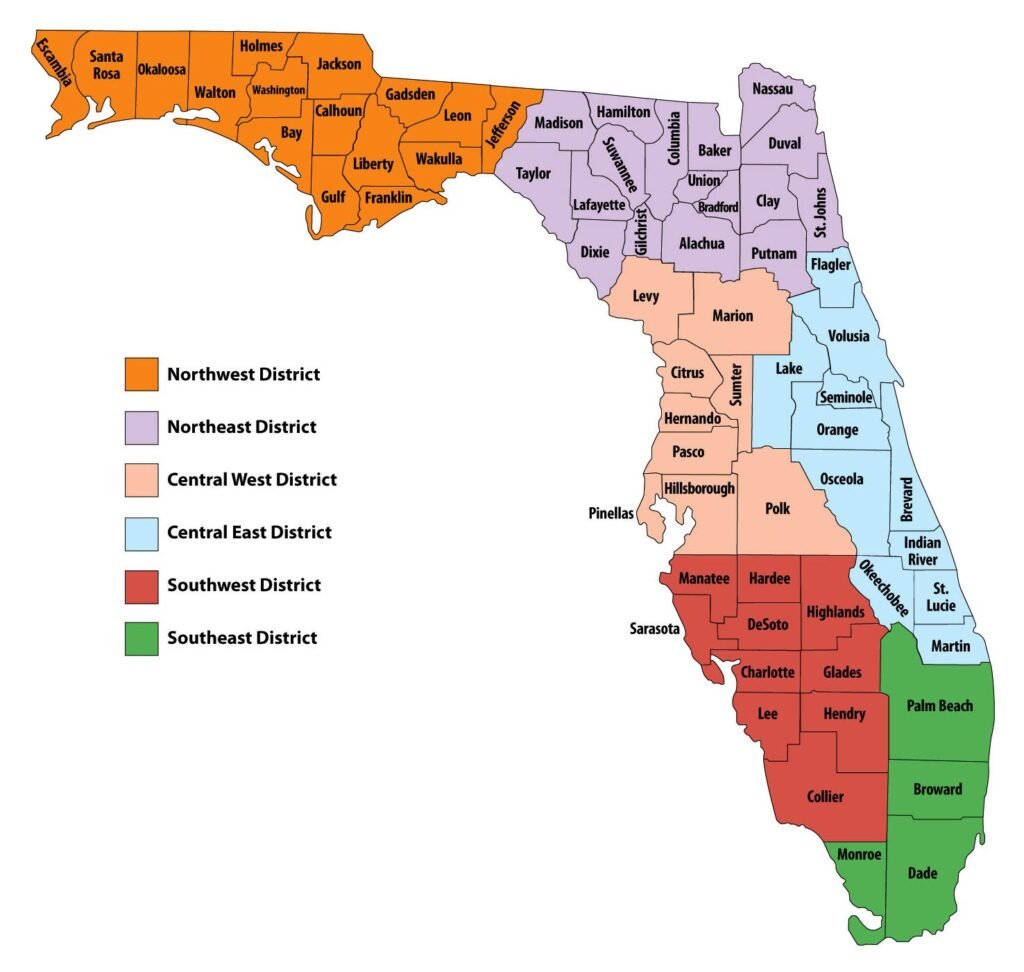
- 4COP (Full Liquor – On Premise): This is the most comprehensive license for on-premises consumption, allowing the sale of beer, wine, and spirits. It is essential for bars, nightclubs, and full-service restaurants that offer a complete bar experience. The availability of 4COP licenses is subject to a quota system, meaning the number of licenses issued in each county is limited, often making them more expensive and requiring a lottery or purchase from an existing license holder.
Special Licenses for Specific Establishments
- SRX (Special Restaurant License): Designed for restaurants that derive at least 51% of their gross revenue from the sale of food. This license allows for the sale of beer, wine, and spirits for consumption on-premises, but it has specific seating and square footage requirements. It can be a more accessible option for restaurants than a quota 4COP license.
- 9PL (Public Lodging Establishment License): For businesses operating as public lodging establishments (hotels, motels, etc.) with 25 or more rooms. This license allows for the sale of beer, wine, and spirits for consumption on the premises of the lodging establishment, often within designated areas like a bar or restaurant.
- 4COP SFS (Special Food Service): A variation of the 4COP license specifically for establishments meeting certain food sales thresholds, offering a pathway to full liquor sales for food-focused businesses.
Off-Premises Consumption Licenses
These licenses are for businesses selling alcohol for consumption elsewhere, such as liquor stores, convenience stores, and grocery stores.
- 21PS (Beer Only – Off Premise): Allows the sale of beer in sealed containers for off-premises consumption.
- 22PS (Beer and Wine – Off Premise): Permits the sale of beer and wine in sealed containers for off-premises consumption.
- 14COP (Package Spirits – Off Premise): Allows for the sale of beer, wine, and spirits in sealed containers for off-premises consumption. This is typical for package liquor stores.
Other License Types
Florida also has specialized licenses for manufacturers, distributors, and importers, as well as temporary permits for special events. Each of these has its own set of distinct criteria and application processes.
Navigating the Application Process
The application for a Florida liquor license is managed by the Division of Alcoholic Beverages and Tobacco (ABT), a division within the DBPR. The process is multi-faceted and requires meticulous attention to detail to ensure compliance with all state and local regulations.
Pre-Application Steps
Before diving into the formal application, several crucial steps should be undertaken to lay a solid groundwork.
Business Structure and Registration
First, your business must be legally established. This involves choosing a business structure (sole proprietorship, partnership, LLC, corporation) and registering it with the Florida Department of State. Obtaining an Employer Identification Number (EIN) from the IRS is also necessary if you plan to hire employees or operate as a corporation or partnership.
Site Selection and Zoning Compliance
The physical location of your establishment is paramount. You must ensure that the proposed location is zoned appropriately for the type of liquor license you intend to obtain. Local municipal zoning ordinances can be stringent, and it’s advisable to consult with the local planning and zoning department early in the process. Proximity to schools, churches, and other sensitive locations may also affect license approval.
Securing Necessary Permits and Approvals
Depending on your business type and location, you may need various other permits before applying for a liquor license. These can include food service permits from the Florida Department of Health, building permits, fire department approvals, and certificates of occupancy.
Fingerprinting and Background Checks
All individuals with a significant ownership interest in the business, as well as corporate officers and directors, will be required to undergo a background check, including fingerprinting. The ABT conducts these checks to ensure the integrity of license holders.
The Application Submission
Once the preliminary steps are completed, you can begin the formal application process with the ABT.
Completing the Application Forms
The ABT provides detailed application forms for each license type. These forms require comprehensive information about the business, its owners, the proposed location, and the intended operations. Accuracy and completeness are critical; any omissions or errors can lead to significant delays or outright rejection.
Required Documentation
A substantial amount of supporting documentation will be needed. This typically includes:
- Proof of United States citizenship or legal residency for owners.
- Business registration documents.
- Lease agreements or proof of property ownership.
- Floor plans of the establishment.
- Copies of any other required permits and licenses.
- Financial statements or proof of financial stability.
- Fingerprint cards for background checks.
Application Fees
Each license type comes with associated application and license fees. These fees vary based on the classification of the license and must be paid at the time of submission. It’s important to note that these fees are non-refundable.
Review and Approval Process
After submission, the ABT will meticulously review your application and supporting documents.
Investigation and Inspection
An ABT investigator will be assigned to your case. They will verify the information provided in the application, inspect the proposed premises to ensure it meets all requirements (including zoning and safety regulations), and conduct background checks on the applicants. This phase can involve site visits and interviews.
Local Government Approval
In many cases, local government authorities (city or county) will also need to approve the liquor license application. This process may involve public hearings or review by local boards. The ABT will forward your application to the relevant local entities for their feedback and approval.
Issuance of License
If all requirements are met, and all necessary approvals are obtained, the ABT will issue your liquor license. The timeline for this process can vary significantly, from a few weeks for simpler licenses to many months for more complex applications, particularly those involving quota licenses or extensive investigations.
Factors Influencing License Approval and Costs
Several key factors can impact the approval of your liquor license application and the associated costs. Understanding these can help streamline the process and avoid unexpected hurdles.
Quota License Availability and Cost
As mentioned, the 4COP license, which allows for the sale of all types of alcohol for on-premises consumption, is a quota license. This means the state limits the number of these licenses issued per county, based on population. When the quota is met, new applicants must either wait for a license to become available or purchase one from an existing license holder. This secondary market can lead to substantial costs, with 4COP licenses often selling for tens or even hundreds of thousands of dollars, depending on the county and market demand. Factors such as location within a popular area like Miami or Orlando can further inflate prices.
Business Plan and Financial Viability
The ABT is interested in ensuring that businesses seeking liquor licenses are legitimate and financially sound. A well-structured business plan that demonstrates a clear path to profitability, particularly concerning food sales for restaurants, can positively influence the application review. Evidence of sufficient capital to operate the business without relying solely on alcohol sales can also be beneficial.
Compliance History
Individuals or entities with a history of violations related to alcohol sales, criminal activity, or non-compliance with business regulations may face significant challenges in obtaining a liquor license. The ABT thoroughly vets all applicants to maintain the integrity of the licensing system.
Location and Proximity Regulations
The specific location of your establishment is a critical determinant of license approval. Florida law, as well as local ordinances, dictates minimum distances from schools, churches, and sometimes other licensed establishments. While exceptions might exist, understanding these proximity rules for your chosen site in cities like Tampa or Jacksonville is vital.
The Role of Legal Counsel and Consultants
Given the complexity of Florida’s liquor laws and the intricate application process, many entrepreneurs opt to work with attorneys specializing in alcoholic beverage law or experienced liquor license consultants. These professionals can provide invaluable guidance on license selection, application preparation, navigating potential obstacles, and ensuring compliance, ultimately saving time and reducing the risk of costly mistakes.
Maintaining Your Florida Liquor License
Obtaining the license is only the first step; maintaining it requires ongoing vigilance and adherence to regulations.
Regulatory Compliance
Once licensed, businesses must consistently comply with all ABT regulations. This includes accurate record-keeping, proper training of staff on responsible alcohol service (e.g., not serving minors or visibly intoxicated individuals), maintaining the premises according to health and safety standards, and adhering to operating hours.
Renewals and Updates
Liquor licenses are typically valid for a specific period and require renewal. The ABT will send renewal notices, but it is the licensee’s responsibility to ensure timely submission of renewal applications and fees. Any significant changes to the business, such as a change in ownership, location, or business structure, must be reported to and approved by the ABT.
Consequences of Non-Compliance
Failure to comply with Florida’s alcoholic beverage laws can result in severe penalties, ranging from fines and license suspension to outright revocation of the license. Such consequences can have devastating effects on a hospitality business, leading to financial ruin and reputational damage. For establishments operating in popular tourist areas like the Florida Keys or near attractions like Walt Disney World Resort, maintaining a clean record is crucial for sustained success.

Seeking Professional Assistance for Ongoing Compliance
Even after licensure, businesses may benefit from ongoing consultation with legal experts or compliance specialists. They can help navigate changes in regulations, prepare for inspections, and ensure that the establishment remains in good standing with the ABT. This proactive approach is essential for long-term viability and operational excellence in Florida’s competitive hospitality landscape.
LifeOutOfTheBox is a participant in the Amazon Services LLC Associates Program, an affiliate advertising program designed to provide a means for sites to earn advertising fees by advertising and linking to Amazon.com. Amazon, the Amazon logo, AmazonSupply, and the AmazonSupply logo are trademarks of Amazon.com, Inc. or its affiliates. As an Amazon Associate we earn affiliate commissions from qualifying purchases.