
Understanding the intricate web of taxation within the Golden State is crucial for both residents and visitors alike. The California Tax Distribution refers to how the revenue generated from various taxes is collected, allocated, and spent across the state’s diverse sectors, impacting everything from public services to infrastructure projects. For those planning a trip or considering a long-term stay in California, grasping these financial flows can offer valuable insight into the state’s operational dynamics and the quality of life it offers. This exploration delves into the primary sources of tax revenue and their subsequent distribution, painting a comprehensive picture of the fiscal landscape.
Key Revenue Streams and Their Allocation
The California tax system is a multifaceted entity, drawing significant revenue from several major sources. The distribution of these funds is a complex process, governed by legislative appropriations, constitutional mandates, and statutory requirements. Understanding these primary streams is the first step to comprehending the state’s fiscal architecture.
Sales and Use Tax
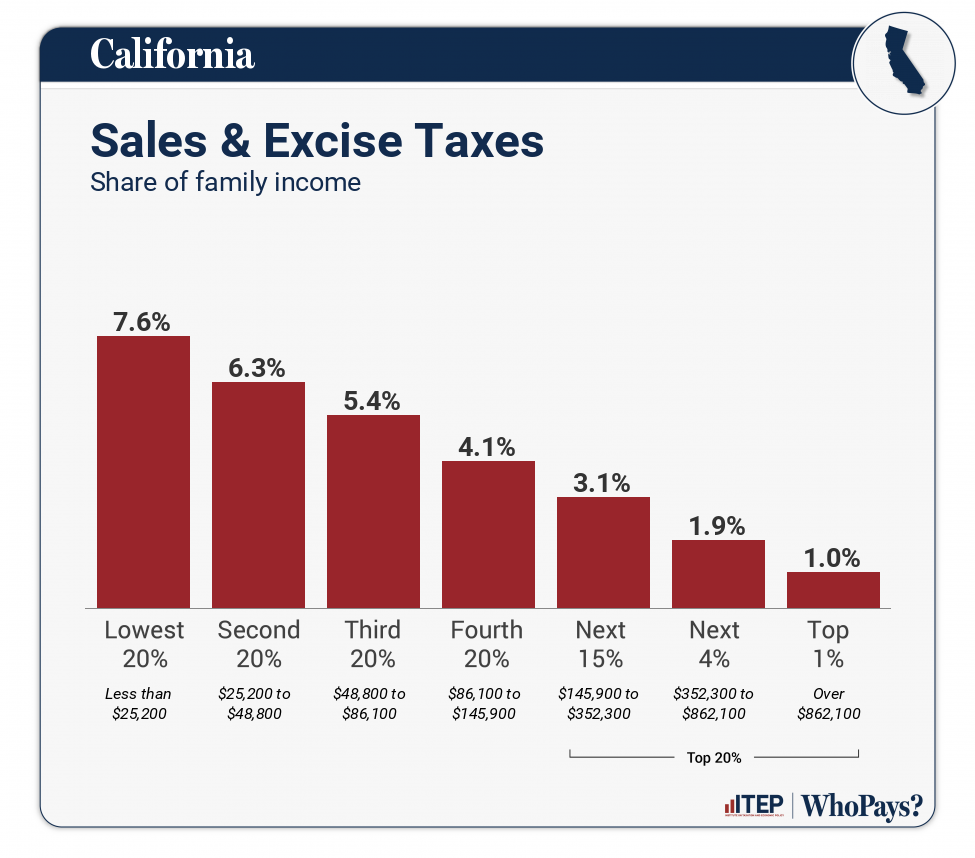
Perhaps the most visible tax for consumers, the sales and use tax is levied on the retail sale of tangible personal property. While the state sets a base rate, local jurisdictions, including cities and counties, can add their own district taxes, leading to varying rates across the state.
Distribution of Sales Tax Revenue
The revenue generated from the state’s sales tax is a cornerstone of the General Fund, which finances a vast array of state programs and services. A significant portion is allocated to education, including funding for public schools and community colleges. Other critical areas receiving allocations include healthcare services, public safety, and environmental protection.
- Education: A substantial portion of sales tax revenue is earmarked for the California Department of Education, supporting everything from early childhood programs to K-12 instruction and higher education institutions. This investment underscores the state’s commitment to its educational future.
- Public Safety: Funds are directed towards state and local law enforcement agencies, correctional facilities, and the judicial system. This ensures the maintenance of order and the provision of justice throughout the state.
- Health and Human Services: The California Health and Human Services Agency oversees the distribution of funds for a wide range of programs, including Medi-Cal (the state’s Medicaid program), mental health services, and social welfare initiatives.
- Infrastructure and Transportation: While often funded through dedicated transportation taxes, a portion of general sales tax revenue can also be directed towards improving roads, bridges, and public transportation networks, crucial for facilitating travel and commerce.
- Environmental Programs: Support is provided for initiatives aimed at protecting California’s natural resources, combating climate change, and promoting sustainable practices.
The allocation of sales tax revenue is dynamic, subject to legislative priorities and economic conditions. For instance, during economic downturns, sales tax revenues may decrease, necessitating adjustments in spending. Conversely, during periods of robust economic growth, increased revenues can allow for greater investment in state priorities.
Personal Income Tax
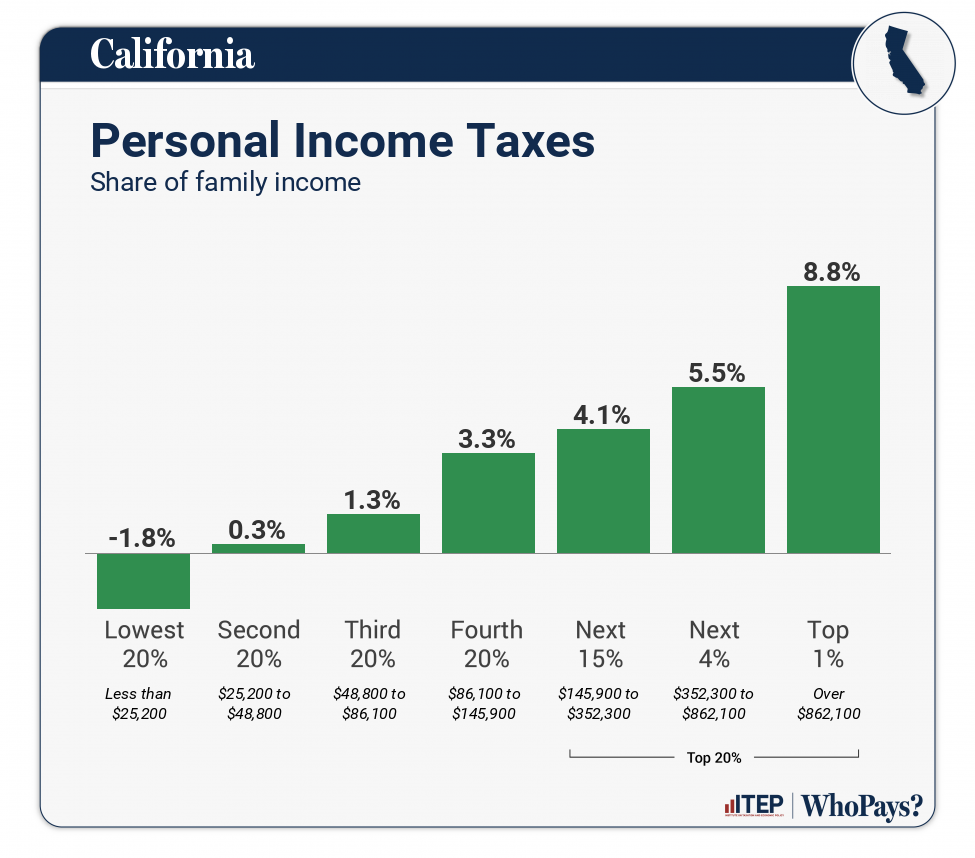
California boasts one of the highest personal income tax rates in the nation, making it another critical revenue generator. This tax is levied on the net income of individuals and is structured as a progressive tax, meaning higher earners pay a larger percentage of their income in taxes.
Distribution of Personal Income Tax Revenue
The revenue from personal income tax is the largest single source of funding for the state’s General Fund. Similar to sales tax revenue, it plays a pivotal role in supporting core governmental functions.
- General Government Operations: This encompasses a broad spectrum of state agencies and their operations, from administrative services to regulatory bodies that oversee various industries.
- Education: As with sales tax, a significant portion of income tax revenue is dedicated to education. This includes funding for the University of California and California State University systems, as well as K-12 public education.
- Social Programs: Investments in social services, unemployment insurance, and poverty reduction programs are heavily reliant on income tax revenue.
- State Debt Service: A portion of the revenue is used to pay interest and principal on state bonds, which are often issued to finance large infrastructure projects.
The progressive nature of the personal income tax means that revenue streams can be sensitive to fluctuations in the stock market and the performance of high-income sectors, such as technology and finance. This makes budgeting a complex undertaking for state legislators.
Corporate Franchise and Income Tax
Businesses operating in California are subject to corporate franchise and income taxes. The franchise tax is levied on the privilege of doing business in the state, while the income tax is based on the company’s net income.
Distribution of Corporate Tax Revenue
Revenue from corporate taxes also contributes significantly to the General Fund, bolstering the state’s ability to fund essential services.
- Economic Development Initiatives: Some of this revenue may be directed towards programs aimed at fostering business growth, attracting new industries, and supporting existing businesses through grants, loans, or tax incentives.
- Regulatory Oversight: Agencies responsible for regulating various business sectors, ensuring fair competition, and protecting consumers receive funding from corporate tax revenues.
- Infrastructure Investments: As mentioned, corporate taxes, along with other revenue streams, contribute to the financing of vital infrastructure projects that support economic activity.
The California legislature has historically used corporate tax policies to encourage or discourage certain business practices, and the revenue generated is a direct reflection of the state’s economic climate and its attractiveness to businesses.
Special Funds and Earmarked Taxes
Beyond the General Fund, California utilizes numerous special funds and earmarked taxes that dedicate revenue to specific purposes. These are often established by voter initiatives or legislative action to ensure that certain services or programs receive consistent funding.
Transportation Taxes
Taxes on motor fuel, vehicle registration fees, and other transportation-related levies are primarily directed towards the California Department of Transportation (Caltrans) and local transportation agencies.
Funding for Infrastructure and Services
- Roads and Highways: A major portion of these funds is used for the construction, maintenance, and repair of state highways and local roads. This is critical for facilitating travel, commuting, and the movement of goods.
- Public Transit: Investments in bus systems, light rail, and other forms of public transportation are also supported by these revenues, promoting sustainable mobility options for residents and visitors, especially in densely populated areas like Los Angeles and the San Francisco Bay Area.
- Environmental Mitigation: Some transportation funds are also allocated to projects that mitigate the environmental impact of transportation, such as sound barriers or wildlife crossings.
For anyone visiting or planning a stay in California, understanding the quality of its roads and public transit systems is directly linked to how these tax revenues are managed and distributed.
Property Taxes
While primarily a local revenue source, property taxes play a role in the overall fiscal picture of California. Under Proposition 13, property taxes are limited to 1% of assessed value, with reassessments typically occurring only upon sale or new construction.
Local Government Funding
- K-12 Education: A significant portion of property tax revenue collected by counties is distributed to local school districts, providing a foundational level of funding for public education.
- County and City Services: Property taxes are a primary source of funding for essential local services such as police and fire departments, parks and recreation, and local infrastructure maintenance.
- Special Districts: Revenue also supports special districts that provide services like water, sanitation, and flood control.
While property taxes are levied locally, their predictable revenue stream contributes to the stability of local governance and the delivery of services that directly impact the quality of life in communities across the state, from the bustling streets of San Diego to charming smaller towns.
Broader Economic and Social Impacts
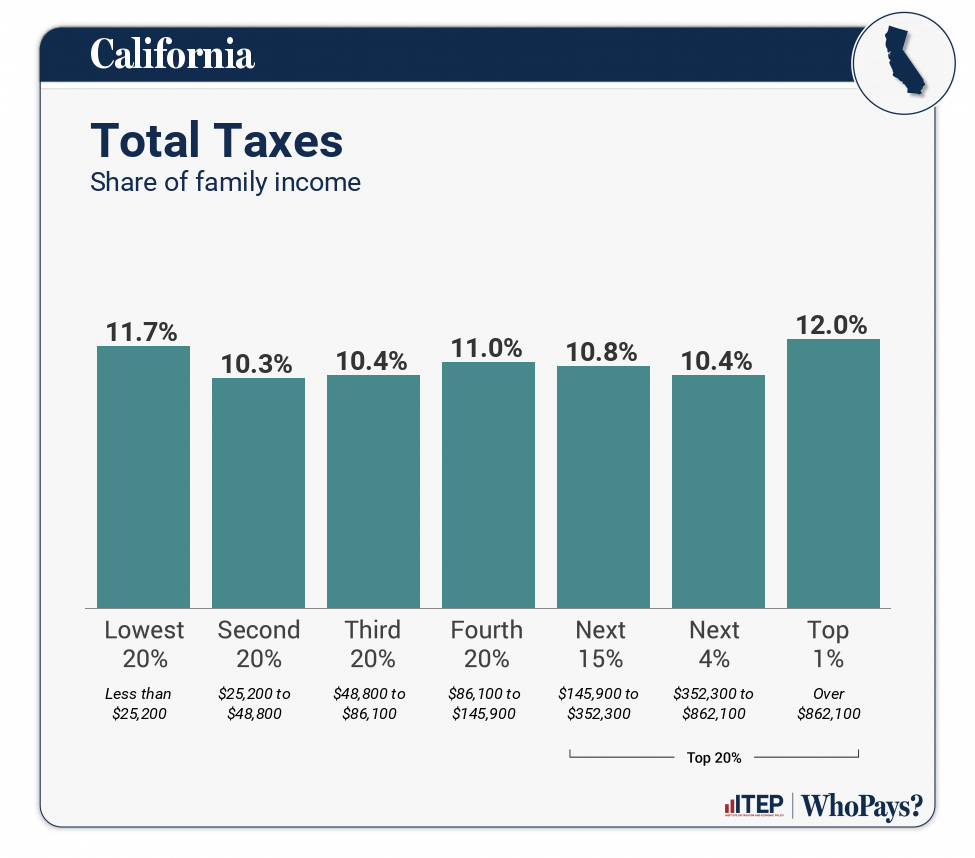
The California Tax Distribution is not merely an accounting exercise; it has profound implications for the state’s economy, its social fabric, and the experiences of those who live in, work in, or visit California. The way tax revenues are collected and disbursed influences everything from the affordability of accommodation and the quality of public attractions to the opportunities available for residents.
Investment in Public Services and Infrastructure
The robust allocation of tax revenues to education, healthcare, and infrastructure directly contributes to California’s appeal as a place to live, work, and visit. Well-funded public schools attract families, advanced healthcare systems provide essential services, and well-maintained infrastructure facilitates ease of travel and business.
- Tourism and Attractions: Investments in California’s numerous state parks, historical landmarks, and cultural institutions, often funded through tax revenues, enhance the visitor experience and contribute significantly to the state’s tourism industry. Imagine the upkeep of icons like Yosemite National Park or the historical sites in San Francisco.
- Economic Competitiveness: A strong tax base supporting essential services and infrastructure can foster a competitive business environment, attracting investment and creating jobs. This, in turn, influences the types of hotels and amenities available, catering to a diverse range of travelers, from budget-conscious backpackers to luxury resort guests.
Impact on Lifestyle and Cost of Living
The structure and rates of California’s taxes also influence the cost of living, affecting the affordability of everything from housing to everyday goods and services. For visitors, this translates to the overall cost of their vacation or business trip, impacting choices in dining, entertainment, and lodging.
- Affordability of Experiences: While California offers world-class attractions and dining, tax burdens can influence pricing. Understanding the tax component helps in budgeting for activities and experiences, whether it’s enjoying the culinary scene in Napa Valley or exploring the theme parks around Anaheim.
- Quality of Life: Ultimately, the effective distribution of tax revenue contributes to the overall quality of life in California, shaping the environment, the services available, and the opportunities for its residents and welcomed visitors.
In conclusion, the California Tax Distribution is a dynamic and critical aspect of the state’s governance. It forms the financial bedrock upon which public services, infrastructure, and economic vitality are built, shaping the very experiences of those who engage with this vibrant and diverse state.
LifeOutOfTheBox is a participant in the Amazon Services LLC Associates Program, an affiliate advertising program designed to provide a means for sites to earn advertising fees by advertising and linking to Amazon.com. Amazon, the Amazon logo, AmazonSupply, and the AmazonSupply logo are trademarks of Amazon.com, Inc. or its affiliates. As an Amazon Associate we earn affiliate commissions from qualifying purchases.