
Navigating the Sunshine State can be a breeze, but understanding its intricate toll system is key to a smooth and stress-free journey. Florida, with its expansive network of highways, bridges, and expressways, relies heavily on tolls to fund and maintain these vital transportation arteries. Whether you’re a local resident or a visitor exploring popular destinations like Orlando or Miami, encountering a toll is almost inevitable. This guide will demystify how tolls operate in Florida, from payment methods to transponder options and potential pitfalls to avoid.
Understanding Florida’s Toll Collection Systems
Florida employs several toll collection systems, each with its own operational nuances. The primary methods involve either manual toll booths or the more prevalent All-Electronic Tolling (AET) systems. Understanding these distinctions is crucial for seamless travel.
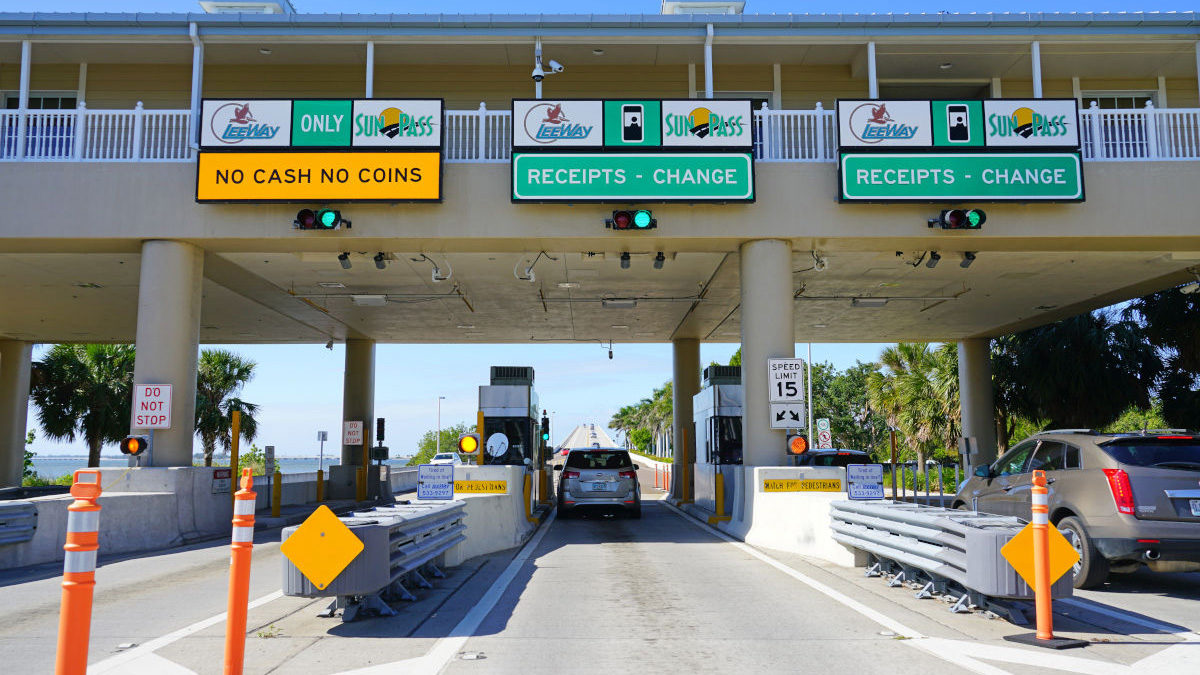
Manual Toll Booths: A Fading Relic
While increasingly rare, some older toll facilities may still operate with manual toll booths. In these instances, drivers are expected to stop and pay the toll fee to a toll collector. Payment can typically be made with cash or, in some cases, with credit cards. However, it’s essential to be aware that many of these booths are being phased out in favor of AET systems to improve traffic flow and reduce operational costs. If you encounter a manual toll, have your payment ready to minimize delays.
All-Electronic Tolling (AET): The Future of Florida Tolls
The vast majority of tolls in Florida now operate under an All-Electronic Tolling system. This means there are no physical toll booths where you stop to pay. Instead, sensors and cameras overhead capture your vehicle as you pass through a toll point.
How AET Captures Your Passage
When you drive through an AET tolling point, the system uses two primary methods to identify your vehicle and process the payment:
- Transponders: If you have a registered toll transponder (like SunPass or a compatible interoperable transponder), the sensor reads its unique signal as you pass. This signal is linked to your account, and the toll is automatically deducted. This is the most convenient and often the most cost-effective method.
- Toll-by-Plate: For vehicles without a transponder, the system captures your license plate number using high-resolution cameras. This information is then used to identify the registered owner of the vehicle through motor vehicle records. A bill for the toll amount will be mailed to the registered owner’s address. It’s important to note that Toll-by-Plate rates are typically higher than transponder rates to account for the administrative costs of processing and mailing bills.
Interoperability: A Key Convenience
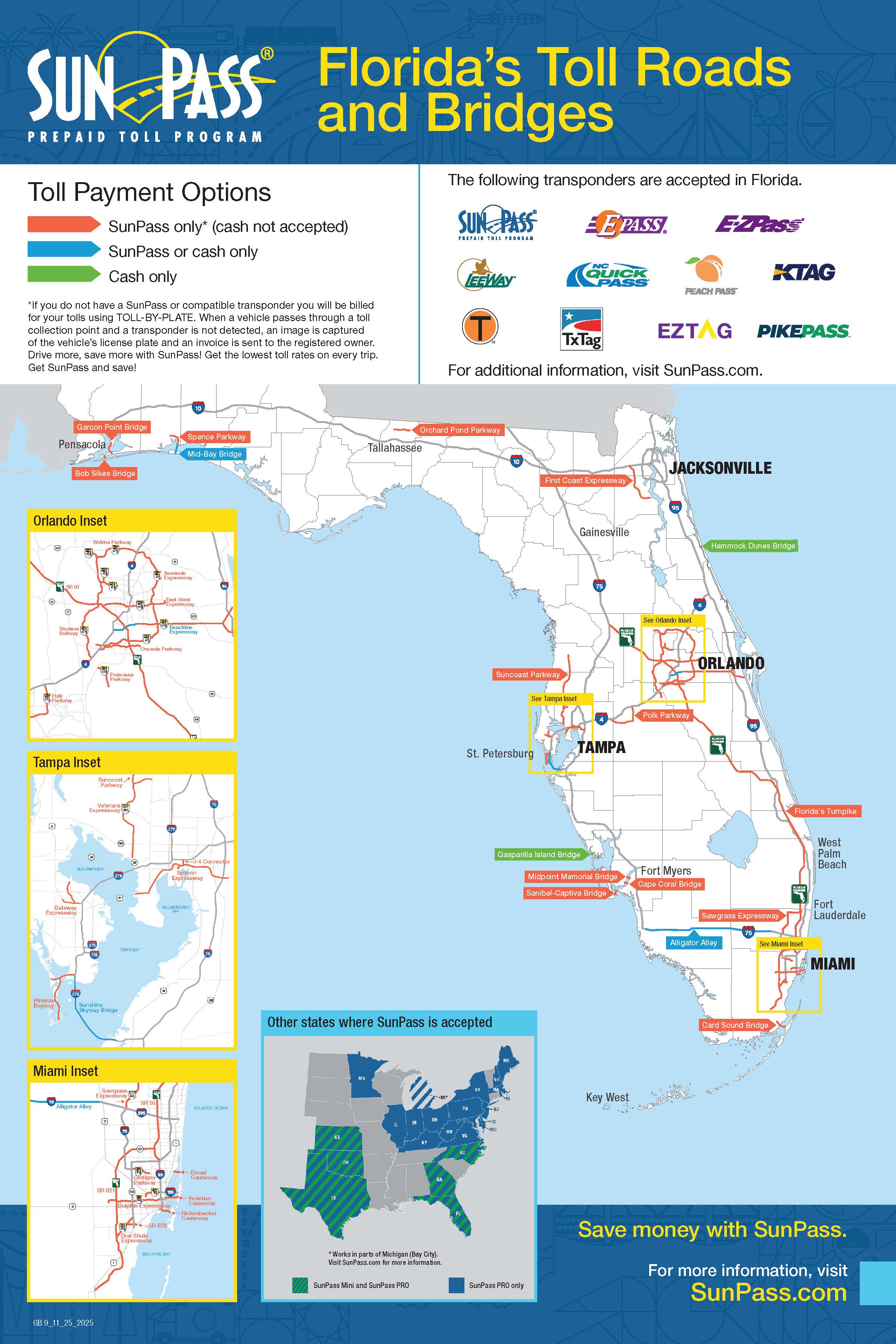
Florida’s toll system is largely interoperable with systems in other states, most notably through the SunPass network. This means that if you have a SunPass transponder, it will work on toll roads in many other states, and vice versa. This interoperability simplifies travel for frequent road-trippers and visitors from out of state, as you don’t need multiple transponders for different regions. Participating states include Georgia, North Carolina, and Virginia, among others.
Payment Options and Account Management
Managing your toll payments effectively is crucial to avoid unexpected charges and late fees. Florida offers several ways to pay for tolls, depending on your chosen method.
The SunPass System: Your Primary Choice
SunPass is Florida’s official electronic toll collection system. Signing up for a SunPass account and obtaining a transponder is highly recommended for anyone who frequently drives on Florida’s toll roads.
Getting a SunPass Transponder
You can purchase a SunPass transponder in several ways:
- Online: Visit the official SunPass website to order a transponder for home delivery.
- Retail Locations: SunPass transponders are available for purchase at various retail locations throughout Florida, including many major convenience stores and pharmacies.
- Customer Service Centers: You can also pick up a transponder at a SunPass service center.
Once you have your transponder, you’ll need to create a SunPass account online or by phone. This account will be linked to your vehicle’s license plate and a payment method (debit card, credit card, or checking account). You can choose between a prepaid account, where you load funds in advance, or a post-paid account that bills you automatically.
Managing Your SunPass Account
The SunPass website and mobile app provide robust tools for managing your account:
- Check Balances: Monitor your account balance and transaction history.
- Update Vehicle Information: Add or remove vehicles from your account.
- Update Payment Methods: Change your linked payment card or bank account.
- View Toll Charges: See details of your toll usage.
Toll-by-Plate: The Alternative
If you don’t have a transponder or your transponder isn’t working, you will likely be processed through the Toll-by-Plate system. When your license plate is captured, a bill will be mailed to the registered owner of the vehicle.
Receiving and Paying Toll-by-Plate Bills
- Grace Period: In many instances, there is a grace period for first-time Toll-by-Plate users, allowing them to pay the toll amount without additional fees. However, this is not guaranteed and can vary.
- Payment Methods: Toll bills can typically be paid online through the relevant toll authority’s website, by mail, or over the phone. The bill will contain specific instructions for payment.
- Timeliness is Key: It is crucial to pay Toll-by-Plate bills promptly. Failure to do so can result in significant late fees, administrative charges, and potentially even citations or registration holds on your vehicle.
Other Transponder Options
While SunPass is Florida’s primary system, other interoperable transponders from other states will also work on Florida’s toll roads. Examples include E-ZPass (used in many Northeastern states) and other regional toll passes. However, when using an out-of-state transponder, it’s wise to confirm its compatibility and any associated fees with your provider before traveling. Remember that the rates applied to out-of-state transponders may differ from SunPass rates.
Common Toll Roads and Bridges in Florida
Florida boasts an extensive network of toll roads and bridges, particularly in its major metropolitan areas and connecting tourist hubs. Familiarizing yourself with some of the most prominent ones can aid in your travel planning.
Central Florida and the Orlando Area
The region around Orlando, a major tourist destination, is heavily serviced by toll roads.
- Central Florida GreeneWay (SR 417): A significant beltway encircling the eastern and southern parts of the Orlando metropolitan area.
- Eastern Beltway (SR 417): Connects with SR 528 and provides access to Orlando International Airport.
- Beachline Expressway (SR 528): Connects Orlando to the eastern coast, including Cape Canaveral and the attractions along the coast.
- Western Beltway (SR 429): Serves the western and northwestern parts of the Orlando area.
- ** dampak (SR 408):** A major east-west expressway through the heart of Orlando.
- Suncoast Parkway (SR 589): A north-south toll road connecting the Tampa Bay area further north into Citrus County.
- Veterans Expressway (SR 589): A major toll road within the Tampa Bay area.
- Selmon Expressway (SR 618): An elevated toll expressway through downtown Tampa and its surrounding areas.
South Florida and the Miami Area
South Florida also features a comprehensive toll system, crucial for navigating the bustling urban landscape.
- Florida’s Turnpike: This is the backbone of Florida’s toll road system, stretching from south of Miami all the way up to the panhandle. It has numerous exits and branches.
- Homestead Extension of Florida’s Turnpike (SR 821): Extends the Turnpike south towards Homestead.
- Dolphin Expressway (SR 836): A major east-west expressway in the Miami area.
- Palmetto Expressway (SR 826): A critical north-south expressway that encircles much of western Miami-Dade County.
- Gratigny Parkway (SR 924): Connects the Palmetto Expressway with I-95 in the northern part of Miami-Dade County.
- Sawgrass Expressway (SR 869): A major north-south toll road in western Broward County, serving areas like Coral Springs.
- Pompano Beach West Expressway (SR 754): Another important toll route in Broward County.
Other Notable Tolls
Beyond these major hubs, numerous bridges and smaller expressways throughout the state are also tolled, particularly those connecting coastal areas or providing access to islands. Always be vigilant for toll signs, especially when crossing bridges or entering express lanes.
Avoiding Toll Violations and Common Mistakes
While the toll system is designed for efficiency, several common mistakes can lead to unexpected charges or violations. Being aware of these pitfalls can save you time and money.
Ensure Your Transponder is Working
This is perhaps the most critical step. Always check that your transponder is properly mounted, has sufficient funds (if prepaid), and is recognized by the system. Some toll authorities offer tools to check the status of your transponder. If you suspect an issue, contact your transponder provider immediately.
Keep Your Account Information Up-to-Date
For both transponder accounts and Toll-by-Plate, ensure your contact and vehicle information is accurate and current. This includes your mailing address, phone number, and email address. Changes in ownership or address that are not updated can lead to bills being sent to the wrong place, resulting in missed payments and penalties.
Understand Toll Gantry Locations
Toll gantries are strategically placed to capture vehicles. In AET systems, there are no stops, so you won’t see a physical toll booth. However, there are often signs indicating that you are approaching a toll zone and that payment is required. Familiarize yourself with the general locations of tolling points on your regular routes.
Differentiate Between Tolls and Express Lanes
Many highways now feature reversible or HOT (High Occupancy Toll) lanes. These are often tolled, and separate rules may apply depending on the time of day or the number of occupants in your vehicle. Always check the signage carefully to understand if you are entering a tolled express lane and what the requirements are. For example, some express lanes require a registered transponder and may have variable pricing.
Pay Toll-by-Plate Bills Promptly
If you receive a Toll-by-Plate bill, treat it with the same urgency as any other bill. Do not ignore it. The fees and penalties for late payment can escalate quickly. If you believe a bill is erroneous, contact the toll authority immediately to dispute it, but do not delay payment while doing so unless instructed by the authority.

Consider a SunPass for Frequent Travel
If you plan to spend more than a few days in Florida or anticipate driving on toll roads regularly, investing in a SunPass transponder will almost certainly save you money and hassle. The per-toll rates are lower, and you avoid the administrative fees associated with Toll-by-Plate.
By understanding how Florida’s toll systems work, managing your payment methods diligently, and being mindful of potential pitfalls, you can navigate the state’s beautiful landscapes and vibrant cities with confidence and ease, ensuring your focus remains on enjoying the attractions and experiences Florida has to offer.
LifeOutOfTheBox is a participant in the Amazon Services LLC Associates Program, an affiliate advertising program designed to provide a means for sites to earn advertising fees by advertising and linking to Amazon.com. Amazon, the Amazon logo, AmazonSupply, and the AmazonSupply logo are trademarks of Amazon.com, Inc. or its affiliates. As an Amazon Associate we earn affiliate commissions from qualifying purchases.