
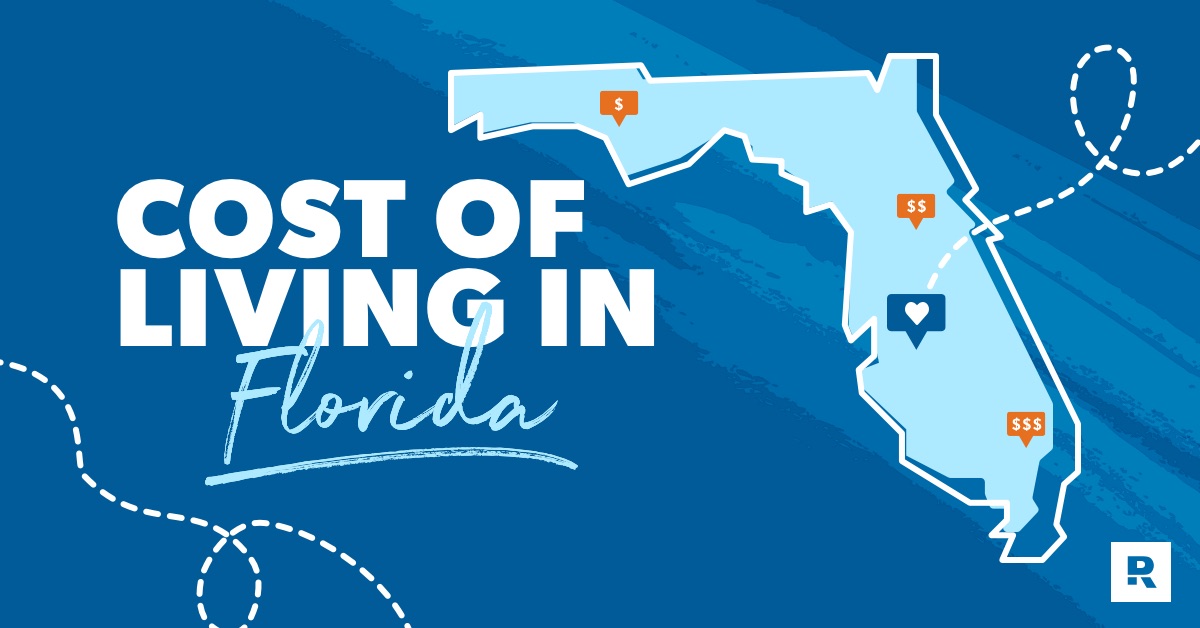
Florida, often dubbed the “Sunshine State,” beckons millions each year with its sun-drenched beaches, vibrant theme parks, and retirement havens. But beyond the idyllic postcard imagery lies a crucial question for prospective residents and long-term visitors: How expensive is it to actually live here? The answer is nuanced, as the cost of living in Florida can vary dramatically depending on location, lifestyle, and individual financial priorities. From the bustling metropolises of South Florida to the more laid-back Panhandle towns, each region presents its own unique economic landscape. This exploration delves into the key components that contribute to the financial reality of life in the Sunshine State, offering insights for those considering a permanent move or extended stay.

Housing Costs: The Single Biggest Determinant
When assessing the cost of living, housing invariably emerges as the most significant expenditure. Florida’s housing market is a complex tapestry, woven with threads of high demand, seasonal fluctuations, and diverse property types.
Metropolitan Hubs vs. Suburban and Rural Areas
Cities like Miami, Fort Lauderdale, and Tampa consistently rank among the pricier locales. In these urban centers, the cost of a one-bedroom apartment can easily range from $1,500 to $2,500 or more per month, with home prices mirroring this upward trend. Luxury condominiums, waterfront properties, and homes in exclusive communities can push these figures even higher.
Conversely, smaller towns and more rural areas, particularly in the northern and central parts of the state, offer more affordable housing options. For instance, cities like Gainesville or even parts of the Florida Panhandle, such as Pensacola, might see average rental prices for a similar apartment fall between $1,000 and $1,500. Homeownership costs in these regions are also considerably lower, making them attractive for budget-conscious individuals and families.
Impact of Proximity to Tourist Hotspots and Beaches
It’s no surprise that areas with direct access to popular tourist attractions or pristine beaches command a premium. Living within minutes of Walt Disney World in Orlando, or along the famed coastlines of Naples or Sarasota, will invariably involve higher rent or mortgage payments. This premium is driven by sustained demand from both permanent residents and seasonal visitors seeking vacation rentals, which can inflate local property values.
Property Taxes and Insurance Considerations
Beyond the monthly mortgage or rent, Florida residents must factor in property taxes and homeowner’s insurance. Property tax rates vary by county, but are generally considered moderate. However, the increasing value of real estate can lead to higher tax bills.
Homeowner’s insurance, particularly in coastal areas prone to hurricanes, can be a substantial expense. Premiums have been on the rise due to increased storm activity and the associated insurance payouts. Many homeowners opt for additional coverage, such as flood insurance, further increasing their annual housing costs. For those considering Florida for long-term stays or permanent residence, obtaining multiple insurance quotes is a critical step in budgeting.
Daily Living Expenses: Beyond the Housing Bubble
While housing is a major expense, the cost of everyday goods and services also plays a significant role in the overall financial picture of living in Florida.
Groceries and Food Costs
The price of groceries in Florida is generally in line with the national average, though some specific items may be slightly higher due to transportation costs and regional supply chains. Fresh produce, especially tropical fruits and vegetables, can be abundant and relatively affordable at local farmers’ markets. However, staple goods in major metropolitan areas might inch upwards compared to smaller towns. Dining out, a popular pastime in Florida, can also add up. A meal at a mid-range restaurant for two could cost anywhere from $50 to $100, depending on the city and the establishment.
Transportation: Cars, Gas, and Public Transit
Florida is a car-dependent state, and the costs associated with owning and operating a vehicle are a significant consideration. This includes car payments, insurance (which can be higher in some urban areas), fuel, maintenance, and registration fees. Gas prices fluctuate, but they are a consistent monthly expense for most residents.

Public transportation options are more developed in major cities like Miami and Tampa, offering bus and rail services. However, for many Floridians, especially those living in suburban or rural communities, a personal vehicle is essential for commuting, running errands, and accessing amenities. Ride-sharing services are also widely available in populated areas, providing an alternative for occasional travel.
Utilities: Electricity, Water, and Internet
Florida’s warm climate means that air conditioning is a necessity for much of the year, leading to higher electricity bills, especially during the summer months. The average monthly electricity bill can range from $100 to $200 or more, depending on usage and the size of the home. Water and sewer services are also a recurring expense, typically ranging from $50 to $100 per month. High-speed internet and cable packages can add another $70 to $150 to the monthly utility burden.
Healthcare and Entertainment: Lifestyle Choices Matter
Beyond the necessities, personal lifestyle choices significantly impact the overall cost of living, particularly in areas like healthcare and entertainment.
Healthcare Accessibility and Costs
Healthcare costs in Florida, like in the rest of the United States, can be substantial. While the state has numerous hospitals, clinics, and specialized medical centers, including prominent institutions like the Mayo Clinic in Jacksonville, the expense of health insurance premiums, deductibles, and co-pays is a significant factor. For retirees, the cost of Medicare supplemental plans and prescription drugs also needs careful consideration. Access to quality healthcare can vary, with more options generally available in urban centers compared to more remote areas.
Entertainment and Recreation: From Theme Parks to Beaches
Florida offers a wealth of entertainment options, but these can quickly add to expenses. Visits to world-renowned theme parks like Walt Disney World, Universal Orlando Resort, and SeaWorld Orlando come with significant ticket prices, accommodation, and dining costs. Annual passes can offer value for frequent visitors, but the initial investment is considerable.
Beyond the theme parks, the state boasts stunning beaches, national parks like the Everglades National Park, and numerous state parks and nature preserves. While many of these natural attractions are free or have minimal entrance fees, activities like boating, fishing, golf, and dining at upscale restaurants can elevate entertainment budgets. The cost of living here can therefore be significantly influenced by how one chooses to spend their leisure time.
State Taxes and Economic Factors
Understanding Florida’s tax structure and broader economic trends is crucial for a comprehensive cost-of-living assessment.
No State Income Tax: A Major Draw
One of Florida’s most significant financial advantages is the absence of a state income tax. This means that residents keep a larger portion of their earnings compared to individuals living in states with high income tax rates. This can translate into substantial savings for high earners and is a primary reason many choose to relocate to Florida.
Sales Tax and Other Taxes
While there’s no income tax, Floridians do pay sales tax on most goods and services. The state sales tax rate is 6%, with counties adding their own discretionary surtax, typically ranging from 0.5% to 1.5%. This means consumers can pay between 6.5% and 7.5% in sales tax, which can add up over time, particularly for larger purchases. Additionally, intangible taxes and other local fees can contribute to the overall tax burden.
Economic Growth and Cost of Living Trends
Florida’s economy has been robust, attracting new businesses and a growing population. This economic vitality, while beneficial in many ways, also fuels demand and can contribute to rising costs in certain sectors, particularly housing. The influx of people from higher-cost states like New York and California often brings with it increased purchasing power, which can put upward pressure on prices for goods, services, and real estate. Staying informed about local economic trends and housing market forecasts is essential for anyone planning a long-term stay in Florida.
In conclusion, the cost of living in Florida is a multifaceted issue. While the absence of state income tax is a compelling financial incentive, potential residents must carefully consider the significant expenses related to housing, transportation, utilities, and the ever-present draw of entertainment and lifestyle choices. By thoroughly researching specific regions and understanding these various cost drivers, individuals can make informed decisions about whether the Sunshine State aligns with their financial realities and aspirations.
LifeOutOfTheBox is a participant in the Amazon Services LLC Associates Program, an affiliate advertising program designed to provide a means for sites to earn advertising fees by advertising and linking to Amazon.com. Amazon, the Amazon logo, AmazonSupply, and the AmazonSupply logo are trademarks of Amazon.com, Inc. or its affiliates. As an Amazon Associate we earn affiliate commissions from qualifying purchases.