
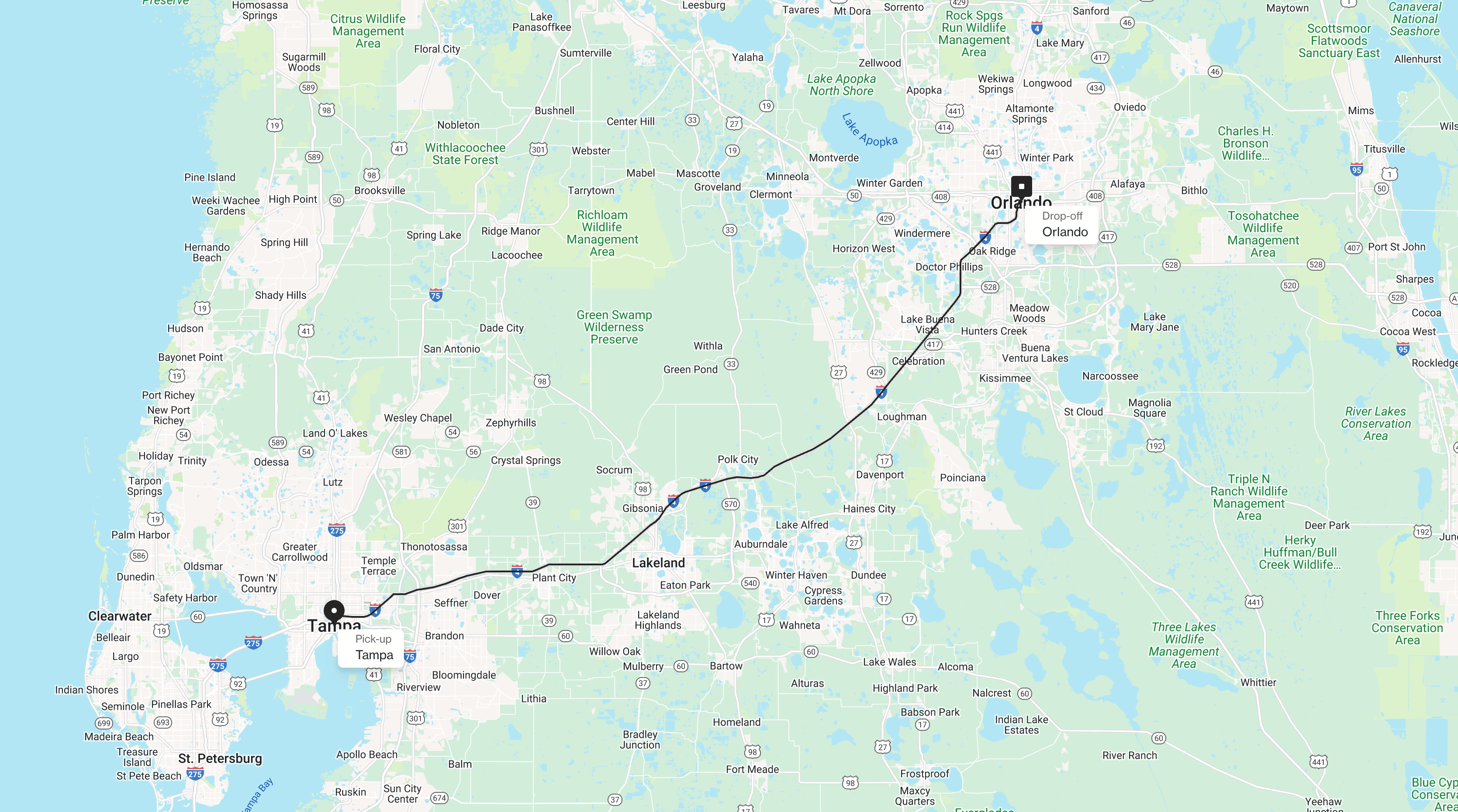
The question of distance between two vibrant Florida metropolises, Tampa and Orlando, is more than a simple mileage calculation; it’s the gateway to understanding the seamless connection between the cultural heart of the Gulf Coast and the entertainment capital of the Sunshine State. Whether you’re planning a day trip, a weekend getaway, or incorporating both into a larger Florida itinerary, knowing the precise travel time and optimal routes is paramount for an efficient and enjoyable experience. This exploration delves into the various ways to traverse the approximately 85 miles that separate these two dynamic cities, highlighting the nuances of each travel method to empower your journey.

Understanding the Road Distance and Driving Times
The most common method of travel between Tampa and Orlando is by car. The primary corridor connecting these two urban centers is Interstate 4 (I-4), a critical artery that runs directly between them. The estimated driving distance is around 85 miles, a figure that can fluctuate slightly depending on your exact starting and ending points within each city.
Navigating I-4: The Direct Route
Driving on I-4 offers the most straightforward path. In optimal conditions, the journey can take as little as 1 hour and 15 minutes to 1 hour and 30 minutes. However, “optimal conditions” are a significant caveat in Florida. The allure of Orlando as a premier tourist destination means that I-4, especially closer to Orlando, can experience substantial traffic.
Factors Affecting Drive Time:
- Time of Day: Rush hour in both Tampa and Orlando can significantly extend travel times. Commuting hours, typically between 7:00 AM to 9:00 AM and 4:00 PM to 6:00 PM on weekdays, are best avoided if possible.
- Day of the Week: Weekends, particularly during peak tourist seasons or holidays, can see increased traffic as visitors head to or depart from the theme parks and attractions.
- Construction and Accidents: I-4 is a heavily trafficked highway, and construction projects or unexpected accidents are not uncommon. These incidents can cause significant delays, sometimes adding an hour or more to the journey. Real-time traffic apps are indispensable for monitoring these situations.
- Weather: While Florida weather is generally pleasant, sudden thunderstorms can impact visibility and driving speeds, particularly during the summer months.
For those driving, it’s advisable to budget at least 1 hour and 45 minutes to 2 hours to account for potential variables, especially if you are on a tight schedule. Utilizing GPS navigation systems with live traffic updates is highly recommended to adapt to changing road conditions.
Alternative Routes: Exploring Scenic Options
While I-4 is the most direct, there are alternative routes that can offer a more scenic, though often longer, drive. These might be appealing for those who wish to avoid the intensity of the interstate or discover smaller towns along the way.
- US-92: This highway runs roughly parallel to I-4 for a significant portion of the journey. It passes through towns like Lakeland and Kissimmee, offering a glimpse into local Florida life. The drive time can be considerably longer, often exceeding 2 hours, due to lower speed limits and more frequent stops.
- State Road 50 (SR 50) / Colonial Drive: Heading north of I-4, SR 50 offers another route that can be a viable option. This path also traverses smaller communities and can be a good choice for those looking to make stops in towns like Clermont. Travel times will similarly be longer than the interstate.
These alternative routes, while adding to the travel duration, can provide a more relaxed and personalized exploration of the Florida landscape.
Public Transportation Options: A Relaxed Approach
For travelers who prefer not to drive or wish to avoid the stresses of traffic and parking, several public transportation options are available to bridge the gap between Tampa and Orlando.
Intercity Bus Services
Several reputable bus companies operate regular services between the two cities, offering a cost-effective and convenient way to travel. Companies like Greyhound and Megabus typically provide multiple daily departures from designated terminals in Tampa to their respective stops in Orlando.
- Travel Time: Bus journeys typically take between 1 hour and 30 minutes to 2 hours and 30 minutes, depending on the number of stops and traffic conditions.
- Cost: Fares can vary significantly based on booking in advance, the specific company, and the time of travel, but they are often more economical than driving and parking or taking a taxi.
- Amenities: Modern intercity buses often provide amenities such as Wi-Fi, power outlets, and comfortable seating, making the journey productive or relaxing.
The main advantage of bus travel is the ability to relax, read, or work while someone else handles the driving. However, it requires adherence to a schedule and may involve transfers depending on your specific origin and destination within the cities.
Rail Travel: A Comfortable Journey
While direct train service between Tampa and Orlando is not as prevalent as bus services, the Amtrak Silver Meteor and Silver Star routes do connect the two cities. These services offer a more comfortable and spacious travel experience compared to buses.
- Stations: In Tampa, trains depart from the historic Tampa Union Station. In Orlando, the primary station is the Orlando Station.
- Travel Time: The train journey typically takes around 1 hour and 45 minutes to 2 hours.
- Experience: Amtrak offers a relaxed way to travel, with the ability to walk around, enjoy scenic views, and often a dining car or café service.
- Considerations: The frequency of services might be lower than bus routes, and booking in advance is usually recommended for the best fares. The stations themselves can also be a short taxi or rideshare trip away from your final destination within the cities.
Rideshare and Taxi Services: Door-to-Door Convenience
For ultimate convenience and flexibility, rideshare services like Uber and Lyft, or traditional taxi companies, provide door-to-door transportation between Tampa and Orlando.
- Cost: This is generally the most expensive option, with prices varying based on demand, surge pricing, and the specific service used. Expect costs to range from $80 to $150 or more for a one-way trip.
- Travel Time: The travel time will be similar to driving yourself, averaging between 1 hour and 30 minutes to 2 hours, again subject to traffic.
- Convenience: The primary appeal is the direct, personalized service, picking you up from your exact location and dropping you off at your desired destination without the need for transfers or navigating public transport routes.
- Booking: Rideshare apps make booking simple and allow for fare estimation upfront. Taxis can be hailed or booked in advance.
This option is ideal for groups, those with a lot of luggage, or individuals prioritizing ease and directness over cost savings.
Planning Your Journey: Maximizing Your Experience
Understanding the distance and travel times between Tampa and Orlando is the first step in crafting a successful trip. Whether your focus is the family fun of Orlando’s theme parks like Walt Disney World and Universal Orlando Resort, or the cultural and culinary delights of Tampa including the Tampa Riverwalk and its vibrant culinary scene, the relatively short distance makes combining these destinations a highly feasible and rewarding endeavor.
Choosing the Right Mode of Transport
Your choice of transportation should align with your priorities:
- For Budget Travelers: Intercity bus services are likely the most economical.
- For Comfort and Scenery: Amtrak offers a more relaxed, comfortable journey.
- For Flexibility and Convenience: Driving your own vehicle or using rideshare services provides the most direct, door-to-door experience.
- For Avoiding Stress: Consider bus or train if you dislike driving in traffic.
Essential Travel Tips
Regardless of your chosen method, a few tips can enhance your travel experience:
- Book in Advance: For bus and train travel, booking tickets ahead of time often secures better prices and ensures availability.
- Utilize Traffic Apps: For driving, apps like Google Maps or Waze are invaluable for real-time traffic updates and route adjustments.
- Factor in Parking: If driving to Orlando, research parking options and costs at your destination, especially if visiting theme parks or popular attractions.
- Stay Hydrated and Pack Snacks: Especially for longer drives or bus journeys, having refreshments can make the trip more pleasant.
- Confirm Departure/Arrival Locations: Double-check the exact pick-up and drop-off points for bus and train services, as they can sometimes be slightly away from major city centers.
By carefully considering these factors, the journey from Tampa to Orlando transforms from a mere distance to be covered into an integrated part of your Florida adventure, promising seamless transitions between two distinct yet complementary destinations.
LifeOutOfTheBox is a participant in the Amazon Services LLC Associates Program, an affiliate advertising program designed to provide a means for sites to earn advertising fees by advertising and linking to Amazon.com. Amazon, the Amazon logo, AmazonSupply, and the AmazonSupply logo are trademarks of Amazon.com, Inc. or its affiliates. As an Amazon Associate we earn affiliate commissions from qualifying purchases.