
California, a beacon of innovation and progressive legislation, has long captivated visitors with its diverse landscapes, vibrant cities, and unique cultural tapestry. For many, a trip to the Golden State offers more than just scenic beauty; it presents an opportunity to engage with a lifestyle and regulatory environment that often differs significantly from other parts of the world. Among these distinctive aspects is the state’s approach to cannabis, a topic that frequently piques the curiosity of those exploring California’s local culture, activities, and tips for a memorable visit.
While the primary question of “how many weed plants can you grow” might seem geared towards long-term residents, understanding California’s cannabis cultivation laws is an essential piece of the puzzle for any discerning traveler. It offers insight into the local legal framework, informs responsible engagement with the state’s cannabis industry, and even sheds light on unique tourism opportunities that have emerged from its progressive policies. Navigating these regulations responsibly ensures a respectful and enjoyable experience, whether you’re a long-time resident or a first-time visitor.

Understanding California’s Cannabis Landscape for Tourists and Visitors
California’s journey to cannabis legalization is a testament to its forward-thinking ethos, rooted in a history that dates back decades. The landmark passage of Proposition 64 in 2016 marked a pivotal moment, legalizing adult-use cannabis for recreational purposes and establishing a regulated market for cultivation, distribution, and sale. This legislation dramatically reshaped the state’s social and economic landscape, creating an industry that now draws significant interest from around the globe.
For tourists, this evolving environment presents both opportunities and responsibilities. While the primary focus might be on legal consumption or purchasing from licensed dispensaries, understanding the nuances of cultivation laws offers a deeper appreciation for the local culture and the regulations that govern it. It’s about being informed and respectful of local norms, much like understanding alcohol laws or environmental regulations in any destination. This knowledge empowers visitors to make informed choices and interact with the local cannabis scene responsibly, ensuring a smooth and enjoyable stay.
The Basics: Personal Use vs. Cultivation
Before diving into plant counts, it’s crucial to distinguish between personal possession and consumption versus cultivation. For adults aged 21 and over, California law permits the possession of up to 28.5 grams (one ounce) of cannabis flower and up to eight grams of concentrated cannabis. Consumption is generally restricted to private residences or state-licensed consumption lounges, away from public view. These are the aspects most directly relevant to tourists seeking to experience California’s cannabis offerings.
Cultivation, on the other hand, refers to growing the plant itself. While possession and consumption are relatively straightforward for visitors, cultivation involves more specific rules and practical considerations that typically apply more to residents or those with extended stays. However, being aware of these rules is part of understanding the local legal context and how California manages this unique industry. It’s a key piece of local knowledge that enhances one’s understanding of the state’s unique legislative environment.
Navigating Personal Cultivation Laws in the Golden State
The core of the question lies in the precise number of plants an individual can legally cultivate. Under California state law, adults aged 21 and over are permitted to cultivate cannabis for personal use. This isn’t a free-for-all, however, and specific limits and conditions apply.
The Six-Plant Rule: Your Personal Garden
The statewide rule established by Proposition 64 allows an adult (21 years or older) to cultivate up to six cannabis plants for personal use. This limit applies per residence, regardless of how many adults live there. So, whether you’re a solo traveler considering a long-term stay or a permanent resident, the household limit remains six plants. It’s imperative that this cultivation is solely for personal use and not for commercial sale or distribution, which requires extensive licensing and adherence to commercial regulations.
While this rule primarily benefits residents, its existence shapes the overall cannabis culture and legal framework that tourists encounter. It demonstrates the state’s commitment to personal freedom while maintaining a regulated environment. For visitors, understanding this limit underscores the importance of sourcing cannabis exclusively from licensed dispensaries, as any informal or unregulated acquisition or cultivation falls outside these legal parameters.
Indoor vs. Outdoor Cultivation: Location Matters
The “six-plant rule” comes with additional stipulations regarding where and how these plants can be grown.
- Indoor Cultivation: If plants are grown indoors, they must be in a “private, enclosed, and secure” area. This means the plants should not be visible to the public and must be protected from unauthorized access. This method is often preferred for discretion and control over growing conditions.
- Outdoor Cultivation: Growing plants outdoors is also permitted under state law, but it introduces more variables, particularly regarding local ordinances. While the state allows outdoor cultivation, it mandates that plants not be “publicly visible.” This often requires them to be grown behind fences, walls, or other structures that prevent passersby from seeing them.
Local Ordinances and Their Impact: The Unseen Layers
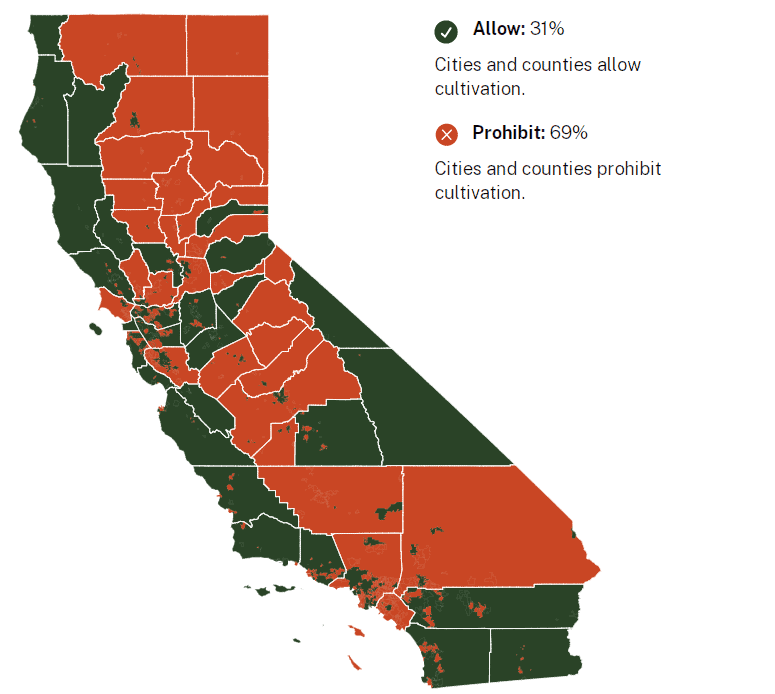
Perhaps one of the most crucial “tips” for understanding California’s cannabis laws, especially regarding cultivation, is the significant role of local ordinances. While the state sets a baseline of six plants, individual cities and counties have the authority to enact stricter regulations, or even outright bans, on outdoor cultivation. Some municipalities may:
- Prohibit outdoor grows entirely: Many urban areas, for example, might have zero-tolerance policies for outdoor cannabis cultivation due to density and public visibility concerns.
- Restrict plant height or size: To maintain aesthetic standards or prevent public nuisance.
- Require permits: Some localities might mandate a permit or registration for personal cultivation, even within the six-plant limit.
- Impose setbacks: Requiring plants to be a certain distance from property lines, schools, or parks.
For tourists, this means that even if you’re merely observing the local landscape, awareness of these varying rules is key. What’s legal in one city might be prohibited just a few miles away. This mosaic of regulations contributes to the diverse local cultures you’ll encounter throughout California. Always check local city and county regulations if you’re considering a longer stay or engaging with local cannabis discourse.
Responsible Engagement with California’s Cannabis Culture
For the vast majority of tourists, direct cultivation will not be part of their California experience. However, understanding the legal framework around cannabis allows for more informed and respectful interaction with the state’s unique cannabis culture.
Where Can You Consume? Public vs. Private
Responsible consumption is paramount for visitors. It is illegal to consume cannabis in public places, including streets, sidewalks, parks, and beaches. Consumption is also prohibited in places where tobacco smoking is banned, within 1,000 feet of a school, and on federal lands (such as National Parks). The general rule of thumb is: consume on private property with the owner’s permission or in a state-licensed cannabis consumption lounge. The emergence of these lounges in cities like West Hollywood and San Francisco offers a legal and social venue for tourists to enjoy cannabis products.
Purchasing Cannabis Legally: Your Trusted Source
The only legal way for tourists and residents alike to purchase cannabis products in California is through licensed dispensaries. These retail establishments are regulated by the state and offer a wide range of tested, safe products. Visitors must be 21 years or older and present a valid government-issued ID. Purchase limits are enforced (e.g., 28.5 grams of non-concentrated cannabis and 8 grams of concentrated cannabis per day). Engaging with these legitimate businesses supports the regulated market and ensures product quality and safety.
Transporting Cannabis: Staying Within State Lines
If you purchase cannabis, proper transportation is crucial. When driving, cannabis must be stored in a sealed container and kept out of reach, preferably in the trunk or glove compartment. It is strictly illegal to consume cannabis while driving or as a passenger in a vehicle. Furthermore, remember that federal law still prohibits cannabis, meaning it is illegal to transport cannabis across state lines, even if both states have legalized it. This is a critical tip for any traveler flying or driving out of California – leave all cannabis products behind.
Beyond Cultivation: Experiencing Cannabis Tourism
California’s progressive stance on cannabis has paved the way for a burgeoning cannabis tourism sector, offering visitors unique experiences that go beyond simple consumption.
Cannabis-Friendly Accommodations and Tours
The legal landscape has inspired a new wave of travel experiences. You can find “bud and breakfast” accommodations that openly welcome cannabis consumption (on-site, within legal limits) and even offer cannabis-related amenities. Specialized tour operators provide guided experiences, ranging from dispensary tours that explain the various product types and consumption methods to immersive farm tours in regions like the Emerald Triangle, where visitors can learn about the cultivation process from seed to sale (focused on licensed, legal operations). These tours provide educational insights into the industry’s agricultural side, presenting it as a legitimate and significant part of California’s economy and culture.
The Economic and Cultural Impact
The legalization of cannabis has profoundly impacted California’s economy, creating thousands of jobs and generating substantial tax revenue that supports public services. Culturally, it has brought cannabis further into the mainstream, destigmatizing its use and fostering a more open dialogue. Licensed dispensaries, often designed with sophisticated aesthetics, have become retail destinations in their own right, offering a shopping experience akin to high-end boutiques. For tourists, observing this mature market firsthand offers a glimpse into a unique facet of modern California life.
Key Takeaways for Your California Visit
While the “six-plant rule” for personal cultivation is a specific legal detail, its importance for tourists lies in what it signifies about California’s commitment to a regulated and open cannabis environment. For visitors, the key takeaways are clear:
- Understand the Law: Be aware of the distinction between state and local laws, especially concerning public consumption and purchase limits.
- Purchase Legally: Always buy cannabis products from licensed dispensaries to ensure safety and legality.
- Consume Responsibly: Restrict consumption to private property with permission or designated consumption lounges. Avoid public places and federal lands.
- No Cross-State Transport: Never attempt to transport cannabis across state lines.
- Embrace the Culture: Explore the burgeoning cannabis tourism sector, from farm tours to consumption lounges, as a unique cultural experience.
By respecting these guidelines and understanding the broader regulatory context, visitors can fully enjoy the diverse offerings of California, making their trip both insightful and memorable. The state’s approach to cannabis, including its cultivation laws, is an integral part of its identity, offering a distinct cultural element that contributes to the rich tapestry of the Golden State.
LifeOutOfTheBox is a participant in the Amazon Services LLC Associates Program, an affiliate advertising program designed to provide a means for sites to earn advertising fees by advertising and linking to Amazon.com. Amazon, the Amazon logo, AmazonSupply, and the AmazonSupply logo are trademarks of Amazon.com, Inc. or its affiliates. As an Amazon Associate we earn affiliate commissions from qualifying purchases.