
The allure of Fort Lauderdale, Florida is undeniable, drawing visitors from across the globe with its pristine beaches, vibrant arts scene, and bustling waterways. Understanding the “how far” is paramount for any traveler planning their journey to this South Florida gem. This guide delves into the various distances and travel considerations, whether you’re embarking on a cross-country road trip, a short hop from a neighboring state, or seeking to connect via air from international shores.
Navigating Distances: By Air, Road, and Rail
The journey to Fort Lauderdale is multifaceted, with the optimal route often dictated by your starting point and preferred mode of transport. Air travel remains the most efficient for those covering significant distances, while road trips offer flexibility and the opportunity to explore en route. Rail travel, though less common for long-haul journeys to South Florida, can be a charming alternative for specific corridors.
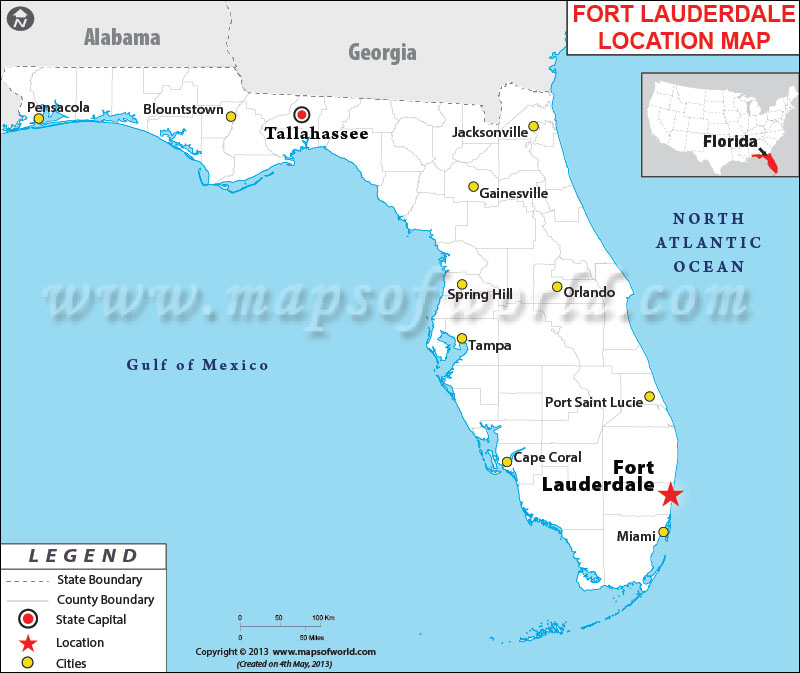
Air Travel: Connecting Continents to the Sunshine State
Fort Lauderdale-Hollywood International Airport (FLL) serves as the primary gateway to the city, welcoming millions of passengers annually. Its strategic location offers exceptional connectivity.
Major Hubs and Flight Durations:
- From the West Coast (e.g., Los Angeles, San Francisco): Direct flights typically range from 5 to 6 hours. Non-stop options are widely available, making a transcontinental journey surprisingly manageable.
- From the Midwest (e.g., Chicago, Detroit): Expect flight times of approximately 3 to 4 hours for direct services. Connecting flights may add an hour or two, depending on the layover.
- From the Northeast (e.g., New York, Boston): Direct flights are abundant, with durations averaging between 2.5 to 3.5 hours. This makes Fort Lauderdale an accessible weekend getaway for many on the East Coast.
- From International Destinations:
- Canada (e.g., Toronto, Montreal): Direct flights are typically 3 to 4 hours.
- United Kingdom (e.g., London): While direct flights are less common, connecting flights often route through major East Coast hubs, resulting in a total travel time of 9 to 12 hours, including layovers.
- Europe (e.g., Paris, Amsterdam): Similar to the UK, expect longer travel times with at least one connection, usually totaling 10 to 15 hours.
- Latin America (e.g., Bogotá, São Paulo): Fort Lauderdale is a popular destination, with direct flights from major South American cities often ranging from 4 to 7 hours.
The ease of access to FLL significantly reduces the perceived distance for many travelers, making it a highly sought-after destination.
Road Travel: The Open Road to the Gold Coast
For those who prefer the freedom of the open road, driving to Fort Lauderdale offers a unique perspective on the diverse landscapes of America.
Key Interstate Routes and Estimated Driving Times:
- From Florida’s Panhandle (e.g., Pensacola): This is a substantial drive, approximately 10-12 hours without significant stops, primarily utilizing I-10 East and then I-75 South towards South Florida.
- From Atlanta, Georgia: A popular route, this journey spans roughly 9-10 hours, predominantly via I-75 South. It offers a transition from the mountains to the coastal plains.
- From Charlotte, North Carolina: Expect a drive of about 10-11 hours, utilizing I-77 South and then I-26 East before merging onto I-95 South.
- From Orlando, Florida: A common road trip for Floridians and theme park visitors, this drive is relatively short, around 3.5 to 4 hours via the Florida Turnpike South.
- From Miami, Florida: This is a mere stone’s throw, typically 30-45 minutes depending on traffic, primarily via I-95 North or U.S. Route 1. The proximity makes it easy for day trips or combining visits to both cities.
- From New York City, New York: This coast-to-coast drive is a significant undertaking, usually requiring 20-24 hours of pure driving time. Most travelers break this journey over 2-3 days, allowing for overnight stays in cities along I-95 South.
When planning a road trip, it is crucial to factor in traffic, potential construction delays, and the need for rest stops. The distances can be deceiving, and a well-planned itinerary ensures a more enjoyable and safe travel experience.
Rail Travel: A Scenic Alternative
While not as prevalent as air or road travel for reaching Fort Lauderdale from distant locations, Amtrak offers a more relaxed and scenic way to travel for those within certain corridors.
Amtrak Routes and Considerations:
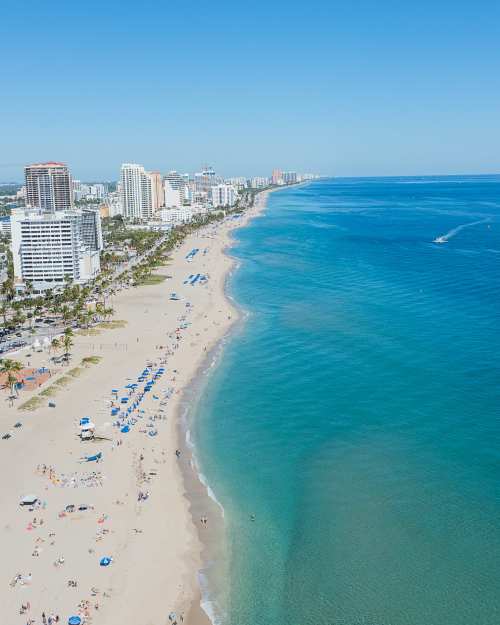
- The “Silver Star” and “Silver Meteor” Lines: These Amtrak routes connect cities along the East Coast, with services extending to South Florida. Passengers traveling from cities like Washington, D.C. or New York City can opt for these services.
- Travel Time: A journey from New York City to Fort Lauderdale by train can take approximately 28-35 hours, significantly longer than flying but offering the chance to relax, work, or enjoy the changing scenery.
- Stations: The primary Amtrak station serving Fort Lauderdale is conveniently located downtown, providing good access to local transportation.
Rail travel is ideal for those who are not time-constrained and appreciate a more leisurely pace, allowing for a unique perspective on the American landscape.
Local Transportation and Getting Around Fort Lauderdale
Once you’ve arrived in Fort Lauderdale, Florida, understanding how to navigate the city itself is key to maximizing your visit. The distances within the city and its immediate surroundings are generally manageable, but proximity to attractions can influence your choice of transport.
Utilizing Public Transportation and Ride-Sharing Services
Fort Lauderdale has invested in various public transportation options to make getting around easier and more sustainable.
- Broward County Transit (BCT): The local bus system provides extensive coverage across the county, connecting major attractions, residential areas, and commercial centers. Routes are designed to serve both locals and tourists, with many lines running along major thoroughfares like U.S. Route 1 and Federal Highway. Fares are affordable, and schedules are generally reliable.
- The Wave Streetcar: While still in its early phases and with limited routes, the Wave Streetcar aims to connect the downtown area with the beach and surrounding neighborhoods. It offers a pleasant and eco-friendly way to traverse short distances.
- Ride-Sharing Services: Uber and Lyft are widely available throughout Fort Lauderdale and its surrounding areas. These services provide door-to-door convenience and are a popular choice for those seeking direct transport, especially during evenings or for reaching locations not well-served by public transit.
- Taxis: Traditional taxi services are also readily available, particularly at FLL and major hotels, though they often represent a more expensive option compared to ride-sharing.
Car Rentals and Personal Vehicles
For many visitors, renting a car offers the ultimate flexibility to explore Fort Lauderdale and its surrounding regions at their own pace. Major car rental companies have offices at FLL and in various locations throughout the city.
Considerations for Driving:
- Traffic: Fort Lauderdale can experience significant traffic congestion, especially during peak hours and on major routes like I-95 and I-595. Planning your travel times to avoid these periods can save considerable time and frustration.
- Parking: Parking availability and cost can vary. Beachfront areas, popular attractions, and downtown districts may have paid parking lots or meters. Many hotels offer parking, sometimes for an additional fee.
- Navigation: GPS devices and navigation apps are essential for navigating the city’s grid system and avoiding detours.

Exploring the “Venice of America” by Water
Fort Lauderdale is renowned for its extensive network of canals and waterways, earning it the nickname “Venice of America.” Exploring these by water offers a unique and often faster way to travel between certain points, and it’s an experience in itself.
- Water Taxis: A dedicated water taxi service operates along the New River and the Intracoastal Waterway, connecting popular areas like the beach, Las Olas Boulevard, and the downtown core. This is a scenic and convenient mode of transport, offering stunning views of waterfront properties and yachts.
- Boat Rentals: For those who wish to captain their own vessel, various companies offer boat rentals, allowing for a personalized exploration of the waterways.
Understanding the distances and available transportation options is the first step in planning a successful and enjoyable trip to Fort Lauderdale, Florida. Whether you are coming from afar or just across the state, the journey is often as rewarding as the destination itself.
LifeOutOfTheBox is a participant in the Amazon Services LLC Associates Program, an affiliate advertising program designed to provide a means for sites to earn advertising fees by advertising and linking to Amazon.com. Amazon, the Amazon logo, AmazonSupply, and the AmazonSupply logo are trademarks of Amazon.com, Inc. or its affiliates. As an Amazon Associate we earn affiliate commissions from qualifying purchases.