
Florida, often dubbed the “Sunshine State,” is renowned for its generally warm climate, vibrant culture, and abundant natural beauty. However, “now” is a dynamic term when discussing the weather in such a geographically diverse and climatically varied state. Understanding the current weather patterns across Florida is crucial for anyone planning a visit, engaging in outdoor activities, or simply curious about the conditions in this popular travel destination. From the subtropical heat of South Florida to the more temperate conditions further north, Florida’s weather is a complex tapestry influenced by its coastal proximity, latitude, and the ever-present forces of tropical systems.

Understanding Florida’s Diverse Climate Zones
Florida’s elongated shape means it experiences distinct climatic variations from north to south. This geographical spread significantly impacts the “now” of its weather.
Northern Florida’s Weather Dynamics
The Panhandle and northernmost regions of Florida, including cities like Jacksonville and Tallahassee, experience a more pronounced seasonal shift. Winters here can bring cooler temperatures, with occasional frosts, though snow is exceedingly rare. Spring and autumn offer pleasant, mild weather, ideal for exploring attractions like the historic St. Augustine or enjoying outdoor festivals. Summers are hot and humid, punctuated by thunderstorms. The proximity to the Gulf of Mexico and the Atlantic Ocean moderates temperatures, but the region is also more susceptible to cold fronts from the north during winter months. The weather “now” in these areas might reflect a typical continental influence, albeit a humid one.
Central Florida’s Tropical Transition
Central Florida, home to world-famous theme parks like Walt Disney World Resort and Universal Orlando Resort, lies in a transitional zone. While winters are generally mild and pleasant, frost is less common than in the north. Summers are intensely hot and humid, with a daily ritual of afternoon thunderstorms. This region is a prime location for experiencing the full spectrum of Florida’s climate, from comfortably warm days to oppressive heat and sudden downpours. The weather “now” in Orlando or Tampa will almost always involve a high probability of humidity and the potential for rain.
South Florida’s Subtropical Embrace
South Florida, including the vibrant metropolises of Miami, Fort Lauderdale, and the Florida Keys, operates under a true subtropical climate. Winters are exceptionally mild, often feeling like perpetual spring or early summer, making it a sought-after winter escape. Summers are long, hot, and exceptionally humid, with temperatures rarely dipping below the high 70s Fahrenheit even at night. The primary weather concern here, beyond heat and humidity, is the elevated risk of tropical systems during hurricane season. The weather “now” in South Florida is typically characterized by high temperatures, significant humidity, and a constant threat of pop-up showers or thunderstorms, especially during the warmer months.
Current Weather Conditions and Forecasts
To truly answer “How is Florida weather now?”, one must consult real-time data and short-term forecasts. This involves understanding the prevailing atmospheric conditions.
Temperature and Humidity Realities
Across the state, current temperatures are a primary indicator. In the Panhandle, one might find daytime highs in the 70s or 80s Fahrenheit, while South Florida could be experiencing highs in the mid-to-upper 80s or even low 90s. Humidity levels are almost universally high, contributing to the “feels like” temperature often being several degrees warmer than the actual air temperature. These conditions are critical for planning outdoor activities, whether it’s a day at South Beach or a nature walk through the Everglades National Park.
Precipitation Patterns and Thunderstorm Activity
Florida is notorious for its rain, particularly during the summer months. “Now” could mean clear skies giving way to a sudden, intense afternoon thunderstorm, a common phenomenon due to the intense solar heating of the humid air. Coastal areas might also experience sea breezes that trigger cloud development and localized showers. Monitoring precipitation forecasts is essential for those planning excursions to destinations like Clearwater Beach or exploring the Florida Botanical Gardens.
Wind and Sky Conditions
Wind plays a significant role, especially along the coast where sea breezes are a daily occurrence. These breezes can offer a slight respite from the heat but can also enhance the movement of moisture, leading to cloudier skies. Current wind speed and direction are vital for boating, sailing, or even just enjoying a walk along the coastline. Sky conditions can range from clear and sunny to overcast and stormy, often changing rapidly within a single day.
Seasonal Weather Nuances
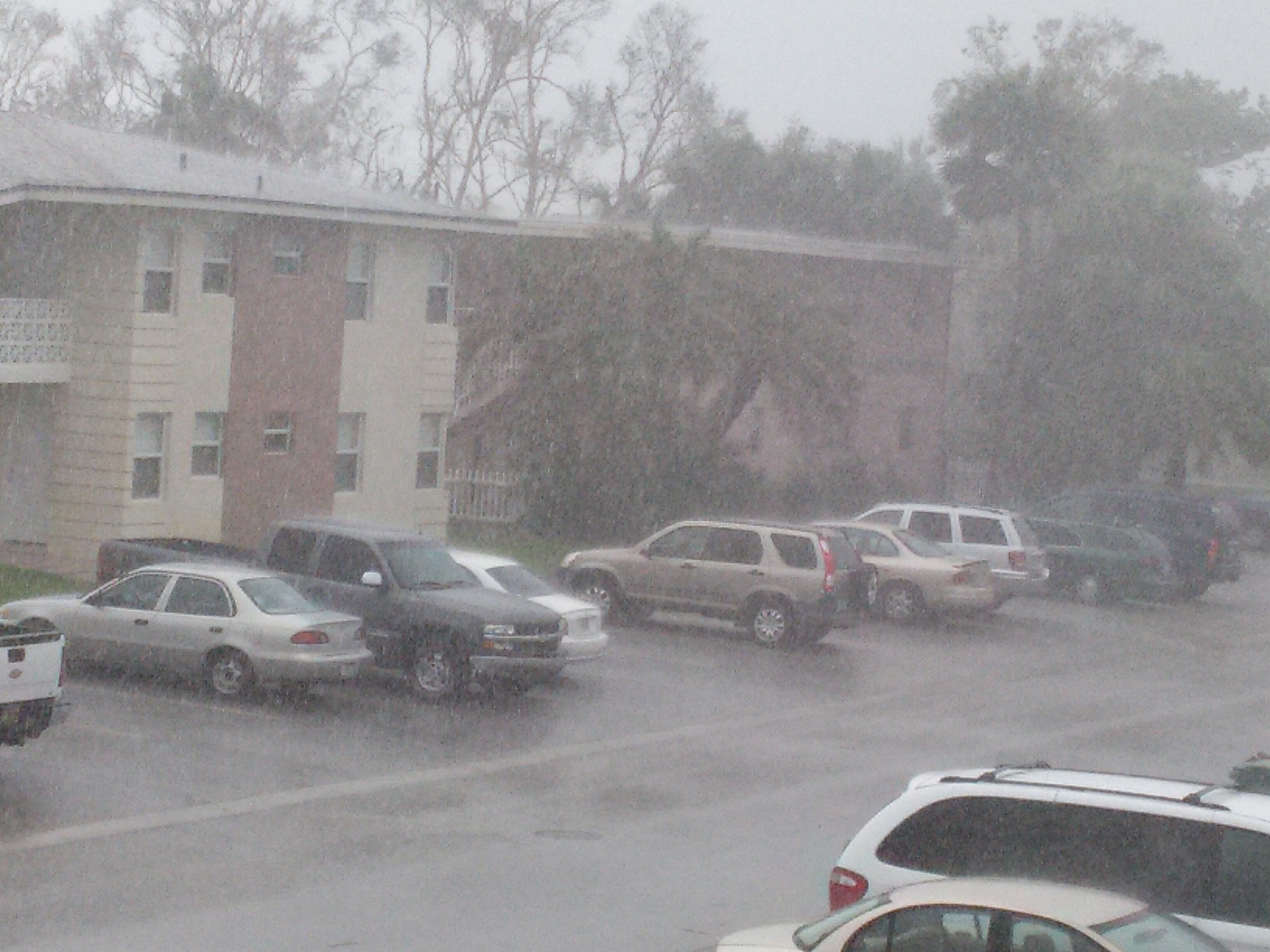
The “now” of Florida weather is intrinsically linked to the current season, each bringing its own set of typical conditions and potential hazards.
Spring: A Period of Transition and Pleasantness
Spring (March-May) generally offers some of the most delightful weather across Florida. Temperatures are warm but not yet oppressive, and humidity is typically lower than in summer. This is a prime time for visiting parks, beaches, and enjoying outdoor events before the peak heat and humidity of summer arrive. Rainfall is usually moderate, with less frequent and less intense thunderstorms. The weather “now” in spring is often characterized by comfortable warmth and abundant sunshine, ideal for exploring cities like Naples or the historic streets of Key West.
Summer: The Reign of Heat and Humidity
Summer (June-August) is synonymous with intense heat, high humidity, and frequent, often dramatic, thunderstorms. Daily high temperatures frequently reach the upper 80s and low 90s Fahrenheit, with “feels like” temperatures often exceeding 100 degrees Fahrenheit. The daily afternoon thunderstorm is a signature of the Florida summer, bringing brief but heavy downpours and lightning. This is also the beginning of hurricane season, though major storm development is less common in the early summer months. The weather “now” in summer demands constant attention to hydration and seeking shade during peak heat hours, as well as monitoring weather radar for approaching storms.
Autumn: A Gradual Cooling and Hurricane Season Peak
Autumn (September-November) marks a gradual transition back to cooler, less humid conditions. September and early October are typically the peak of hurricane season, meaning the “now” of the weather can be heavily influenced by tropical storm or hurricane activity. However, as the season progresses, the frequency and intensity of these systems tend to decrease. Temperatures begin to moderate, and humidity levels drop, making the latter part of autumn a very pleasant time to visit, particularly for those who find summer heat too intense. The weather “now” in late fall can be exceptionally pleasant, with crisp air and sunny skies, perfect for enjoying attractions like Bok Tower Gardens.
Winter: Mild Winters and Occasional Cold Snaps
Winter (December-February) is characterized by mild to cool temperatures. Northern Florida may experience occasional cold snaps with temperatures dipping into the 30s and 40s Fahrenheit, sometimes with frost. Central and South Florida remain quite pleasant, with daytime highs often in the 60s, 70s, and even low 80s Fahrenheit. This is a popular time for snowbirds and tourists seeking to escape colder climates. While rare, cold fronts can bring a noticeable chill, making the weather “now” in winter highly variable depending on the strength of these fronts. The keys offer near-perfect weather during these months.
Factors Influencing Florida’s Weather “Now”
Several dynamic forces are constantly at play, shaping the immediate weather conditions across the Sunshine State.
The Gulf Stream and Atlantic Currents
The warm waters of the Gulf Stream, which flows along Florida’s eastern coast, and other oceanic currents significantly influence the state’s temperature and humidity. These warm waters contribute to the high humidity levels and provide the fuel for tropical systems. The proximity to these bodies of water means that “now” on the coast will often be different from inland, with sea breezes playing a key role.
Tropical Systems and Hurricane Season
Florida’s location makes it highly susceptible to tropical cyclones, especially during hurricane season, which officially runs from June 1st to November 30th. The “now” of Florida weather can be dramatically altered by the presence of a tropical depression, tropical storm, or hurricane. While significant threats are more common in the latter half of the season, preparedness is a year-round concern for residents and a critical consideration for travelers during these months. Monitoring advisories from the National Hurricane Center is paramount when tropical activity is present.
Inland vs. Coastal Differences
The immediate impact of the ocean is a significant differentiator. Coastal areas benefit from moderating sea breezes, which can bring relief from heat and influence local rainfall patterns. Inland areas, particularly during summer, can experience more extreme heat due to less oceanic influence. The type of weather “now” can thus vary considerably between a city like Miami Beach and a more inland community.

Preparing for Florida’s Weather
Whether you are visiting for a short trip or a longer stay, understanding and preparing for Florida’s weather “now” is essential for a comfortable and safe experience. Always check the latest local weather forecasts for the specific region you plan to visit, as conditions can change rapidly. Pack accordingly, with light, breathable clothing for warm weather, rain gear for unpredictable showers, and perhaps a light jacket for cooler evenings, especially in the northern parts of the state or during winter months. Staying hydrated and seeking shade during hot periods is also critical for enjoying all that Florida has to offer.
LifeOutOfTheBox is a participant in the Amazon Services LLC Associates Program, an affiliate advertising program designed to provide a means for sites to earn advertising fees by advertising and linking to Amazon.com. Amazon, the Amazon logo, AmazonSupply, and the AmazonSupply logo are trademarks of Amazon.com, Inc. or its affiliates. As an Amazon Associate we earn affiliate commissions from qualifying purchases.