
Navigating the logistical intricacies of sending packages across the vast expanse of the United States can often feel like a journey in itself. When shipping from the mountainous landscapes of Idaho to the sun-drenched beaches of Florida, understanding the estimated delivery timelines for services like USPS Ground is paramount. This guide delves into the factors influencing transit times, provides realistic expectations, and offers tips to ensure your package arrives as efficiently as possible.
Understanding USPS Ground Shipping Timelines
USPS Ground, formerly known as Parcel Select Ground, is a cost-effective shipping option for non-urgent, heavier, or larger packages. Unlike expedited services, it prioritizes affordability over speed, utilizing a combination of transportation methods, including ground and, at times, air transport, to reach its destination. The inherent nature of ground transportation over long distances means that transit times are generally longer and subject to more variables than air cargo.
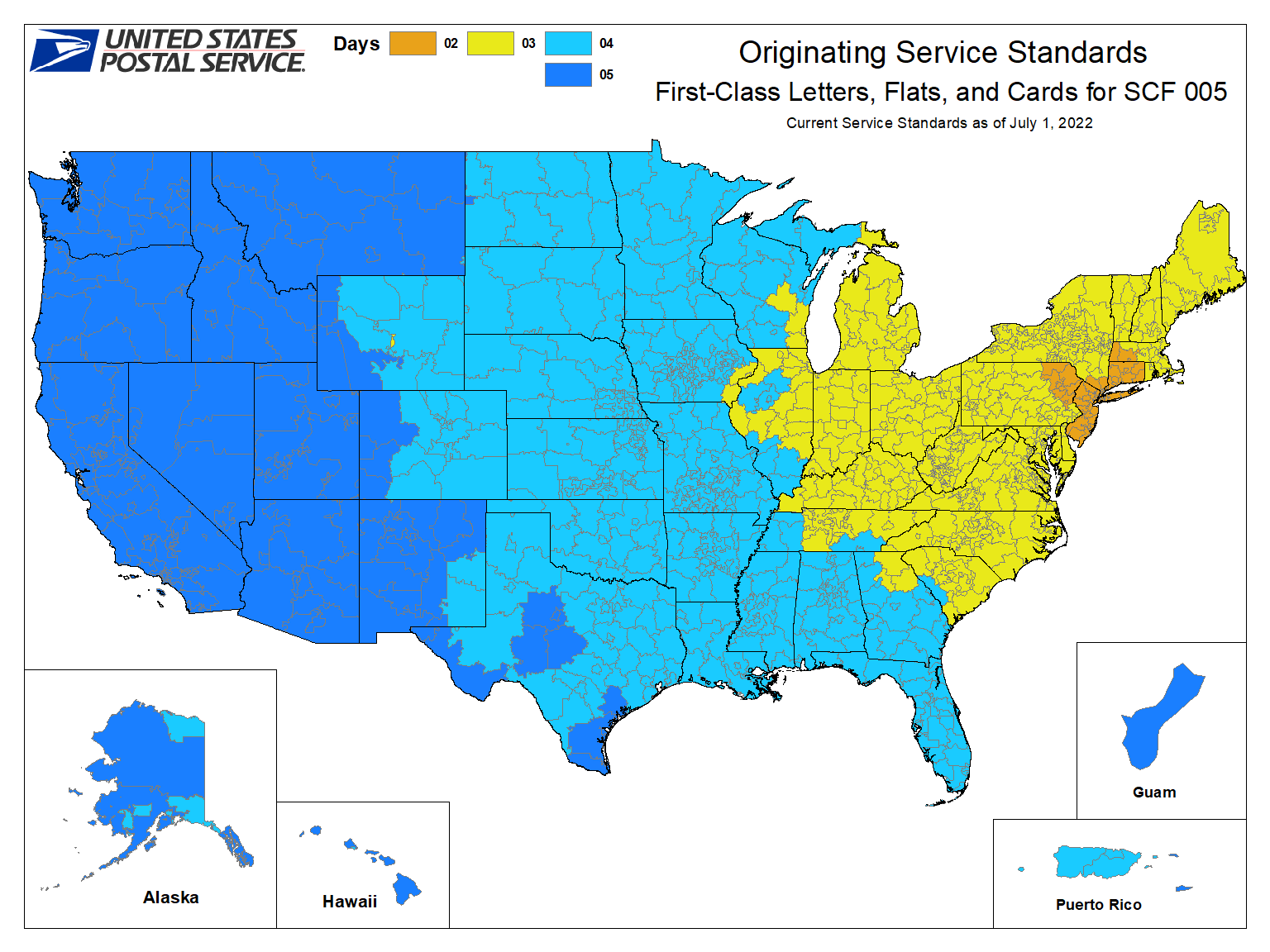
Factors Influencing Delivery Speed
Several key elements contribute to the overall transit time of a USPS Ground package traveling from Idaho to Florida:
- Distance: The sheer mileage between the origin in Idaho and the destination in Florida is the primary determinant of transit time. These states are geographically diverse, spanning a significant portion of the continental United States.
- Processing and Sorting Hubs: Packages do not travel directly from point A to point B. They are collected at local post offices, transported to regional sorting facilities, and then moved to other hubs closer to the destination. Each transfer and sortation process adds to the overall transit time.
- Transportation Methods: While called “Ground,” USPS Ground can involve various modes of transport. The specific routes and carriers used by USPS to move mail between major transportation hubs can impact delivery speed. Factors such as available truck space, air cargo schedules, and even barge or rail usage for certain segments can play a role.
- Weather Conditions: Inclement weather, such as snowstorms in the mountainous regions of Idaho or hurricanes along the Florida coast, can cause significant delays across all transportation networks.
- Volume of Mail: During peak seasons, such as the holidays (Thanksgiving through Christmas and New Year’s), or following major events, the sheer volume of mail being processed can strain the USPS system, leading to extended delivery times.
- Day of the Week and Holidays: Shipping a package on a Friday will likely result in a longer transit time than shipping on a Monday, as weekend days are not typically considered business days for transit. Furthermore, federal holidays will also halt or slow down delivery operations.
- Package Dimensions and Weight: While less of a direct impact on transit time for Ground services compared to expedited options, extremely large or heavy items might be subject to different handling procedures that could indirectly influence their movement through the system.
- Specific Destination Within Florida: Florida is a large state with numerous cities and rural areas. Delivery to a major metropolitan hub like Miami or Orlando will generally be faster than delivery to a remote, less populated area.
Realistic Delivery Expectations
For a USPS Ground shipment originating in Idaho and destined for Florida, a realistic delivery window typically falls between 5 to 10 business days. This is an average, and it’s crucial to understand that this timeframe is an estimate.
- Minimum Transit: In ideal conditions, with efficient sorting and direct transportation routes, a package might arrive within 5 business days. This is less common for such a transcontinental journey.
- Average Transit: Most packages will likely fall within the 6 to 8 business day range.
- Maximum Transit: Under less favorable circumstances, such as during peak shipping periods, adverse weather, or if the destination is in a more remote part of Florida, delivery could extend to 10 business days or, in rare cases, slightly longer.
It is important to note that these are business days, excluding Saturdays, Sundays, and federal holidays.

Optimizing Your Shipping Experience
While you cannot control the weather or USPS’s internal logistics, several steps can be taken to ensure your package is processed efficiently and to manage expectations effectively.
Preparing Your Package
- Accurate Addressing: The most critical step is ensuring the mailing address is complete, accurate, and legible. This includes the correct street number, street name, city, state, and zip code for both the sender and recipient. A transposed digit in a zip code can add days, if not weeks, to delivery time, or even lead to a lost package.
- Secure Packaging: Use a sturdy box that is appropriately sized for the contents. Overstuffed boxes can break open, and boxes that are too large with insufficient padding increase the risk of damage during transit. Ensure all contents are well-protected with cushioning materials like bubble wrap, packing peanuts, or crumpled paper.
- Proper Sealing: Use strong packing tape to seal all seams and flaps. Do not use excessive tape, but ensure all openings are securely closed to prevent items from falling out.
- Remove Old Labels: If you are reusing a box, ensure all old shipping labels or barcodes are completely removed or blacked out. Conflicting information can confuse automated sorting machines.
Leveraging USPS Services and Tracking
- Utilize Tracking Information: When you ship with USPS Ground, you will receive a tracking number. This is your most valuable tool for monitoring the package’s journey. Regularly check the USPS website or app for updates. While tracking provides an estimate, it’s the most reliable way to gauge progress.
- Understand Tracking Updates: Tracking updates indicate when a package has been received, is in transit between facilities, or has arrived at its destination facility. Delays often become apparent through slower-than-usual progress between scans or extended periods without updates.
- Consider USPS informed Delivery: For the recipient, USPS Informed Delivery can provide daily email notifications with grayscale images of mail and package tracking information, giving them advance notice of incoming deliveries. This is particularly useful for ensuring someone is available to receive packages, especially in areas where porch theft is a concern.
- Compare Services (If Time is a Factor): If you are shipping something with a degree of urgency, even a few days of difference can matter. While USPS Ground is economical, services like USPS Priority Mail offer faster delivery (typically 1-3 business days) for a higher cost. Weigh the importance of speed against the cost when making your shipping decision.
Potential Delays and What to Do
While the 5-10 business day window is a good guideline, occasional delays can and do happen.
- Monitoring Tracking: The first step in addressing a delay is consistent monitoring of the tracking information. If a package has not moved for 2-3 consecutive business days, it may indicate an issue.
- Contacting USPS: If a package appears to be significantly delayed or lost, the next step is to contact USPS customer service. Have your tracking number readily available. They can often provide more insight into the package’s status or initiate a search.
- Filing a Missing Mail Search: If the tracking information has not been updated for an extended period (typically 7 days or more for domestic mail), USPS allows you to file a Missing Mail Search request. This can help locate a misrouted or stalled package.
- Understanding Insurance: For high-value items, consider purchasing USPS insurance at the time of mailing. This provides financial protection in the event that the package is lost or damaged.
Conclusion
Shipping from Idaho to Florida via USPS Ground is a reliable method for sending items across the country when time is not the most critical factor. By understanding the variables that influence transit times – from geographical distance and weather to processing logistics – and by taking proactive steps in package preparation and tracking, you can navigate the shipping process with greater confidence. While an estimated 5-10 business days is the general timeframe, patience and vigilant monitoring of your tracking information are key to a successful delivery. For those planning their shipments, whether sending a gift to the Sunshine State or receiving a package from the Gem State, setting realistic expectations is the first step toward a smooth logistical experience.
LifeOutOfTheBox is a participant in the Amazon Services LLC Associates Program, an affiliate advertising program designed to provide a means for sites to earn advertising fees by advertising and linking to Amazon.com. Amazon, the Amazon logo, AmazonSupply, and the AmazonSupply logo are trademarks of Amazon.com, Inc. or its affiliates. As an Amazon Associate we earn affiliate commissions from qualifying purchases.