
Understanding the Human Cost of California Wildfires for Travelers
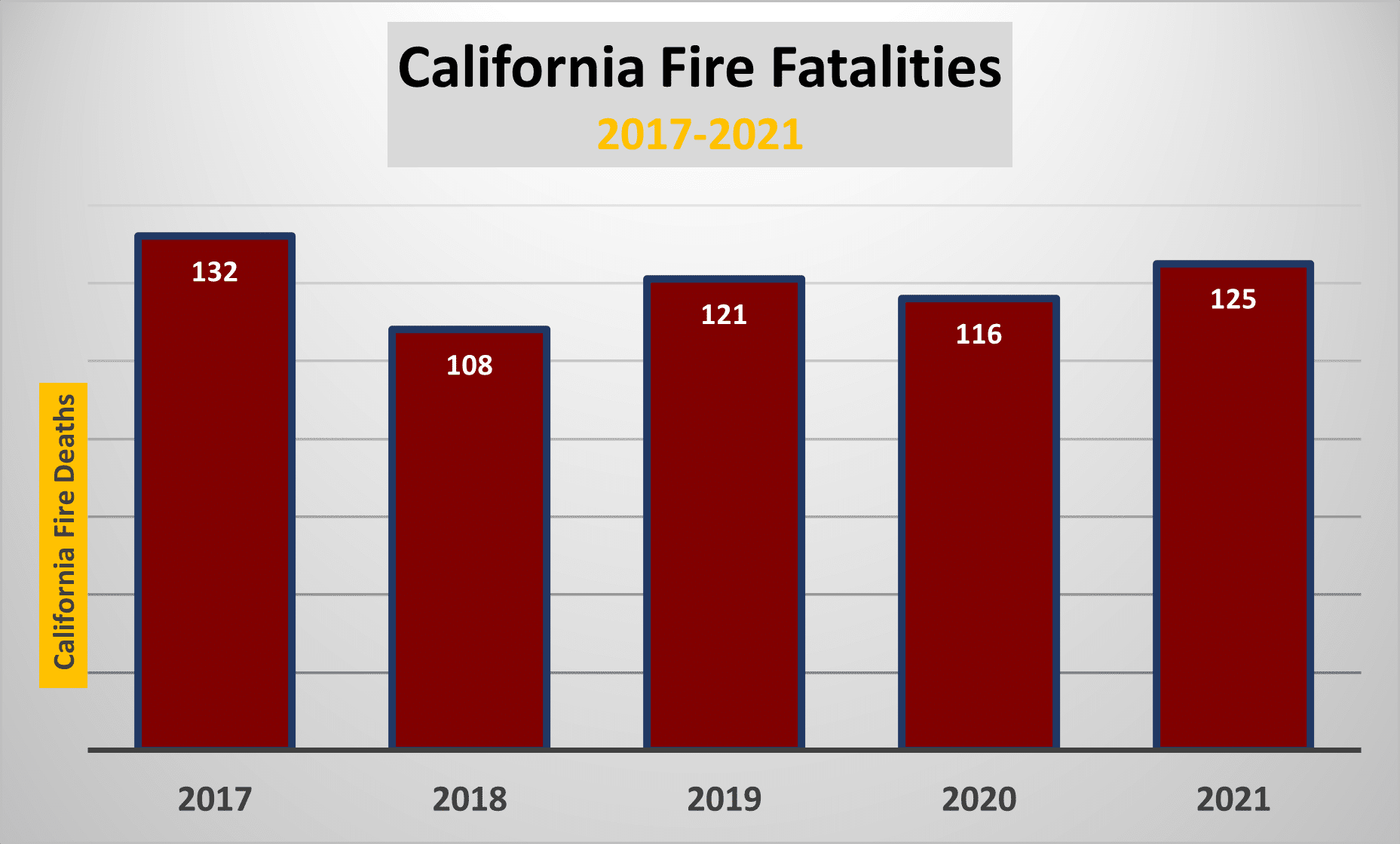
The question of “How many deaths in California fires?” carries a profound weight, particularly for those planning to explore the Golden State. While specific numbers fluctuate annually and with each distinct event, the fact remains that California wildfires have, tragically, resulted in significant loss of life, both among residents and, occasionally, those caught unexpectedly in affected areas. This somber reality underscores a critical aspect of travel to fire-prone regions: awareness, preparedness, and an understanding of the inherent risks. For any traveler, recognizing the potential for human tragedy associated with these natural disasters is the first step in ensuring a safer, more informed journey through California’s diverse landscapes.
A Stark Reality for California Travel
The human toll of California’s wildfires is not merely a statistic; it represents communities shattered, families irrevocably altered, and emergency responders risking their lives. While direct traveler fatalities are less common than those among residents, the indirect impact on travel experiences can be immense. Road closures, evacuations, poor air quality, and the destruction of infrastructure can disrupt plans, cancel bookings, and fundamentally alter the character of a chosen destination. Understanding that fires can claim lives serves as a potent reminder of their destructive power and the need for travelers to prioritize safety and stay informed about current conditions. It’s a sobering truth that shapes how destinations are perceived and how travel plans must be approached with flexibility and caution. The threat is real, and its consequences are far-reaching, extending beyond immediate danger to encompass psychological impacts on communities and the long-term alteration of popular tourist regions.
Historical Context of Devastation
California has a long history of wildfires, a natural phenomenon exacerbated in recent decades by climate change, prolonged droughts, and increased development in wildland-urban interface areas. Looking back at major incidents reveals a devastating pattern. Events like the Camp Fire in 2018, which decimated the town of Paradise and resulted in over 80 fatalities, or the series of fires that swept through Napa Valley and Sonoma County in 2017, claiming dozens of lives and destroying thousands of structures, serve as stark historical markers. These aren’t isolated incidents but part of a recurring cycle that has fundamentally reshaped parts of Northern California and Southern California. For travelers, this historical context is vital. It’s not just about a single fire event; it’s about acknowledging that visiting California, especially during the dry season, means stepping into a landscape where the risk of wildfire is an ever-present concern. This understanding should inform decisions about timing a trip, selecting destinations, and preparing for contingencies, recognizing that certain areas have a higher historical propensity for these destructive events.
Impact on California Destinations and Traveler Safety
The direct and indirect impacts of California fires on travel destinations are multifaceted, ranging from immediate safety hazards to long-term ecological and economic shifts. For travelers, navigating this landscape requires proactive research and a commitment to safety protocols. A destination renowned for its natural beauty, such as Yosemite National Park or the redwood forests, can quickly become hazardous or inaccessible due to fire activity, smoke, or preventative closures. The very appeal of California’s outdoor experiences—hiking, camping, scenic drives—is intricately linked to the health of its natural environment, which is highly vulnerable to wildfires.
Navigating Fire-Prone Regions
Traveling through fire-prone regions of California demands careful planning. Many of the state’s most iconic drives, like the Pacific Coast Highway, traverse areas susceptible to rapid fire spread. Similarly, popular national parks and forests, from Sequoia National Park to areas around Lake Tahoe, are particularly vulnerable. During peak fire season, which typically runs from late spring through late fall, travelers must monitor local news and official fire alerts diligently. Understanding the geography of fire risk – where dry vegetation, strong winds, and human activity converge – is crucial. This might mean adjusting itineraries to avoid certain areas during high-risk periods, or having alternative routes planned in case of unexpected closures. Moreover, it’s not just the immediate fire zone that’s affected; smoke plumes can travel hundreds of miles, impacting air quality in major cities like Los Angeles and San Francisco, even if they are far from the flames. This aspect alone can significantly detract from the travel experience, particularly for those with respiratory sensitivities.
Essential Safety Measures for Travelers

Ensuring personal safety during a trip to California, especially during fire season, hinges on proactive measures and quick responsiveness. The most fundamental step is to always check current fire maps and local emergency management websites before and during your trip. Rely on official sources like Cal Fire, national park services, and county emergency services. If an evacuation order is issued for an area you are in or planning to visit, adhere to it immediately. Never ignore such warnings.
Travelers should also consider practical preparations:
- Stay Informed: Download emergency alert apps and subscribe to local warning systems for the regions you plan to visit.
- Communication Plan: Have a communication plan with travel companions and family members who aren’t with you. Ensure your phone is fully charged and consider carrying a portable power bank.
- Emergency Kit: Pack an emergency kit in your vehicle with essentials like water, non-perishable food, a first-aid kit, a flashlight, and N95 masks to protect against smoke inhalation.
- Vehicle Preparedness: Ensure your vehicle is well-maintained and has a full tank of gas, as gas stations may be closed or inaccessible during emergencies.
- Evacuation Routes: Familiarize yourself with multiple exit routes from your accommodation and destination.
- Respect Restrictions: Adhere to any fire bans, park closures, or specific activity restrictions (e.g., campfires) in place. These are implemented for everyone’s safety.
- Travel Insurance: Consider comprehensive travel insurance that covers fire-related disruptions, including trip cancellations, delays, and medical emergencies.
By taking these steps, travelers can significantly mitigate risks and contribute to their own safety and the safety of the communities they visit.
The Broader Repercussions for Travel and Tourism
The impact of California wildfires extends far beyond immediate destruction and loss of life. For the travel and tourism industry, these recurring events create a complex web of challenges, from economic downturns to lasting environmental changes that reshape the appeal and accessibility of destinations. Acknowledging these broader repercussions is essential for a comprehensive understanding of what it means to travel responsibly and sustainably in California. The long-term recovery of affected areas can take years, sometimes decades, influencing everything from local infrastructure to the availability of accommodations and services.
Economic and Environmental Shifts
Economically, wildfires deal a severe blow to California’s tourism sector. Businesses reliant on visitors—hotels, restaurants, tour operators, wineries—can suffer significant losses due to cancellations, closures, and the diminished appeal of smoke-filled or scarred landscapes. The rebuilding process for homes and infrastructure diverts resources, and the recovery of the tourism economy often lags behind physical reconstruction. In regions like Napa Valley or the Sierra Nevada foothills, the destruction of vineyards, lodges, or recreational facilities can have lasting effects on local livelihoods and the ability to attract tourists.
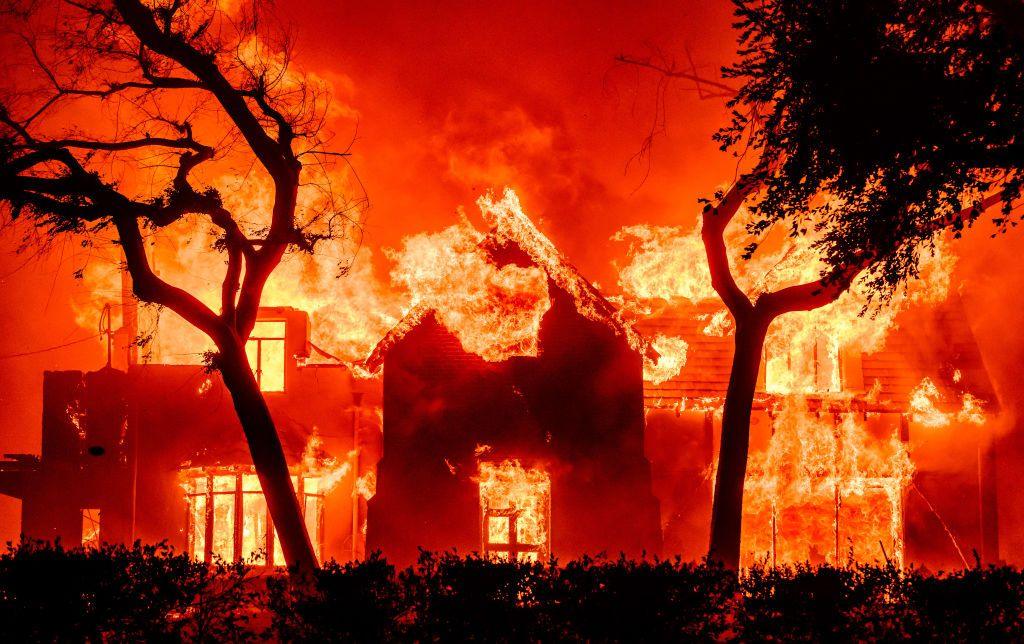
Environmentally, the shifts are profound. Wildfires destroy vast tracts of forests and wildlands, leading to habitat loss for wildlife, increased soil erosion, and subsequent mudslides during rainy seasons, further impacting roads and infrastructure. The iconic giant sequoias, for example, have been tragically affected by recent fires, altering the experience for future visitors to parks like Sequoia National Park. Air quality, already a concern in some California metropolitan areas, can be severely degraded for weeks or months during and after large fires, impacting health and reducing visibility, thereby diminishing scenic travel experiences along routes like the Pacific Coast Highway or through national parks. These environmental changes are not just temporary inconveniences; they represent fundamental alterations to the natural attractions that draw millions to California each year.
Planning Future Trips with Awareness
Given the recurring nature and increasing intensity of California wildfires, planning future trips requires a heightened level of awareness and flexibility. Travelers should:
- Consider Off-Peak Travel: While fire season technically spans several months, the intensity can vary. Traveling during the cooler, wetter months (e.g., winter or early spring) can significantly reduce wildfire risk, allowing for a more predictable and enjoyable experience.
- Support Local Communities: When fires do occur, make a conscious effort to support communities in their recovery once it is safe and appropriate to visit. This might involve choosing local accommodations, dining at local restaurants, or participating in guided tours that contribute directly to the local economy.
- Educate Yourself: Beyond immediate safety, take time to understand the ecological role of fire, fire prevention efforts, and how sustainable tourism practices can help protect California’s natural resources. Many parks and forests offer educational programs on wildfire ecology.
- Flexible Bookings: Opt for accommodations and travel services that offer flexible cancellation policies. This provides peace of mind should plans need to change due to unforeseen fire activity.
- Consult Experts: Engage with local tourism boards, park rangers, and experienced guides who can offer the most up-to-date information and advice on conditions in specific areas. Cities like Sacramento, as a gateway to many natural areas, often have resources available.
By integrating these considerations into travel planning, visitors can not only ensure their own safety but also foster a more resilient and sustainable tourism future for California, acknowledging the tragic lessons learned from the human cost of these devastating fires. It’s about more than just avoiding danger; it’s about informed, responsible engagement with a destination facing ongoing environmental challenges.
LifeOutOfTheBox is a participant in the Amazon Services LLC Associates Program, an affiliate advertising program designed to provide a means for sites to earn advertising fees by advertising and linking to Amazon.com. Amazon, the Amazon logo, AmazonSupply, and the AmazonSupply logo are trademarks of Amazon.com, Inc. or its affiliates. As an Amazon Associate we earn affiliate commissions from qualifying purchases.