
The Sunshine State’s vibrant economy and constant development necessitate a skilled workforce, and the electrical trade is no exception. Many aspiring professionals ponder the timeline involved in transforming from novices to fully-fledged electricians in Florida. While the answer isn’t a simple one-size-fits-all figure, understanding the journey, from initial training to obtaining a license, provides a clear picture of the commitment required. This guide delves into the typical duration for becoming an electrician in Florida, outlining the essential steps and factors that influence the overall timeline.
The Foundation: Education and Training Pathways
The initial phase of becoming an electrician in Florida involves acquiring the fundamental knowledge and practical skills required for the trade. Aspiring electricians have several well-defined pathways to choose from, each with its own time commitment.

Vocational Schools and Trade Programs
One of the most direct routes is enrolling in a vocational school or a dedicated trade program. These institutions are specifically designed to equip students with the theoretical understanding and hands-on experience necessary for an electrical career.
- Program Length: Electrical programs in vocational schools can vary in duration. Many certificate programs are designed to be completed in approximately 6 to 12 months. These programs typically cover core subjects such as electrical theory, blueprint reading, safety procedures, wiring techniques, and basic troubleshooting.
- Curriculum Focus: The curriculum is often intensive, focusing on practical application to prepare students for entry-level positions. Graduates from these programs are generally well-prepared to enter an apprenticeship program or take on apprentice roles.
- Cost and Accessibility: Vocational schools offer a more affordable and time-efficient alternative to a traditional four-year college degree. They are widely available across Florida, making them accessible to many.
Community College Associate Degrees
For those seeking a more comprehensive educational background or aspiring to move into supervisory or design roles later in their careers, an Associate of Science (AS) degree in Electrical Technology from a community college can be a viable option.
- Program Length: These associate degree programs typically require the completion of 60 to 70 credit hours, which usually translates to two years of full-time study.
- Curriculum Breadth: Beyond the core electrical subjects covered in vocational programs, associate degrees often include general education courses in mathematics, science, and communication. This broader academic foundation can be beneficial for understanding complex electrical systems and for career advancement.
- Pathway to Licensing: While an associate degree isn’t a direct substitute for apprenticeship hours required for licensing, it provides a strong theoretical and practical foundation that can complement apprenticeship training.
The Apprenticeship: Gaining Practical Experience
In Florida, as in most jurisdictions, hands-on experience is paramount for becoming a licensed electrician. This experience is primarily gained through an apprenticeship program, which combines on-the-job training with continued classroom instruction.
Apprenticeship Structure and Duration
Electrical apprenticeships are typically sponsored by electrical contractors, unions (like the International Brotherhood of Electrical Workers or IBEW), or trade organizations. These programs are structured to provide a progressive learning experience under the supervision of experienced electricians.
- Standard Apprenticeship Length: The standard duration for an electrical apprenticeship in Florida is generally four years, which equates to approximately 8,000 hours of on-the-job training.
- Combined Learning: Apprentices are typically required to work full-time (around 40 hours per week) and also attend classroom sessions for their technical instruction, usually for several hours per week. This classroom component reinforces the practical skills learned in the field and covers more advanced electrical theory, code requirements, and safety standards.
- Types of Apprenticeships:
- Union Apprenticeships: These are often highly competitive and provide structured training, good wages, and benefits. They are known for their rigorous curriculum and comprehensive skill development.
- Non-Union/Open Shop Apprenticeships: These programs are offered by individual contractors or through trade associations. They can offer more flexibility but may vary in structure and benefits.
Key Components of Apprenticeship Training
- Supervised Work: Apprentices work alongside journey-level electricians, learning to install, maintain, and repair electrical systems in various settings, including residential, commercial, and industrial environments.
- Progressive Skill Development: The training is designed to gradually increase in complexity. Apprentices start with basic tasks and progress to more intricate wiring, troubleshooting, and system installations.
- Classroom Instruction: As mentioned, regular classroom instruction is a vital part of the apprenticeship. This ensures apprentices gain a deep understanding of the National Electrical Code (NEC), electrical theory, safety protocols, and new technologies.
Licensing Requirements in Florida
After completing the educational and apprenticeship requirements, the final step to becoming a fully licensed electrician in Florida involves passing state-specific licensing exams. The state of Florida has a structured licensing process to ensure competency and public safety.
Types of Electrical Licenses
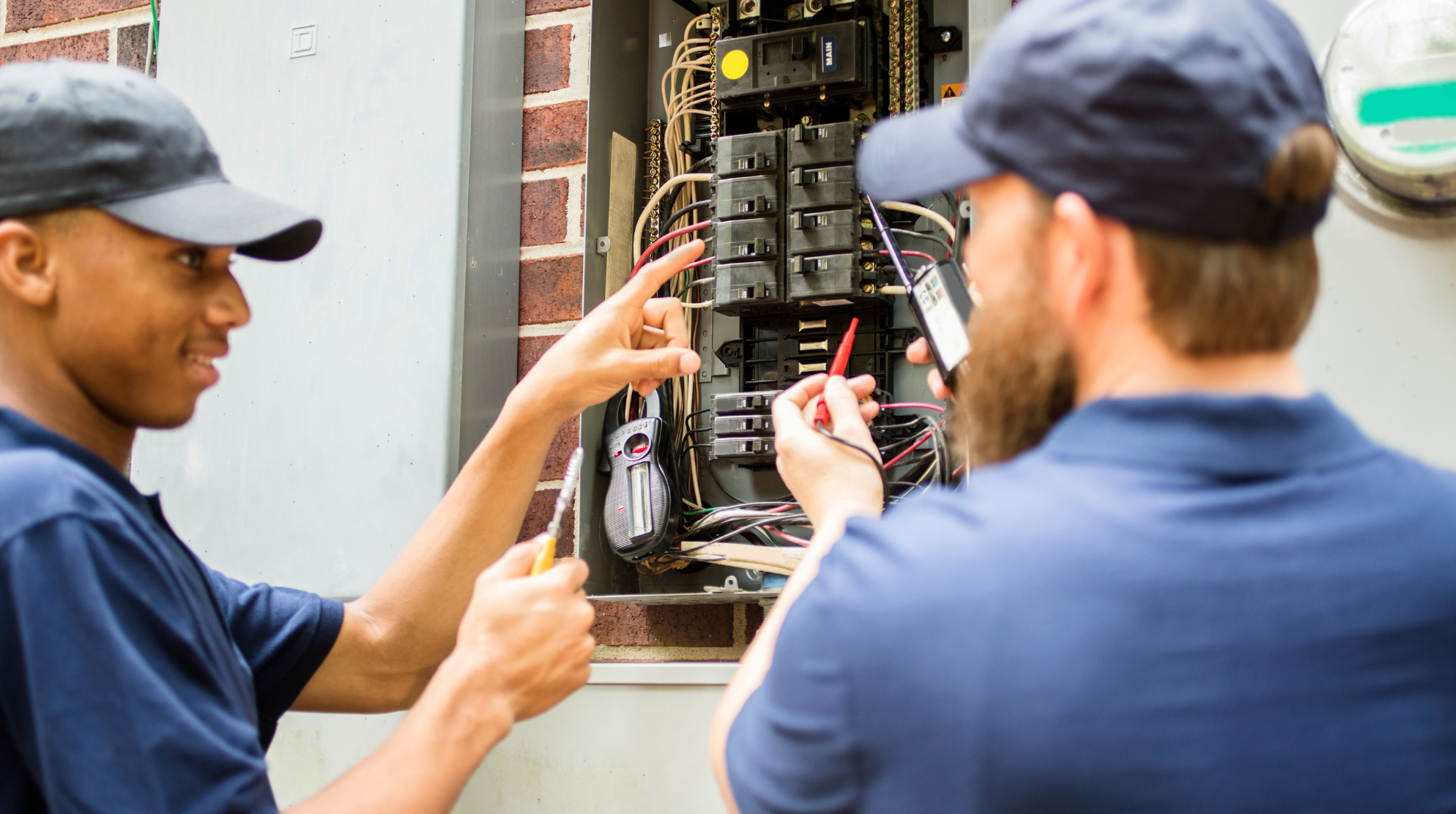
Florida offers different types of electrical licenses, with the most common for individual electricians being:
- Certified Electrical Contractor: This license allows an individual to contract electrical work, pull permits, and supervise other electricians. To obtain this license, individuals typically need to have completed a four-year apprenticeship and passed the required examinations.
- Registered Electrical Contractor: This license is generally obtained at the county or municipal level and may have different requirements depending on the local jurisdiction.
- Apprentice Electrician: Individuals working under a licensed contractor while undergoing training hold an apprentice registration.
The Licensing Examination
- Business and Finance Examination: In addition to the technical exam, Florida requires applicants for certified electrical contractor licenses to pass a business and finance examination, demonstrating their understanding of managing an electrical contracting business.
- Technical Examination: The primary hurdle is the technical examination, which assesses an individual’s knowledge of electrical theory, code requirements (specifically the NEC), and safe installation practices.
- Preparation: Many aspiring electricians utilize specialized exam preparation courses and study materials to ensure they are adequately prepared for these rigorous tests.
Factors Influencing the Timeline
While the typical pathways outline a general timeframe, several factors can influence how long it takes an individual to become a licensed electrician in Florida.
Prior Experience and Education
- Existing Skills: Individuals with prior experience in related trades or a strong academic background in math and science might find certain aspects of the training more manageable, potentially accelerating their progress.
- Transferable Credits: Some vocational programs or community college courses may offer credit for prior learning, which could shorten the educational component.
Pace of Learning and Dedication
- Individual Aptitude: Everyone learns at a different pace. Some individuals may absorb information and master practical skills more quickly than others.
- Commitment to Study: Consistent effort in both on-the-job training and classroom learning is crucial. Those who dedicate themselves fully to the process are more likely to succeed and advance efficiently.
Apprenticeship Availability and Program Structure
- Enrollment Hurdles: The availability of apprenticeship positions can sometimes be competitive. Waiting for an opening in a desired program can add to the overall timeline.
- Program Variations: Different apprenticeship programs might have slightly different structures or requirements, which can affect the duration. For instance, some programs might incorporate more extensive classroom hours upfront.
Employment Status and Part-Time vs. Full-Time Study
- Full-Time Apprenticeship: The standard four-year timeline assumes a full-time apprenticeship.
- Part-Time Options: While less common for apprenticeships, some vocational or community college programs might offer part-time study options, which would naturally extend the duration of the educational phase.
Summary of Timelines
To provide a consolidated view, here’s a general breakdown of the time commitment:
- Vocational School Certificate Program: 6 months to 1 year (educational phase)
- Community College Associate Degree: 2 years (educational phase)
- Apprenticeship: 4 years (practical experience phase)
- Licensing Exams: Generally taken upon completion of apprenticeship requirements.
Therefore, a typical pathway might look like this:
- Option 1 (Vocational Focus): 6-12 months in vocational school + 4 years apprenticeship + licensing = Approximately 4.5 to 5 years from the start of training to licensure.
- Option 2 (Associate Degree Focus): 2 years in community college + 4 years apprenticeship + licensing = Approximately 6 years from the start of training to licensure.
It’s important to note that these are estimates. Some individuals may find opportunities to accelerate their training through recognized prior learning or by demonstrating exceptional proficiency. However, the four-year apprenticeship is a foundational requirement for licensure in Florida for most aspiring electricians, ensuring a robust understanding and practical competence in the trade. Becoming a licensed electrician is a significant investment of time and effort, but it leads to a rewarding career with strong job security and earning potential in the thriving state of Florida.
LifeOutOfTheBox is a participant in the Amazon Services LLC Associates Program, an affiliate advertising program designed to provide a means for sites to earn advertising fees by advertising and linking to Amazon.com. Amazon, the Amazon logo, AmazonSupply, and the AmazonSupply logo are trademarks of Amazon.com, Inc. or its affiliates. As an Amazon Associate we earn affiliate commissions from qualifying purchases.