
The dream of homesteading in Alaska, a life of self-sufficiency amidst untamed wilderness, evokes a powerful image of freedom and resilience. For generations, the allure of the Last Frontier has drawn individuals seeking to forge a new path, disconnected from the conventional trappings of modern society. But in an age dominated by digital connectivity and urban expansion, is the romantic notion of Alaskan homesteading still a viable lifestyle, or is it merely a relic of a bygone era? The answer is complex, requiring a deep dive into the legal, logistical, and personal realities of embracing such an extreme form of self-reliance.

The Enduring Allure of Alaskan Self-Sufficiency
The spirit of homesteading is deeply woven into the fabric of Alaska’s history. From the Gold Rush prospectors to the pioneers granted land under the federal Homestead Acts, the vision of claiming a piece of the vast wilderness and living off the land has long defined a certain type of Alaskan identity. While the federal Homestead Act was repealed in 1976 (with the last claim officially filed in Alaska in 1986), the desire for self-sufficiency, a deep connection to nature, and an escape from the rat race persists.
Modern homesteaders are often motivated by a desire for environmental sustainability, a rejection of consumerism, and the pursuit of a simpler, more meaningful existence. The perceived freedom of living off-grid, growing one’s own food, and harvesting resources directly from the land holds immense appeal. This lifestyle, however, is far from idyllic. It demands an extraordinary level of dedication, a broad skill set, and an unwavering tolerance for hardship. The romance quickly gives way to the gritty reality of survival in one of the world’s most challenging environments.
Modern Pathways to Alaskan Homesteading
While the era of free federal land grants is over, opportunities for acquiring land suitable for a homesteading lifestyle in Alaska still exist, albeit with significant financial and logistical hurdles. The key lies in understanding current land ownership and acquisition programs.
Land Acquisition Options
Most land available for what would resemble a homestead today comes through state land sales, rather than direct grants. The Alaska Department of Natural Resources (ADNR) periodically offers state-owned lands for sale, often through competitive bid auctions. These parcels can be rural, undeveloped, and sometimes remote, making them attractive for those seeking isolation. Programs like “Over-the-Counter” land sales offer previously auctioned parcels that did not sell, often at a fixed price.
Another avenue is through the Alaska Mental Health Trust Land Authority, which also sells parcels to generate revenue for its beneficiaries. These lands are often remote, accessible primarily by air, water, or snow machine, and typically lack existing infrastructure. This is precisely what draws many aspiring homesteaders, as it allows for a blank slate upon which to build their self-sufficient dreams.
Private land purchases are also an option, though they can be costly, especially for parcels with existing access or infrastructure. Regardless of the source, potential homesteaders must be prepared for the substantial financial investment required to purchase raw land. This initial cost often represents just a fraction of the total expense involved in establishing a functional homestead.
Overcoming Logistical Hurdles
Once land is acquired, the real work begins. Much of Alaska’s undeveloped land is incredibly remote. This means:
- Access: Many homestead sites are “fly-in” or “boat-in” only, significantly increasing the cost and complexity of transporting building materials, supplies, and equipment. Road access is rare for truly remote parcels.
- Building: Construction must often be done entirely by hand or with minimal heavy equipment, frequently in extreme weather conditions. Local timber might be available, but milling and processing are significant undertakings. Permits and adherence to local building codes, even in remote areas, are still required.
- Utilities: Off-grid living is the norm. This entails setting up solar power, wind turbines, or generators for electricity, drilling wells or hauling water, and implementing composting toilets or septic systems. Internet access, if available, is often satellite-based and expensive.
- Supplies: Resupply runs to towns like Fairbanks or Anchorage can be infrequent, costly, and time-consuming. Homesteaders must become masters of inventory management and long-term storage.
The physical demands are immense, requiring a wide range of skills from carpentry and plumbing to mechanics and basic medical knowledge. The learning curve is steep, and mistakes can have serious consequences in an isolated environment.
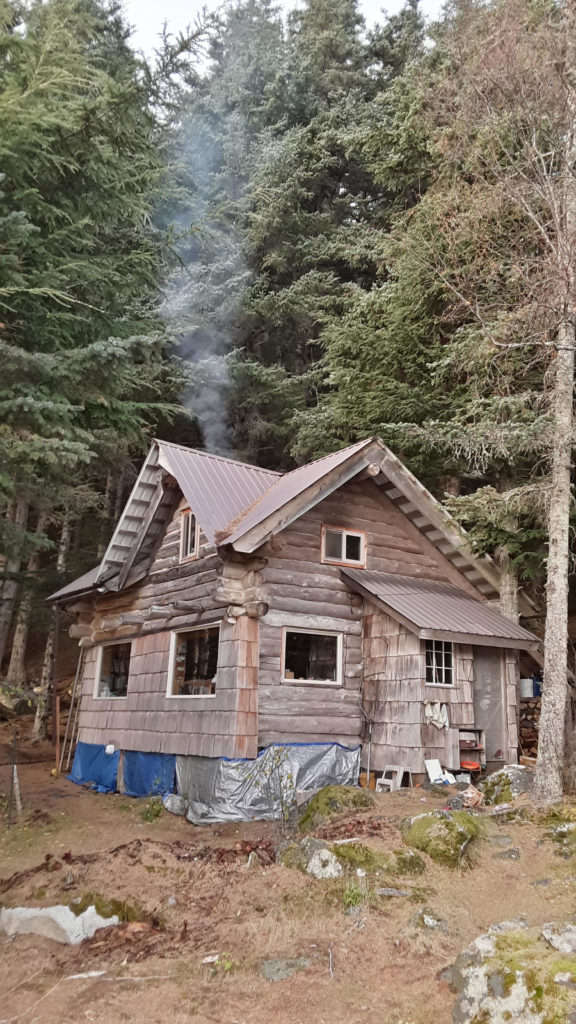
The Lifestyle of Extreme Self-Reliance
The homesteading lifestyle in Alaska is defined by its unwavering commitment to self-reliance. It is a full-time endeavor, dictated by the seasons and the constant need to prepare for the next challenge.
Daily Life and Seasonal Rhythms
A homesteader’s year revolves around the short, intense Alaskan summer and the long, harsh winter.
- Summer: This is a period of frantic activity. Gardens must be planted, tended, and harvested with urgency to capitalize on the extended daylight hours. Berries are picked, fish are caught, and game is hunted to fill freezers and pantries. Building and repair projects are prioritized, as is the crucial task of gathering and cutting firewood for the upcoming winter. Water systems are maintained, and any necessary trips to town for supplies are made.
- Winter: With temperatures plummeting and daylight scarce, the focus shifts to survival and maintenance. Wood stoves require constant feeding, water lines must be kept from freezing, and equipment needs careful upkeep. Hunting and trapping continue, but the emphasis is on conserving resources and enduring the cold. Isolation becomes a significant factor, testing mental fortitude.
- Year-Round: Activities like animal husbandry (if livestock is kept), routine maintenance on cabins and outbuildings, and crafting essential items are ongoing. The homesteader becomes a jack-of-all-trades, constantly adapting to unforeseen circumstances.
Essential Skills and Mental Fortitude
To succeed, an Alaskan homesteader needs more than just a dream; they need practical skills and an iron will.
- Survival Skills: Hunting, fishing, trapping, foraging, and wilderness first aid are non-negotiable. Knowing how to read the weather, navigate the terrain, and handle wildlife encounters is critical.
- Construction & Repair: The ability to build, maintain, and repair structures, engines, and tools is paramount. From roofing a cabin to fixing a broken snow machine, improvisation and resourcefulness are key.
- Gardening & Food Preservation: Growing food in Alaska’s short growing season requires specific knowledge of cold-hardy varieties and greenhouse techniques. Mastering canning, smoking, drying, and freezing is essential for year-round sustenance.
- Resilience & Problem-Solving: Every day presents new challenges. A broken pump, an unexpected snowstorm, or an encounter with a bear requires quick thinking and an ability to adapt without immediate external help. Loneliness and the lack of social interaction can also be significant mental hurdles.
The Rewards and Realities: Is Alaskan Homesteading For You?
The question of whether one “can still homestead in Alaska” isn’t just about legality or availability; it’s about personal capacity and genuine understanding of the lifestyle.
The Unvarnished Realities
- Isolation: While appealing to some, profound isolation can be mentally taxing, especially during long winters. Access to medical care is often hours or days away.
- Cost: Despite the “self-sufficient” ideal, establishing and maintaining a homestead is incredibly expensive upfront and requires ongoing investment in fuel, tools, vehicle maintenance, and occasional store-bought supplies.
- Hardship: Physical labor is constant and demanding. Weather can be brutal and unforgiving. Equipment breaks down. Crops fail. Wildlife can be dangerous.
- Bureaucracy: Even in the wilderness, permits are required for building, water access, septic systems, and sometimes even cutting trees. Navigating these regulations can be complex.
- No “Off Switch”: Unlike a job where you clock out, homesteading is a 24/7 commitment. There are no vacations from feeding animals, chopping wood, or maintaining systems.

The Profound Rewards
For those who are prepared and resilient, the rewards are equally profound:
- Freedom and Autonomy: The ability to live on one’s own terms, dictated by nature rather than societal norms.
- Connection to Nature: An unparalleled immersion in one of the world’s last great wild places, fostering a deep appreciation for ecological balance.
- Self-Sufficiency and Pride: The immense satisfaction of providing for oneself and one’s family through direct labor and skill.
- Skill Development: A continuous learning experience that hones practical skills and problem-solving abilities.
- Peace and Serenity: An escape from urban noise and stress, replaced by the sounds of the wilderness and the quiet satisfaction of a hard day’s work.
In conclusion, the romanticized version of free land and limitless opportunity for homesteading in Alaska is largely a thing of the past. However, the lifestyle of self-sufficiency, remote living, and building a life off the land is absolutely still possible for those willing to invest significant financial resources, develop a vast array of practical skills, and possess an unwavering spirit of resilience. It is not an endeavor for the faint of heart, but for the right individual or family, homesteading in Alaska offers a lifestyle of unparalleled independence and a profound connection to the natural world. It is a choice, not for ease, but for a life lived authentically and on one’s own terms.
LifeOutOfTheBox is a participant in the Amazon Services LLC Associates Program, an affiliate advertising program designed to provide a means for sites to earn advertising fees by advertising and linking to Amazon.com. Amazon, the Amazon logo, AmazonSupply, and the AmazonSupply logo are trademarks of Amazon.com, Inc. or its affiliates. As an Amazon Associate we earn affiliate commissions from qualifying purchases.