
The question “How Many Florida Counties?” is more than a simple numerical query; it delves into the administrative fabric of the Sunshine State, influencing everything from local governance and representation to the way residents and visitors experience its diverse landscapes and cultures. Understanding the number and distribution of these counties is fundamental to grasping the geography and the socio-political structure of Florida. This exploration will not only reveal the precise count but also shed light on the historical evolution of these divisions, their varying sizes and populations, and their significance to the overall tourism landscape of Florida.
The Official Count: Unveiling Florida’s County Demographics
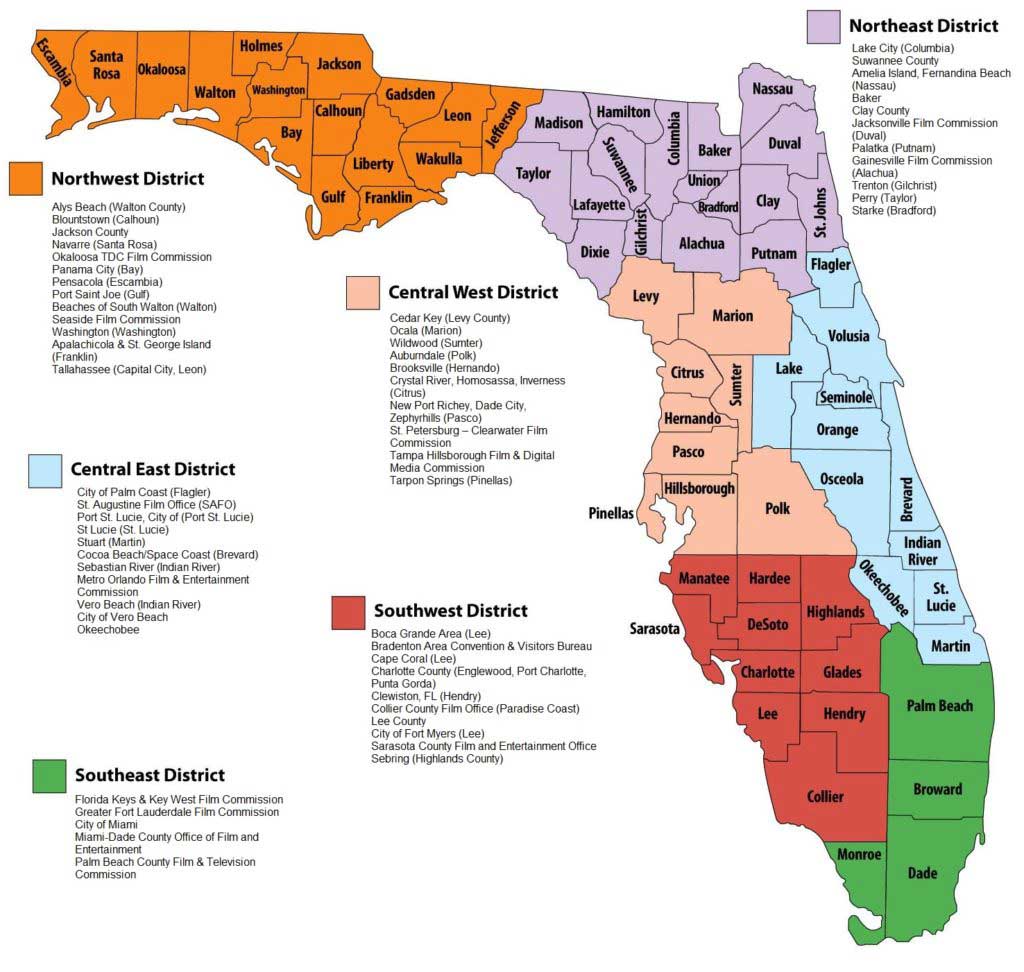
At present, the state of Florida is divided into 67 counties. This number has remained consistent for several decades, reflecting a mature and well-established administrative framework. Each of these counties operates with its own elected officials, such as county commissioners, a sheriff, a property appraiser, a tax collector, and a supervisor of elections, all responsible for providing essential public services to their constituents.
The establishment and delineation of these counties have a rich history, often tied to the settlement patterns and economic development of different regions within the state. As Florida grew from its territorial days to statehood and beyond, new counties were carved out to better serve burgeoning populations and to facilitate more localized governance. This process of county formation, while largely complete, has shaped the unique identity of each region, contributing to the diverse character that makes Florida such a compelling destination for travelers and residents alike.
A Look at the Extremes: Largest and Smallest Counties
The 67 counties of Florida exhibit a remarkable range in size, both geographically and demographically.
Geographic Area
When considering landmass, Palm Beach County stands out as the largest county by area. Spanning a significant portion of southeastern Florida, it encompasses diverse environments from the Atlantic coast to inland agricultural regions. Its expansive territory includes major cities like West Palm Beach and Boca Raton, offering a wide array of attractions and experiences.
Conversely, Union County, located in north-central Florida, is the smallest county by land area. Its more rural character offers a glimpse into a quieter side of Florida, often characterized by agriculture and natural landscapes.
Population Density
In terms of population, the disparities are even more pronounced. Miami-Dade County is by far the most populous county in Florida, and indeed one of the most populous in the entire United States. Its vibrant metropolis, centered around the city of Miami, is a global hub for culture, commerce, and tourism, drawing millions of visitors annually.
At the other end of the spectrum, Liberty County, nestled in the Panhandle region, has the smallest population. Its sparsely populated, natural environment provides a stark contrast to the bustling urban centers of southern Florida.
These variations in size and population directly impact the character of each county, influencing the types of attractions, activities, and local culture that visitors and residents can explore.
The Historical Tapestry of Florida’s County Formation
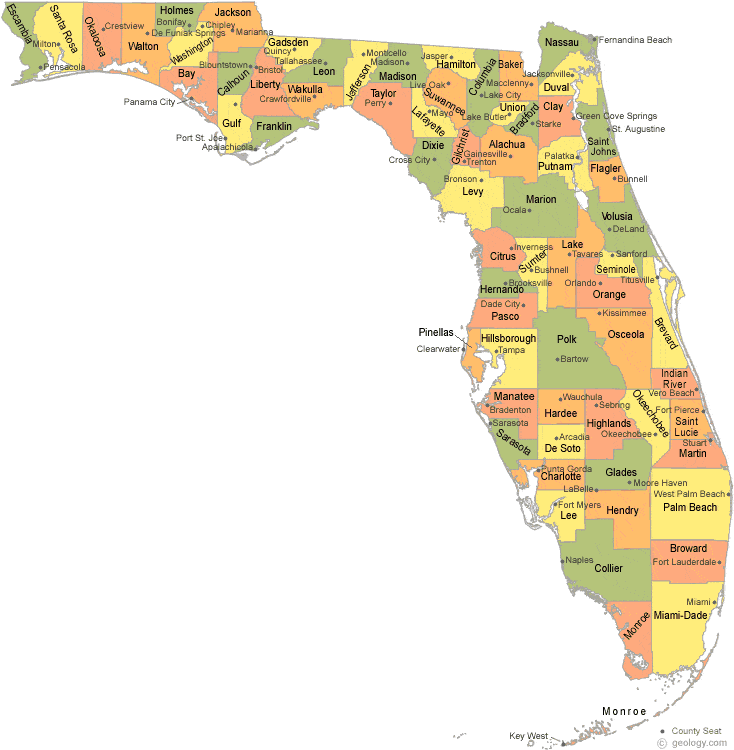
The journey to 67 counties is a narrative woven through Florida’s history. The earliest counties were established during the territorial period, reflecting the initial waves of settlement and governance. As the population grew and the state expanded, the legislature continually reviewed and adjusted county boundaries.
Key Milestones in County Creation
The process of county creation accelerated with significant population booms, particularly in the late 19th and early 20th centuries, and again in the latter half of the 20th century. Each new county was often a response to the need for more accessible local government, better infrastructure development, and increased political representation for growing communities.
For example, counties in southern Florida saw significant growth and subsequent division as development spread southward from established centers like Jacksonville and Tallahassee. The establishment of transportation networks, such as railroads and highways, also played a crucial role in opening up new areas for settlement and, subsequently, for the formation of new counties.
Understanding this historical context provides valuable insight into the geographical layout of Florida today and the distribution of its population and resources.
Counties as Pillars of Florida Tourism and Local Experiences
The 67 counties are not merely administrative divisions; they are the fundamental building blocks of the Florida experience for tourists and locals alike. Each county offers a unique blend of natural beauty, cultural heritage, and recreational opportunities that contribute to the state’s immense appeal.
Coastal Charms and Inland Treasures
From the pristine beaches of the Panhandle in counties like Walton County and Bay County, to the vibrant urban energy of Broward County with its renowned Fort Lauderdale strip, and the unique ecosystems of the Everglades within counties like Collier County and Monroe County (home to the Florida Keys), Florida’s counties showcase an unparalleled diversity.
Inland counties, often overlooked by those focused solely on the coast, offer their own distinct attractions. Counties like Alachua County, home to the University of Florida and the vibrant city of Gainesville, are centers of culture and education. Others, such as Marion County, are famous for their horse farms and equestrian traditions, while Lake County offers picturesque lakes and citrus groves, a nod to the state’s agricultural past.
Cultural Hubs and Recreational Havens
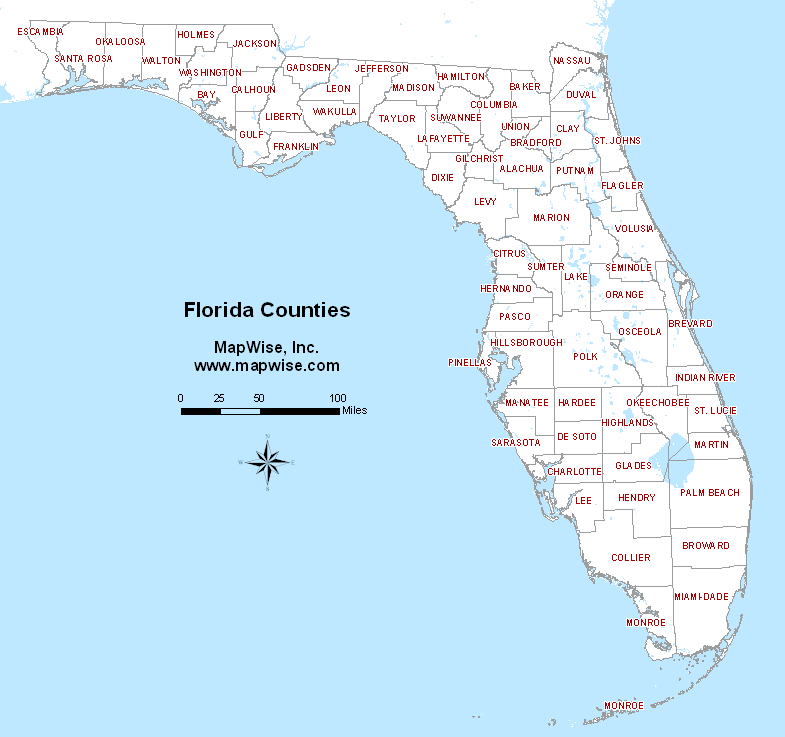
Major metropolitan counties, including Orange County (home to the world-famous theme parks of Orlando), Hillsborough County (with its bustling city of Tampa), and Pinellas County (offering the beautiful beaches of St. Petersburg and Clearwater), serve as major tourism drivers, offering a plethora of attractions, dining, and entertainment options.
Beyond the theme parks and beaches, many counties are rich in history and local flavor. Counties such as St. Johns County, where the historic city of St. Augustine (the oldest continuously inhabited European-established settlement in the United States) is located, provide deep dives into Florida’s colonial past. The unique blend of cultures, from the Latin influence in southern Florida to the Southern charm of the Panhandle, is often concentrated within specific counties, offering distinct culinary and cultural experiences.
Whether one is seeking the thrill of a world-class amusement park, the tranquility of a secluded beach, the richness of historical sites, or the adventure of exploring natural landscapes, the diversity of Florida’s 67 counties ensures that every traveler can find an experience tailored to their desires. Each county, with its unique identity and offerings, contributes to the grand mosaic that is the Florida travel experience.
LifeOutOfTheBox is a participant in the Amazon Services LLC Associates Program, an affiliate advertising program designed to provide a means for sites to earn advertising fees by advertising and linking to Amazon.com. Amazon, the Amazon logo, AmazonSupply, and the AmazonSupply logo are trademarks of Amazon.com, Inc. or its affiliates. As an Amazon Associate we earn affiliate commissions from qualifying purchases.