
Navigating the transition from the Garden State to the Empire State is a common undertaking for millions of residents and visitors each year. Whether you’re commuting for work, planning a weekend getaway, or visiting friends and family, understanding the various transportation options available between New Jersey and New York City is essential. This comprehensive guide will explore the most popular and efficient ways to make this journey, considering factors such as cost, time, convenience, and personal preference. From the bustling train stations to the scenic ferry terminals, each method offers a unique perspective on traversing this vital corridor.
Understanding the Commute
The proximity of New Jersey to New York City makes it a prime residential area for those who work in the city. This daily migration has shaped a robust transportation infrastructure designed to accommodate a vast number of travelers. The choice of transportation often depends on the specific starting point within New Jersey, the intended destination within New York City, and individual priorities like minimizing travel time, reducing costs, or enjoying a more relaxed journey.
Key Considerations for Your Trip
Before diving into the specifics of each mode of transport, it’s beneficial to consider a few overarching factors:
- Starting Location: New Jersey is a diverse state, and your starting point—whether it’s North, Central, or South Jersey—will significantly influence your best route. Proximity to major highways, train lines, and ferry terminals will dictate your options.
- Destination in NYC: New York City is vast. Are you heading to Midtown Manhattan, the Financial District, Brooklyn, or Queens? This will affect which arrival points are most convenient.
- Time of Day: Rush hour traffic can dramatically increase travel times for drivers and bus passengers. Train and ferry services are generally less affected by road congestion.
- Budget: While some options are more economical, others may offer greater comfort or speed at a higher price point.
- Environmental Impact: For the eco-conscious traveler, public transportation options like trains and ferries typically have a lower carbon footprint than driving alone.
- Luggage: If you’re traveling with significant luggage, consider how easy it will be to manage it on different modes of transport.
Public Transportation Options
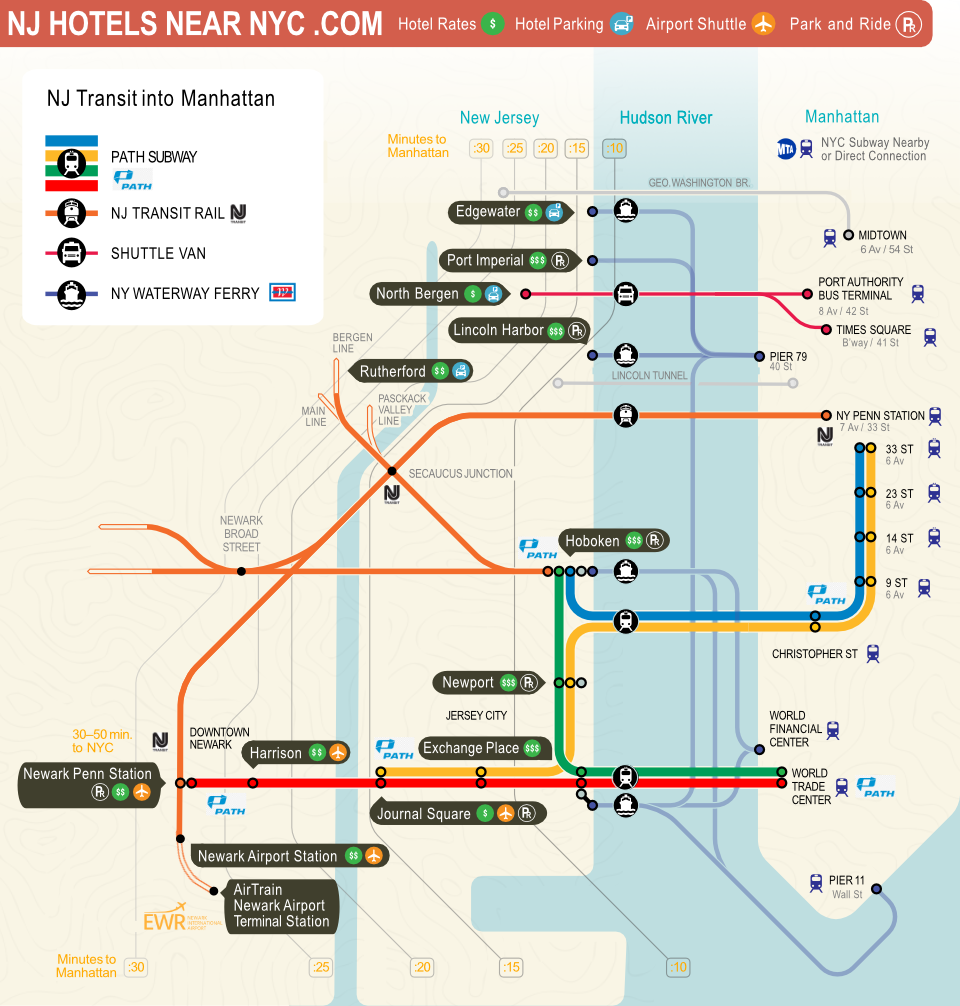
Public transportation offers a reliable and often cost-effective way to travel between New Jersey and New York City. The primary operators are the bi-state agencies NJ Transit and the Port Authority Trans-Hudson (PATH).
NJ Transit Rail Service
NJ Transit operates an extensive rail network that connects numerous New Jersey towns and cities with New York City, primarily arriving at Penn Station New York in Midtown Manhattan.
- Northeast Corridor Line: This is one of the busiest and most direct lines, serving communities from Trenton in the south to New York Penn Station. It offers frequent service and is a popular choice for commuters traveling to Manhattan.
- Morris & Essex Lines (Midtown Direct): These lines connect towns in northern New Jersey, such as Montclair and Morristown, directly to New York Penn Station during peak hours.
- Montclair-Boonton Line: This line also provides service to New York Penn Station, with connections to various points in northern New Jersey.
- Raritan Valley Line: While this line generally terminates in Raritan, it offers direct service to New York Penn Station during weekday peak commuting hours, a valuable service for residents of central New Jersey.
- North Jersey Coast Line: Serving the shore towns in eastern New Jersey, this line also terminates at New York Penn Station.
Fares and Ticketing: Fares for NJ Transit are zone-based and vary depending on the origin and destination. Tickets can be purchased at station ticket machines, online through the NJ Transit app, or via ticket windows. Purchasing a round-trip ticket or a weekly/monthly pass can offer cost savings for regular travelers.
Travel Time: Depending on the line and origin, train travel to New York Penn Station typically ranges from 45 minutes to 1.5 hours.
Port Authority Trans-Hudson (PATH)
The PATH system offers a subway-like rapid transit service connecting key locations in New Jersey with several stations in Manhattan. It is an excellent option for those whose destinations are closer to its Manhattan terminals.
- Hudson-World Trade Center Line: Connects Newark Penn Station and stations in Jersey City (like Grove Street and Exchange Place) to the World Trade Center in Lower Manhattan.
- Hoboken-14th Street Line: Connects Hoboken Terminal and stations in Jersey City (like Newport and Pavonia/Newport) to the West Village/Chelsea area of Manhattan (14th Street, 9th Avenue station).
- Hoboken-33rd Street Line: Also originating from Hoboken Terminal and Jersey City, this line runs further north in Manhattan, terminating at 33rd Street, near Herald Square and the Empire State Building.
- Journal Square-33rd Street Line: This line originates from Journal Square Transportation Center in Jersey City and also terminates at 33rd Street in Manhattan.
Fares and Ticketing: PATH uses a flat fare system, which is generally more affordable than NJ Transit for shorter distances. The easiest way to pay is with a MetroCard or the OMNY contactless payment system.
Travel Time: PATH trains are frequent, and travel times between New Jersey and Manhattan are typically shorter than NJ Transit rail, often ranging from 20 to 45 minutes, depending on the line and station.
Bus Services
Several bus companies operate routes connecting New Jersey with New York City, offering a flexible option for those who don’t live near a train station or whose destination is better served by a bus terminal.
- NJ Transit Buses: NJ Transit operates numerous bus routes from various points in New Jersey to Port Authority Bus Terminal in Midtown Manhattan, as well as other stops in the city. These routes can be more numerous and diverse than train lines, reaching areas not served by rail.
- Private Bus Companies: Companies like Megabus and BoltBus offer express bus services, often with competitive pricing and amenities like Wi-Fi and power outlets. They typically arrive at or near Port Authority Bus Terminal or other convenient Manhattan locations.
Fares and Ticketing: Bus fares vary by company, route, and time of day. For express services like Megabus, booking in advance is often recommended for the best prices. Tickets can usually be purchased online, at the bus station, or directly from the driver for some local routes.
Travel Time: Bus travel times can be highly variable due to traffic congestion, especially during peak commuting hours. A trip that might take an hour in light traffic could easily double during rush hour.
Ferry Services
For those who appreciate scenic views and wish to avoid road traffic, ferry services offer a picturesque and often stress-free way to travel.
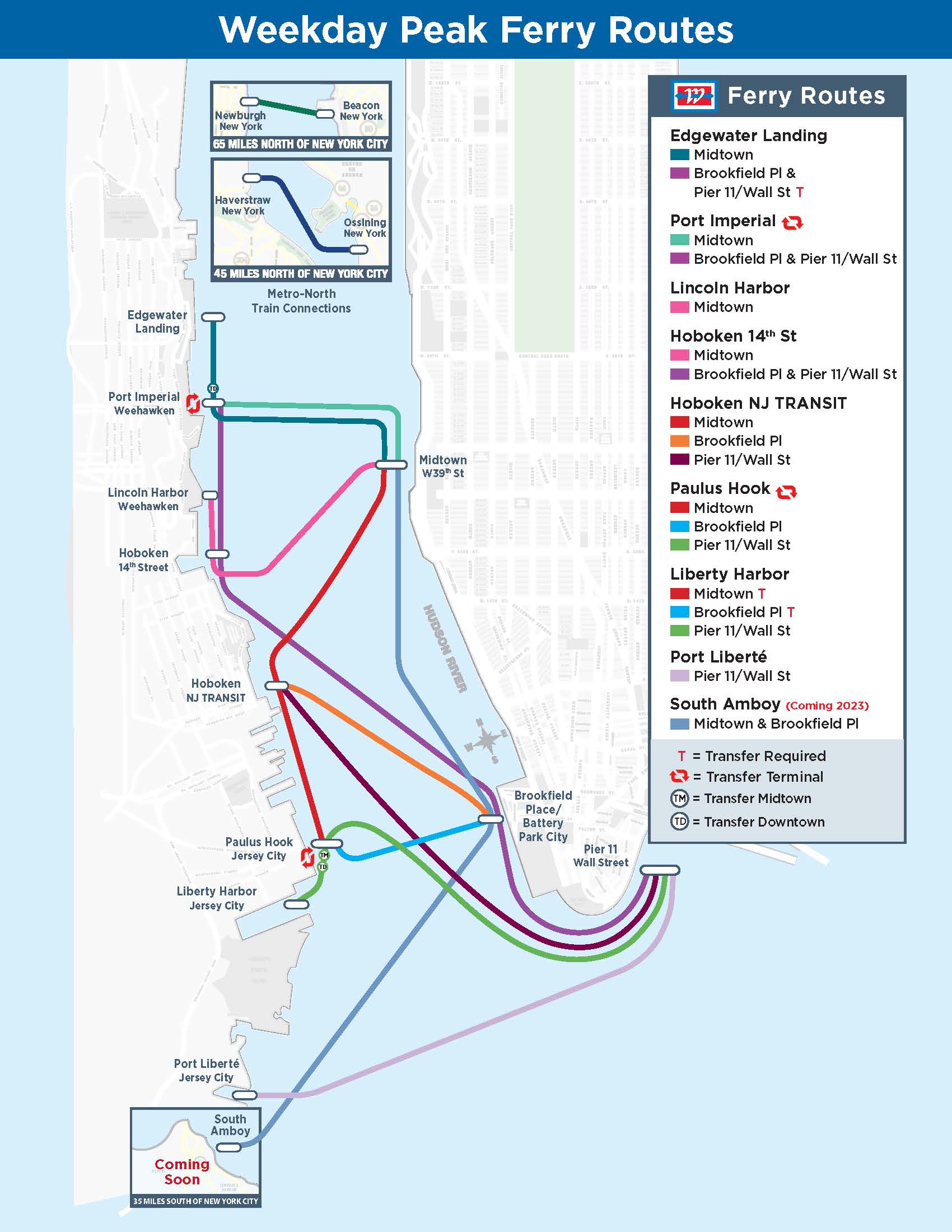
- NY Waterway: Operates ferry routes from various points in New Jersey, including Weehawken, Edgewater, Hoboken, and Liberty State Park, to terminals in Manhattan such as Midtown (West 39th Street), Pier 11/Wall Street, and the World Financial Center. Some routes offer connecting shuttle buses to various points in Manhattan.
- PATH Ferry (formerly Liberty Water Taxi): Connects Liberty State Park in Jersey City with Pier 11/Wall Street and the World Financial Center in Manhattan.
Fares and Ticketing: Ferry fares are typically higher than train or bus fares but can be competitive when considering the convenience and experience. Tickets can be purchased at ferry terminals or through the respective company’s app.
Travel Time: Ferry travel time itself is generally consistent, usually ranging from 15 to 30 minutes between New Jersey and Manhattan, depending on the route. However, you’ll need to factor in time to get to and from the ferry terminals.
Driving and Car Services
Driving offers the most flexibility but also comes with the challenges of traffic, tolls, and parking in New York City.
Driving Your Own Vehicle
-
Routes: The most common routes involve crossing the >>/staten-island-ferry”>Staten Island Ferry to Manhattan or drive further into the city.
- Bayonne Bridge: Connects Bayonne, New Jersey with Staten Island, New York.
Tolls: All bridges and tunnels crossing into Manhattan from New Jersey have tolls, which can be paid via E-ZPass or by mail (with higher rates).
Parking: Parking in New York City is notoriously expensive and challenging to find. Garages are plentiful but costly, and street parking is often limited by meters, time restrictions, or alternate-side-of-the-street parking rules.
Travel Time: Driving time can vary drastically due to traffic. A trip that takes 30-45 minutes in off-peak hours can easily extend to 1.5-2 hours or more during rush hour.
Ride-Sharing and Taxis
Services like Uber and Lyft, as well as traditional yellow cabs, are readily available in New Jersey and can take you directly to your destination in New York City.
Fares and Availability: Fares will vary based on demand, distance, and time of day. Tolls are typically passed on to the passenger. While convenient for door-to-door service, this option is often the most expensive.
Travel Time: Similar to driving, travel times are heavily influenced by traffic.
Carpools and Vanpools
For those seeking a more economical and eco-friendly driving option, carpooling or joining a vanpool can be beneficial. Many New Jersey employers or local initiatives facilitate carpool matching. While not a formal public transit option, it bridges the gap between private driving and mass transit for some commuters.

Choosing the Right Option for You
The “best” way to get from New Jersey to New York City is highly subjective and depends on your personal circumstances.
- For Speed and Efficiency (especially into Midtown): NJ Transit rail lines terminating at New York Penn Station are often the fastest and most reliable, avoiding road traffic.
- For Access to Lower Manhattan or West Side: PATH trains offer excellent connectivity and often quicker journey times than NJ Transit for these areas.
- For Scenic Views and a Relaxing Experience: Ferries from NY Waterway or other operators provide a pleasant commute with stunning views of the Manhattan skyline.
- For Maximum Flexibility and Direct Door-to-Door Service: Driving is an option, but be prepared for tolls, traffic, and the high cost of parking. Ride-sharing services offer similar door-to-door convenience but at a higher price point.
- For Budget Travelers: NJ Transit buses or budget express bus services like Megabus can offer the most economical fares, provided you can tolerate potential traffic delays.
Ultimately, by understanding the strengths and weaknesses of each transportation method, you can select the ideal way to travel between New Jersey and New York City that best suits your needs and enhances your travel experience.
LifeOutOfTheBox is a participant in the Amazon Services LLC Associates Program, an affiliate advertising program designed to provide a means for sites to earn advertising fees by advertising and linking to Amazon.com. Amazon, the Amazon logo, AmazonSupply, and the AmazonSupply logo are trademarks of Amazon.com, Inc. or its affiliates. As an Amazon Associate we earn affiliate commissions from qualifying purchases.