
While the question of undocumented immigration in Florida is a complex and often politically charged issue, understanding its scope is crucial for informed discussion and policy-making. This article delves into the available data and estimates regarding the population of undocumented immigrants in the Sunshine State, exploring the methodologies used for calculation and the implications for the state’s demographics and economy. It is important to note that precisely quantifying an undocumented population is inherently challenging, relying on estimations derived from various sources rather than direct headcounts.
Estimating Florida’s Undocumented Population
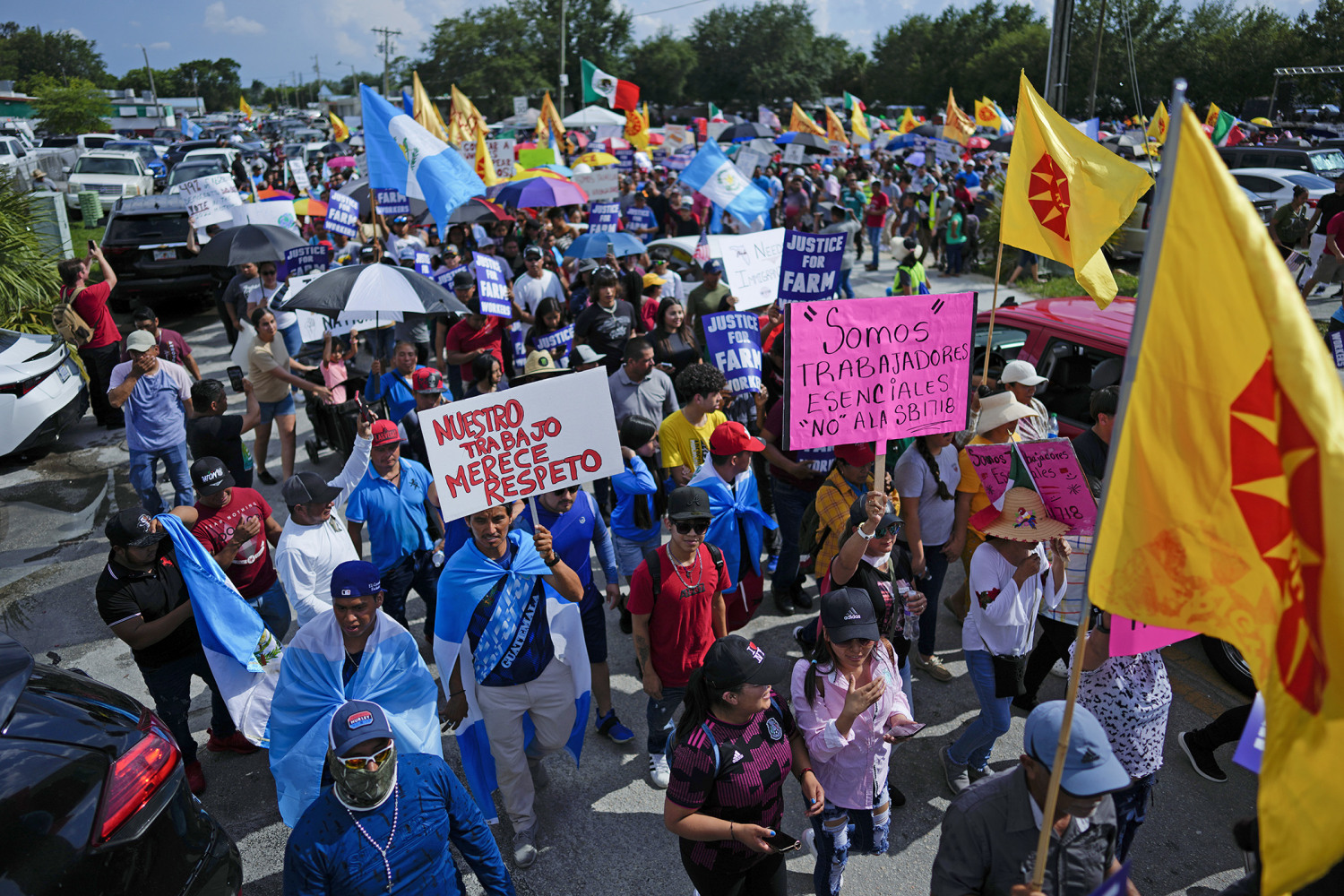
The most widely cited source for estimates of the undocumented immigrant population in the United States and its constituent states is the Center for Migration Studies (CMS) and the Pew Research Center. These organizations utilize sophisticated demographic modeling that draws upon data from the U.S. Census Bureau, the Department of Homeland Security, and other federal agencies. Their methodologies typically involve:
Data Sources and Methodologies
- Census Data Analysis: Researchers analyze data from the American Community Survey and the Decennial Census, looking for discrepancies and patterns that might indicate the presence of individuals not captured by official records.
- Homeland Security Statistics: Information on apprehensions, deportations, visa overstays, and other enforcement actions provides insight into immigration flows and the potential size of the undocumented population.
- Survey Data: Household surveys, though often limited in scope for undocumented populations, can contribute to broader demographic models.
- Statistical Modeling: Advanced statistical techniques are employed to extrapolate from available data points, accounting for factors like birth rates, death rates, and emigration among the undocumented population.
Recent Estimates for Florida
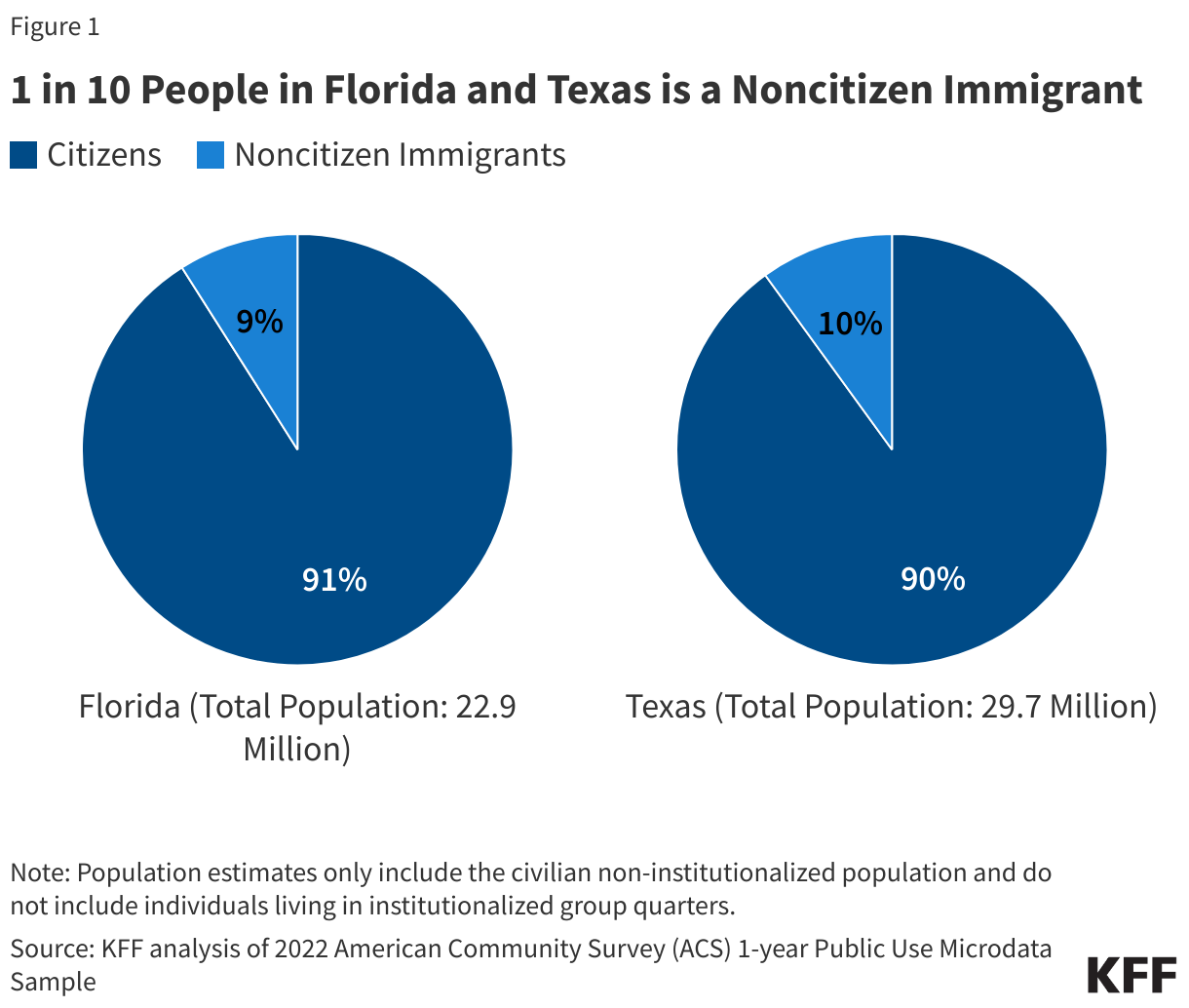
According to analyses by the Pew Research Center, Florida consistently ranks among the top states with the largest undocumented immigrant populations. While specific numbers fluctuate year by year and depend on the methodology employed by different research bodies, estimates often place the undocumented population in Florida in the range of over one million individuals.
For instance, data from the early 2020s suggests that Florida has the third-largest undocumented population nationally, after California and Texas. These figures represent a significant portion of the state’s overall population, contributing to its diverse cultural and economic landscape.
Demographic Profile of Undocumented Immigrants in Florida
Understanding the composition of Florida’s undocumented population provides further context to their presence and impact. This group is not monolithic; it comprises individuals from a wide range of countries, with varying educational backgrounds, skill sets, and reasons for migrating.
National Origin and Geographic Distribution
- Dominant Nationalities: Historically, a significant portion of undocumented immigrants in Florida have originated from Latin American countries, with a substantial presence from Cuba, Haiti, Venezuela, and Mexico. However, recent trends indicate a growing diversity in origin countries.
- Urban Hubs: Undocumented populations tend to concentrate in metropolitan areas and surrounding counties where employment opportunities, particularly in sectors like agriculture, construction, and hospitality, are more readily available. Major urban centers like Miami-Dade County, Broward County, and Orange County are often identified as having high concentrations.
Age, Gender, and Family Structure
- Working-Age Adults: The majority of undocumented immigrants are of working age, contributing to the labor force. This demographic profile influences the economic dynamics of the state, as these individuals often fill labor demands in key industries.
- Family Units: While many undocumented immigrants arrive as single adults, a growing number are part of family units, including children born in the United States (and therefore U.S. citizens) and children who have migrated with their parents. This aspect of family reunification and structure is a significant consideration in policy discussions.
Economic Contributions and Impacts
The presence of over a million undocumented immigrants in Florida has notable economic implications, both in terms of their contributions and the challenges associated with their status.
Labor Force Participation
Undocumented immigrants are integral to several key sectors of the Florida economy. They often work in physically demanding jobs with limited availability of native-born workers, particularly in:
- Agriculture: From harvesting citrus to tending crops, undocumented workers are crucial to the state’s robust agricultural industry.
- Construction: The booming construction sector in Florida frequently relies on undocumented labor for various roles.
- Hospitality and Tourism: Hotels, restaurants, and tourism-related businesses in cities like Orlando and Miami often employ undocumented individuals.
- Services: Cleaning services, landscaping, and other essential services also see significant participation from this population.
Consumer Spending and Tax Contributions
Despite their undocumented status, these individuals are consumers. They rent apartments, purchase groceries and goods, and utilize local services, thereby contributing to economic activity through spending. Furthermore, many undocumented immigrants pay taxes. This can include:
- Sales Taxes: Every purchase made by an undocumented individual includes sales tax.
- Property Taxes: Through rent payments, a portion of property taxes is indirectly paid by undocumented tenants.
- Income Taxes: A significant number of undocumented workers pay federal and state income taxes, often using Individual Taxpayer Identification Numbers (ITINs) when they lack Social Security numbers.
- Payroll Taxes: Some employers deduct payroll taxes from wages, even for undocumented workers, though these may not be claimable by the individual without proper documentation.
Studies by organizations like the Center for American Progress have estimated that undocumented immigrants in Florida contribute billions of dollars annually in taxes.
Challenges and Fiscal Considerations
The presence of a large undocumented population also presents fiscal considerations for the state. These include costs associated with:
- Public Services: Access to emergency healthcare, K-12 education for children (regardless of immigration status), and other public services.
- Law Enforcement and Corrections: Costs related to the enforcement of immigration laws and the incarceration of undocumented individuals.
- Social Services: While eligibility is often restricted, some social services may be utilized by undocumented populations or their U.S. citizen children.
The net fiscal impact is a subject of ongoing debate and depends heavily on the specific services considered and the assumptions made about tax contributions.
Policy Implications and Future Outlook
The presence of a substantial undocumented population in Florida has significant policy implications, influencing discussions on immigration reform, labor markets, and social integration.
State and Federal Policy Debates
- Immigration Reform: The debate over comprehensive immigration reform at the federal level directly impacts Florida. Proposals range from enhanced border security and increased deportations to pathways for legalization and citizenship.
- State-Level Initiatives: Florida has seen various state-level legislative efforts aimed at addressing immigration, including measures related to employment verification, driver’s licenses, and law enforcement cooperation with federal immigration authorities. These policies often aim to deter undocumented immigration or manage its impacts within the state.
- Labor Shortages: As Florida continues to grow, particularly in sectors reliant on manual labor, the question of how to address labor needs becomes increasingly pressing. This often reopens discussions about immigration and its role in filling these gaps.
Social and Cultural Integration
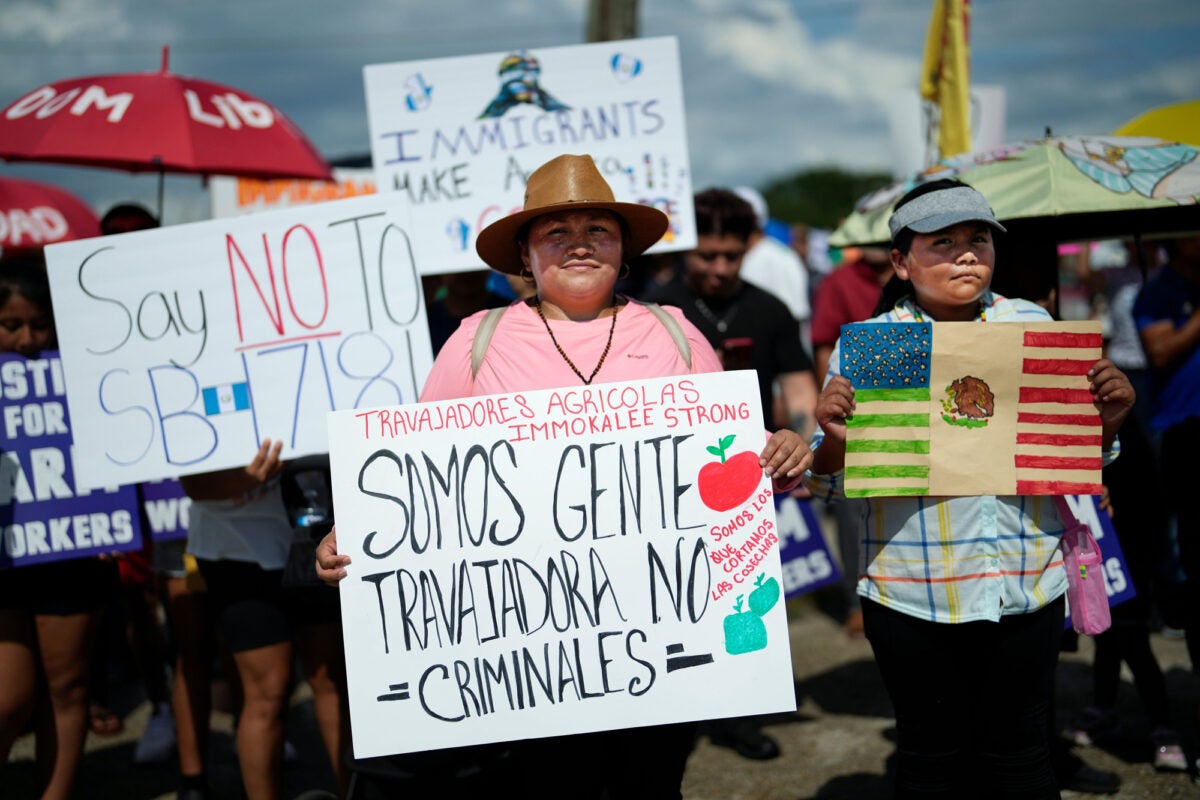
Beyond economic and policy considerations, the undocumented population is an integral part of Florida’s social fabric. Their integration, or lack thereof, influences community dynamics and cultural diversity. Efforts towards language acquisition, community support networks, and civic engagement can foster more cohesive communities.
Data Limitations and the Need for Accurate Information
It is crucial to reiterate that all figures regarding the undocumented population are estimates. The inherent secrecy surrounding undocumented status means that precise numbers are unattainable. Therefore, policy decisions and public discourse should be grounded in the best available data and acknowledge the limitations of such estimates. Continued research and more robust data collection methods are essential for a clearer understanding of this significant demographic group in Florida and across the nation. The ongoing evolution of immigration patterns means that these estimates will continue to be a subject of study and re-evaluation.
LifeOutOfTheBox is a participant in the Amazon Services LLC Associates Program, an affiliate advertising program designed to provide a means for sites to earn advertising fees by advertising and linking to Amazon.com. Amazon, the Amazon logo, AmazonSupply, and the AmazonSupply logo are trademarks of Amazon.com, Inc. or its affiliates. As an Amazon Associate we earn affiliate commissions from qualifying purchases.