
Florida’s diverse ecosystems, from the Everglades to the Atlantic coast, are home to a fascinating array of wildlife, including a significant population of snakes. While many of these reptiles are harmless and play vital roles in maintaining ecological balance, a portion of Florida’s serpentine residents are venomous. Understanding the number and types of venomous snakes in the state is crucial for residents and visitors alike, particularly for those venturing into natural habitats, planning outdoor activities, or seeking to appreciate the state’s rich biodiversity from a safe distance. This guide aims to clarify the prevalence of venomous snakes in Florida, focusing on identification, habitats, and safety considerations, all within the context of appreciating Florida‘s natural wonders.

The Venomous Snake Population of Florida
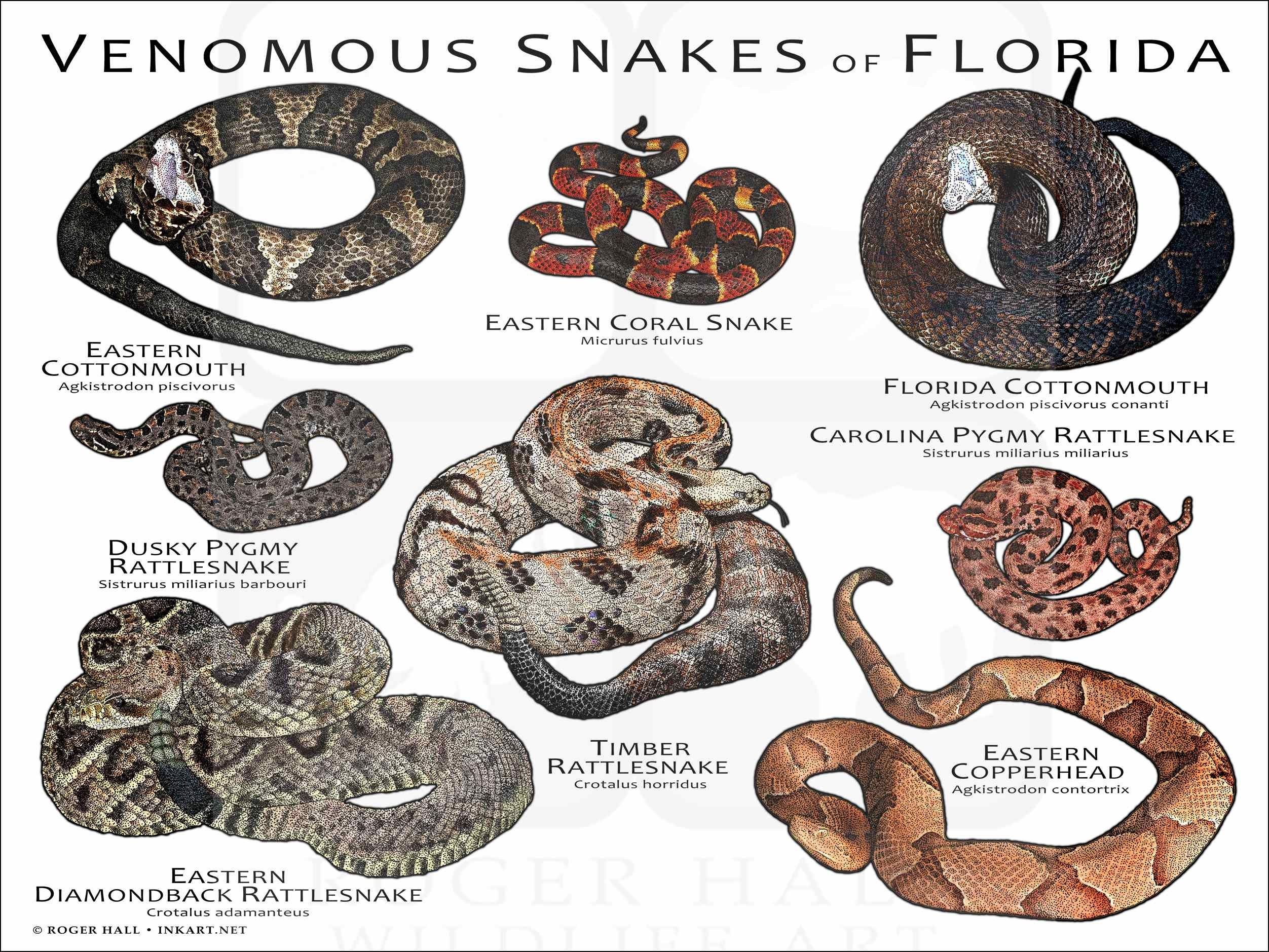
Florida is home to four distinct species of venomous snakes, each with unique characteristics and habitats. These species represent the entirety of the venomous snake population found naturally within the state. It’s important to note that while other venomous snakes might occasionally be present due to accidental introduction or illegal pet trade, these four are the established native venomous species.
Identifying Florida’s Venomous Reptiles
The four venomous snake species in Florida are:
1. Eastern Diamondback Rattlesnake
- Crotalus adamanteus
The Eastern Diamondback Rattlesnake is arguably the most iconic and potentially dangerous venomous snake in Florida. It is the largest rattlesnake species in the world, capable of reaching lengths of up to 6 feet, though specimens over 4 feet are less common. Its distinguishing feature is a pattern of large, dark, diamond-shaped blotches bordered by yellow, cream, or white, running down its back. The tail is adorned with black and white bands, ending in a prominent rattle.
Habitat: This species prefers dry, sandy habitats, often found in pine flatwoods, scrub, coastal dunes, and palmetto thickets throughout Florida. They are terrestrial and often create dens in palmetto or rabbit burrows.
Behavior: The Eastern Diamondback Rattlesnake is generally reclusive and prefers to avoid confrontation. However, when threatened, it will coil, rattle its tail as a warning, and can strike with remarkable speed and accuracy. Its venom is hemotoxic, causing severe tissue damage, pain, swelling, and potentially systemic effects if left untreated.
2. Timber Rattlesnake
- Crotalus horridus
The Timber Rattlesnake, also known as the Caneback or Banded Rattlesnake, is another pit viper found in Florida. Adults typically range from 3 to 5 feet in length. They have a distinctive pattern of dark, chevron-shaped bands that run across their body, often described as looking like a string of dark X’s or Vs. The tail is entirely black and ends in a rattle. Their coloration varies, often appearing yellowish, brownish, or grayish.
Habitat: Unlike the Eastern Diamondback, the Timber Rattlesnake prefers more diverse habitats, including upland forests, pine ridges, swamps, and mountainous regions (though “mountains” in Florida are generally gentle elevations). They are often found in rocky outcrops and dense undergrowth.
Behavior: This snake is also a pit viper and possesses a potent hemotoxic and neurotoxic venom. They are known to be more sluggish than diamondbacks but are equally dangerous when provoked. Their rattle is often less audible than that of the Eastern Diamondback.
3. Pigmy Rattlesnake
- Sistrurus miliarius
The Pigmy Rattlesnake is a small but venomous pit viper, rarely exceeding 2 feet in length. Its small size often leads to underestimation of its danger. Its body is covered in a pattern of reddish-brown blotches or spots on a grayish or brownish background. A distinctive rusty-red stripe often runs down its back. Its rattle is much smaller and less developed than those of larger rattlesnakes, often producing a buzzing sound rather than a distinct rattle.
Habitat: Pigmy Rattlesnakes are found in a variety of habitats across Florida, including pine flatwoods, scrub, hammocks, and even near the edges of swamps and cypress strands. They are often found in leaf litter, making them difficult to spot.
Behavior: Despite their diminutive size, Pigmy Rattlesnakes possess potent venom. They are generally not aggressive but will defend themselves if threatened, often striking with surprising speed. Their venom is primarily hemotoxic.
4. Cottonmouth (Water Moccasin)
- Agkistrodon piscivorus
The Cottonmouth, also commonly known as the Water Moccasin, is an aquatic venomous snake found throughout Florida. Adults can reach lengths of 2 to 4 feet. They are stout-bodied snakes with a broad head and a distinctive, often aggressive-looking demeanor. Their coloration is typically dark olive, brown, or black, sometimes with faint crossbands, especially in younger individuals. When threatened, they are known to display a characteristic defensive behavior of opening their mouth wide, revealing a white, cotton-like interior, hence their name.
Habitat: As their common name suggests, Cottonmouths are semi-aquatic and are almost always found in or near water. They inhabit swamps, marshes, ditches, lakes, rivers, and brackish coastal waters.
Behavior: Cottonmouths are pit vipers with hemotoxic venom. They are known for their territorial nature and can be more inclined to stand their ground or even advance on a perceived threat compared to rattlesnakes. Their bite can cause significant tissue damage and pain.
Distribution and Habitat Preferences
The distribution of these four venomous snake species across Florida is influenced by their specific habitat requirements. While there is some overlap, understanding these preferences can help individuals gauge the likelihood of encountering them.
Upland Habitats
Areas like Northwest Florida‘s piney woods, the central Florida scrub, and the sandy ridges of the Florida Panhandle are prime territories for the Eastern Diamondback Rattlesnake. These open, well-drained environments with ample hiding places in palmetto bushes and under debris are ideal for this large viper. The Timber Rattlesnake also favors upland forests and pine ridges, particularly in the northern and central parts of the state, often seeking out areas with more dense vegetation and rocky terrain.
Wetlands and Aquatic Environments
The Cottonmouth is ubiquitous in any aquatic environment across Florida. From the vast swampland of the Everglades to the smaller lakes and canals in urban areas, these snakes are well-adapted to a semi-aquatic lifestyle. Their presence is particularly notable in the southern and central regions, which are rich in wetlands. The Pigmy Rattlesnake, while also found in drier uplands, is frequently encountered in the transitional zones between uplands and wetlands, such as the edges of cypress swamps and along the banks of slow-moving streams.
Regional Variations
While all four species can be found throughout Florida, their densities and prominence vary. For instance, the Eastern Diamondback Rattlesnake is more commonly associated with the sandy, pine-dominated landscapes of northern and coastal Florida. The Timber Rattlesnake tends to be more prevalent in the rolling hills and forested areas of Northwest Florida. The Cottonmouth has a widespread distribution across the entire state, owing to the abundance of suitable aquatic habitats. The Pigmy Rattlesnake, being small and cryptic, is found across most of Florida but is often overlooked due to its size and camouflage.
Safety and Awareness for Travelers and Residents
Encountering venomous snakes in Florida is a possibility, especially when engaging in outdoor activities. However, with proper knowledge and precautions, the risk of a negative interaction can be significantly minimized. The goal is not to fear these creatures but to respect their presence and understand how to coexist safely.
Understanding Snake Behavior
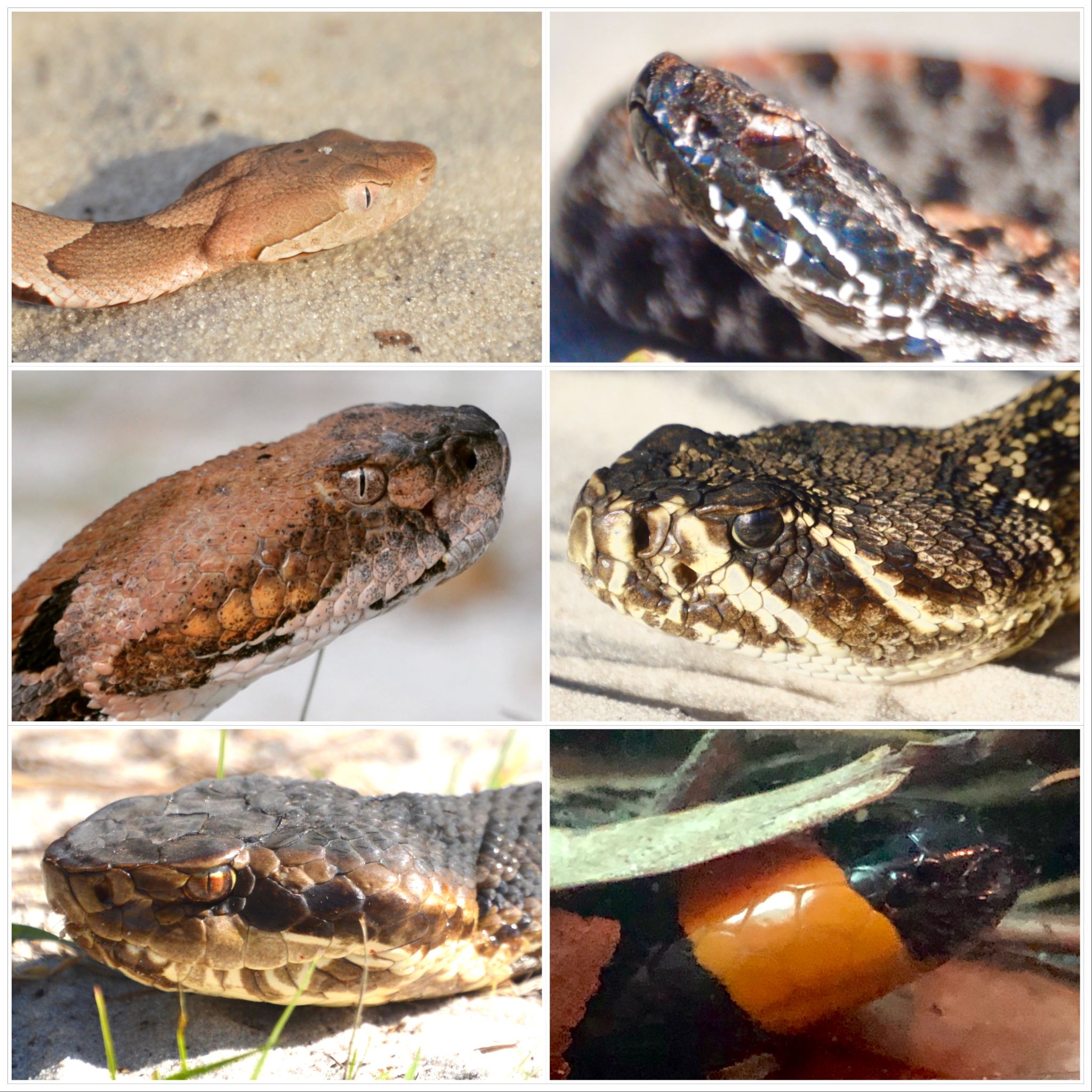
Venomous snakes, like all wildlife, generally prefer to avoid human interaction. They are not actively seeking to bite people. Bites typically occur when a snake feels threatened, is accidentally stepped on, or is cornered. Knowing this can help manage any apprehension. Rattlesnakes will usually rattle as a clear warning before striking, and Cottonmouths will often hiss and display their white mouths. Recognizing these warning signs is a critical first step in avoiding a bite.
Essential Safety Tips
- Educate Yourself: Familiarize yourself with the appearance and behavior of Florida‘s venomous snakes. This knowledge is the most important tool for safe exploration.
- Stay on Trails: When hiking or exploring natural areas, stick to marked trails. This reduces the chance of stepping on a hidden snake.
- Wear Appropriate Footwear: Sturdy, high-top boots can provide protection against bites if you accidentally encounter a snake.
- Never Handle Snakes: It is never advisable to approach, touch, or attempt to capture any snake, venomous or otherwise. Even a seemingly dead snake can be dangerous.
- Be Mindful of Your Surroundings: Pay attention to where you are walking and placing your hands, especially in areas with dense vegetation, rocky crevices, or near water.
- Supervise Children and Pets: Keep a close eye on children and pets when in natural environments where snakes may be present.
- If You See a Snake: Stop, give it plenty of space, and allow it to move away on its own. Do not try to scare it or provoke it.
- Proper Waste Disposal: Avoid leaving food scraps or trash in natural areas, as this can attract rodents, which in turn attract snakes.
What to Do in Case of a Snakebite
If a snakebite is suspected, remain calm and seek immediate medical attention. This is crucial.
- Call Emergency Services: Dial 911 or your local emergency number immediately.
- Stay Calm and Still: Movement can increase the circulation of venom. Try to keep the bitten limb below the level of the heart if possible, and remain as still as you can.
- Remove Tight Items: Remove any rings, bracelets, watches, or tight clothing from the bitten limb, as swelling is likely to occur.
- Do Not: Do not attempt to cut the wound, suck out the venom, apply a tourniquet, or apply ice. These methods are ineffective and can cause further harm. Do not try to capture the snake, but if possible, try to remember its appearance.
By understanding the four venomous snake species native to Florida, their habitats, and implementing sensible safety practices, individuals can confidently enjoy the state’s stunning natural landscapes while minimizing the risk of encountering these fascinating, albeit potentially dangerous, reptiles. Respect for wildlife and informed awareness are key to a safe and enriching experience in the Sunshine State.
LifeOutOfTheBox is a participant in the Amazon Services LLC Associates Program, an affiliate advertising program designed to provide a means for sites to earn advertising fees by advertising and linking to Amazon.com. Amazon, the Amazon logo, AmazonSupply, and the AmazonSupply logo are trademarks of Amazon.com, Inc. or its affiliates. As an Amazon Associate we earn affiliate commissions from qualifying purchases.