
Navigating the career landscape in a vibrant state like Florida involves understanding the earning potential across various professions. For those considering a career in healthcare, particularly in direct patient care, the role of a Certified Nursing Assistant (CNA) is a crucial and often rewarding one. This profession provides an essential service to individuals in hospitals, nursing homes, assisted living facilities, and even private residences, offering a pathway into the dynamic healthcare industry. Understanding the salary expectations for CNAs in Florida is paramount for aspiring professionals, career changers, and those simply interested in the economic aspects of the healthcare sector within the Sunshine State. This article delves into the average earnings, factors influencing CNA salaries, and potential career trajectories within Florida.
Factors Influencing CNA Salaries in Florida
The compensation received by Certified Nursing Assistants in Florida is not a monolithic figure. Several key variables contribute to the range of salaries observed across the state. Understanding these factors can help individuals better estimate their earning potential and strategize for career advancement.
Geographic Location within Florida
Florida is a large and diverse state with significant economic disparities between its major metropolitan areas and more rural regions. Consequently, the cost of living and demand for healthcare services can directly impact CNA salaries.
Major Metropolitan Areas
Cities such as Miami, Orlando, Tampa, and Jacksonville generally offer higher average salaries for CNAs. These urban centers are hubs for large hospital systems and numerous healthcare facilities, leading to increased demand for skilled nursing assistants. The higher cost of living in these areas also often necessitates higher wages to attract and retain qualified staff. For instance, a CNA working in a bustling Miami hospital might command a higher hourly rate than their counterpart in a smaller town in the panhandle.
Rural and Suburban Areas
Conversely, CNAs working in more rural or less densely populated suburban areas of Florida may find that average salaries are slightly lower. While the cost of living might be more affordable, the demand for services might also be less concentrated, potentially leading to a more competitive job market and consequently, lower wage offers. However, in some smaller communities, the value placed on healthcare professionals and the limited availability of CNAs could also lead to competitive compensation.
Type of Healthcare Facility
The specific setting in which a CNA is employed plays a significant role in determining their compensation. Different types of healthcare facilities have varying operational budgets, patient populations, and service offerings, all of which can influence salary scales.
Hospitals
Working in a hospital environment, whether it’s a large teaching hospital or a community hospital, often provides some of the highest earning potential for CNAs. Hospitals typically deal with a wider range of patient acuity, requiring a higher level of skill and responsibility from their nursing assistants. Furthermore, hospital systems often have more structured pay scales and benefits packages.
Nursing Homes and Skilled Nursing Facilities
Nursing homes and skilled nursing facilities are primary employers of CNAs. While these roles are essential, the average salaries may be slightly lower compared to acute care hospitals. However, these facilities often offer a more stable work environment and opportunities for building long-term relationships with residents. Examples include facilities like Villages Rehabilitation and Health Center or South Florida Rehabilitation and Care Center.
Assisted Living Facilities (ALFs)
Assisted living facilities provide a middle ground, offering residents support with daily living activities while maintaining a degree of independence. CNA roles in ALFs can vary in scope and pay, often depending on the size and luxury of the facility, as well as the level of care provided. High-end communities might offer more competitive compensation.
Home Health Agencies and Hospice Care
CNAs employed by home health agencies or hospice care providers often work one-on-one with patients in their homes. This can involve more autonomy and require adaptability. Salaries in this sector can be competitive, especially for those with specialized skills or experience. Some agencies may offer per-visit rates or hourly wages that can be quite attractive.
Experience Level and Certifications
As with most professions, a CNA’s experience and additional certifications significantly impact their earning potential in Florida.
Entry-Level vs. Experienced CNAs
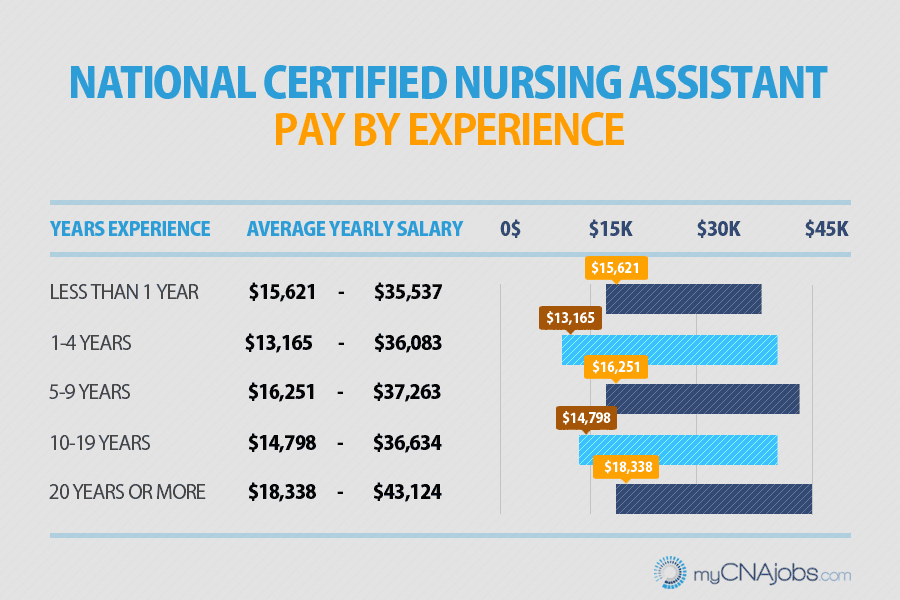
Entry-level CNAs, fresh out of training and with little to no practical experience, will typically start at the lower end of the salary scale. As CNAs gain experience, demonstrate proficiency, and build a reputation for reliability and quality care, they can command higher wages. Employers often recognize and reward accumulated knowledge and the ability to handle more complex patient needs.
Specialized Certifications
While the basic CNA certification is a prerequisite for the role, pursuing additional specialized certifications can unlock higher-paying opportunities. These might include certifications in:
- Geriatric Care: Focusing on the unique needs of older adults.
- Medication Aide: Allowing CNAs to administer certain medications under supervision.
- Advanced First Aid and CPR: Demonstrating enhanced emergency response capabilities.
- Specialized Dementia Care: Providing training for working with individuals suffering from Alzheimer’s or other forms of dementia.
These advanced skills make CNAs more valuable to employers, justifying higher compensation.
Average CNA Salaries in Florida
Estimating a precise average salary for CNAs in Florida requires consulting various data sources, which can sometimes provide slightly different figures due to methodologies and the timeframes of data collection. However, a general range can be established, providing a realistic outlook for the profession.
Hourly Wage Expectations
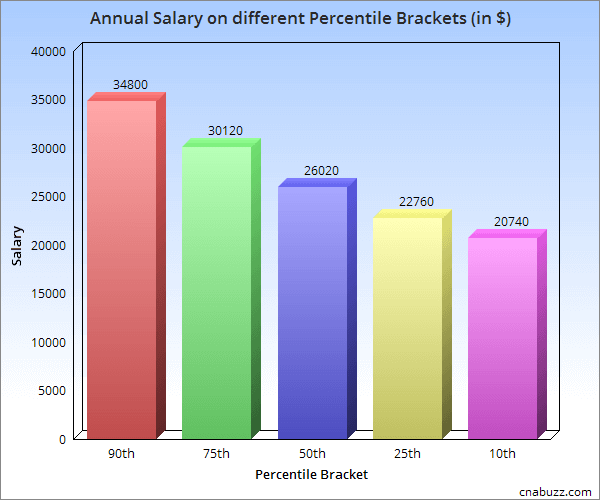
The typical hourly wage for a Certified Nursing Assistant in Florida generally falls between $13.00 and $18.00 per hour. This range reflects the various factors discussed previously, including location, facility type, and experience. Entry-level positions may start closer to the lower end of this spectrum, while experienced CNAs in high-demand areas or specialized roles can earn at the higher end, and sometimes even exceed it. For example, a CNA working night shifts or weekends might also receive differential pay, increasing their overall hourly earnings.
Annual Salary Projections
Translating hourly wages into annual salaries, a full-time CNA in Florida can expect to earn between $27,000 and $37,500 annually. This projection assumes consistent full-time employment. It’s important to note that this is an average, and individual earnings can vary significantly. Some sources may report higher averages, particularly when factoring in overtime, hazard pay, or roles within highly specialized departments or facilities. For instance, a CNA at a prestigious facility like The Breakers Palm Beach (though primarily a luxury hotel, it might have affiliated or on-site care services) or within a renowned medical center like Mayo Clinic Jacksonville could potentially earn more.
Top Paying Cities for CNAs in Florida
Certain cities within Florida consistently offer higher compensation for CNAs due to a combination of high demand, cost of living, and the presence of major healthcare employers.
- Naples: Known for its affluent population and high-end healthcare facilities, Naples often sees CNAs earning above the state average.
- Fort Lauderdale: As a significant urban center with a robust healthcare infrastructure, Fort Lauderdale also presents competitive salary opportunities.
- Sarasota: Similar to Naples, Sarasota boasts a significant senior population and a demand for quality elder care services, driving up CNA wages.
- Miami-Dade County: The sheer volume of healthcare facilities and the large patient base in Miami and its surrounding areas contribute to higher average salaries.
Career Advancement and Earning Potential
While the role of a CNA is vital and often fulfilling, it also serves as an excellent stepping stone for further growth within the healthcare field. For ambitious individuals, the CNA certification can be the initial step toward more advanced and higher-paying roles.
Transitioning to Higher Roles
Many CNAs leverage their experience and foundational knowledge to pursue further education and certifications, leading to roles such as:
- Licensed Practical Nurse (LPN): LPNs provide more comprehensive patient care, administer medications, and perform treatments under the supervision of RNs and physicians. The earning potential for LPNs in Florida is significantly higher than for CNAs, often ranging from $24 to $30 per hour, or $50,000 to $62,500 annually.
- Registered Nurse (RN): RNs have broader responsibilities, including patient assessment, care planning, and patient education. RN salaries in Florida typically range from $30 to $45+ per hour, or $62,500 to $93,600+ annually, depending on specialization and experience.
- Specialized Healthcare Roles: CNAs can also transition into roles like medical assistants, phlebotomists, or even pursue careers in healthcare administration or specialized therapy support.
The Value of Continuous Learning
The healthcare industry is constantly evolving, with new technologies, treatment protocols, and patient care philosophies emerging regularly. For CNAs, continuous learning and professional development are not just beneficial for career advancement but also for staying relevant and effective in their roles. Attending workshops, completing continuing education units (CEUs), and obtaining specialized certifications demonstrate a commitment to excellence and can lead to increased responsibilities and, consequently, higher pay.
Building a Reputation
Beyond formal qualifications, a CNA’s reputation for reliability, compassion, and exceptional patient care is invaluable. Positive feedback from patients, families, and colleagues can lead to better job opportunities, recommendations for promotions, and even the ability to negotiate higher salaries. In smaller communities or specific facilities, a trusted and well-respected CNA can become an indispensable member of the healthcare team.

Conclusion
The earning potential for Certified Nursing Assistants in Florida is a dynamic landscape influenced by a confluence of factors, including geographic location, the type of healthcare facility, and an individual’s level of experience and specialized training. While the average salaries provide a foundational understanding, it is crucial for aspiring and current CNAs to consider these variables when evaluating career opportunities. The role of a CNA is not merely a job but often a starting point for a fulfilling and progressive career in healthcare. By embracing continuous learning, pursuing advanced certifications, and dedicating themselves to providing compassionate, high-quality care, CNAs in Florida can enhance their earning potential and contribute significantly to the well-being of the state’s diverse population, from the vibrant beaches of South Beach to the tranquil springs of Central Florida.
LifeOutOfTheBox is a participant in the Amazon Services LLC Associates Program, an affiliate advertising program designed to provide a means for sites to earn advertising fees by advertising and linking to Amazon.com. Amazon, the Amazon logo, AmazonSupply, and the AmazonSupply logo are trademarks of Amazon.com, Inc. or its affiliates. As an Amazon Associate we earn affiliate commissions from qualifying purchases.