
San Francisco and Oakland, two iconic cities that define the San Francisco Bay Area, are geographically proximate yet distinct in their character, offering a wealth of experiences for travelers. Understanding the distance between them is the first step to unlocking the unique charms of each locale and planning seamless explorations. Whether you’re considering a day trip, a multi-city itinerary, or simply assessing logistical possibilities, knowing the precise mileage and travel times is crucial for maximizing your adventure.
Navigating the Short Span Between Two Bay Area Gems
The proximity of San Francisco to Oakland is one of the region’s most significant logistical advantages for visitors. The two cities are separated by the San Francisco Bay, a shimmering body of water that is as much a part of their identity as their celebrated skylines. This geographical relationship means that travel between them is often swift, offering a convenient way to experience the diverse offerings of both urban centers without lengthy transit times.
Distance Metrics and Considerations
The direct distance between the city centers of San Francisco and Oakland is remarkably short, typically around 10 to 12 miles. This figure, however, can be slightly misleading as it doesn’t account for the methods of crossing the bay. The primary routes involve bridges or ferries, each with its own implications for travel time and experience.
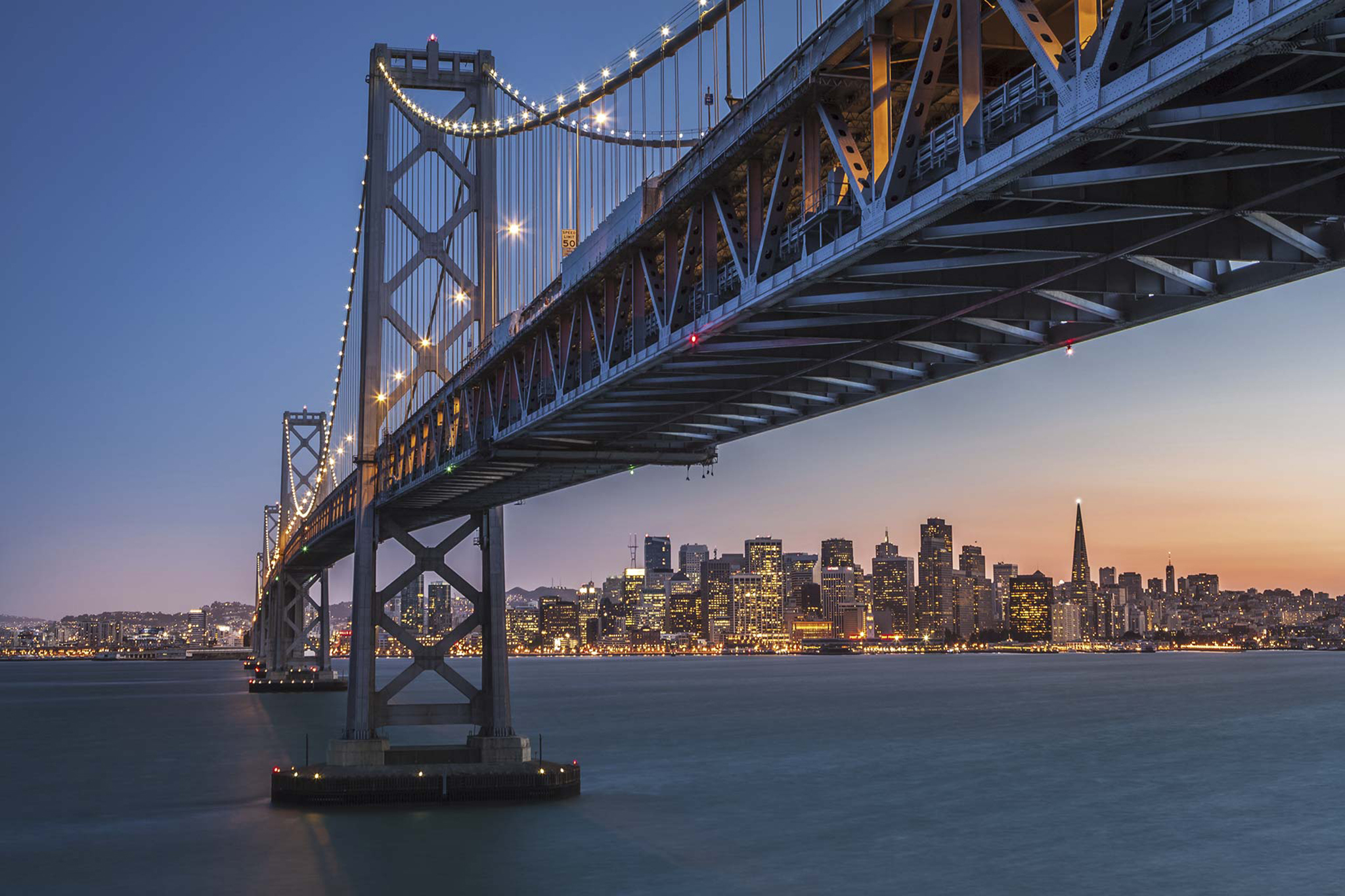
- Driving Distance: When driving, the distance is primarily determined by your starting and ending points within each city and the chosen crossing. The most common route involves driving across the San Francisco–Oakland Bay Bridge. This iconic bridge itself spans approximately 4.3 miles. Including the approach and exit routes within each city, a typical drive from downtown San Francisco to downtown Oakland will fall within the range of 12 to 17 miles.
- Ferry Distance: While not a direct measurement of land miles, the ferry route offers a picturesque way to traverse the bay. The sailing distance is slightly longer than the bridge span, but the journey provides unparalleled views of both skylines, the Golden Gate Bridge, and the surrounding natural beauty.
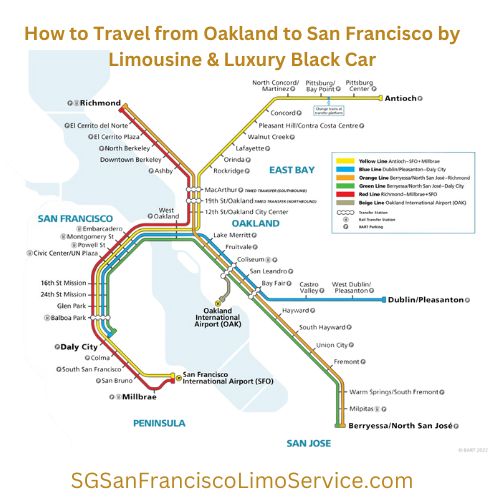
- Public Transportation: For those relying on public transit, the distance is translated into journey time rather than pure mileage. The BART (Bay Area Rapid Transit) system provides a direct and efficient rail link, making the transit distance feel almost negligible.
Factors Affecting Travel Time
While the physical distance is small, several factors can influence the actual time it takes to travel between San Francisco and Oakland. Understanding these variables is key to efficient trip planning.
Traffic Conditions
The San Francisco Bay Area is notorious for its traffic, especially during peak commute hours. Driving across the San Francisco–Oakland Bay Bridge can be significantly impacted by congestion. During rush hour (typically weekdays from 7 AM to 9 AM and 4 PM to 7 PM), a drive that might take 20-30 minutes under normal conditions could easily extend to an hour or more. This is a critical consideration for any traveler relying on a vehicle.
Public Transportation Reliability
BART is generally a reliable and consistent option. The train journey from stations like Oakland’s 12th Street/Oakland City Center to San Francisco’s Montgomery Street or Embarcadero stations typically takes between 15 and 25 minutes. This makes it a highly predictable choice, largely unaffected by road traffic. However, occasional service delays can occur, so checking real-time schedules is always advisable.
Ferry Schedules and Travel
The San Francisco Bay Ferry offers a delightful alternative. Departures from terminals like Oakland’s Jack London Square to San Francisco’s Ferry Building usually take around 30 to 40 minutes. While the sailing time itself is longer than a direct BART ride, the overall travel time, including getting to and from the terminals, can be competitive, especially when factoring in the potential for traffic delays on the bridge. Furthermore, the scenic views and pleasant onboard experience can make it a more enjoyable option for many travelers.
Exploring the Interconnected Offerings of San Francisco and Oakland
The close proximity of San Francisco and Oakland allows for a dynamic travel experience, where visitors can easily immerse themselves in the distinct cultures and attractions of both cities. This accessibility transforms the region into a unified destination, offering a rich tapestry of activities and sights.
San Francisco: The Iconic Metropolis
San Francisco, perched on the tip of a peninsula, is globally renowned for its landmarks, vibrant neighborhoods, and iconic culture. Its hilly terrain offers breathtaking vistas, while its diverse culinary scene and artistic flair draw visitors from around the world.
Key Attractions in San Francisco
- Golden Gate Bridge: The majestic, orange-hued suspension bridge is an undeniable icon, offering incredible photo opportunities and the chance to walk or bike across its span.
- Alcatraz Island: A historic former federal prison, Alcatraz offers a fascinating glimpse into American penal history, with gripping audio tours.
- Fisherman’s Wharf: A bustling waterfront area known for its seafood, sea lions at Pier 39, and lively atmosphere.
- Cable Cars: Riding a historic cable car is a quintessential San Francisco experience, winding through its steep streets.
- Golden Gate Park: A vast urban oasis featuring museums like the de Young Museum and the California Academy of Sciences, botanical gardens, and open spaces.
- Chinatown: The oldest Chinatown in North America, it’s a sensory delight with its vibrant markets, traditional architecture, and authentic cuisine.
- North Beach: Known for its Beat Generation history, charming cafes, and Italian heritage.
- Museums: Beyond those in Golden Gate Park, the city boasts world-class institutions like the San Francisco Museum of Modern Art (SFMOMA) and the Exploratorium.
Culinary Delights in San Francisco

San Francisco is a global culinary capital, offering everything from Michelin-starred dining to diverse street food. The city’s commitment to fresh, local ingredients, particularly seafood from the Pacific and produce from nearby agricultural regions like the Napa Valley, is evident in its gastronomic landscape.
Oakland: The Vibrant East Bay Hub
Across the bay, Oakland presents a different, yet equally compelling, facet of Bay Area life. Known for its rich cultural diversity, thriving arts scene, and a burgeoning culinary reputation, Oakland offers a more laid-back and authentic urban experience.
Key Attractions in Oakland
- Jack London Square: A lively waterfront district named after the famous author, featuring restaurants, shops, and event venues, with regular ferry service to San Francisco.
- Oakland Museum of California: Dedicated to the art, history, and natural sciences of California, offering insightful exhibits on the state’s unique heritage.
- Lake Merritt: A large tidal lagoon in the heart of the city, perfect for walking, jogging, paddle boating, and enjoying the urban wildlife. It’s the largest natural saltwater lake in California.
- Uptown Oakland: This revitalized district is a hub for live music, theaters, diverse restaurants, and vibrant nightlife, showcasing the city’s contemporary energy.
- Oakland Zoo: Located in the hills overlooking the city, the zoo provides an engaging experience with a variety of animals in naturalistic habitats.
- Redwood Regional Park: A beautiful natural escape offering towering redwood trees, hiking trails, and a peaceful respite from the urban environment.
- Children’s Fairyland: A charming, historic storybook theme park for young children, featuring whimsical settings based on classic fairy tales.
Culinary Scene in Oakland
Oakland has emerged as a powerhouse in the culinary world, celebrated for its innovation and diversity. The city’s food scene reflects its multicultural population, with exceptional offerings in Ethiopian, Mexican, Vietnamese, soul food, and farm-to-table restaurants. The “farm-to-table” movement is particularly strong here, with many chefs sourcing ingredients from local farms and markets.
Planning Your Cross-Bay Itinerary
The ease of travel between San Francisco and Oakland opens up a multitude of possibilities for travelers. Whether you prefer a focused exploration of one city or wish to sample the best of both, efficient planning can enhance your experience.
Day Trip Potential
A classic day trip might involve starting your morning in San Francisco, perhaps visiting Alcatraz Island or walking across the Golden Gate Bridge. After a morning of sightseeing, you could take a late afternoon ferry or BART ride to Oakland for dinner in Uptown or a stroll around Jack London Square. Alternatively, you could spend your morning exploring Oakland’s Oakland Museum of California or enjoying the serenity of Lake Merritt, before heading to San Francisco for an evening of entertainment or fine dining.
Extended Stays and Multi-City Exploration
For those with more time, basing yourself in one city and exploring the other extensively is highly recommended. Travelers might choose to stay in a hotel in San Francisco’s Union Square for proximity to shopping and major attractions, then easily visit Oakland’s vibrant culinary scene or catch a concert in Uptown. Conversely, a stay in an Oakland hotel might offer a more local feel and potentially more affordable accommodation, with the ease of commuting to San Francisco for iconic experiences.
Transportation Options for Day-to-Day Travel
- BART: The most efficient and cost-effective way to travel between the city centers. It runs frequently and avoids traffic.
- Ferries: A scenic and enjoyable option, particularly for those looking for bay views. Schedules are less frequent than BART, so planning around them is key.
- Ride-Sharing Services: Services like Uber and Lyft are readily available in both cities. While convenient for point-to-point travel, they are subject to traffic delays and can be more expensive than public transit.
- Driving: Offers the most flexibility but requires navigating potential traffic and finding parking, which can be challenging and costly in both cities.
The Distinctive Character of Each City
While geographically close, San Francisco and Oakland possess unique identities that contribute to the rich tapestry of the San Francisco Bay Area. Understanding these differences can help travelers tailor their visits to their interests.
San Francisco’s Global Appeal
San Francisco often embodies the image of the quintessential Californian metropolis – a global center of technology, finance, and culture. It’s a city of iconic landmarks, world-class museums, and a cosmopolitan atmosphere that attracts a diverse international audience. Its hilly streets, Victorian architecture, and foggy climate contribute to its distinctive charm. The city is perceived as more polished and perhaps more tourist-oriented, with a wide array of luxury accommodations and fine dining establishments.
Oakland’s Authentic Spirit
Oakland, on the other hand, is often described as having a more grounded and authentic spirit. It’s a city with a deep history of activism, a vibrant multicultural community, and a reputation for innovation, particularly in its arts and culinary scenes. Oakland feels more like a collection of distinct neighborhoods, each with its own character and local flavor. It offers a more accessible and perhaps less polished, but equally enriching, experience for visitors seeking a deeper connection with the local culture.
Embracing the Synergy
The true magic of visiting the San Francisco Bay Area lies in the ability to experience the synergy between these two remarkable cities. A visitor can spend a morning marveling at the architectural splendor of the Palace of Fine Arts in San Francisco, then cross the bay for an afternoon exploring the independent boutiques and galleries in Oakland’s Temescal district. The short distance is not merely a geographical fact; it’s an invitation to explore a dynamic and diverse region that offers something for every traveler, from the iconic to the intimately local.
LifeOutOfTheBox is a participant in the Amazon Services LLC Associates Program, an affiliate advertising program designed to provide a means for sites to earn advertising fees by advertising and linking to Amazon.com. Amazon, the Amazon logo, AmazonSupply, and the AmazonSupply logo are trademarks of Amazon.com, Inc. or its affiliates. As an Amazon Associate we earn affiliate commissions from qualifying purchases.