
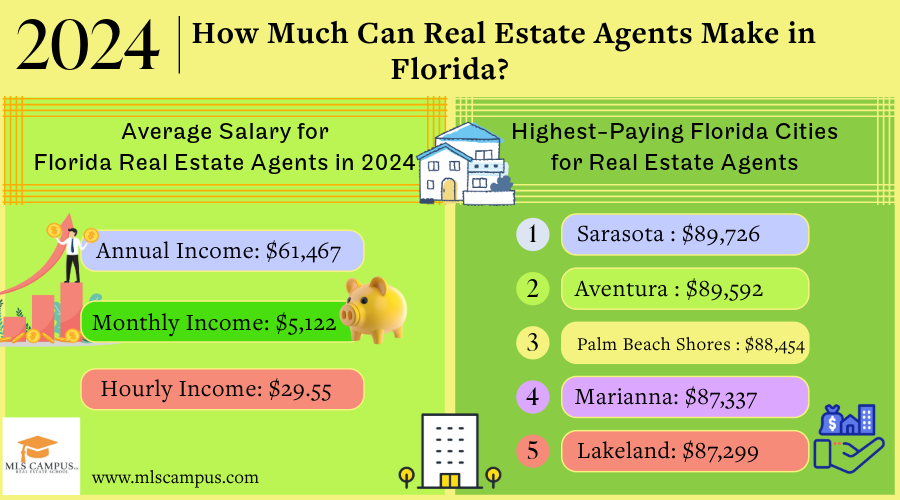
The allure of the Sunshine State – its pristine beaches, vibrant cities, and thriving tourism sector – makes it a perennial hotspot for real estate investment and development. For those considering a career in this dynamic market, understanding the earning potential of Florida real estate agents is paramount. While the glamour of closing a lucrative deal can be enticing, the reality of an agent’s income is multifaceted, influenced by a variety of factors ranging from market conditions to individual skill and work ethic. This exploration delves into the typical earnings, commission structures, and the key determinants that shape how much real estate agents make in Florida.
Understanding Real Estate Agent Compensation
At its core, real estate agent compensation in Florida, as in most of the United States, is performance-based. Agents typically do not receive a fixed salary. Instead, their income is derived from commissions earned on successful property transactions. This means that while the earning ceiling is theoretically limitless, the floor can be quite low, especially for new agents or those in slower markets.
The Commission Split
When a property is sold, the commission is paid by the seller, though it is factored into the overall purchase price. This commission is then split between the listing agent’s brokerage and the buyer’s agent’s brokerage. The percentage of this split can vary significantly based on agreements between agents and their respective brokerages.
Once the brokerage’s share is determined, it is further split between the brokerage and the individual agent. This agent-brokerage split is often tiered, meaning agents who close more deals or generate more revenue may receive a higher percentage of the commission over time. New agents often start with a lower split, such as 50/50, while experienced and top-performing agents might negotiate splits as high as 80/20 or even 90/10 in their favor.
Commission Rates
The standard commission rate for residential real estate transactions in Florida generally hovers between 5% and 6% of the property’s sale price. This rate is not set in stone and can be a point of negotiation between the seller and the listing agent. For instance, a seller might try to negotiate a lower commission rate for a higher-value property, or if they are working with an agent they have a strong relationship with.
Gross vs. Net Income
It is crucial to distinguish between an agent’s gross commission earnings and their net income. The gross commission is the total amount earned before any expenses are deducted. A significant portion of an agent’s earnings will be allocated to business-related expenses, which can substantially reduce their take-home pay.
Factors Influencing Agent Earnings in Florida
Several critical factors contribute to the wide variance in income among Florida real estate agents. Understanding these elements provides a clearer picture of the earning landscape.
Experience and Track Record
Like any profession, experience plays a pivotal role. Agents who have been in the Florida real estate market for several years, have built a strong reputation, and have a proven track record of successful transactions will naturally command higher earnings. Their established network, understanding of market nuances, and negotiation skills allow them to close more deals, often at better terms for their clients, which translates into higher commission payouts. A seasoned agent might specialize in luxury properties in areas like Miami Beach or Naples, where property values are significantly higher, thus leading to larger commission checks.
Market Specialization and Location
Florida is a vast and diverse state, with distinct real estate markets in its various regions. An agent specializing in the high-demand, high-price luxury condominium market in Miami will likely earn more than an agent focusing on starter homes in a less affluent area. Similarly, agents operating in booming markets like the Tampa Bay area or near popular tourist destinations such as Orlando or Fort Lauderdale may find more opportunities due to higher transaction volumes. The type of property – single-family homes, condos, commercial properties, or vacant land – also influences earning potential.
Work Ethic and Business Acumen
Real estate is not a passive income stream; it demands relentless effort. Agents who are proactive in lead generation, consistently market themselves and their listings, and are dedicated to providing exceptional client service tend to be the most successful. This involves networking, attending open houses, staying abreast of market trends, and continuously honing negotiation and sales skills. Those who treat their real estate career as a true business, complete with strategic planning and diligent execution, are far more likely to achieve higher earnings.
Marketing and Networking Skills
Effective marketing and robust networking are the lifeblood of a successful real estate agent. This includes digital marketing (social media, websites, online advertising), traditional marketing (print ads, mailers), and cultivating relationships with past clients, industry professionals (lenders, inspectors, contractors), and potential buyers and sellers. Agents who excel in building and maintaining these networks often benefit from a steady stream of referrals and repeat business, which are invaluable for consistent income.
Economic Conditions and Market Cycles
The overall health of the real estate market significantly impacts agent earnings. During periods of economic growth and high demand, property values tend to rise, and sales volume increases, leading to greater commission opportunities. Conversely, during economic downturns or periods of market contraction, sales can slow, and prices may stagnate or fall, resulting in reduced earnings for agents. Florida’s real estate market is also influenced by factors such as interest rates, inventory levels, and investor sentiment.
Typical Earnings for Florida Real Estate Agents
Pinpointing an exact average salary is challenging due to the variability mentioned above. However, industry data and surveys provide some benchmarks.
Entry-Level Agents
For newly licensed agents in Florida, the initial earnings can be modest. Many spend their first year or two learning the ropes, building their client base, and refining their skills. During this phase, it’s not uncommon for them to earn anywhere from $25,000 to $50,000 annually, often relying heavily on the support and training provided by their brokerage. Some may even have periods where they earn little to no income.
Mid-Level Agents
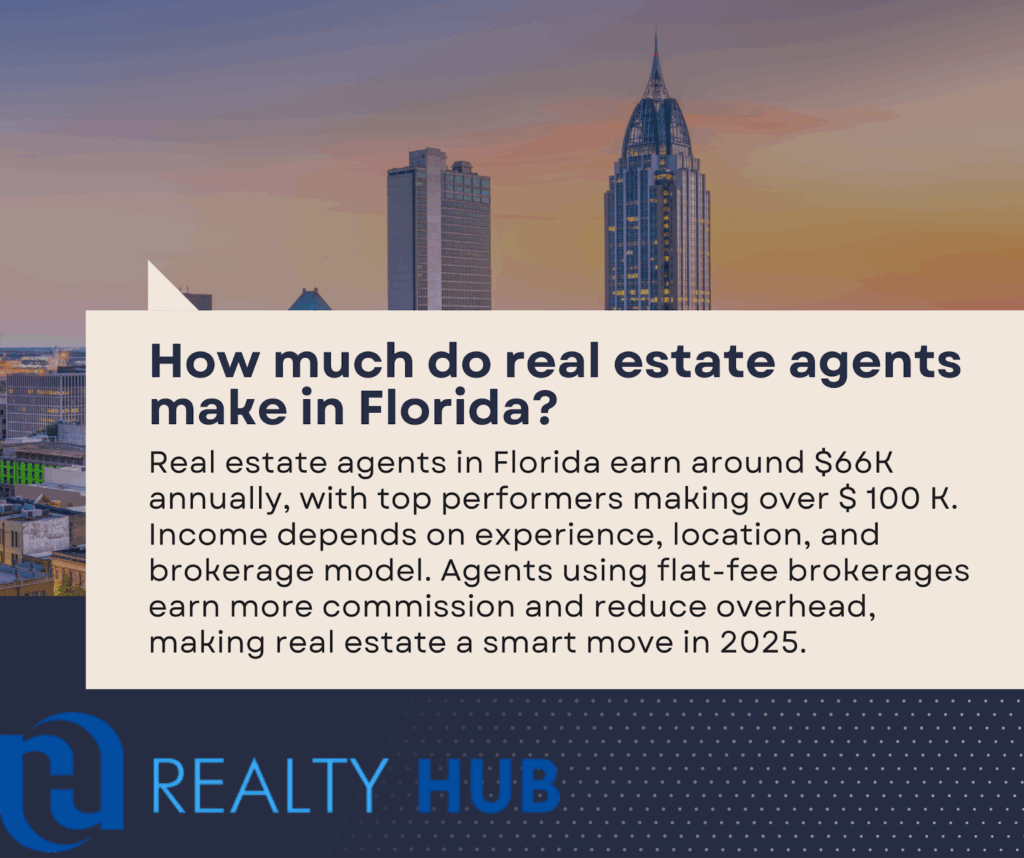
As agents gain experience, typically after 3-5 years, and establish a more consistent flow of business, their earnings can increase significantly. Mid-level agents in Florida might expect to earn between $60,000 and $100,000 per year. This range reflects agents who are consistently closing deals, have a growing referral network, and are adept at managing their time and business operations.
Top-Performing Agents
The highest earners in the Florida real estate market are those who consistently close a high volume of transactions, often specializing in lucrative segments of the market. These top performers, who may be team leaders or run their own successful brokerages, can earn well into the six figures, with some agents reporting incomes exceeding $200,000, $300,000, or even more annually. These individuals possess exceptional sales skills, extensive market knowledge, and a strong entrepreneurial drive. For example, agents working with luxury properties in areas like Palm Beach or the exclusive communities in the Florida Keys often fall into this category.
The Costs of Doing Business
It’s imperative to reiterate that the figures discussed represent gross commission earnings. Real estate agents in Florida incur numerous expenses that reduce their net income. These typically include:
- Brokerage Fees: Monthly desk fees, E&O (Errors & Omissions) insurance, MLS (Multiple Listing Service) fees, and association dues.
- Marketing and Advertising: Costs associated with listing properties online, print advertising, direct mail campaigns, and professional photography.
- Technology and Tools: Website hosting, CRM (Customer Relationship Management) software, mobile phone plans, and office supplies.
- Transportation: Fuel, vehicle maintenance, and insurance for showing properties.
- Licensing and Education: Continuing education courses and license renewal fees.
- Taxes: As independent contractors, agents are responsible for paying self-employment taxes.
These expenses can easily amount to 10-30% or more of an agent’s gross commission, depending on their business model and spending habits.

A Rewarding Career Path
Despite the inherent challenges and the variable nature of income, a career in Florida real estate offers significant rewards beyond financial compensation. The opportunity to help people find their dream homes, invest in their future, and be part of a dynamic and ever-evolving industry is deeply fulfilling for many. The flexibility to set one’s own schedule, while demanding, also allows for a lifestyle that can be tailored to individual preferences. For those with the drive, dedication, and business acumen, the Florida real estate market presents a lucrative and rewarding professional journey. Whether aiming for a modest supplemental income or aspiring to become a top producer in the competitive markets of cities like Jacksonville or St. Petersburg, understanding the financial landscape is the first step toward success.
LifeOutOfTheBox is a participant in the Amazon Services LLC Associates Program, an affiliate advertising program designed to provide a means for sites to earn advertising fees by advertising and linking to Amazon.com. Amazon, the Amazon logo, AmazonSupply, and the AmazonSupply logo are trademarks of Amazon.com, Inc. or its affiliates. As an Amazon Associate we earn affiliate commissions from qualifying purchases.