
Understanding the demographic landscape of a city like Detroit is crucial for grasping its essence, its cultural pulse, and its future trajectory. While a precise, real-time headcount is impossible to pin down outside of a census year, the question of “how many people are in Detroit?” opens a window into the city’s population dynamics, its historical shifts, and the evolving narrative of this resilient American metropolis. This exploration delves into the numbers, the factors influencing them, and what these figures signify for the visitor seeking to experience the authentic Detroit.
The Shifting Sands of Population: A Historical Perspective
Detroit’s population story is one of dramatic peaks and subsequent contractions, reflecting broader economic and social trends that have shaped the United States. Once a booming hub of automotive manufacturing and a magnet for workers seeking opportunity, the city experienced a significant population surge in the mid-20th century.

The Mid-Century Zenith
In its heyday, particularly following World War II, Detroit was a powerhouse of industry. The demand for automobiles fueled job growth, drawing in waves of migrants from rural America and immigrants from around the globe. By the 1950s, Detroit had reached its population peak, ranking as the fourth-largest city in the United States with well over 1.8 million residents. This era was characterized by vibrant neighborhoods, bustling commercial districts, and a palpable sense of optimism and progress. The infrastructure, from the iconic Belle Isle Park to the grand theaters of Broadway, was built to support this burgeoning population.
The Era of Decline and Restructuring
Beginning in the latter half of the 20th century, Detroit faced significant challenges. The decline of the automotive industry, coupled with urban decay, rising crime rates, and racial tensions, led to a steady outflow of residents. This period, often referred to as suburbanization and deindustrialization, saw millions of people move from the city to surrounding suburbs, a trend mirrored in many industrial cities across the nation. The census figures reflected this downward spiral, with the population consistently shrinking through the late 20th and early 21st centuries. By the 2010 census, Detroit’s population had fallen below 700,000, a stark contrast to its mid-century peak.
The Contemporary Population: What the Numbers Tell Us Today
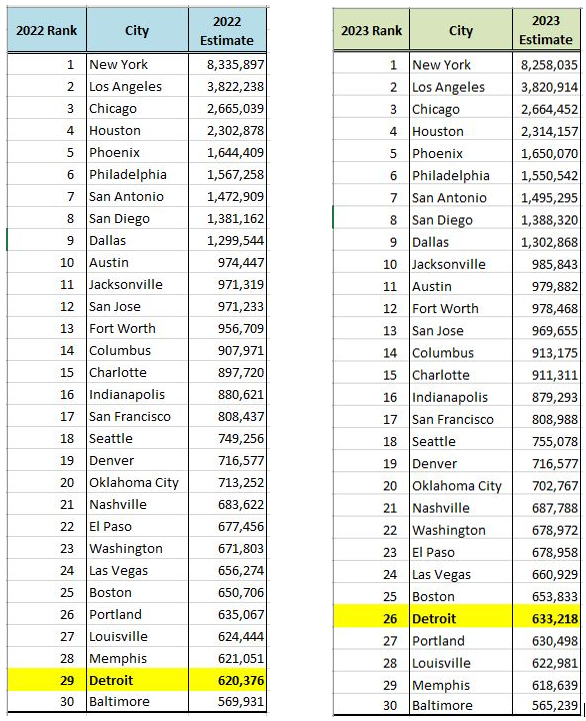
The most recent comprehensive data available for Detroit comes from the U.S. Census Bureau. As of the 2020 Census, the population of the city of Detroit was recorded at 639,111 residents. This figure represents a continuation of the decline observed in previous decades, albeit at a somewhat moderated pace.
Understanding the Census Data
It’s vital to understand what these numbers represent. The census provides a snapshot of the resident population within the official city limits of Detroit. This excludes the residents of the many surrounding suburbs that collectively form the greater Detroit metropolitan area. When considering the broader metropolitan region, which includes communities like Ann Arbor, Dearborn, and Sterling Heights, the population figure is significantly higher, encompassing millions of individuals.
Trends and Projections
While the city of Detroit has experienced a population decrease, recent years have seen signs of stabilization and even modest growth in certain areas. This is often attributed to revitalization efforts, new business investments, and a growing interest in the city’s affordable housing market and burgeoning cultural scene. However, official projections still indicate a city with a population considerably smaller than its historical peak. For the traveler, this means encountering a city that, while less densely populated than in its boom years, is far from empty. Instead, it presents a unique opportunity to engage with a community that is actively shaping its future.
Beyond the Numbers: The People of Detroit
The sheer number of people in Detroit is only one part of the story. The demographics, the cultural makeup, and the spirit of its residents are what truly define the city. Understanding the population also involves acknowledging the diversity and the resilience of its people.
A Tapestry of Cultures
Detroit has historically been a melting pot, and this remains true today. The city is home to a significant African American population, a legacy of the Great Migration and continued contributions to the city’s cultural fabric, particularly in music and the arts. Arab Americans also form a substantial and influential community, especially in areas like Dearborn, contributing to the city’s culinary landscape and business sector. Various European, Asian, and Hispanic communities also add to the rich cultural tapestry, creating a vibrant mosaic of traditions, languages, and perspectives.
The Spirit of Resilience and Innovation
Despite its challenges, Detroit is renowned for the resilience and ingenuity of its residents. This spirit is evident in the countless community initiatives, the thriving arts scene, the innovative startups, and the passion of its citizens who are actively involved in rebuilding and reinventing their city. For visitors, this translates into encounters with friendly locals, passionate entrepreneurs, and artists eager to share their vision of Detroit.
Implications for Visitors and Explorers
For those planning a visit to Detroit, understanding the population context enriches the travel experience. It helps manage expectations and fosters a deeper appreciation for the city’s current state and its ongoing transformation.
Experiencing Authenticity
A city with a population of just over 600,000 within its core boundaries offers a more intimate experience than a sprawling megacity. This lower population density can mean easier access to attractions, less congestion in many areas, and a more personal connection with local businesses and communities. It allows for genuine exploration of neighborhoods, uncovering hidden gems, and engaging directly with the people who call Detroit home.
Engaging with Local Culture and Activities
The cultural offerings of Detroit are rich and diverse, reflecting the passions of its residents. From the historic halls of the Motown Museum to the contemporary galleries in the Midtown district, there are ample opportunities to immerse oneself in the city’s artistic and musical heritage. The food scene, too, is a testament to the diverse population, with everything from classic soul food to authentic Middle Eastern cuisine readily available. The presence of a dedicated and engaged population ensures a vibrant calendar of events, festivals, and markets throughout the year.

Urban Exploration and Redevelopment
The population dynamics also play a role in how one experiences Detroit’s urban landscape. While some areas show the signs of past decline, many neighborhoods are experiencing revitalization. Visitors can witness this transformation firsthand, from the restoration of historic buildings in Downtown and Midtown to the emergence of new businesses and residential developments. This ongoing evolution makes Detroit a fascinating place to explore, offering a compelling narrative of urban renewal and community spirit. The city’s population, though smaller than in its past, is actively engaged in shaping its present and future, making it a dynamic and rewarding destination for any traveler.
LifeOutOfTheBox is a participant in the Amazon Services LLC Associates Program, an affiliate advertising program designed to provide a means for sites to earn advertising fees by advertising and linking to Amazon.com. Amazon, the Amazon logo, AmazonSupply, and the AmazonSupply logo are trademarks of Amazon.com, Inc. or its affiliates. As an Amazon Associate we earn affiliate commissions from qualifying purchases.