
Navigating the intricacies of obtaining a license in Florida can often feel like deciphering a complex map. While the question itself, “How Much Is A License In Florida?”, is straightforward, the answer is anything but. This is because “license” is a broad term encompassing a vast array of permits, certifications, and registrations required for various activities, professions, and even recreational pursuits within the Sunshine State. Understanding the specific type of license you need is the first, crucial step, as costs, requirements, and renewal processes vary significantly. This article aims to demystify these variations, providing a comprehensive overview of common licensing categories and their associated expenses, helping you budget effectively for your endeavors in Florida.
Understanding Florida’s Diverse Licensing Landscape
Florida operates under a robust regulatory framework that necessitates licenses for a multitude of activities to ensure public safety, maintain professional standards, and collect revenue. The term “license” can refer to anything from a driver’s license to a business license, a contractor’s license, a professional license (like for doctors or lawyers), or even a recreational license (such as for hunting or fishing). The sheer diversity means that a single, universal answer to the cost of a license is impossible. Instead, we must break down the licensing landscape into its major components.
Driver Licenses and Vehicle Registration
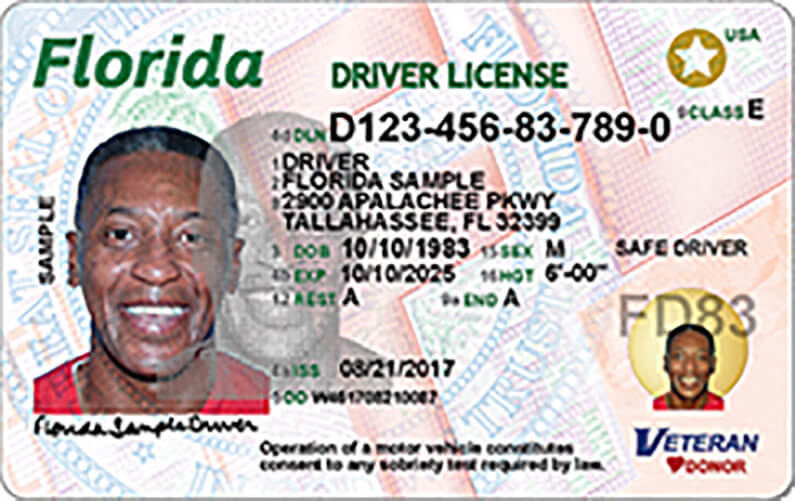
Perhaps the most common type of license for residents and visitors alike is a driver’s license. Obtaining a driver’s license in Florida involves several steps, including passing vision, knowledge, and driving tests.
Driver License Fees
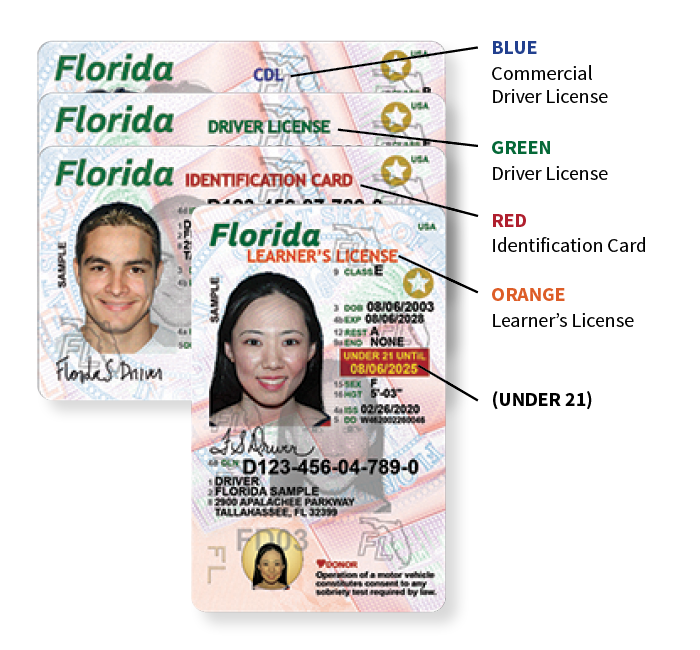
The fees for a Florida driver’s license are set by the Florida Department of Highway Safety and Motor Vehicles (FLHSMV). As of recent updates, the standard Class E driver license, which covers most passenger vehicles, typically costs around $48.00 for an initial issuance or renewal for a valid period. This fee covers the administrative costs associated with processing the application, conducting the necessary tests, and issuing the physical license card. It’s important to note that additional fees may apply for specific endorsements (like motorcycle or commercial driver’s licenses) or for replacement licenses if your original is lost or stolen.
Vehicle Registration
Beyond personal driving privileges, operating a vehicle on Florida roads also requires registration. The cost of vehicle registration varies based on the vehicle’s type, weight, and age. For a standard passenger vehicle, the initial registration fee can range from $225 to $375 or more, depending on the county and specific vehicle details. This includes plate fees, title fees, and local taxes. Annual renewals are typically less expensive, often falling in the $30 to $100 range, again depending on the county and vehicle. Specific types of vehicles, such as RVs or commercial trucks, will incur different fee structures.
Business Licenses and Permits
For entrepreneurs and businesses looking to operate within Florida, securing the appropriate business licenses and permits is a critical prerequisite. These licenses ensure that businesses comply with state, county, and municipal regulations. The cost and type of business license are highly dependent on the nature of the business, its location, and its activities.
State-Level Business Registration
Most businesses operating in Florida must register with the Florida Department of State. This includes registering business entities such as corporations, limited liability companies (LLCs), and partnerships. The filing fees for these registrations are generally modest, typically ranging from $100 to $150 for initial formation. For example, filing Articles of Incorporation for a corporation or Articles of Organization for an LLC usually falls within this range. Annual reports are also required, with fees typically around $150 for corporations and LLCs.
Local Business Tax Receipts (Occupational Licenses)
In addition to state registration, most cities and counties in Florida require businesses to obtain a local business tax receipt, often referred to as an occupational license. The fee for this receipt is typically based on the type of business and its projected gross receipts or number of employees. Costs can range from under $50 for very small, home-based businesses to several hundred or even thousands of dollars for larger enterprises with significant revenue or specific operational requirements. For instance, a small retail shop might pay $100-$300 annually, while a large construction company could face much higher fees.
Specific Industry Licenses
Certain industries are subject to additional state licensing requirements. For example, businesses involved in healthcare, finance, alcohol sales, or food service will need to obtain specific licenses from relevant state agencies. These licenses often involve rigorous inspection processes, background checks, and significant application fees. A restaurant license, for instance, might involve fees for health inspections and permits, potentially costing several hundred dollars annually. A contractor’s license, a critical permit for construction and home improvement businesses, involves examination fees, licensing fees, and potentially continuing education costs, with initial licensing fees often in the $100-$200 range, in addition to exam fees.
Professional Licenses
Florida maintains a robust system of professional licensing to regulate various occupations and ensure that practitioners meet specific educational, experiential, and ethical standards. This is particularly important for professions that directly impact public health, safety, and welfare.
Healthcare Professions
For individuals pursuing careers in healthcare, such as physicians, nurses, dentists, and therapists, obtaining a professional license is a mandatory step. The cost of these licenses typically includes application fees, examination fees (if applicable), and initial licensing fees. For example, a registered nurse (RN) license in Florida might involve application fees around $100, plus the cost of the NCLEX exam. A physician’s license would likely involve higher fees, potentially several hundred dollars for application and initial licensure, alongside the substantial costs associated with medical education and board examinations.
Legal and Financial Professions
Attorneys must pass the Florida Bar examination and pay annual bar dues, which currently stand at $345 for active members. Financial professionals, such as real estate agents or mortgage brokers, also require licenses. A real estate sales associate license in Florida typically involves application fees, fingerprinting costs, and initial license fees, often totaling $100-$200. Mortgage broker licenses would have similar but potentially higher associated costs.
Continuing Education and Renewal Fees
It is crucial to remember that most professional licenses in Florida require ongoing continuing education and periodic renewal. These renewal fees and the costs associated with fulfilling continuing education requirements add to the long-term expense of maintaining a professional license. Renewal fees can range from $50 to $300 or more every few years, depending on the profession.
Recreational Licenses
For those who enjoy outdoor activities in Florida, recreational licenses are often necessary to engage in hunting, fishing, and boating. These licenses help fund conservation efforts and manage natural resources.
Hunting and Fishing Licenses
The Florida Fish and Wildlife Conservation Commission (FWC) oversees the issuance of hunting and fishing licenses. The cost varies depending on the type of license (freshwater fishing, saltwater fishing, hunting, combination licenses) and the duration (annual, multi-year). An annual resident freshwater fishing license is typically around $17, while a saltwater fishing license is about $17. A hunting license is also around $17. Combination licenses, which cover both hunting and fishing, are available and offer better value, often costing $30.50 for residents. Non-resident licenses are significantly more expensive, with an annual saltwater fishing license for a non-resident costing around $170. Specialty permits for activities like harvesting deer or turkey may incur additional fees.
Boating Licenses and Registrations
While there isn’t a universal “boating license” in the same way as a driver’s license for operating a car, boat operators in Florida born on or after a certain date (currently January 1, 1988) must hold a valid boating safety identification card. Obtaining this card involves completing an approved boating safety course, which can cost anywhere from $30 to $100. The boat itself also requires registration with the FLHSMV, similar to vehicle registration, with fees dependent on the size and type of vessel.
Other Common Licenses
Beyond the major categories, Florida requires licenses for a variety of other activities and services.
Marriage Licenses
To get married in Florida, couples must obtain a marriage license. The fee for a standard marriage license is typically around $93.50. However, Florida offers a discount of $25 to $62.50 if at least one party has completed a premarital preparation course from a registered provider.
Concealed Weapon or Firearm License
For individuals seeking to carry a concealed weapon or firearm in Florida, a specific license is required. The application fee for a concealed weapon or firearm license is currently $112 for initial applications, which includes fingerprinting and background check fees. Renewal fees are typically lower.
Animal Licenses
Many local municipalities in Florida require residents to license their pets, particularly dogs and cats. These licenses are usually annual and range from $10 to $30, often with lower fees for spayed or neutered animals. These fees contribute to local animal control services and public health initiatives.
Factors Influencing License Costs
Several factors can influence the final cost of obtaining a license in Florida:
- Residency Status: Fees are almost always lower for Florida residents compared to non-residents.
- Type of License: As detailed above, the category of the license (driver, business, professional, recreational) is the primary cost driver.
- Duration of License: Some licenses are issued for a set period (e.g., a year, four years for a driver’s license), and the fee is prorated or fixed for that duration.
- Additional Endorsements or Permits: Specific endorsements or specialized permits attached to a primary license will increase the overall cost.
- Administrative and Processing Fees: Application fees, fingerprinting, background checks, and exam fees are common additional costs.
- Continuing Education Requirements: For professional licenses, the ongoing cost of education to maintain licensure must be factored in.
- Late Fees and Penalties: Failing to renew a license on time can result in significant penalties and additional fees.

Where to Find Official Information
The most accurate and up-to-date information on license requirements and fees in Florida can be found on the official websites of the relevant state agencies. These include:
- Florida Department of Highway Safety and Motor Vehicles (FLHSMV) for driver licenses and vehicle registration.
- Florida Department of State (DOS) for business registrations.
- Florida Fish and Wildlife Conservation Commission (FWC) for hunting and fishing licenses.
- Florida Department of Business and Professional Regulation (DBPR) for many professional and occupational licenses.
- Individual city and county government websites for local business tax receipts and other local permits.
By understanding the specific license you need and consulting these official sources, you can accurately determine the costs involved and ensure compliance with Florida’s regulations.
LifeOutOfTheBox is a participant in the Amazon Services LLC Associates Program, an affiliate advertising program designed to provide a means for sites to earn advertising fees by advertising and linking to Amazon.com. Amazon, the Amazon logo, AmazonSupply, and the AmazonSupply logo are trademarks of Amazon.com, Inc. or its affiliates. As an Amazon Associate we earn affiliate commissions from qualifying purchases.