
The Lone Star State, known for its independent spirit and deeply ingrained traditions, has long held a conservative stance on many social issues, including cannabis. For years, discussions surrounding marijuana legalization in Texas have been met with significant resistance. However, the landscape of cannabis policy is constantly evolving, and many are keen to understand the current legal status of marijuana within Texas and what this might mean for visitors and residents alike. This article delves into the nuances of Texas cannabis laws, focusing on the practical implications for tourism and lifestyle within the state.
Understanding Texas’s Evolving Cannabis Laws
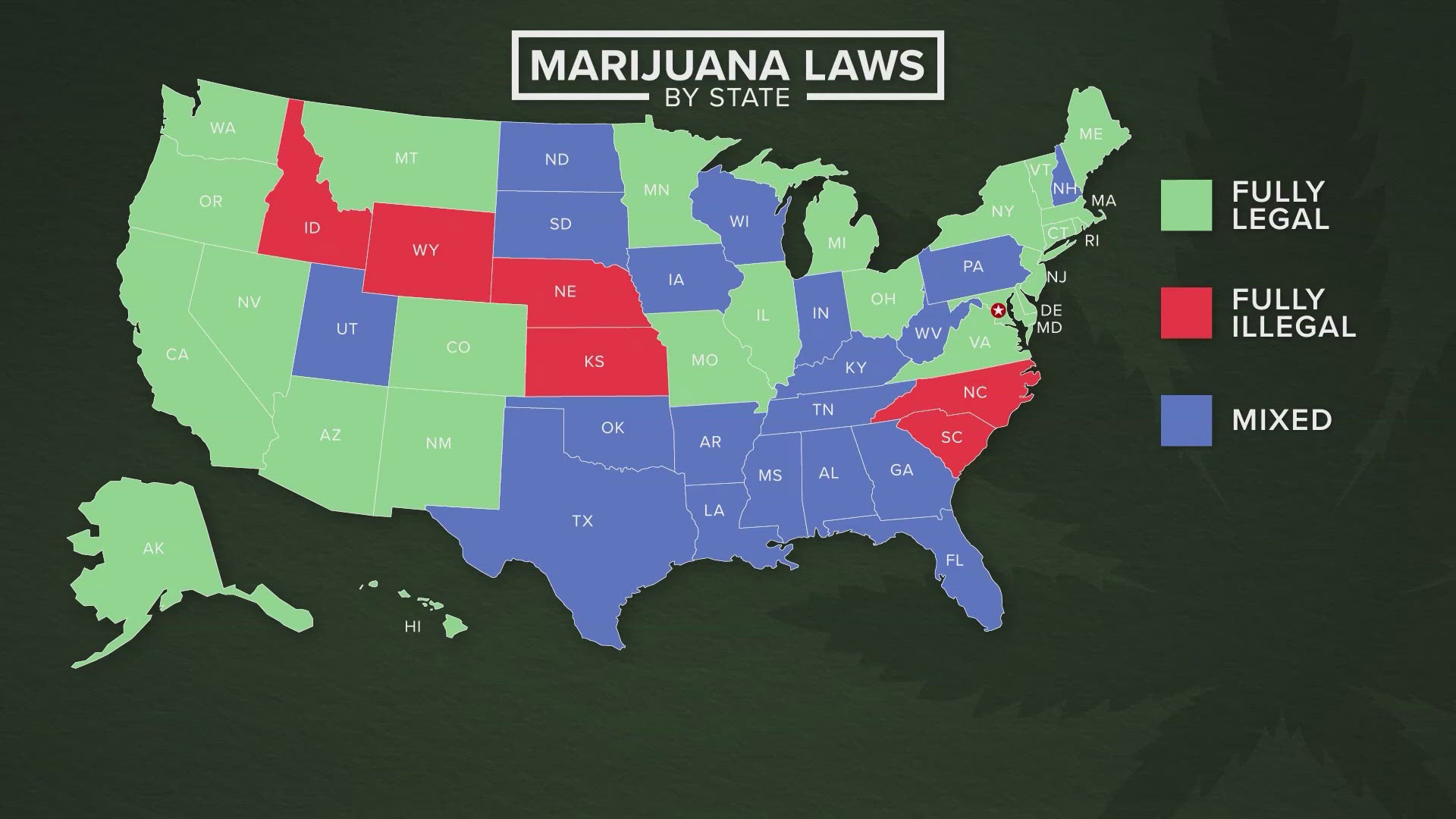
Texas has not legalized recreational marijuana. Possession of cannabis remains illegal, with penalties varying based on the amount possessed and the jurisdiction. However, the state has made some strides in decriminalization and medical access, which are crucial distinctions to understand.
Decriminalization Efforts
While not full legalization, several major cities in Texas have implemented policies to reduce the penalties for low-level marijuana possession. These local initiatives aim to shift law enforcement focus away from minor offenses, thereby reducing arrests and their associated consequences.
- Austin: The Austin Police Department has a policy to no longer arrest individuals for misdemeanor possession of marijuana. While possession is still technically illegal, officers are instructed to issue citations instead of making arrests for amounts under two ounces. This policy has been in place for several years and has significantly reduced arrests for minor cannabis offenses in the city.
- Houston: Similarly, Houston has seen efforts to reduce arrests for small amounts of marijuana. While not a formal city ordinance like in Austin, the District Attorney’s office has indicated a policy of declining to prosecute certain low-level marijuana possession cases, especially for first-time offenders.
- Dallas and San Antonio: While Dallas and San Antonio have not enacted the same explicit de-prioritization policies as Austin, the trend across the state is a gradual shift towards less punitive measures for minor possession, reflecting a changing public opinion.
It is crucial to understand that these decriminalization efforts are local and do not change the state law. Possession remains a criminal offense, and while arrests might be less frequent in certain cities for small amounts, individuals can still face fines or other penalties. Tourists should be aware that possessing marijuana, even a small amount, could still lead to legal trouble, especially when traveling between jurisdictions or encountering state troopers.
Medical Marijuana Program (Texas Compassionate Use Program)
Texas established the Texas Compassionate Use Program (TCUP) in 2015. This program allows for the medical use of low-THC cannabis for patients with qualifying medical conditions.
- Qualifying Conditions: Initially, TCUP was limited to patients with epilepsy or certain seizure disorders. Over time, the program has expanded to include conditions such as multiple sclerosis, spasticity, amyotrophic lateral sclerosis (ALS), autism, terminal cancer, and post-traumatic stress disorder (PTSD).
- Low-THC Definition: The law defines “low-THC cannabis” as cannabis that contains no more than 0.5% tetrahydrocannabinol (THC) by weight. This means the cannabis available through the medical program is not psychoactive in the way that high-THC recreational marijuana is.
- Prescription and Dispensing: Patients must obtain a prescription from a physician registered with the Compassionate Use Registry of Texas (CURT). They can then purchase low-THC cannabis products from licensed dispensaries located within the state.
- Impact on Visitors: The medical program is strictly for Texas residents who have obtained a prescription. Visitors from other states with medical marijuana programs are not eligible to purchase or possess cannabis in Texas under TCUP, even with their out-of-state medical card. This is a significant point for travelers planning a visit to Texas.
Implications for Travel and Tourism
The current legal status of marijuana in Texas has several implications for travelers and those planning trips to the state. While Texas offers a wealth of attractions, from the vibrant culture of Austin to the historical sites of San Antonio and the vast natural beauty of the Big Bend region, understanding local laws is paramount for a smooth experience.
Navigating Laws in Different Cities
As mentioned, local decriminalization efforts can create a perception of leniency, particularly in cities like Austin. However, it is crucial to remember that these are local policies that do not override state law.
- Enforcement Variations: While Austin may have a policy of citing rather than arresting for small amounts, this does not guarantee freedom from all legal consequences. Encounters with law enforcement, especially those outside city limits or during traffic stops by state agencies, can still result in charges.
- Interstate Travel: For those flying into Texas, bringing any form of marijuana, including legal products from other states, is strictly prohibited. The Transportation Security Administration (TSA) screens all passengers and luggage, and if illegal substances are found, they will be confiscated, and law enforcement will be notified. This applies even if you are traveling from a state where marijuana is legal for recreational use, such as Colorado or California.
- Road Trips: Driving into Texas with marijuana is also a risky endeavor. State troopers and local law enforcement are vigilant, and possession can lead to arrest and significant legal penalties, regardless of the quantity or intended use.
Cannabis-Adjacent Tourism Experiences

While direct cannabis consumption tourism is not an option in Texas as it is in some other states, there are emerging lifestyle trends and experiences that cater to a broader wellness and lifestyle audience.
- Wellness Retreats: Texas boasts numerous wellness retreats and spas, particularly in areas like the Hill Country, offering yoga, meditation, healthy cuisine, and nature-based activities. These offer a way to relax and rejuvenate without engaging in any illegal activities.
- Local Culture and Cuisine: The rich cultural tapestry of Texas, from the live music scene in Austin to the barbecue joints in Central Texas, provides ample opportunities for exploration. Visitors can immerse themselves in authentic Texas experiences, enjoying the state’s unique offerings.
- CBD and Hemp Products: While marijuana remains illegal, the market for hemp-derived CBD products has grown. These products, which contain less than 0.3% THC and are derived from industrial hemp, are legal in Texas and can be found in many health food stores and specialty shops. While not a substitute for cannabis, they offer a legal avenue for those interested in the potential benefits of cannabinoids.
Lifestyle and Legal Considerations
For residents and long-term visitors, understanding the legal framework around cannabis in Texas is essential for daily life and avoiding legal pitfalls.
Possession Laws and Penalties
The severity of penalties for marijuana possession in Texas is determined by the amount of cannabis:
- Less than 2 ounces: A misdemeanor, punishable by up to 180 days in jail and a fine of up to $2,000. In some cities, this might result in a citation.
- 2 to 4 ounces: A Class A misdemeanor, punishable by up to one year in jail and a fine of up to $4,000.
- 4 ounces to 5 pounds: A felony offense, with penalties increasing significantly.
- Over 5 pounds: A first-degree felony, carrying severe penalties, including long prison sentences and substantial fines.
These penalties can have a profound impact on an individual’s life, affecting employment, housing, and educational opportunities.
Driving Under the Influence (DUI)
Driving under the influence of marijuana is illegal in Texas and carries serious consequences, similar to alcohol-related DUIs. Law enforcement officers are trained to detect signs of impairment, and a DUI charge can result in license suspension, hefty fines, and jail time. This is a critical consideration for anyone operating a vehicle in the state.
Medical Use and Restrictions
For Texas residents who qualify for the Compassionate Use Program, adherence to the program’s rules is vital.
- Possession Limits: Patients are typically limited to a 30-day supply of low-THC cannabis.
- Public Consumption: Public consumption of any cannabis product, even low-THC, is illegal and can result in fines and other penalties.
- Driving: Driving while under the influence of any impairing substance, including prescribed low-THC cannabis, is illegal and strictly enforced.
The Future of Cannabis in Texas
The debate surrounding marijuana legalization in Texas is ongoing, with advocates pushing for broader reform. While recreational legalization seems unlikely in the immediate future, further expansion of the medical program and continued decriminalization at the local level are possibilities.
- Legislative Trends: Each legislative session sees bills introduced that aim to expand cannabis access, from increasing the number of qualifying conditions for the medical program to exploring broader decriminalization or even legalization. Public opinion in Texas has been shifting, with a growing number of residents supporting some form of cannabis reform.
- Economic Considerations: Proponents of legalization often point to the potential economic benefits, including tax revenue and job creation, as seen in other states that have legalized cannabis. This economic argument is increasingly being considered in policy discussions.
- Comparison to Neighboring States: States like Oklahoma and New Mexico have moved towards broader legalization of recreational marijuana. This proximity and the differing legal frameworks may influence future policy decisions in Texas.
In conclusion, while Texas has not legalized recreational marijuana, its cannabis laws are in a state of gradual evolution. The presence of local decriminalization efforts and a growing medical program signify a shifting perspective, albeit a cautious one. For travelers and residents, staying informed about the specific laws in Texas, particularly regarding possession and driving under the influence, is crucial to ensure a safe and lawful experience. The journey toward broader cannabis reform in the Lone Star State continues to be a closely watched development.
LifeOutOfTheBox is a participant in the Amazon Services LLC Associates Program, an affiliate advertising program designed to provide a means for sites to earn advertising fees by advertising and linking to Amazon.com. Amazon, the Amazon logo, AmazonSupply, and the AmazonSupply logo are trademarks of Amazon.com, Inc. or its affiliates. As an Amazon Associate we earn affiliate commissions from qualifying purchases.